Report on the results of the monitoring visit to Dnipropetrovsk Multidisciplinary Hospital No. 4
General Information
Head of the Hospital — I. I. Bohdan. The hospital is designed for 130 beds and includes a therapeutic department (60 beds), a neurological department (30 beds), a surgical department (40 beds), an outpatient prophylactic department, a clinical diagnostic laboratory, and a pharmacy. At the time of the visit, 26 patients were undergoing treatment. Staffing levels for physicians are at 66.7%, and for nursing staff at 85.5%. The total staffing level in the hospital is 79.6%. Vacant positions include: therapeutic department — three physician positions, one hospital nurse position; surgical department — three physician positions, three nurse positions. There are 10 vacant positions in total.
The hospital operates a medical consultative commission for referring convicted patients to the MSEC (Medical and Social Expert Commission) to determine the degree of temporary and permanent loss of working capacity. Over nine months, the MSEC granted disability groups as follows: Group III — five persons, Group II — four persons, Group I — two persons. Work of the medical consultative commission regarding the application of Art. 537 of the Criminal Procedure Code of Ukraine to convicted patients: nine cases were considered by the commission. During the consideration, one person died, and one was denied. Seven cases were sent to court. During the court proceedings, three people died. Two people were released by the court. Two people were denied by the court. In the hospital, 11 people died during the first 11 months of 2023. On the day of the visit, 26 people were undergoing treatment in the hospital wards. Dispensary monitoring is provided for: 145 HIV-positive persons (145 of whom are receiving ART), eight persons with tuberculosis (TB), and 81 persons with mental disorders.
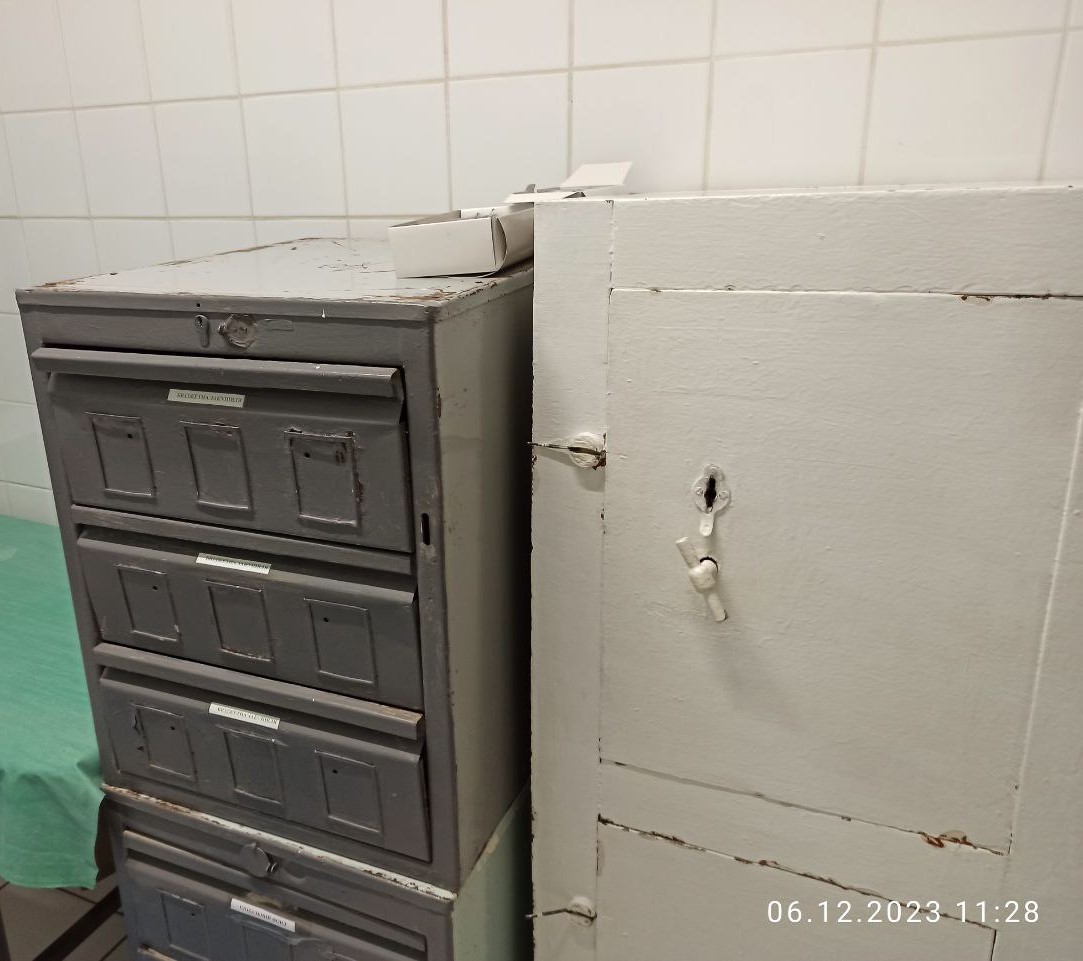
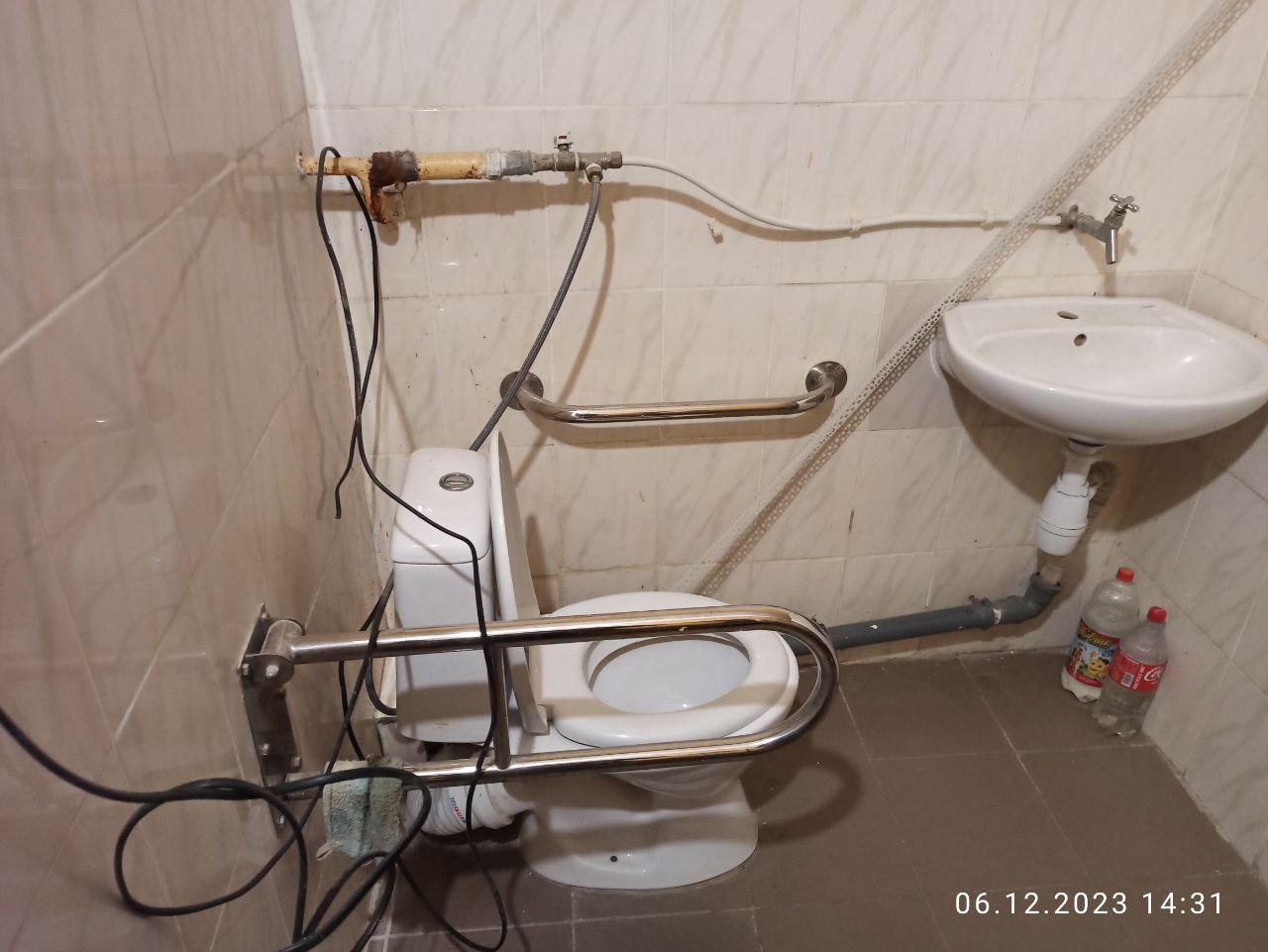
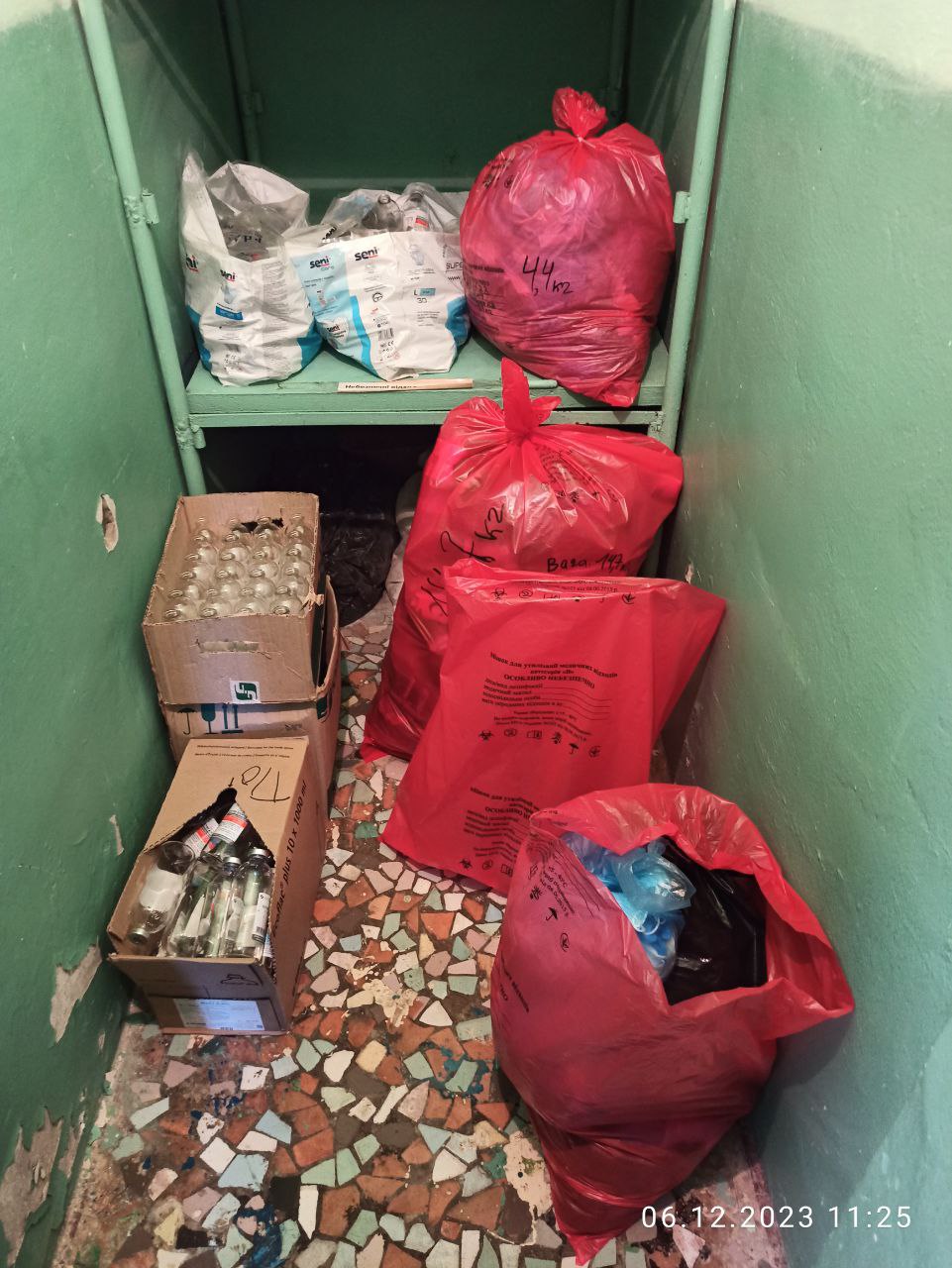
During the visit, the monitoring group examined the documentation concerning the institution’s operations and inspected the hospital premises and patient cells for compliance with the requirements of Ukrainian legislation and international standards.
During the visit, deficiencies were identified in the operations of Dnipropetrovsk Multidisciplinary Hospital No. 4, which lead to violations of the rights of convicted persons and detainees when receiving medical care in the hospital and the outpatient prophylactic department, in particular:
1. Violation of the rights of convicted persons when receiving medical care
1.1 The hospital lacks a statute for the medical institution, approved by Order, in connection with the reorganization of the Dnipro City Medical Unit No. 4 of the branch of the State Institution ‘Centre for Health Care of the State Criminal-Executive Service of Ukraine’ in Dnipropetrovsk and Donetsk regions, through its merger with Dnipropetrovsk Multidisciplinary Hospital No. 4.
1.2 The hospital lacks a licence to conduct activities involving the handling of narcotic drugs, psychotropic substances, and precursors, making it impossible to perform major surgical operations.
1.3 Due to the absence of concluded declarations with a primary care physician, convicted persons are unable to receive necessary medical services funded by the NHSU, which leads to a violation of the requirements of paragraphs 4 and 5 of Article 4 of the Law of Ukraine “Fundamentals of Ukrainian Legislation on Healthcare”.
1.4 Convicted patients are placed in ward-cells not based on an established diagnosis and the decision of medical staff regarding referral to a specialized hospital department, but based on the decision of the institution’s staff.
1.5 Convicted persons do not receive hospital property available in the hospital (hospital suits, robes, and slippers). Convicted persons remain in the wards in their everyday clothes, sometimes with their own bed linen.
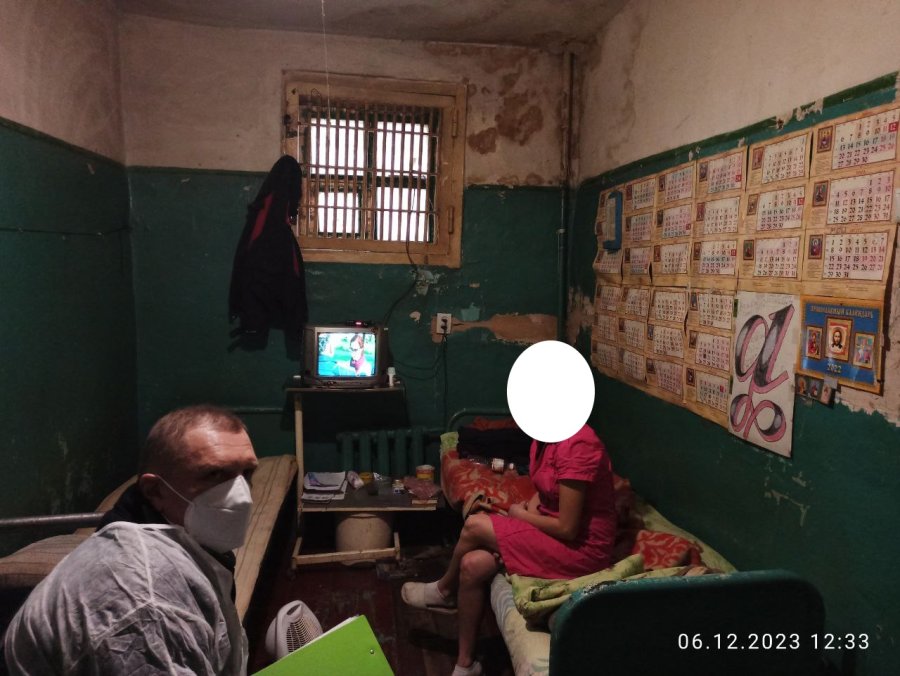
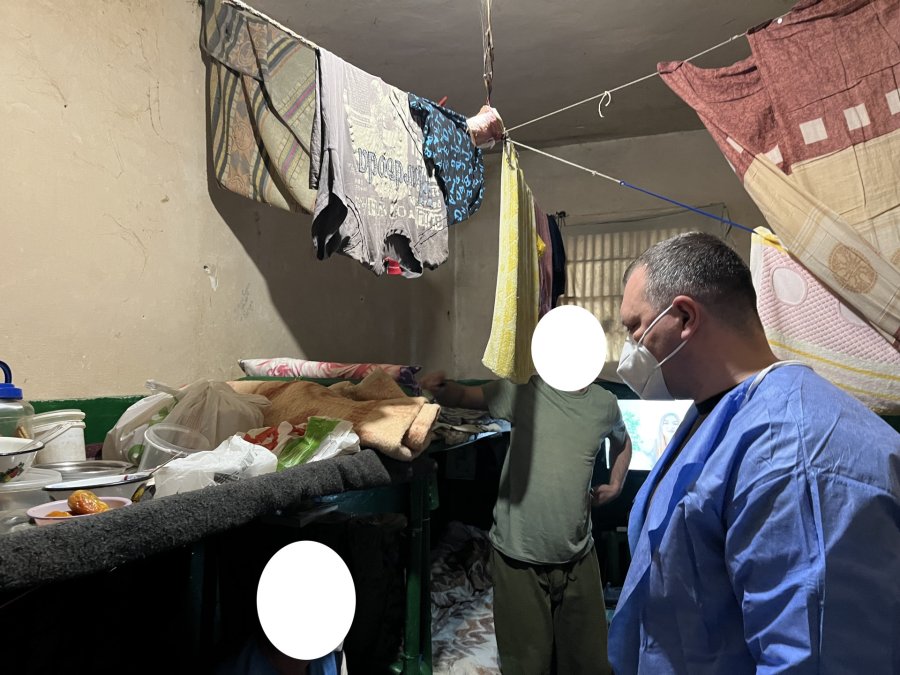
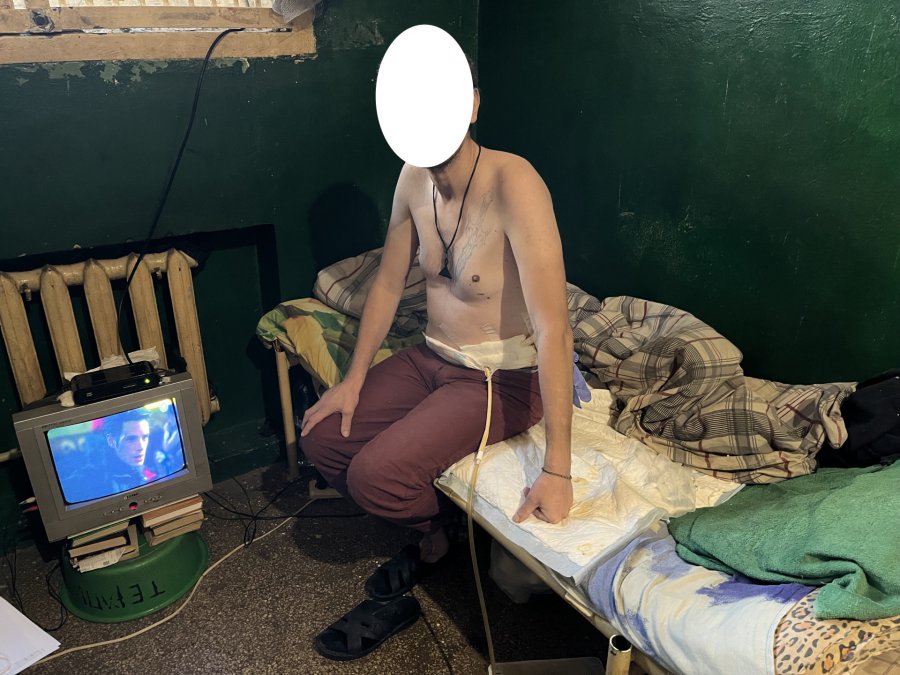
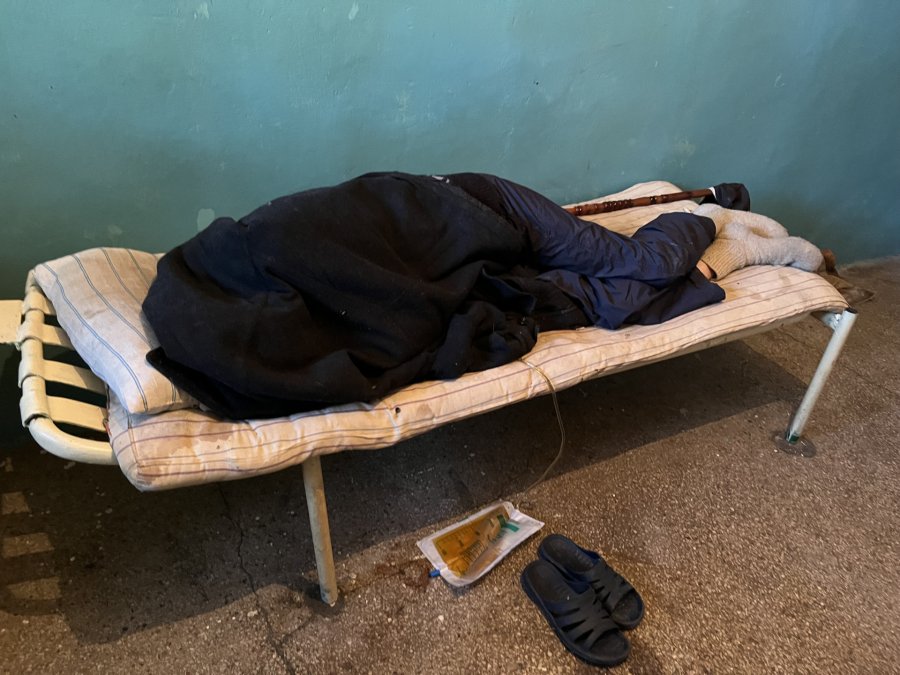
Some patients do not have any bedding at all.
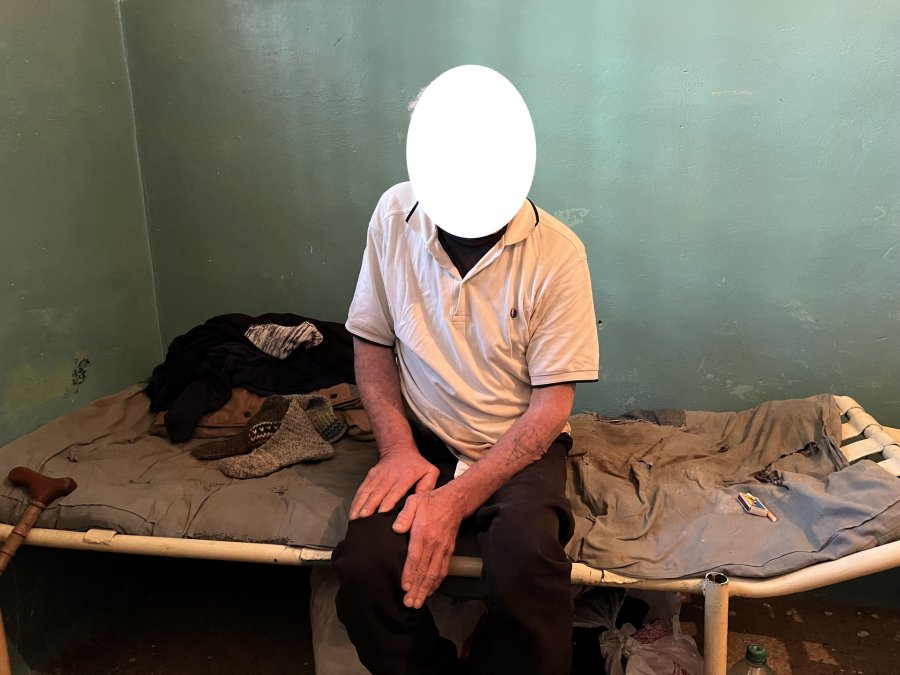
1.6 The hospital lacks a separate office for a gynaecologist. The said doctor examines convicted female patients in the paramedic’s room, which likely does not ensure confidentiality and may lead to a violation of the right to privacy during medical examinations.
2. Lack of equipment, medical devices, and medicinal products in the medical unit
2.1 The hospital is not equipped with functional fluorographic/X-ray equipment, as a result of which convicted persons and detainees do not undergo diagnostic examinations of the thoracic cavity to timely detect respiratory diseases, which indicates the impossibility of early diagnosis of tuberculosis in the medical institution. At the same time, 10 patients with active tuberculosis were identified over 9 months of 2023. On the day of the visit, 16 tuberculosis patients were receiving treatment in the hospital’s outpatient clinic.
2.2 The hospital lacks a dental X-ray machine, which makes it impossible to conduct in-depth dental examinations of convicted persons and does not ensure the timely provision of proper dental care.
2.3 During the inspection of the defibrillator’s functionality, it was established that the electrodes were missing.
The aforementioned violates paragraph 38 of the recommendations of the European Committee for the Prevention of Torture and Inhuman or Degrading Treatment or Punishment (CPT/Inf(93)12-part) (hereinafter — CPT Standards), which states that medical services in places of detention must be able to provide medical care and treatment, as well as an appropriate diet, physiotherapy, rehabilitation, or any other special care at the same level as that offered to patients in civilian medical institutions. Provision should be made for medical, auxiliary medical, and technical staff, as well as appropriate premises, facilities, and equipment.
3. Failure to comply with infection control and epidemiological surveillance for tuberculosis
3.1 On the day of the visit, 16 tuberculosis patients were in the inpatient ward of the outpatient clinic. Dispensary monitoring is provided for eight persons with TB. At the same time, in the outpatient clinic, the requirements for the isolation of tuberculosis patients are not met; in particular, at the boundaries between clean zones and high-risk zones, there are no partitions with doors or airlocks installed, patient wards are used for more than one or two persons, ward doors are not equipped with sealed thresholds or edge seals, and air recirculation via mechanical ventilation is not provided. In the ward-cells of the hospital’s outpatient clinic, the quartz treatment and ventilation of the cells are not carried out properly.
3.2 The isolation wards in the hospital for patients with infectious diseases, including tuberculosis, are improperly equipped, are in an extremely unsatisfactory sanitary and technical condition, and are undergoing repairs, which does not allow for the placement and stay of persons there.
4. Violation of the right of convicted persons to proper sanitary and hygienic conditions in a healthcare facility
4.1 The hospital’s ward-cells require renovation, including the replacement of sanitary and technical equipment and the electrical network. There is an unpleasant odour, poor sanitary conditions, excessive humidity on the ceilings of some cell premises, and the walls are covered in mould.
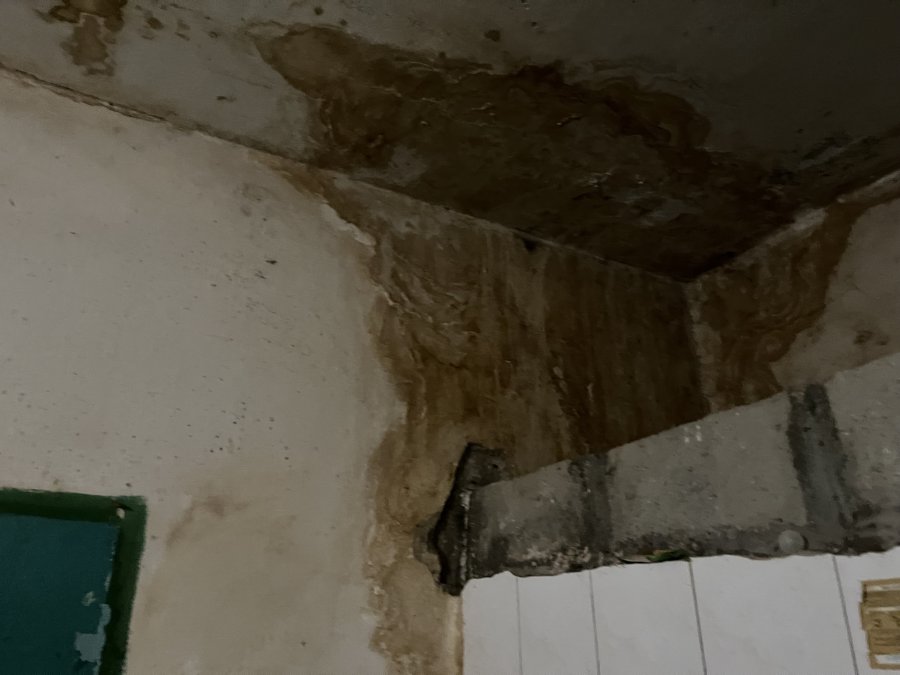
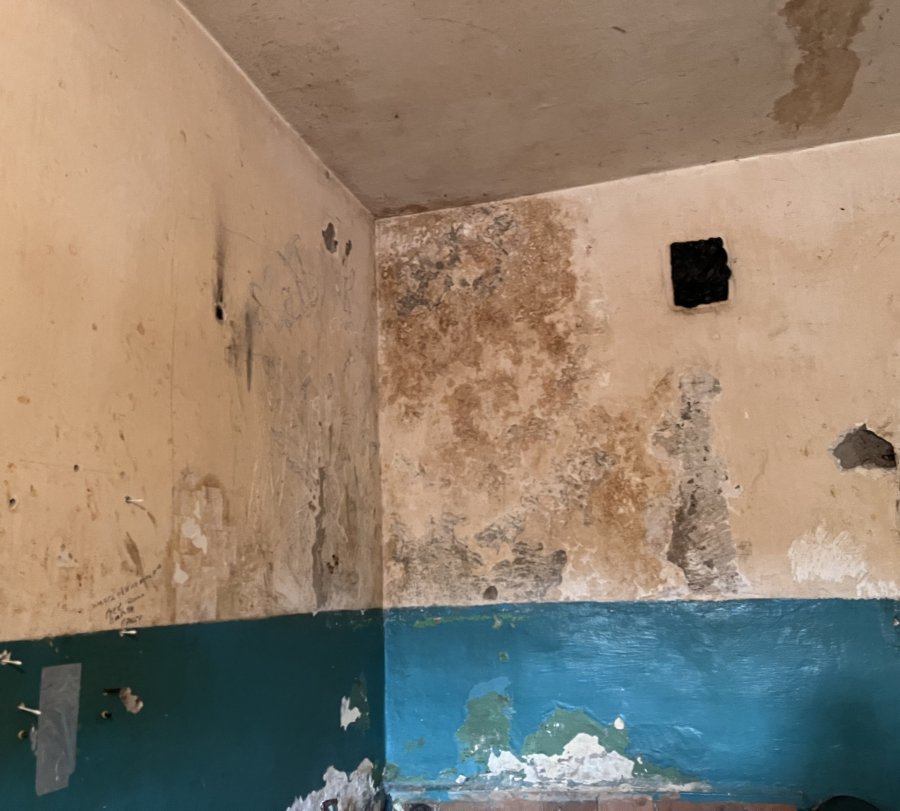
Significant clutter with personal belongings.
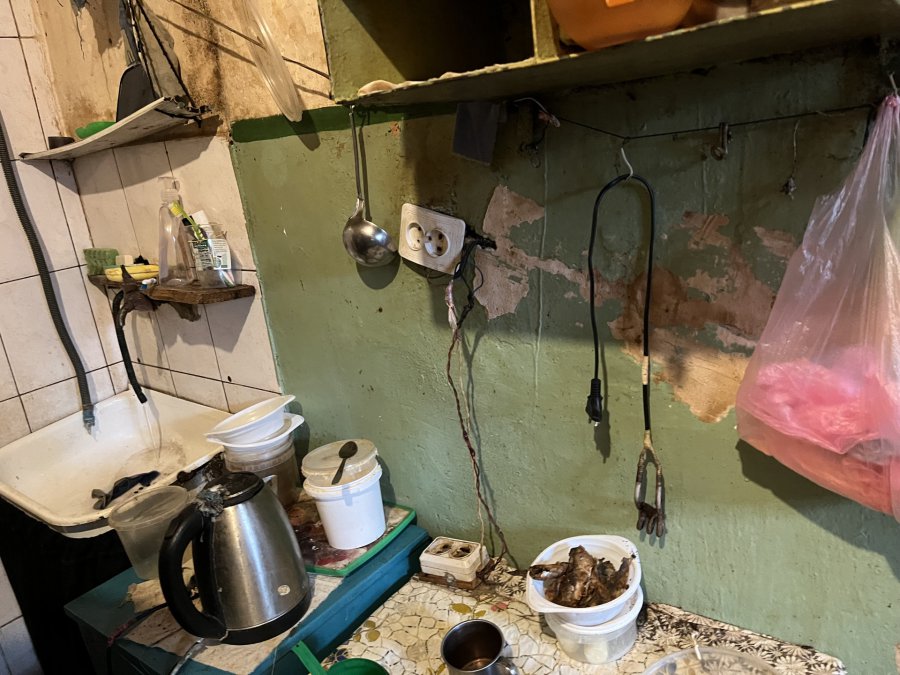
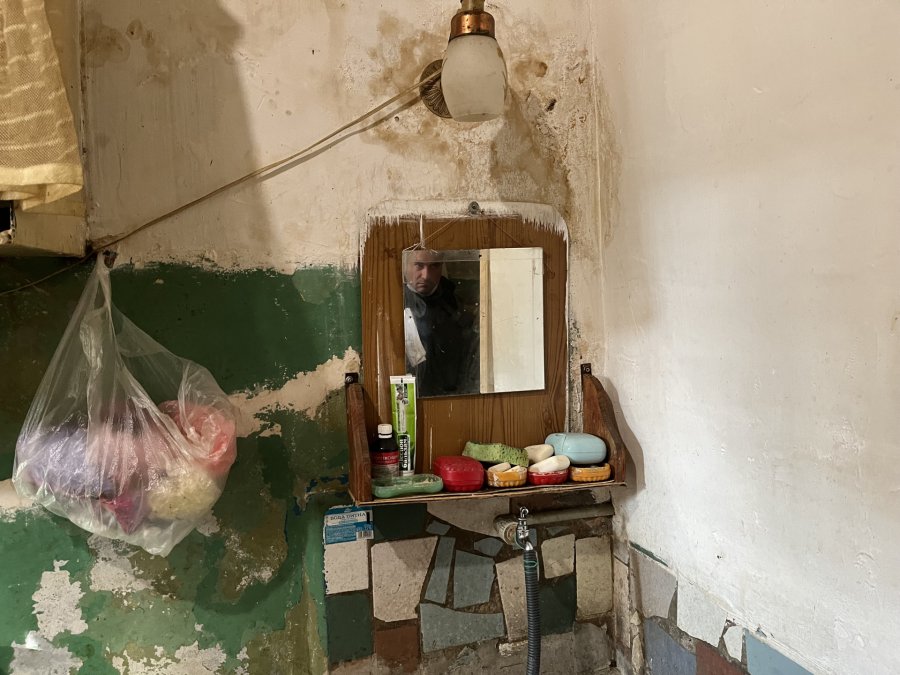
The floors and bathrooms are dirty.
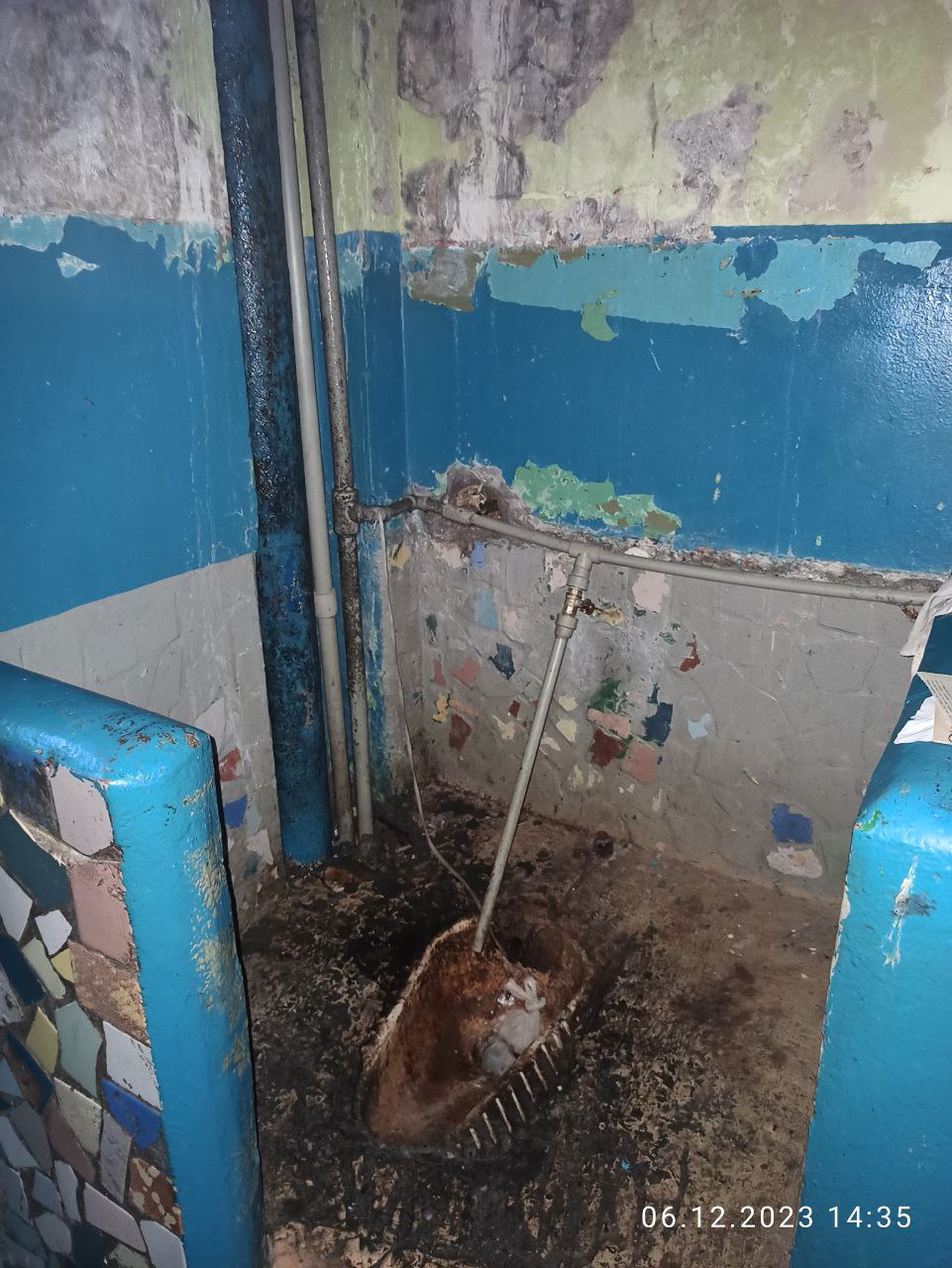
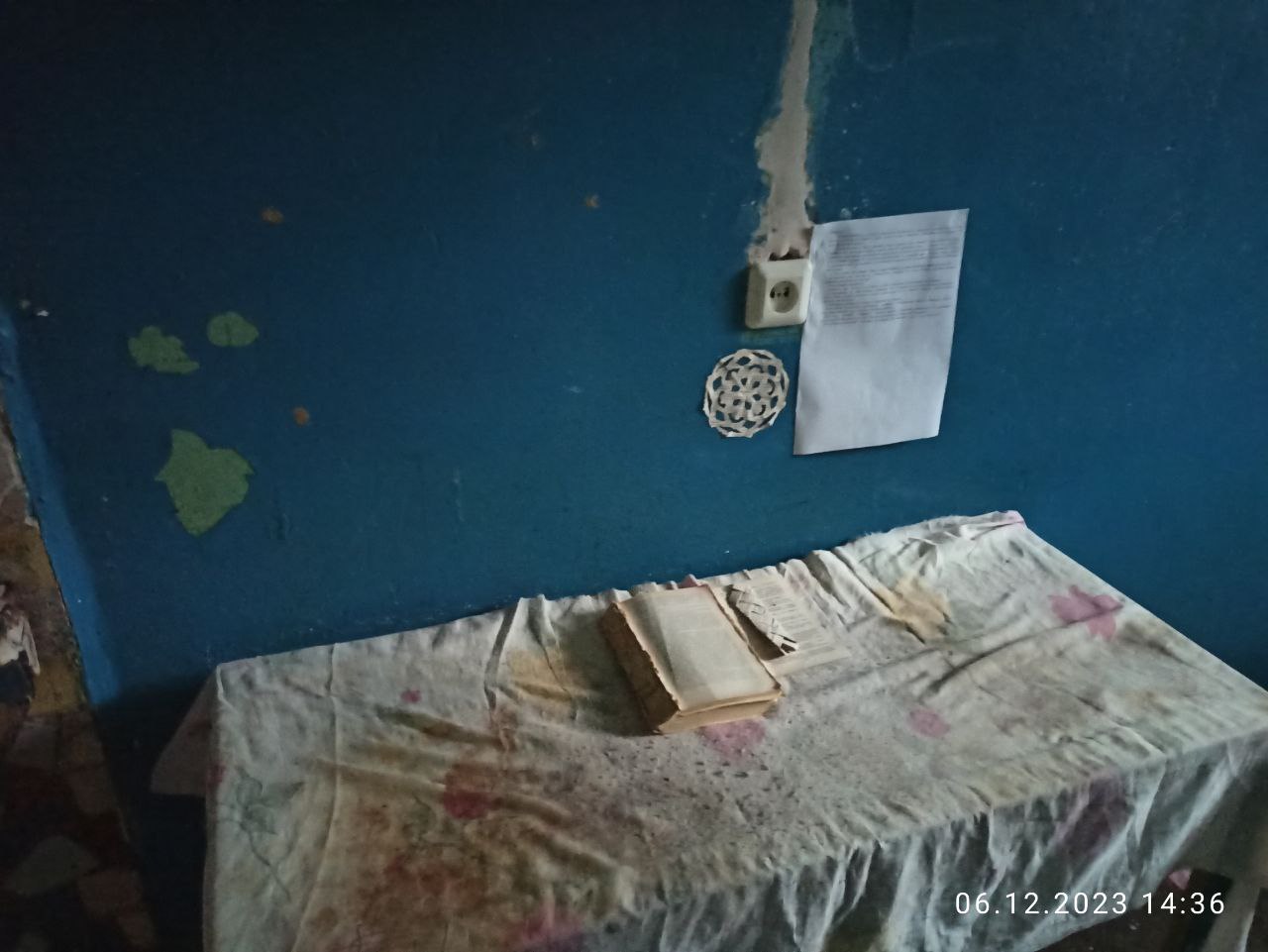
Bedding is damp, and mattresses need replacing.
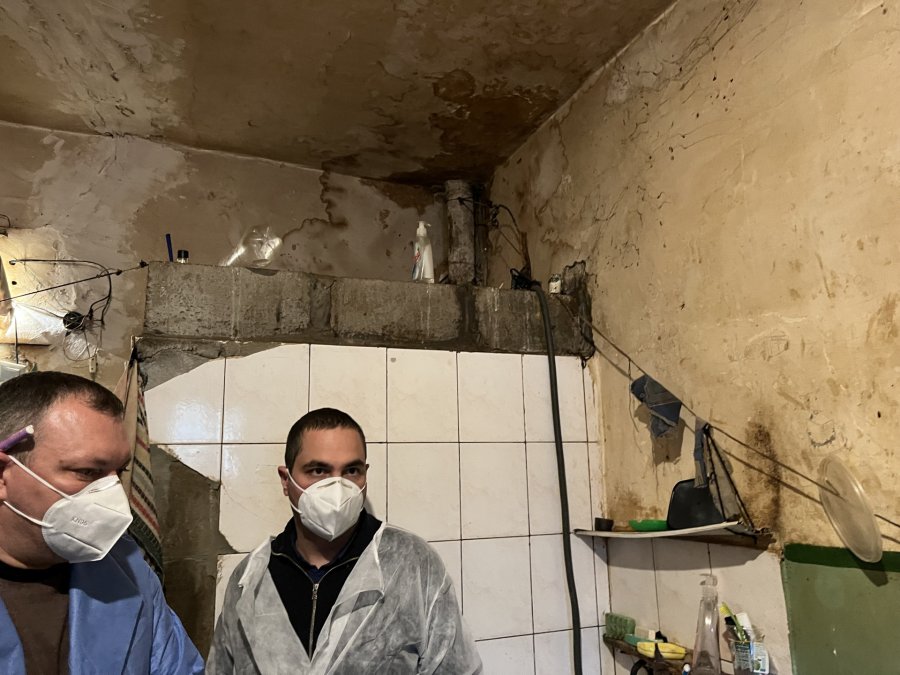
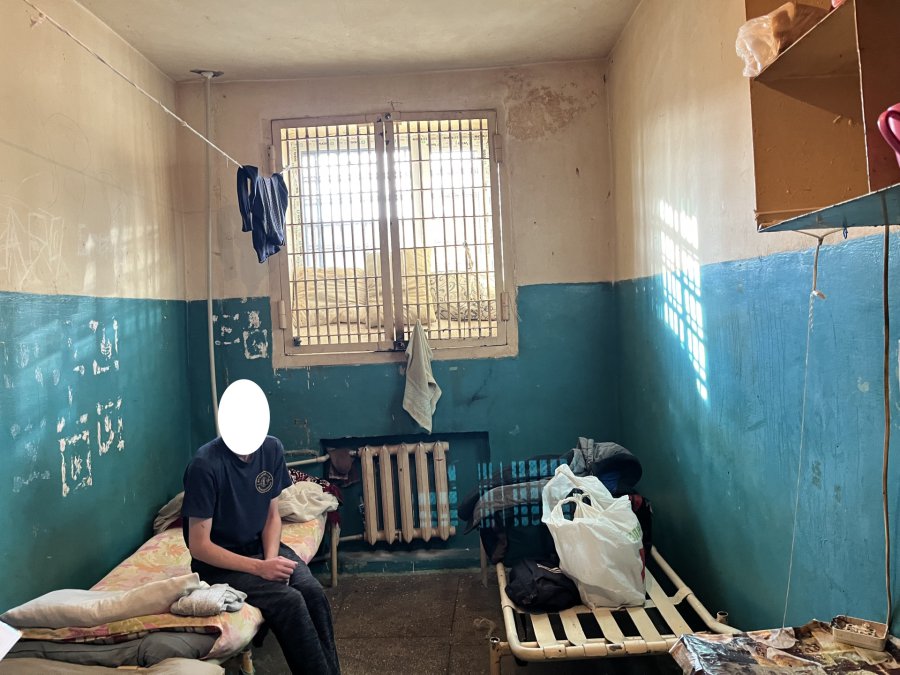
4.2 In most of the hospital’s ward-cells, the requirements regarding the standard of living space per convicted person under inpatient treatment (not less than 5 m²) are violated. The beds are placed close to one another. The standard of adequate natural lighting is not observed in the ward-cells. Artificial lighting is also insufficient.
5. Violation of the right to proper psychiatric care
The isolation ward for persons with mental disorders is not properly equipped: there is no supply-and-exhaust ventilation, there is no possibility to open the window independently, sanitary facilities are not equipped with doors, which violates the right to privacy, and there is no container with boiled drinking water.
6. Improper storage of medicines received from relatives
The medical unit lacks a separate cabinet for storing medicines received from relatives. Medicines are stored in plastic containers. Furthermore, medical documentation (medical record No. 025/o or No. 003/o) lacks the requests from relatives of convicted persons or other individuals regarding the transfer of medicines and medical devices, or they are stored separately.
7. Violation of the right of convicted persons and detainees to choose methods of treatment. Improper documentation of bodily injuries
7.1 The hospital has not organized the provision of opioid substitution therapy (hereinafter — OST) for persons with mental and behavioural disorders resulting from opioid use. Drug-dependent persons are not provided with social-psychological support, cognitive-behavioural therapy (CBT), relapse prevention, motivational interviewing, self-help groups, etc.
7.2 Medical staff do not properly complete certificates detailing the nature, size, and location of bodily injuries. The medical card number of the detainee S. is missing, which should correspond to the patient’s sequential registration number indicated in the “Register of recorded bodily injuries”. Furthermore, photo documentation of bodily injuries is carried out without including a ruler for scale to assess the size of the injuries.
8. Violation of the rights of persons with disabilities (Article 9 of the UN Convention on the Rights of Persons with Disabilities)
8.1 Dispensary monitoring is provided for four persons with disabilities. Of these, Group II — one person; Group III — three persons. Persons with disabilities do not receive proper diagnostic, treatment, and rehabilitation measures, despite information confirming persistent impairment of bodily functions caused by illnesses or the consequences of injuries, which causes limitations in normal life activities. During the review of the medical documentation of convicted persons, it was established that not all persons with disabilities have individual rehabilitation programmes (hereinafter — IRP). Moreover, the recommendations of the IRPs are not being implemented.
8.2 The institution has not created conditions for accommodating persons with disabilities. Due to the lack of an elevator and internal ramps, access to the hospital premises is difficult for persons recovering from surgery or persons with limited physical mobility.
9. Violation of fire safety rules
In the premises of the ward-cells, monitors discovered a dangerous state of electrical networks. Sockets and other devices used by convicted persons are in an unsatisfactory condition, and electrical wires are exposed, which could lead to electrocution of prisoners and poses a threat to the life and health of the detainees and staff.
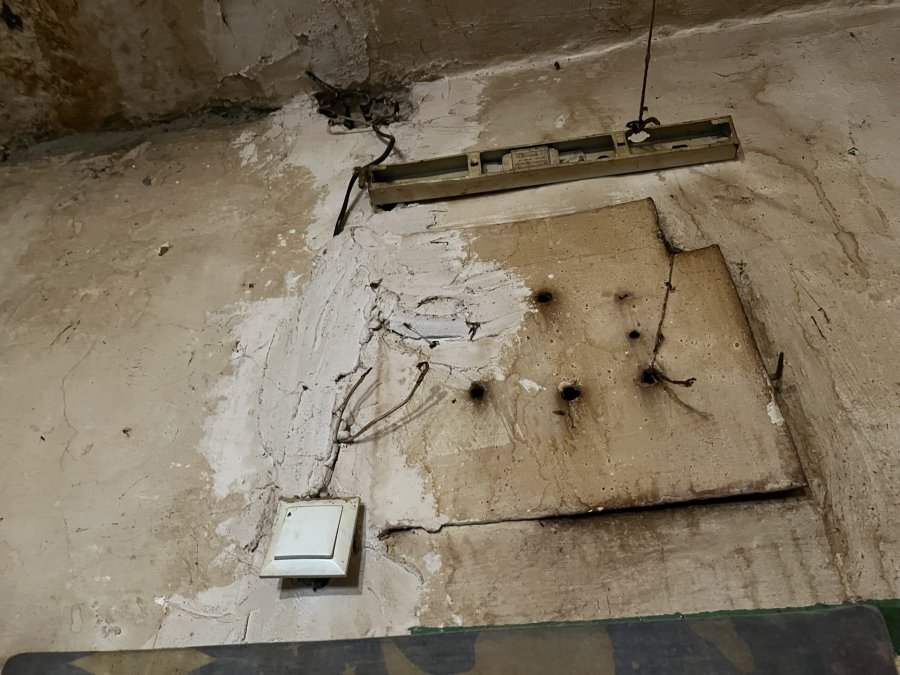
Furthermore, the hospital premises are not equipped with fire extinguishing and fire alarm systems; there are damaged sockets and exposed electrical wires.
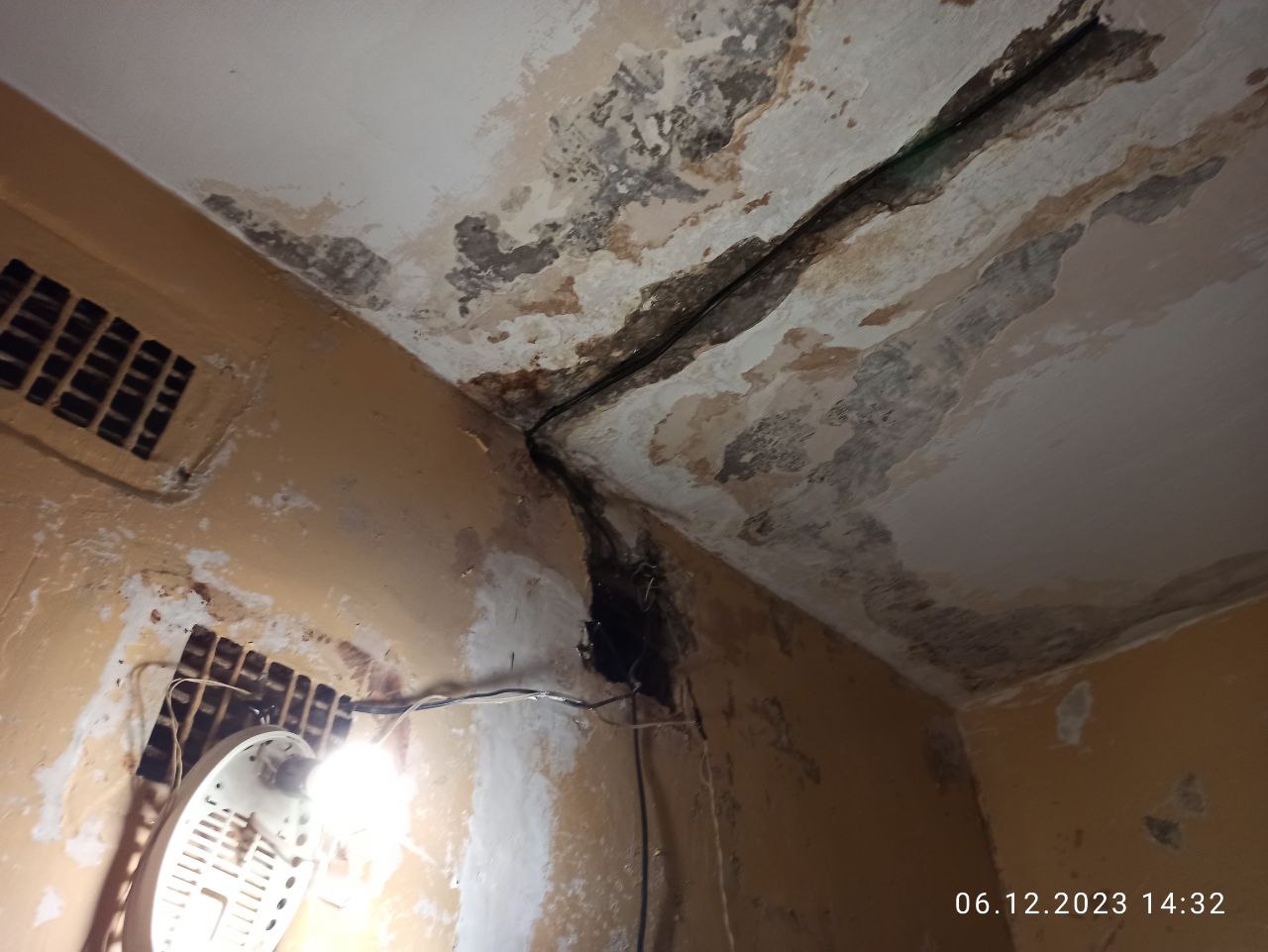
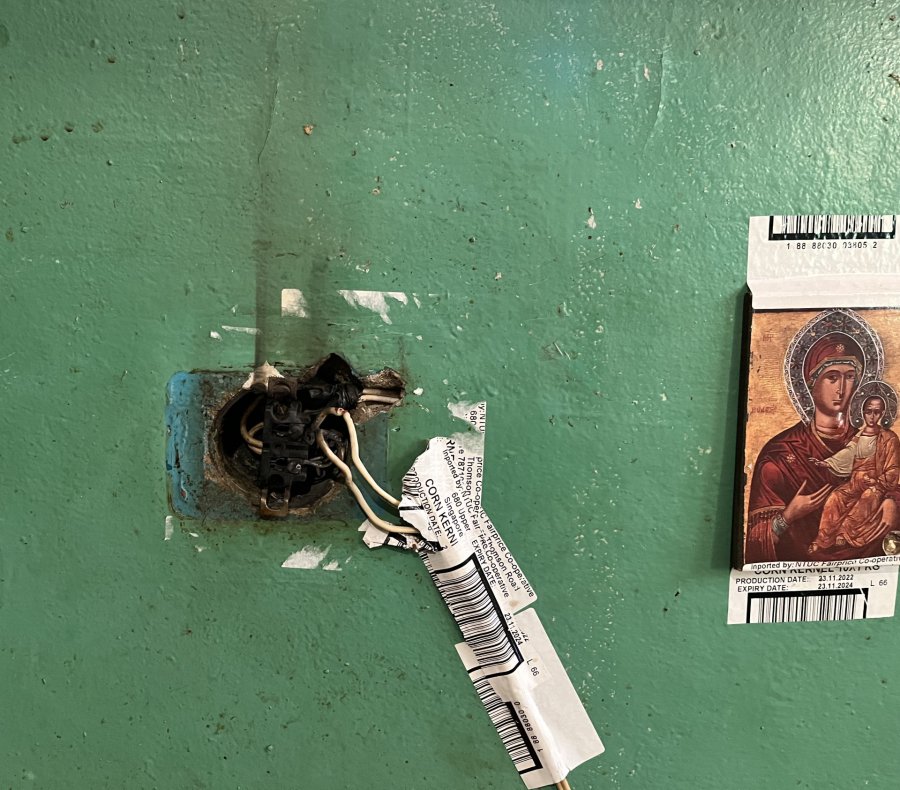
10. Other violations
10.1 Most ward-cells are in an unsanitary state, require major repairs, and have fungus on the walls, peeling plaster, and humidity.
10.2 Interviewed hospital patients reported that they cannot call home. Detainee R. (a patient) reported that during his six months in the hospital, he had no opportunity to call his relatives.
10.3 In ward-cell No. 974, the sink tap is broken; in the ward-cell of the tuberculosis department No. 813, the tap is also broken. In tuberculosis patient ward-cell No. 809, there is no water; there is not even anything to flush the toilet with.
10.4 In ward-cell No. 965, patients complained that they cannot heat water for themselves due to the lack of an immersion heater.
10.5 In ward-cell No. 959, a light brightness measurement was taken; it is very dark there — 35.1 LUX. In ward-cells No. 958 and 809, the light brightness is 35.4 LUX.
10.6 In ward-cell No. 954, patients do not have bed linen and sleep on bare mattresses. People complained that they had not been to the bathhouse for two weeks, and they are also not taken for walks.
10.7 Patients collectively complain about the lack of a shop and the inability to purchase essential items, as well as food products.
10.8 In the ward-cell, sick individuals are held together with healthy persons.
10.9 In the ward-cell for tuberculosis patients, there are complaints about cockroaches.
10.10 Tuberculosis patient ward-cell No. 805 is in a terrible state, requires repair, and has exposed wiring.
Recommendations:
To the Ministry of Justice of Ukraine: to take measures aimed at eliminating the identified human rights violations and preventing torture, other cruel, inhuman, or degrading treatment or punishment in Dnipropetrovsk Multidisciplinary Hospital No. 4 of the branch of the State Institution “Centre for Health Care of the State Criminal-Executive Service of Ukraine” in the Dnipropetrovsk and Donetsk regions.
To the State Institution “Centre for Health Care of the State Criminal-Executive Service of Ukraine”:
- Provide the hospital with necessary diagnostic equipment, including an X-ray machine;
- Carry out renovation work in the hospital premises;
- Organize the provision of opioid substitution therapy for persons who require it;
- Adhere to social distancing measures for convicted persons under quarantine restrictions, and respect the rights of convicted persons to personal space and privacy;
- Maintain medical documentation properly, in accordance with requirements;
- Provide proper dental care;
- Replace the pads for the external automated defibrillator;
- Improve the accessibility of the hospital premises for persons with reduced mobility;
- Implement the individual rehabilitation programmes for persons with disabilities;
- Comply with fire safety requirements in the hospital;
- Ensure compliance with proper sanitary and hygienic conditions in the inpatient ward;
- Equip the necessary number of isolation wards for infectious patients;
- Equip isolation wards for persons with mental and behavioural disorders in accordance with requirements;
- Ensure patients in the hospital have access to a shop.
The preventive monitoring visit to Multidisciplinary Hospital No. 4 of the State Institution “Centre for Health Care of the State Criminal-Executive Service of Ukraine in the Dnipropetrovsk and Donetsk regions” was carried out by the Kharkiv Human Rights Protection Group, EPLN, and the State Institution “Protection of Prisoners of Ukraine”. The monitoring group consisted of an assistant to a People’s Deputy of Ukraine, Kostiantyn Kasai, members of the Public Council under the Ministry of Justice of Ukraine, Serhii Zuikov, an assistant to a People’s Deputy of Ukraine, Yaroslav Yurchyshyn, the KHPG programme coordinator Andrii Didenko, as well as an expert from the working group of international partners of Ukraine on prison reform, Hugues de Suremain. The purpose of the visit: to analyse the observance of human rights in places of detention during the war. The visit was conducted within the framework of the project “Reducing the suffering of prisoners in the context of the war in Ukraine”, funded by the government of Denmark in partnership with DIGNITY — Danish Institute Against Torture.
Date of visit: 6 December 2023
Editor: Emiliia Prytkina