Report on the results of the monitoring visit to the Dnipropetrovsk Multidisciplinary Hospital No. 4
On 30 December 2024, in accordance with the Optional Protocol to the Convention against Torture and Other Cruel, Inhuman or Degrading Treatment or Punishment, taking into account the provisions of the Standard Minimum Rules for the Treatment of Prisoners and decisions of the European Court of Human Rights, and on the basis of Article 24 of the Criminal Executive Code of Ukraine — ‘Visiting of penal institutions’, a monitoring group from the Kharkiv Human Rights Protection Group and the NGO ‘Prisoners’ Rights Protection of Ukraine’ carried out a visit to the state institution ‘Dniprovska Multidisciplinary Hospital No. 4’ of the branch of the State Institution ‘Healthcare Centre of the State Criminal-Executive Service of Ukraine’ in the Dnipropetrovsk and Donetsk regions (hereinafter referred to as the hospital, the institution, or the facility).
The visit was planned and conducted without prior notice. During the preparation for the visit, the monitors used materials from complaints submitted by convicts and their relatives.
The visit was conducted within the framework of the project ‘Reducing prisoner suffering in the context of the war in Ukraine’, funded by the government of Denmark in partnership with DIGNITY — Danish Institute Against Torture.
The visit was carried out by the following monitors:
- Andrii Didenko — Assistant to the People’s Deputy of Ukraine Yaroslav Yurchyshyn, programme coordinator for the Kharkiv Human Rights Protection Group, with monitoring visit experience since 2014;
- Serhii Zuikov — Assistant to the People’s Deputy of Ukraine Kostiantyn Kasai, member of the public council under the Ministry of Justice of Ukraine, member of the NGO ‘Prisoners’ Rights Protection of Ukraine’, with many years of experience in monitoring visits.
General Information
The Head of the Dnipropetrovsk Multidisciplinary Hospital No. 4 of the branch of the State Institution ‘Healthcare Centre of the State Criminal-Executive Service of Ukraine’ in the Dnipropetrovsk and Donetsk regions is I. I. Bohdan.
The Dniprovska Multidisciplinary Hospital No. 4 of the branch of the State Institution ‘Healthcare Centre of the State Criminal-Executive Service of Ukraine’ in the Dnipropetrovsk and Donetsk regions (hereinafter — the hospital) has a capacity of 130 beds. The hospital consists of: a therapeutic department (60 beds), a neurological department (30 beds), a surgical department (40 beds), an outpatient preventive department, a clinical-diagnostic laboratory, and a pharmacy.
Vacant positions: Head of the therapeutic department — 1 position; physician (therapist) — 1 position; inpatient nurse (therapeutic department) — 0.5 position; surgeon — 2.75 positions; anaesthesiologist (surgical department) — 0.5 position; anaesthetic nurse (surgical department) — 0.5 position; operating nurse (surgical department) — 0.5 position; inpatient nurse (surgical department) — 0.5 position; narcologist (outpatient/polyclinic department) — 0.5 position; infectious disease physician (infectious diseases office) — 1 position; phthisiologist (tuberculosis specialist) — 2 positions; Head of the clinical-diagnostic laboratory — 1 position; laboratory physician (clinical-diagnostic laboratory) — 0.5 position.
The hospital operates a Medical Advisory Commission (MAC) to refer patients to the Medical and Social Expert Commission (MSEC) for the determination of the degree of temporary and permanent loss of work capacity of convicts. Over the 12 months of 2024, documents for 89 persons were referred and submitted to the MSEC at their place of incarceration. The MSEC granted a Group III disability status to 6 persons, of whom: 1 person for the first time, and 5 persons upon re-examination.
Work of the Medical Advisory Commission (MAC) over the 12 months of 2024:
Cases reviewed by the MAC — 14; rejected by the MAC — 2; died before submission of materials to the court — 2; materials submitted to the court — 9; died during court consideration — 0; released by court order — 8; of whom died within 7 days — 1; refused release by the court — 3; of whom died — 0; currently under court consideration — 0.
Facts discovered during the visit
During the visit, deficiencies were identified in the operation of the Dnipropetrovsk Multidisciplinary Hospital No. 4 that lead to violations of the rights of convicts and detainees during the provision of medical care in the hospital and the outpatient preventive department, in particular:
1. The hospital lacks a licence to carry out activities related to the circulation of narcotic drugs, psychotropic substances, and precursors, which makes it impossible to perform major surgical operations.
2. The hospital has not organised the provision of Opioid Substitution Therapy (OST) for persons with mental and behavioural disorders resulting from opioid use, in accordance with the ‘Procedure for conducting opioid substitution therapy for persons with mental and behavioural disorders resulting from opioid use’, approved by the Order of the Ministry of Health of Ukraine dated 27.03.2012 No. 200.
Drug-dependent persons are not provided with social-psychological support, Cognitive Behavioural Therapy (CBT), relapse prevention, motivational interviewing, self-help groups, etc.
Thus, these individuals are deprived of the opportunity to receive OST, which violates their right to choose treatment methods in accordance with Article 38 of the Law of Ukraine ‘Fundamentals of the Healthcare Legislation of Ukraine’.
At the same time, the European Committee for the Prevention of Torture and Inhuman or Degrading Treatment or Punishment (hereinafter — the Committee) noted in its report on the visit to Ukraine in 2023 that entry into a penitentiary institution is an opportunity to resolve a drug-related problem, and therefore it is important that appropriate assistance is offered to all interested persons; consequently, appropriate medical care must be available in all institutions.
The assistance offered to such persons must be varied; substitution therapy programmes for persons with drug dependence must be combined with genuine psychosocial and educational programmes for persons with opioid dependence who are unable to stop using drugs.
Furthermore, access to OST programmes in institutions should be easily available, and they should also be managed by prison doctors who have undergone special training on issues related to drug use (CPT/Inf (2024) 20, paragraph 86).
In addition, the hospital lacks the medical drug ‘Naloxone’, which makes it impossible to provide emergency medical care in cases of opioid overdoses.
3. In violation of the requirements of paragraph 5 of Chapter 5 of Section II of the ‘Procedure for organizing the provision of medical care to persons sentenced to imprisonment’, approved by the Order of the Ministry of Justice of Ukraine and the Ministry of Health of Ukraine dated 15 August 2014 No. 1348/5/572 (hereinafter — the Procedure), not all patients undergoing inpatient treatment at the hospital have Form No. 003/o ‘Inpatient Medical Record’, approved by the Order of the Ministry of Health of Ukraine dated 14.02.2012 No. 110, established for them. This document should contain all data regarding treatment and diagnostics in the inpatient setting, including those obtained during the examination of the convicted patient, along with a prescription sheet.
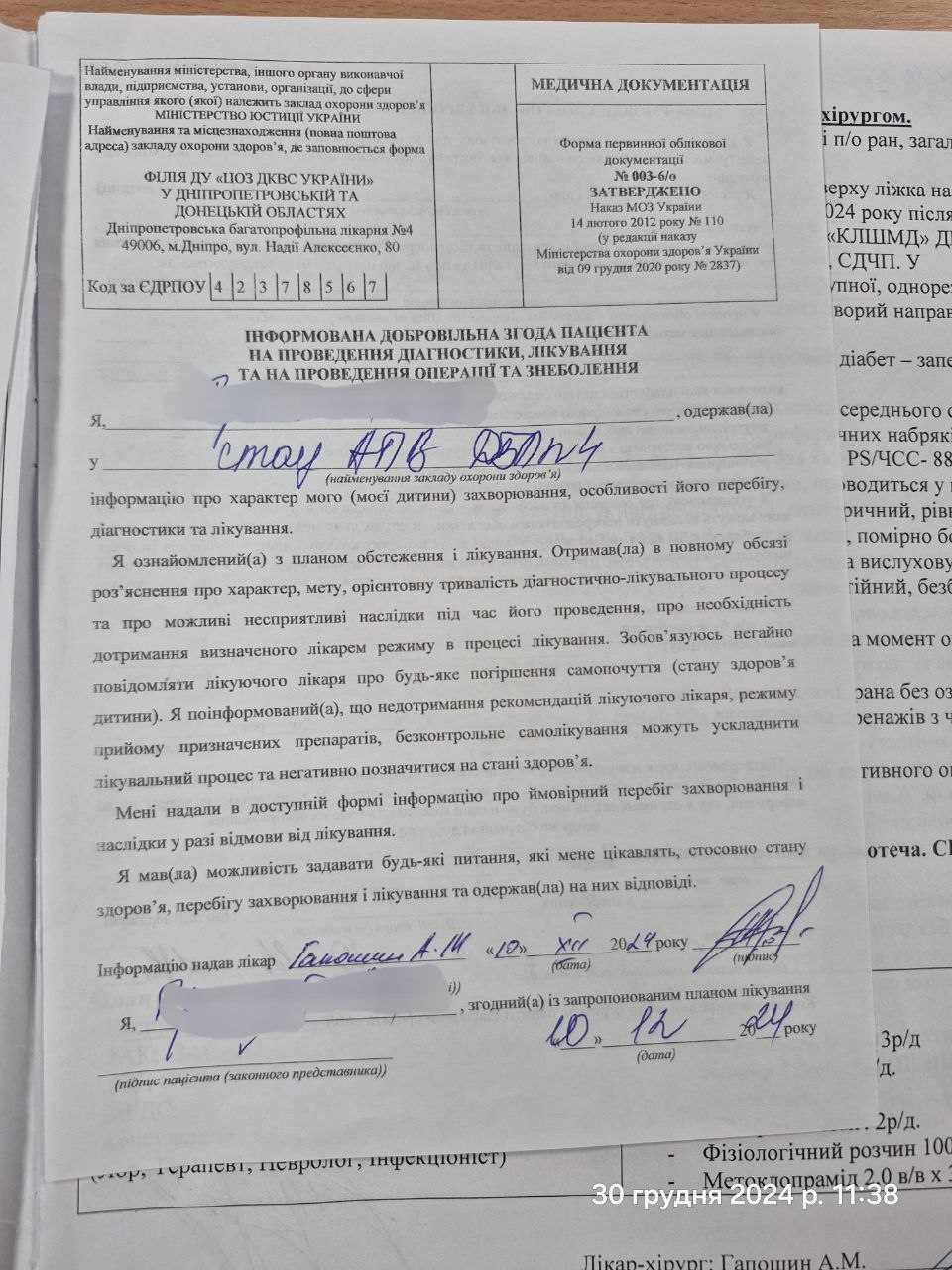
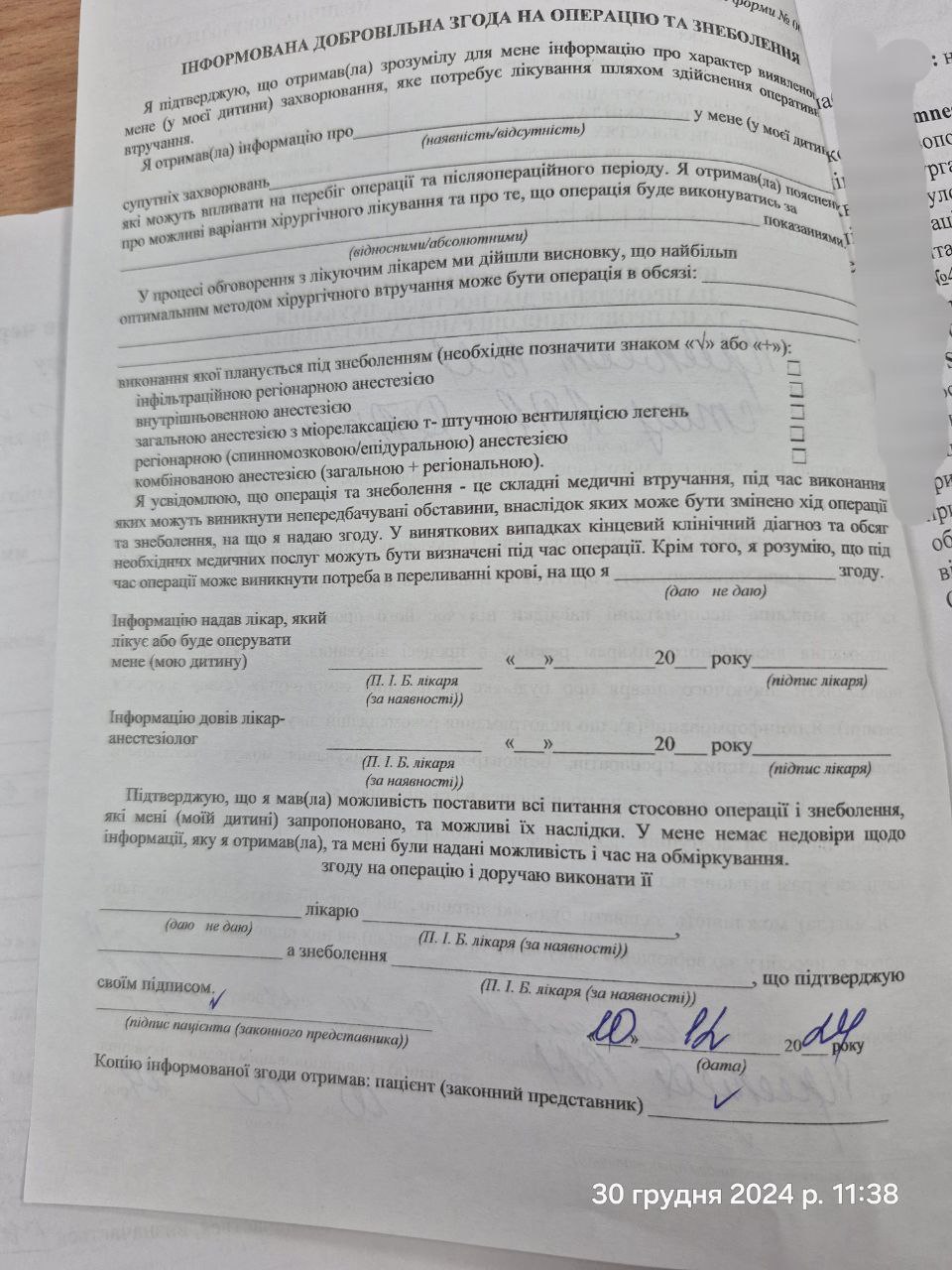
4. In violation of the requirements of the ‘Instruction on filling out the primary accounting form No. 003-6/o ‘Informed voluntary consent of the patient to diagnosis, treatment, and surgery and anaesthesia and to the presence or participation of participants in the educational process’, approved by the Order of the Ministry of Health of Ukraine dated 14.02.2012 No. 110, it was established that informed voluntary consent forms for diagnosis and treatment were not signed by patients who were in the hospital’s inpatient unit.
This may indicate the absence of voluntary consent from patients for the application of diagnostic, preventive, and treatment methods, which is a violation of Article 43 of the Law of Ukraine ‘Fundamentals of the Healthcare Legislation of Ukraine’ and paragraph 47 of the Committee’s recommendations (CPT/Inf(93)12-part).
5. In violation of the first part of Article 115 of the Criminal Executive Code of Ukraine, the requirements regarding the standard of living space per convict in inpatient treatment conditions (not less than 5 m²) are violated in the hospital wards. For instance, in ward No. 969, where 4 convicted persons were accommodated, the floor area according to the living space measurement report is 12.8 m². Thus, the actual area per convicted person was 3.2 m².
A similar violation was established in wards No. 959, 826, 823. Furthermore, it was established that in wards No. 816, 823, 826, 952, 953, 955, 959, 965, 969, 973, 970, the actual number of bed spaces exceeds the permissible limit required to ensure the floor space standard stipulated by law. This violation creates conditions for possible abuses by the institution’s management and hospital staff regarding adherence to the living space standard per convict under inpatient treatment conditions and does not provide proper personal space for persons in the inpatient wards.
At the same time, paragraph 13 of the Committee’s 7th General Report states that the problem of overcrowded cell accommodation leads to unhygienic conditions, a constant lack of privacy, and the overloading of medical services and the institution’s infrastructure. The Committee concludes that quite often the negative impact of overcrowding has resulted in inhuman or degrading conditions of detention for prisoners (CPT/Inf (97) 10).
6. In violation of the requirements of paragraph 7 of Chapter 2 of Section III of the Procedure, convicted patients are placed in ward-cells not on the basis of a confirmed diagnosis and the medical personnel’s decision to refer them to a specialised hospital department, but by the decision of the institution’s staff.
7. The procedure for admitting detainees and convicts to the institution does not fully comply with the requirements of Chapter 2 of Section II of the ‘Internal Regulations of pre-trial detention centres of the State Criminal-Executive Service of Ukraine’, approved by the Order of the Ministry of Justice of Ukraine dated 14.06.2019 No. 1769/5 (hereinafter — IRR SIZO). Specifically, during the visit to the premises of the intake department, it was established that the medical examination of new arrivals was conducted in conditions that do not ensure privacy and confidentiality, in particular, in the room for the temporary stay of persons taken into custody and in the presence of institution staff.
This indicates that institution employees and other persons among the detainees and convicts obtain confidential information about the health status of these individuals during the medical examination. This violates the requirements of paragraph 7 of Chapter 2 of Section X of the IRR SIZO, Article 39-1 of the Law of Ukraine ‘Fundamentals of the Healthcare Legislation of Ukraine’ regarding the right of individuals to confidentiality regarding their health status, and paragraph 9 of Section I of the ‘Procedure for organizing the provision of medical care to persons sentenced to imprisonment’, approved by the joint Order of the Ministry of Justice of Ukraine and the Ministry of Health of Ukraine dated 15.08.2014 No. 1348/5/572.
8. According to paragraph 10 of Chapter 2 of Section IX of the IRR SIZO, persons left in the pre-trial detention centre for maintenance work are subject to mandatory preventive medical examination in accordance with the requirements of the Resolution of the Cabinet of Ministers of Ukraine dated 23 May 2001 No. 559 ‘On approval of the list of professions, industries and organizations whose employees are subject to mandatory preventive medical examinations, the procedure for conducting these examinations and issuing personal medical books’. For every convict of this category, Form No. 1-OMK ‘Personal medical book’ must be established, as approved by the Order of the Ministry of Health of Ukraine dated 21 February 2013 No. 150, registered with the Ministry of Justice of Ukraine on 23 April 2013 under No. 662/23194.
However, the monitoring group recorded the absence of personal medical books for some catering staff and the absence of results of examinations in the medical documentation conducted by specialist doctors (including laboratory, clinical, and other tests) required for admission to work in food facilities.
9. During the inspection of the solitary confinement/punishment cells, the monitors established that when a convict is placed in a punishment cell, it is standard practice to attach a doctor’s conclusion to the case file stating the health status, according to which the convict is fit to be held in the punishment cell. The facts discovered show that institution employees possess confidential information regarding the health status of convicts held in the punishment cell.
This violates the requirements of Article 39-1 of the Law of Ukraine ‘Fundamentals of the Healthcare Legislation of Ukraine’ regarding the right of persons to confidentiality about their health status. Furthermore, the Committee has repeatedly emphasised that the obligation of prison doctors to certify the fitness of convicts for disciplinary punishment is unlikely to contribute to the development of a positive doctor-patient relationship.
In principle, medical personnel should never participate in any part of the decision-making process regarding the application of any form of solitary confinement, unless this measure is applied for medical reasons.
On the other hand, medical personnel should be very attentive to the health of convicts in solitary confinement. Medical personnel must be informed immediately about every such placement and must visit the convict immediately after placement, and then regularly, at least once a day, and provide prompt medical care and treatment if necessary.
Medical personnel should report to the institution's administration if the health of the convict is under serious threat due to solitary confinement (CPT/Inf (2024) 20, paragraph 104).
In addition, the above contradicts paragraphs 43.2 and 43.3 of the European Prison Rules.
10. In violation of paragraph 9 of the ‘Rules for the use of physical restraint and (or) isolation in the provision of psychiatric care to persons suffering from mental disorders’, approved by the Order of the Ministry of Health of Ukraine dated 24 March 2016 No. 240, registered with the Ministry of Justice of Ukraine on 15 April 2016 under No. 570/28700, and paragraph 8.3.4 of the State Building Norms of Ukraine V.2.2-10:2022 ‘Healthcare facilities’, the isolation ward for persons with mental health disorders does not meet the established requirements.
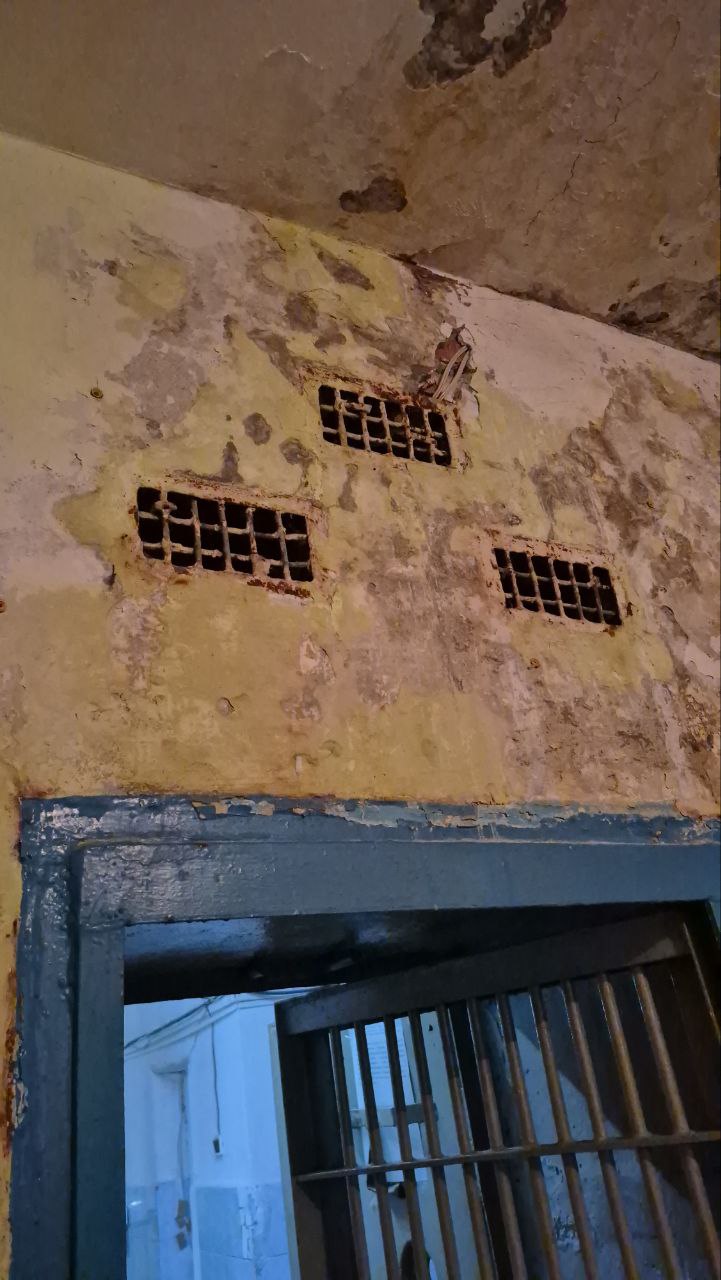
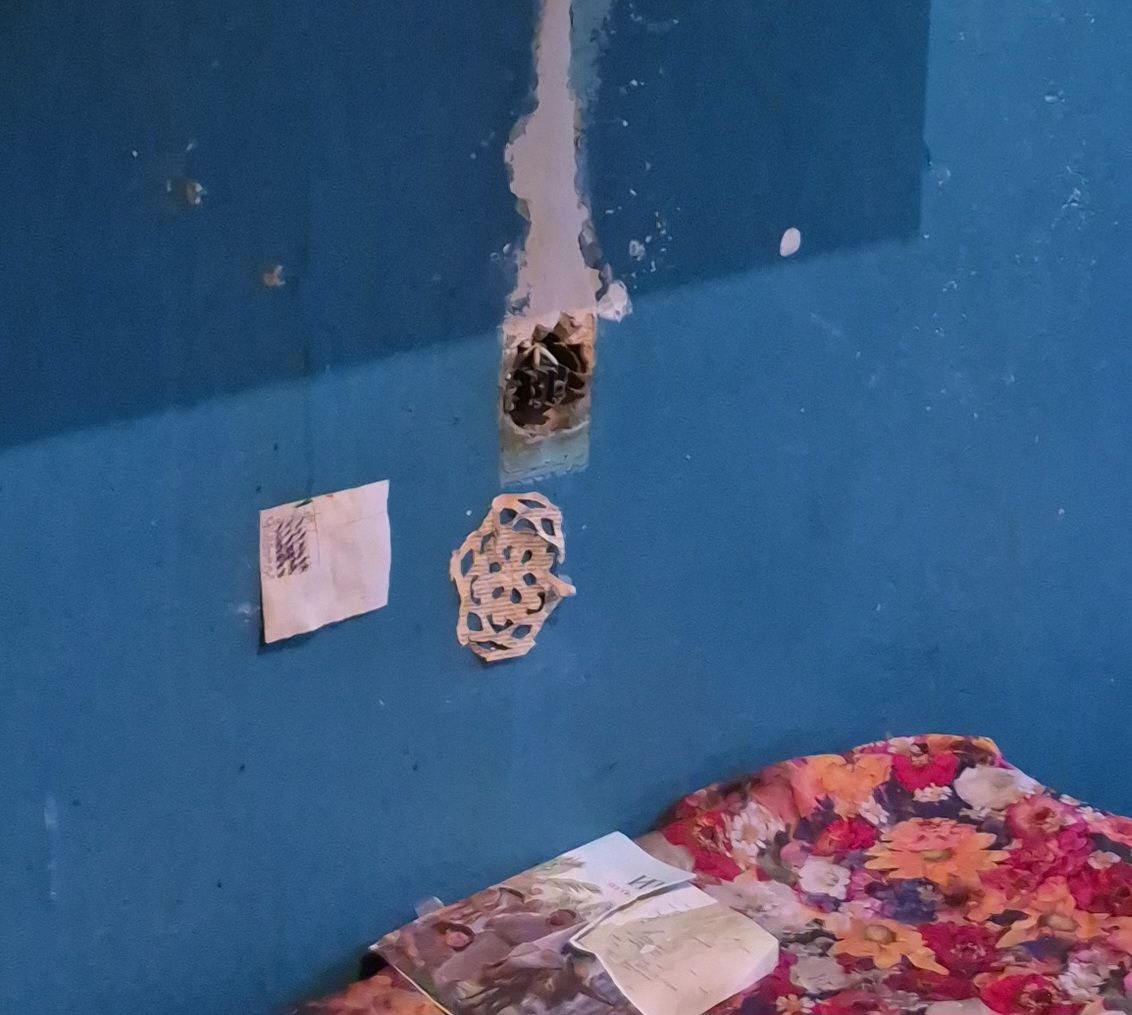
The facility is designed for more than one person, which contradicts the principles of isolation. The furniture has sharp corners, which poses a potential danger to patients. The sanitary facility does not meet hygienic standards; it is not equipped with doors or sufficient partitions, which makes privacy impossible. There is no container with boiled drinking water. Bedding and mattresses require replacement, and due to excessive humidity and leaks, mould has formed on the ceilings and walls, which negatively affects sanitary conditions and the health of patients.
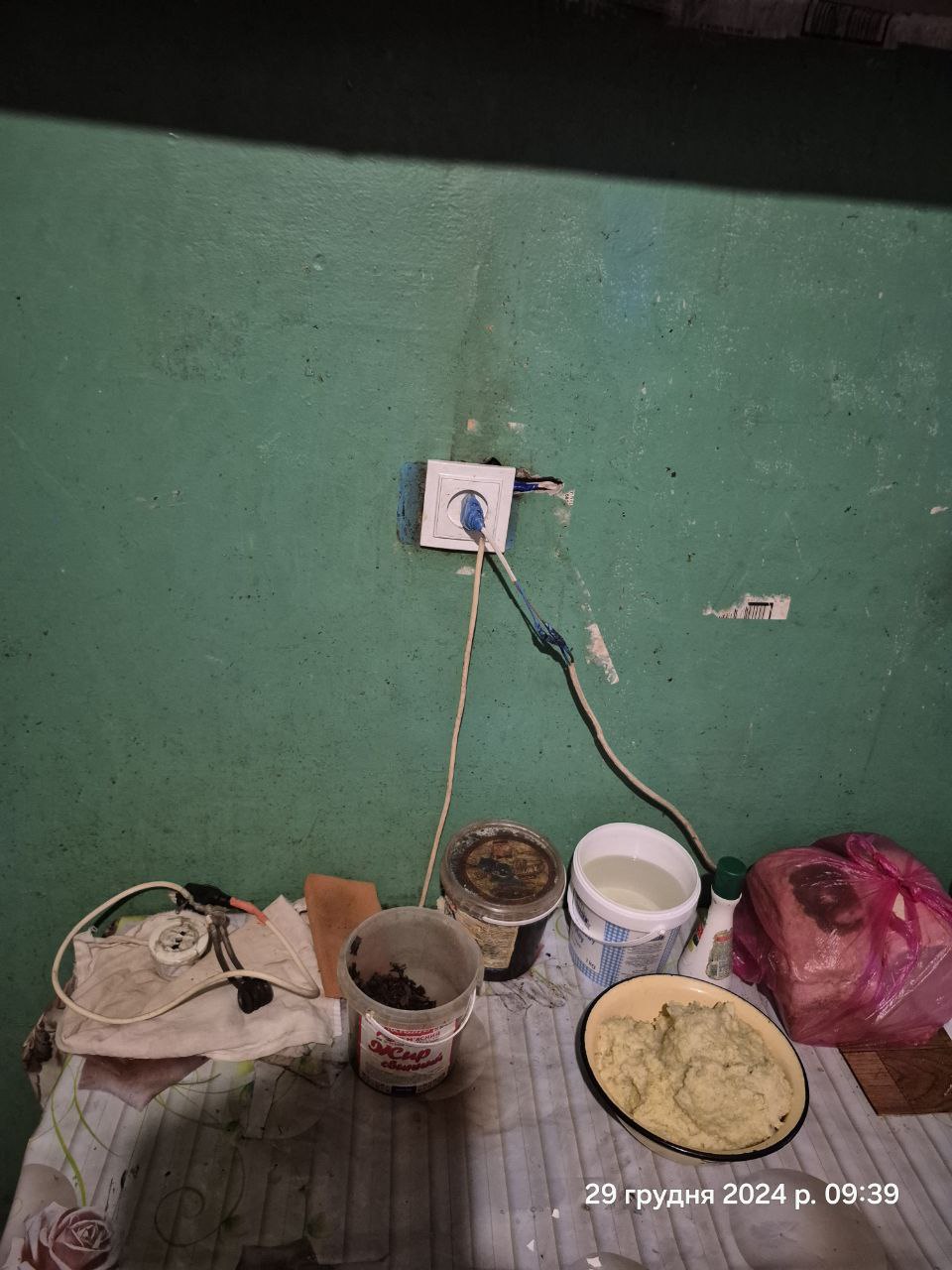
Furthermore, the requirements of the ‘Fire Safety Rules in Ukraine’, approved by the Order of the Ministry of Internal Affairs of Ukraine dated 30.12.2014 No. 1417, are violated. Specifically, a socket in the room is in an unsatisfactory technical condition, and electric wires lack proper insulation. These deficiencies create a risk of electric shock for the detained persons and medical personnel, which poses a serious danger to their lives and health.

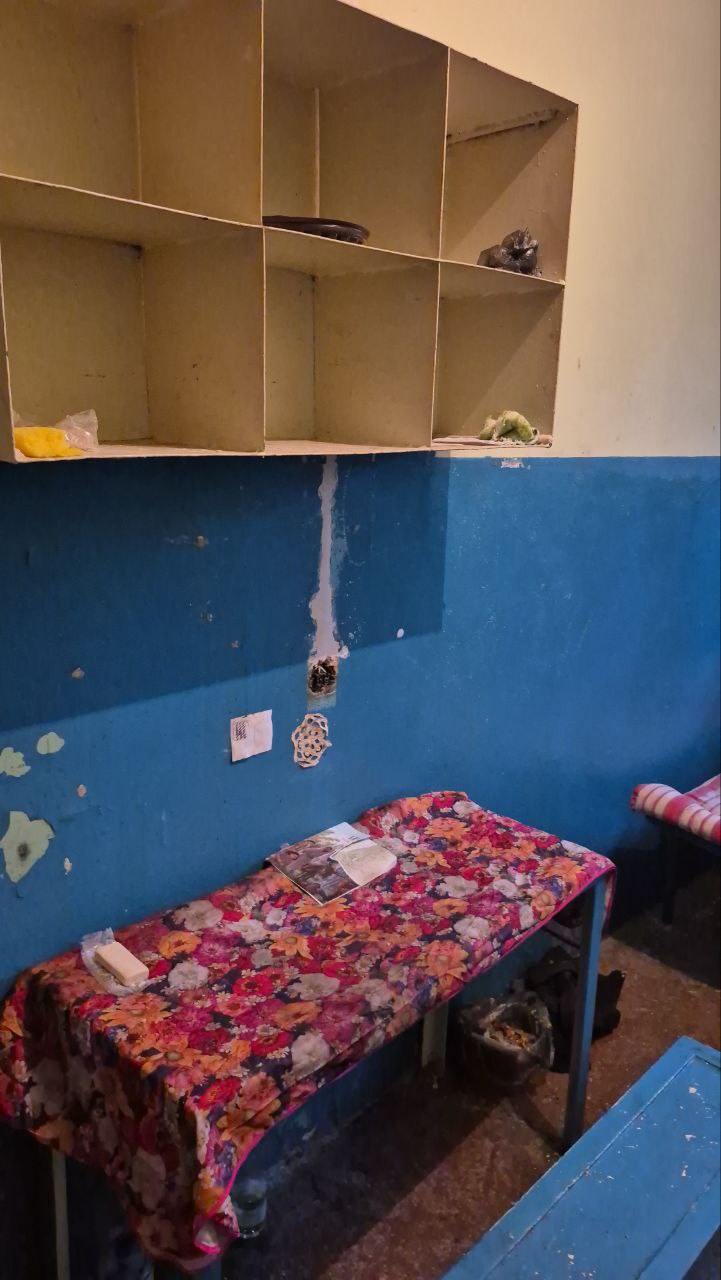
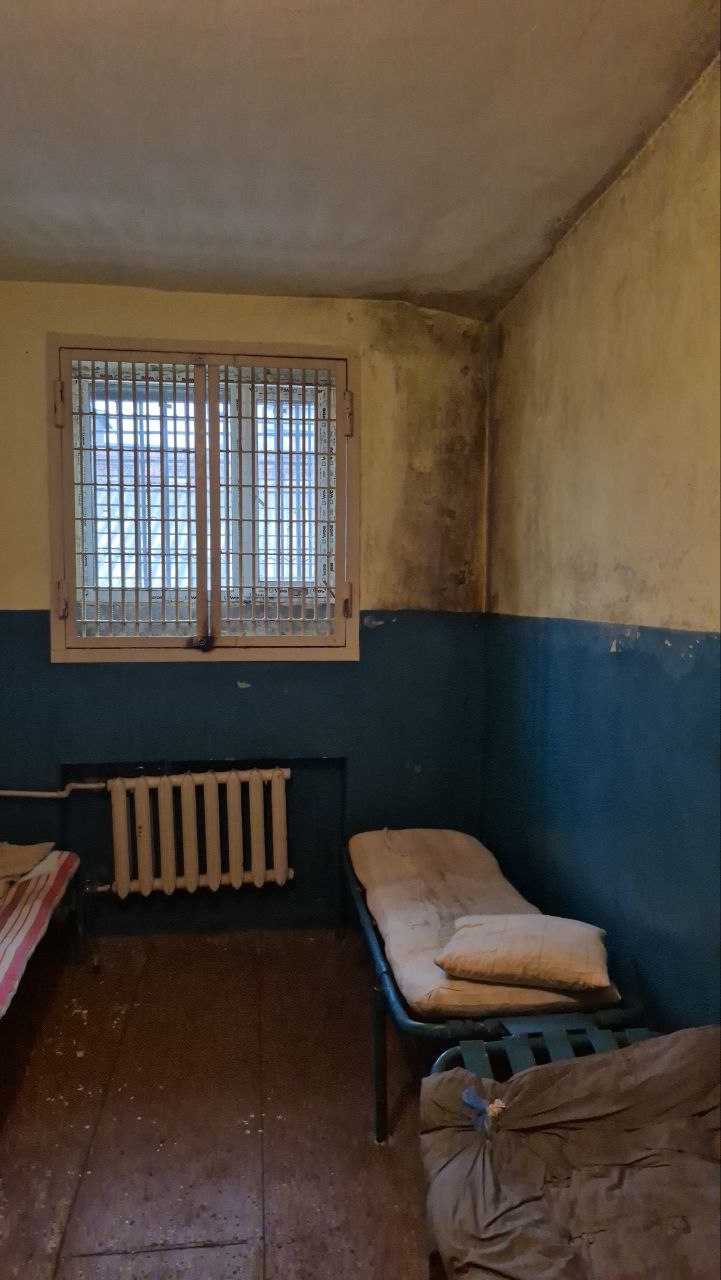
11. In violation of the first and second parts of Article 115 of the Criminal Executive Code of Ukraine, most of the inspected ward premises require renovation work, including the replacement of sanitary equipment and electrical wiring. In some wards, there is an unpleasant odour, poor sanitation; the walls of some rooms are covered with mould due to water leaks, the washing and drying of personal clothing, cluttering with personal belongings and rubbish; the floors and bathrooms are dirty; bedding, pillows, and mattresses need to be replaced. The bathrooms are not equipped with toilet bowls and lack doors and sufficient partitions to ensure privacy, which is a violation of Rule 19.3 of the European Prison Rules.
In violation of the requirements of Rule 22.5 of the European Prison Rules and the Provision Standards, the premises are not provided with containers for drinking water. Sufficient levels of natural light are not ensured in the rooms.
The above does not comply with paragraph 53 of the Committee’s recommendations (CPT/Inf(93)12-part) and paragraphs 13, 14, and 15 of the United Nations Standard Minimum Rules for the Treatment of Prisoners (the Nelson Mandela Rules).
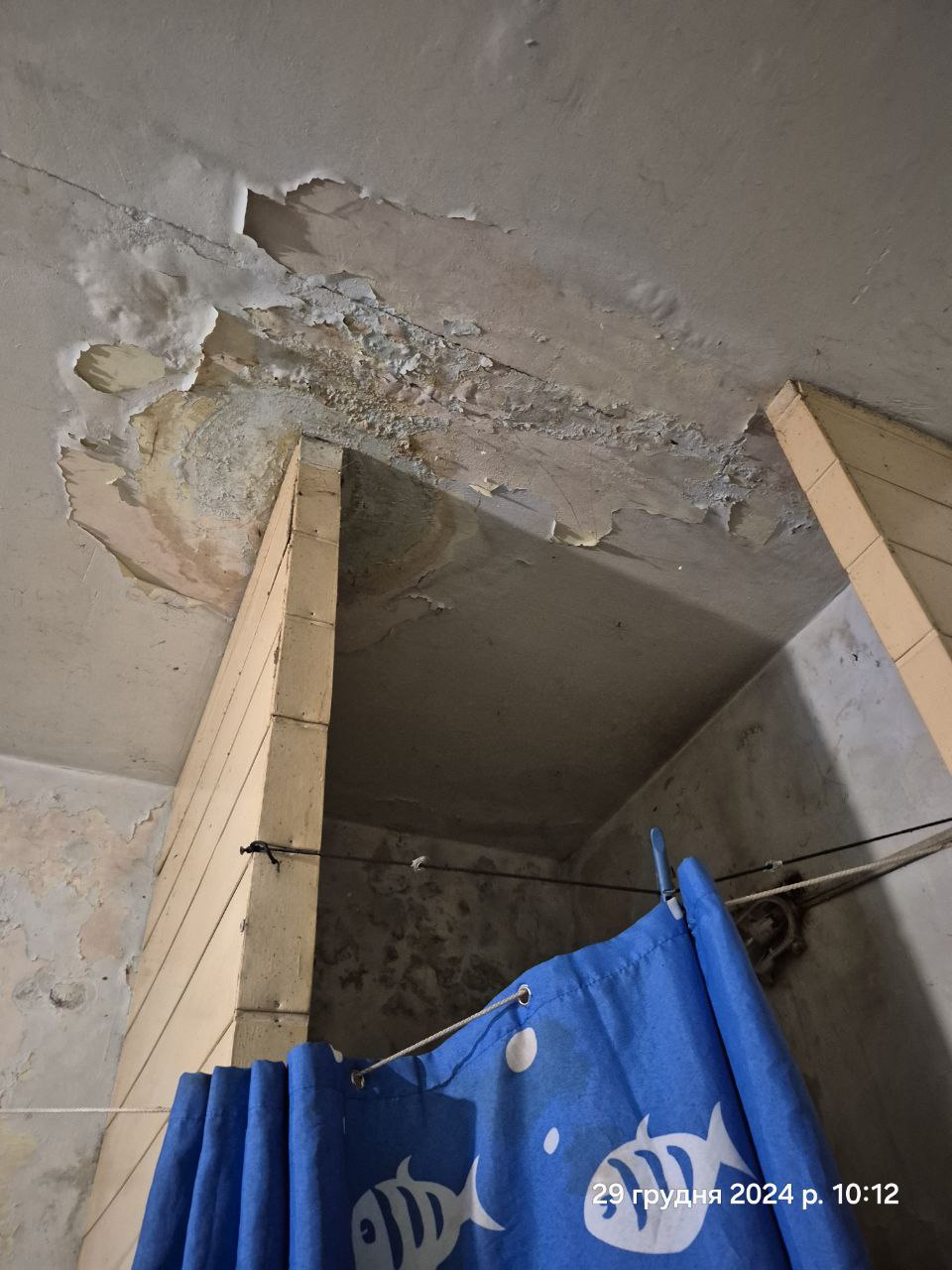
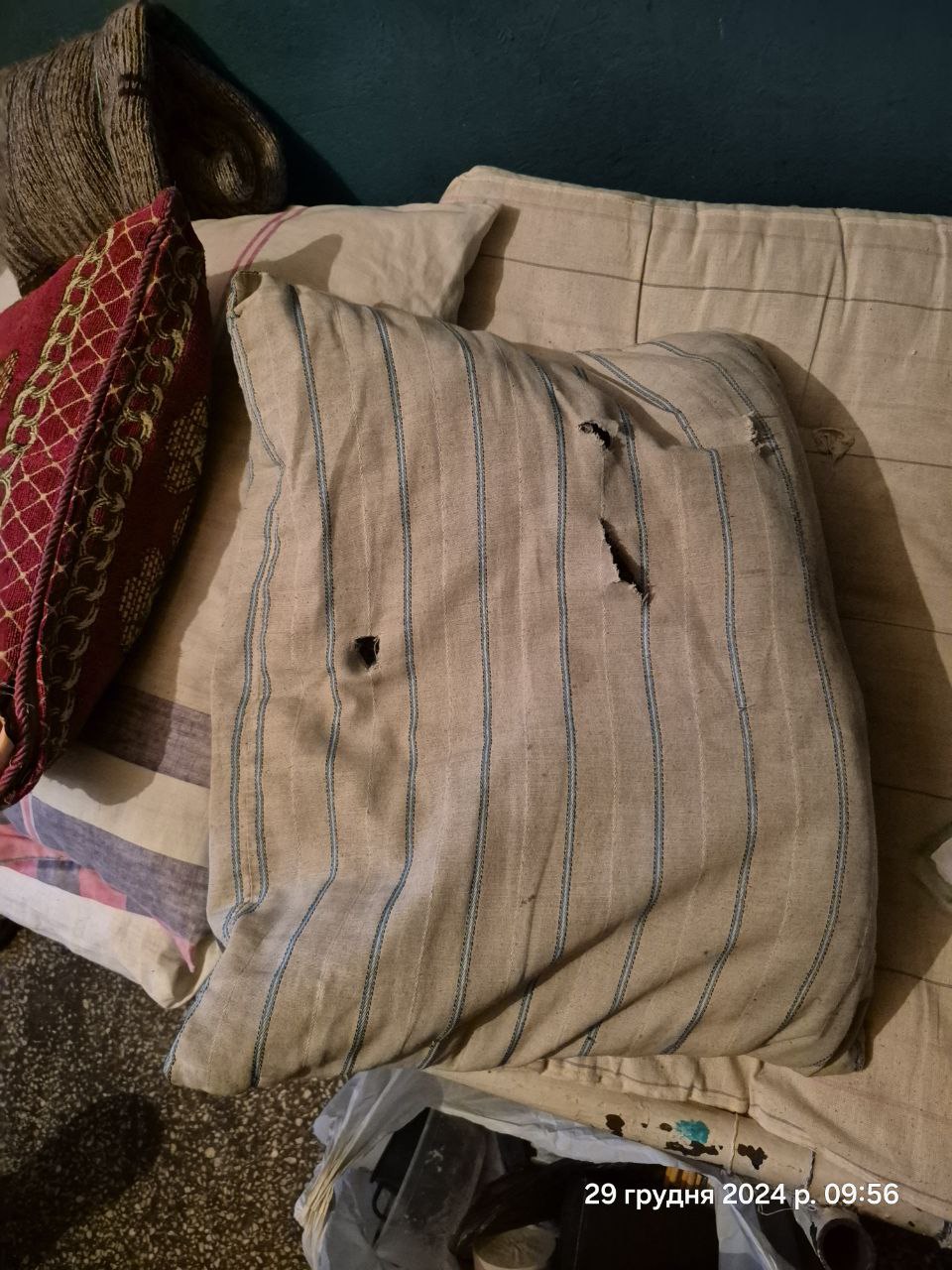
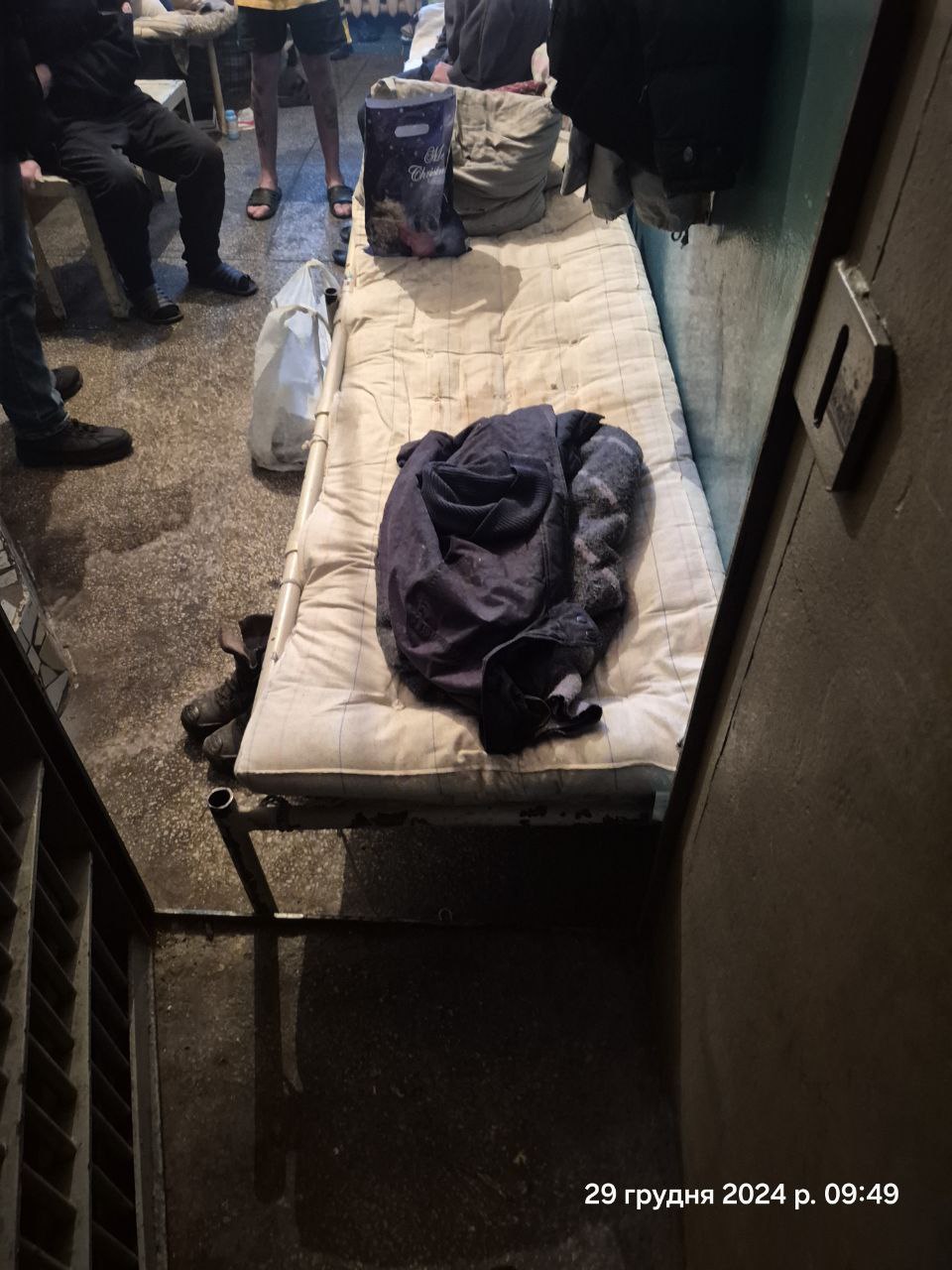
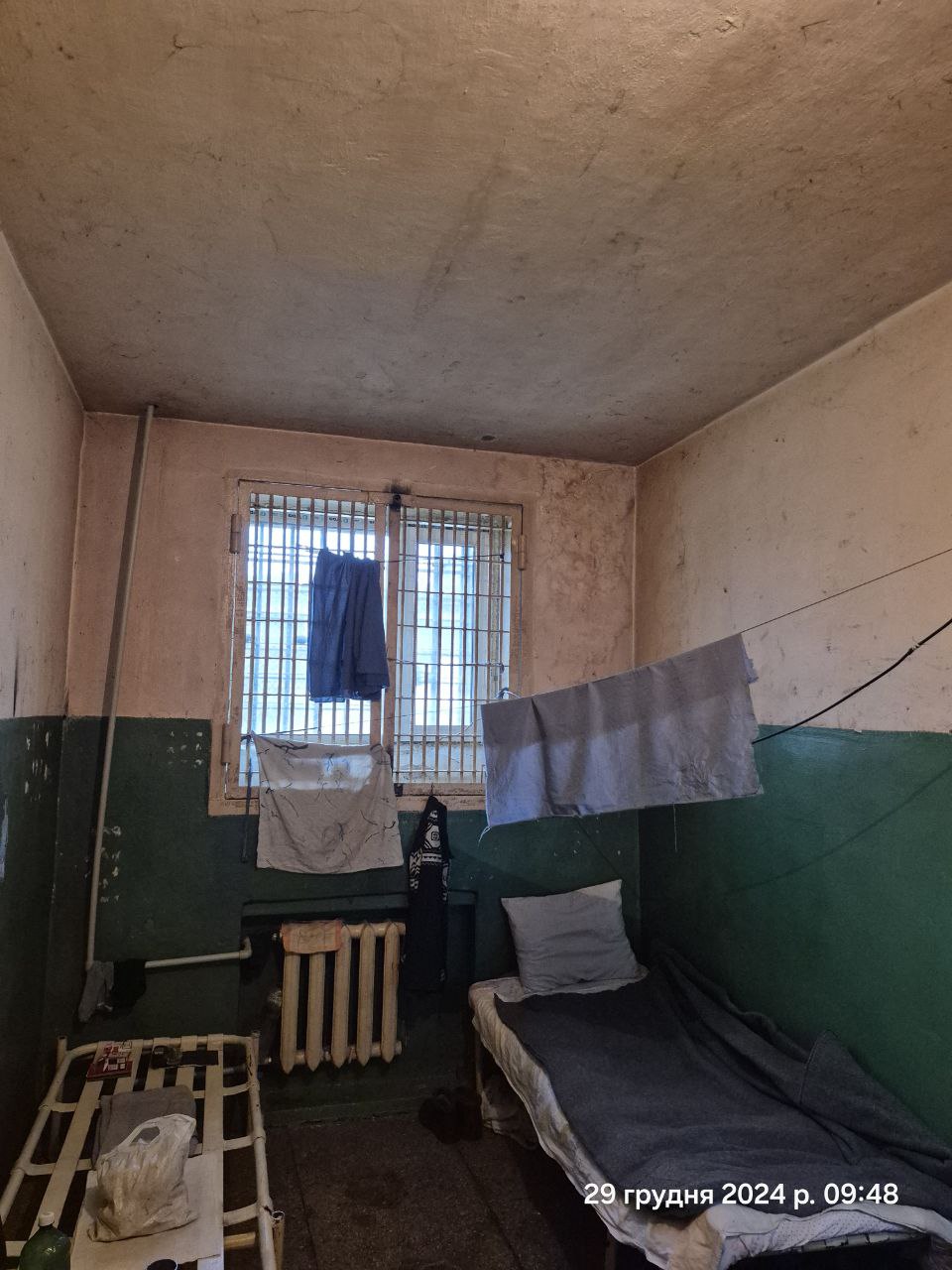
12. In violation of the requirements of the ‘Norms for the provision of bedding, special clothing and special footwear (inventory property) for convicts undergoing treatment in medical and preventive institutions, facilities with the status of medical institutions, and medical units at penal institutions and pre-trial detention centres’, approved by the Order of the Ministry of Justice of Ukraine dated 20.02.2012 No. 280/5, convicted persons do not receive hospital property (hospital suit, robe, and slippers). Convicts remain in the inpatient unit wearing everyday clothes, sometimes using their own bed linen.
13. In violation of the requirements of the State Building Norms of Ukraine V.2.2-17:2006 ‘Buildings and structures. Accessibility of buildings and structures for persons with limited mobility’, no conditions have been created in the hospital to accommodate people with disabilities.
14. In violation of paragraph 37 of the Resolution of the Cabinet of Ministers of Ukraine No. 285 dated 2 March 2016 ‘On approval of Licensing conditions for carrying out economic activities in medical practice’, the hospital lacks a document confirming free access to the buildings and premises of the medical facility for persons with limited mobility, which is a mandatory requirement.
15. In violation of the requirements of the ‘Standards of medical care for Hepatitis C in adults’, approved by the Order of the Ministry of Health of Ukraine dated 15.01.2021 No. 51, not all persons suspected of having viral Hepatitis C undergo PCR testing, due to which they do not receive the necessary treatment, which may lead to a deterioration of their health and the spread of the aforementioned infectious disease among convicts and detainees.
16. The hospital is not equipped with functional fluorographic/X-ray equipment, as a result of which convicts and detainees do not undergo diagnostic examinations of the chest organs for the timely detection of respiratory diseases, which indicates the impossibility of early diagnosis of tuberculosis in the medical facility.
17. In violation of the ‘Procedure for organizing medical care at the primary, secondary (specialized), and tertiary (highly specialized) levels using telemedicine’, approved by the Order of the Ministry of Health of Ukraine dated 19.10.2015 No. 681, the hospital staff are deprived of the ability to submit requests for telemedicine consultations and receive professional assistance for the provision of medical services to convicts due to technical limitations.
18. In violation of the ‘Fire Safety Rules in Ukraine’, approved by the Ministry of Internal Affairs of Ukraine dated 30.12.2014 No. 1417 (hereinafter — Fire Safety Rules), the hospital premises are not equipped with fire extinguishing and fire alarm systems; convicts in the wards use faulty and damaged electrical sockets, which may lead to electric shock to the convicts or hospital staff and poses a threat to life and health.
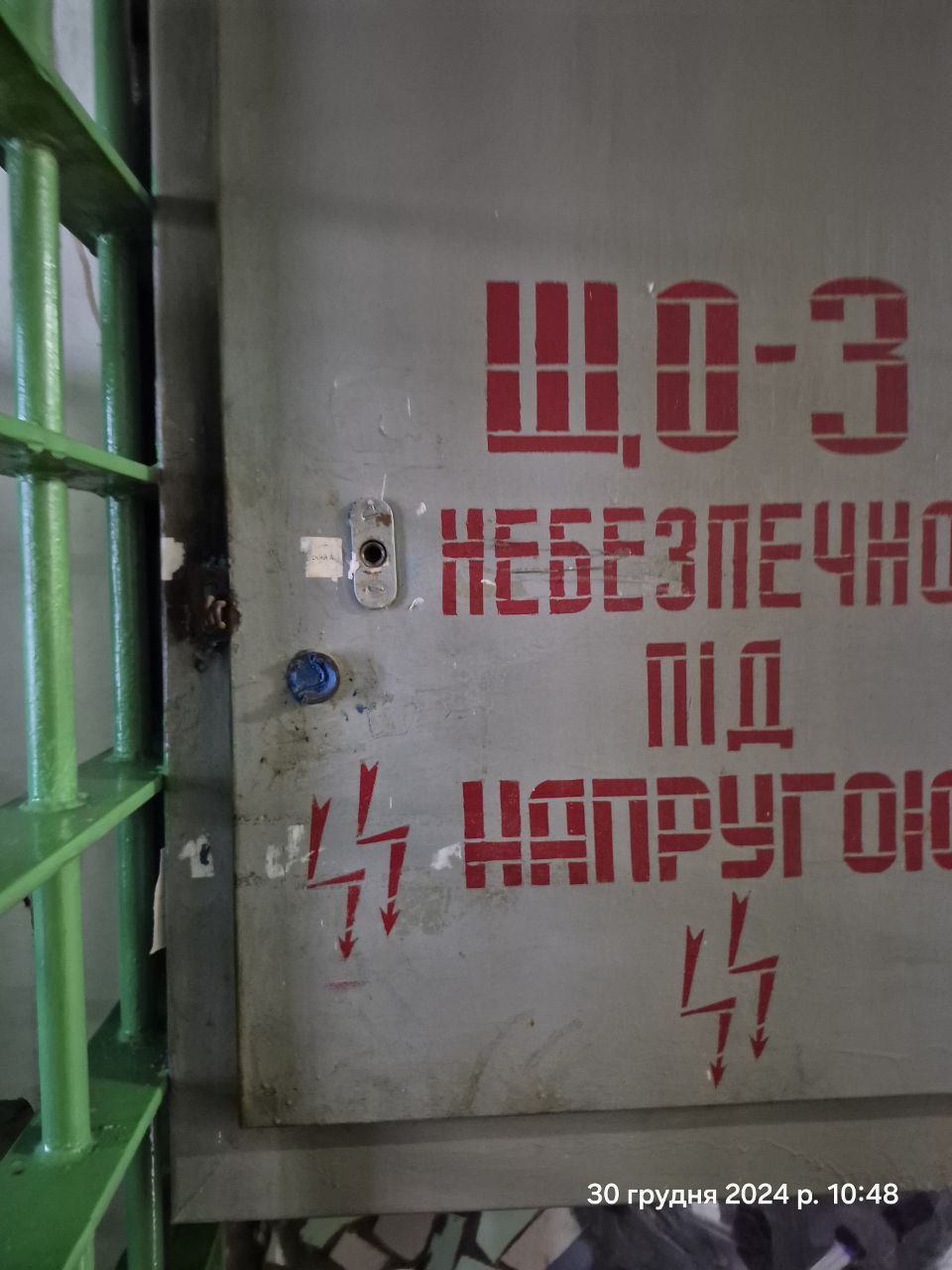
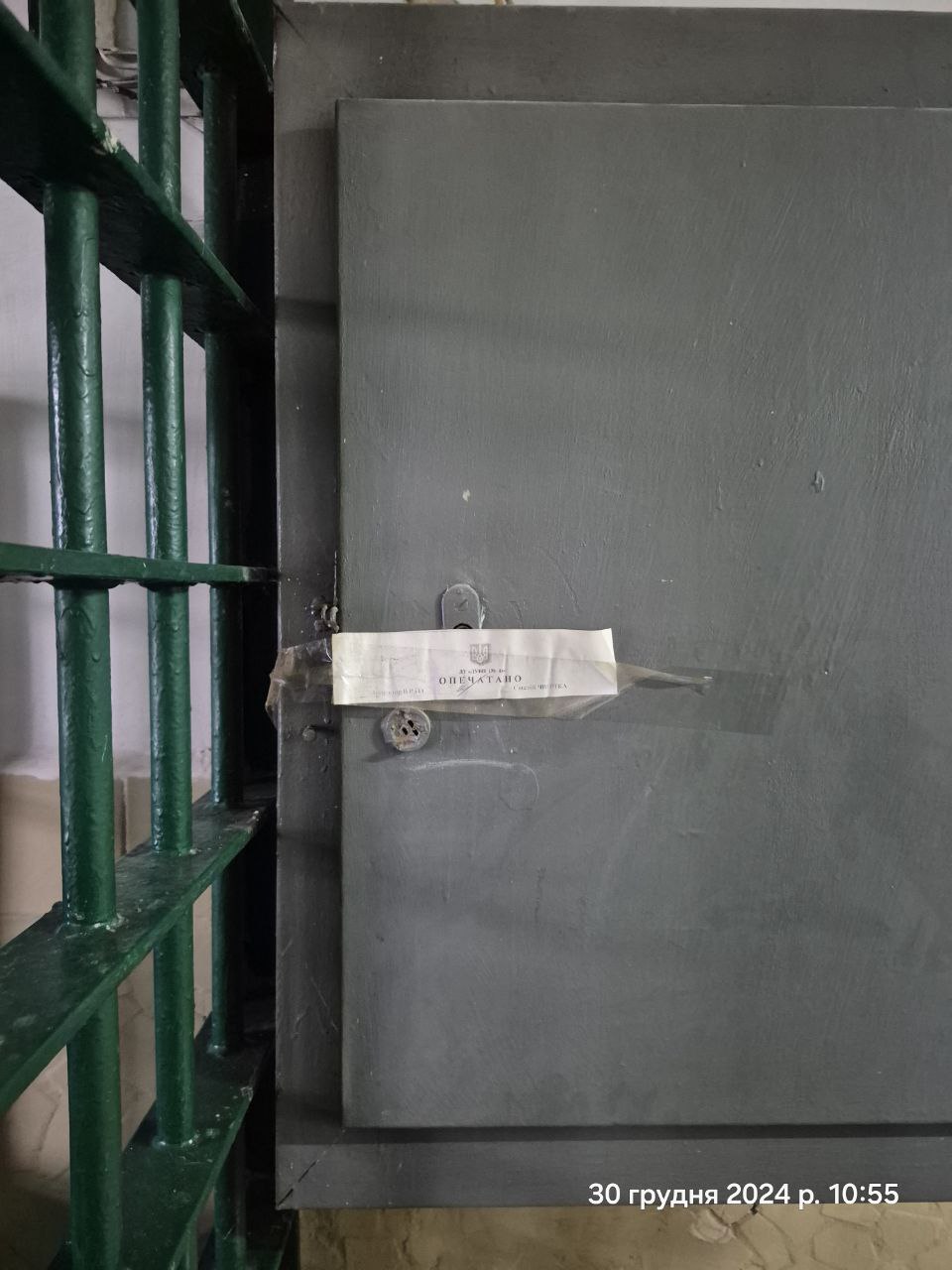
19. In violation of the requirements of sub-paragraph 2.12 of paragraph 2 of Section III of the Fire Safety Rules, the doors to the electrical switchboards in the hospital corridor were not locked.
Recommendations:
Take measures aimed at eliminating the identified violations of human rights and preventing torture, other cruel, inhuman, or degrading treatment or punishment at the Dnipropetrovsk Multidisciplinary Hospital No. 4 of the branch of the State Institution ‘Healthcare Centre of the State Criminal-Executive Service of Ukraine’ in the Dnipropetrovsk and Donetsk regions;
Ensure control over the proper maintenance of medical documentation in accordance with the ‘Procedure for organizing the provision of medical care to persons sentenced to imprisonment’, approved by the joint Order of the Ministry of Justice of Ukraine and the Ministry of Health of Ukraine dated 15.08.2014 No. 1348/5/572, the ‘Procedure for interaction between healthcare institutions of the State Criminal-Executive Service of Ukraine and healthcare institutions regarding the provision of medical care to persons taken into custody’, approved by the joint Order of the Ministry of Justice of Ukraine and the Ministry of Health of Ukraine dated 10.02.2012 No. 239/5/104, and other legal and regulatory acts;
- Ensure the hospital is staffed with specialist doctors and medical personnel according to needs;
- Ensure the possibility of receiving Opioid Substitution Therapy based on a diagnosis of mental and behavioural disorders resulting from opioid use;
- Ensure proper conditions for patients staying in wards with adherence to space standards per person;
- Comply with the requirements of paragraph 37 of the Resolution of the Cabinet of Ministers of Ukraine No. 285 dated 2 March 2016 ‘On approval of Licensing conditions for carrying out economic activities in medical practice’;
- Ensure the accessibility of the institution’s buildings in accordance with the State Building Norms of Ukraine V.2.2-17:2006 ‘Buildings and structures. Accessibility of buildings and structures for persons with limited mobility’;
- Ensure that a proper medical examination is conducted for persons working with food products and that personal medical books are issued;
- Ensure that informed consent for examination and treatment is obtained from patients in the established form;
- Provide the hospital with hospital property (hospital suits, robes, and slippers);
- Terminate the practice of doctors certifying the health status of convicts and detainees upon their placement in a punishment cell;
- Equip the hospital with an X-ray machine for the timely conduct of radiological examinations;
- Equip the isolation ward for persons with mental and behavioural disorders in accordance with requirements;
- Ensure proper medical care for persons suffering from viral Hepatitis C;
- Ensure the proper operation of the telemedicine complex for doctors to submit requests for telemedicine consultations;
- Carry out renovation works in the hospital ward premises;
- Eliminate violations of the Fire Safety Rules.