Monitoring visit to the State Institution “Stryzhavka Correctional Colony (No. 81)”
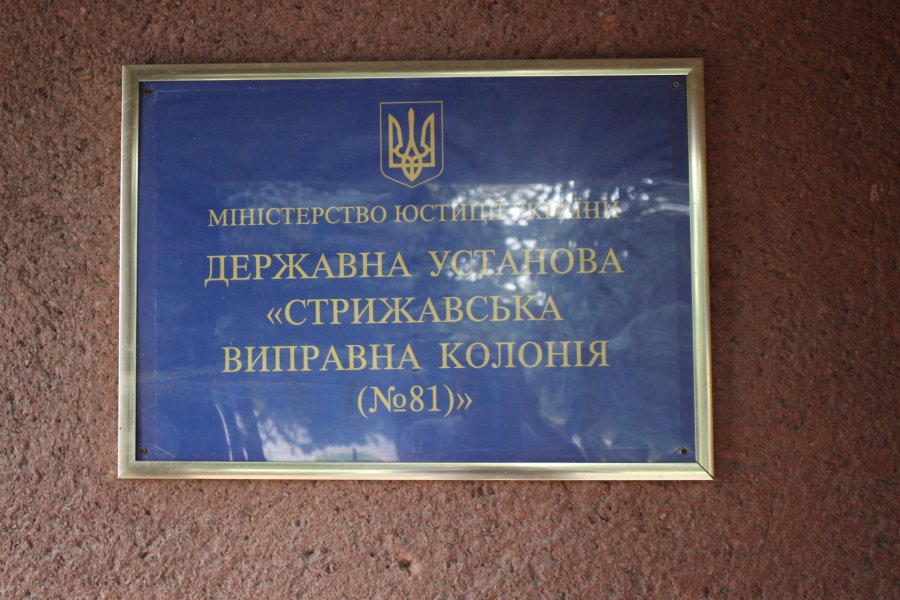
On 27 July 2022, a monitoring group consisting of an assistant to the People's Deputy of Ukraine Kostiantyn Kasai, a member of the Public Council under the Ministry of Justice of Ukraine Serhii Zuikov, an assistant to the People's Deputy of Ukraine Yaroslav Yurchyshyn, Kharkiv Human Rights Protection Group (KHPG) program coordinator Andrii Didenko, and journalist for the “Poriad z vamy” (“Beside You”) News Agency Oleksa Yaroslavtsev conducted a regular visit to the state institution “Stryzhavka Correctional Colony (No. 81)”.
The previous visit by KHPG monitors can be found via this link.
The main objectives of the monitoring visit were to analyse the institution's operations during the war and to identify humanitarian needs.
The monitors had the opportunity to visit any premises of the institution, communicate with prisoners—including under conditions of anonymity—gather information, verify it, and access relevant documents.
The head of the institution is Colonel of the Internal Service Oleh Vasylovych Vitrynskyi. The monitors were accompanied by the first deputy head of the institution, Lieutenant Colonel of the Internal Service S.V. Boboshko, the deputy head of the institution for Social and Educational Work with Convicts, Lieutenant Colonel of the Internal Service S.V. Beredov, and the duty assistant to the head of the penal institution, Senior Lieutenant of the Internal Service A.A. Nechyporuk.
GENERAL INFORMATION
Stryzhavka Correctional Colony No. 81 is a medium-security penal institution for housing individuals who have previously served sentences in places of deprivation of liberty. An inter-regional multidisciplinary hospital is located on the institution's territory.
The staff-to-convict ratio is 1 staff member per 3 convicts. There are 3 psychologists working at the institution. The cost of maintaining one prisoner per day is 45.45 Hryvnias. In 2021, 11 people died, and in 2022 – 6. There are 109 employed convicts, of whom 38 are employed under an employment contract (agreement). According to the administration, the average monthly salary of convicts is 3,876 Hryvnias.
3 people were in the disciplinary isolation ward/chamber-type premises (DIZO/PKT), and no convicts were in the long-term disciplinary cell (DPK).
In the penal system healthcare facility on the premises, 113 convicts were present. There are 47 people registered with HIV/AIDS.
13 are registered as prone to suicide. In 2021, 1 suicide occurred in the institution. 13 people are prone to self-harm, and 3 are prone to escape. 9 people are registered as malicious regime violators.
Due to serious illness, 4 people were released in 2021, and 1 person in 2022.
No complaints regarding improper conditions of detention or inadequate medical care were recorded from convicts during 2021-2022, which appears unusual.
15 people have disabilities. Of these, 2 have disability group II, and 13 have group III.
In 2021, 54 people were released on parole, and 9 were transferred to more lenient conditions of detention. Since the beginning of 2022, 12 people have been released on parole, and 1 person has been transferred to more lenient conditions of detention.
An ambulance was called 4 times in the current year. Bodily injuries were recorded in 2021: 1 case upon arrival, and 6 cases during the stay in the institution. Since the beginning of 2022, there has been 1 such case upon arrival and 4 cases during the stay in the institution. During the current year, 1 case of the use of special equipment was documented.
The institution is equipped with 2 workstations for distance learning with Internet access. The cost of using the global network is 13.6 UAH per hour.
In 2021, there were 66 long-term visits; in 2022 – 4.
In 2021, 284 short-term visits were conducted, and in 2022 – 16.
Visits via video link are not practised in the institution.
Since the beginning of the year, 353 people have been tested for SARS-CoV-2 (IgG, IgM), 2 have recovered, and 112 convicts have been vaccinated.
During the war, an enhanced service regime was introduced for the institution's staff, and personnel procedures for the rapid escort of convicts to the bomb shelter in the event of an air raid siren were refined.
STRYZHAVKA MULTIDISCIPLINARY HOSPITAL AND MEDICAL UNIT
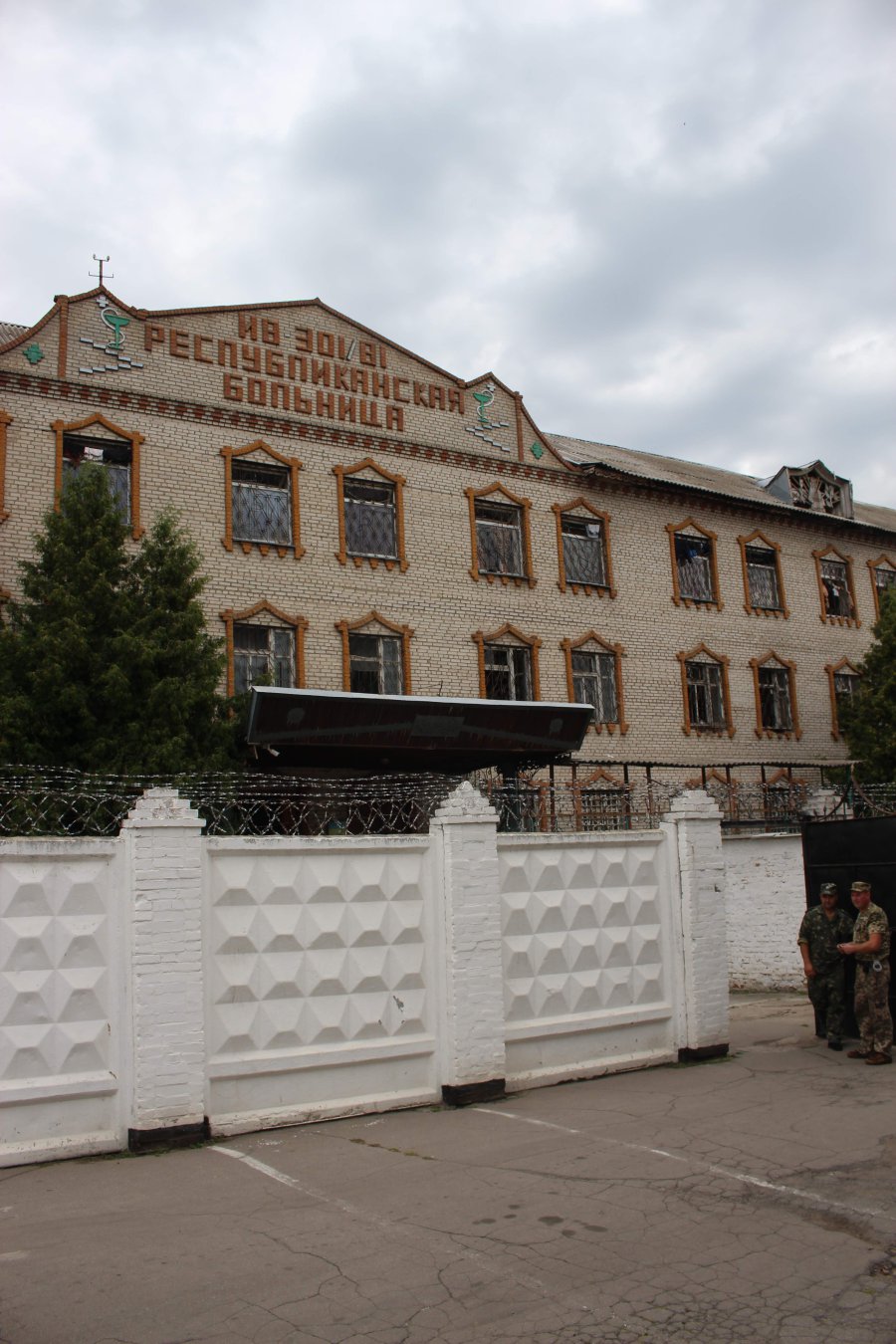
The head of the Multidisciplinary Hospital No. 81, a branch of the state institution “Centre for Healthcare of the State Criminal-Executive Service of Ukraine” in Vinnytsia Oblast, is Oleksandr Torbas.
The hospital (hereinafter – SMH No. 81) consists of 4 departments: infectious diseases, therapeutic, surgical, and ophthalmological. The hospital also has an outpatient department that provides medical care to convicts held in the state institution Stryzhavka Correctional Colony No. 81.
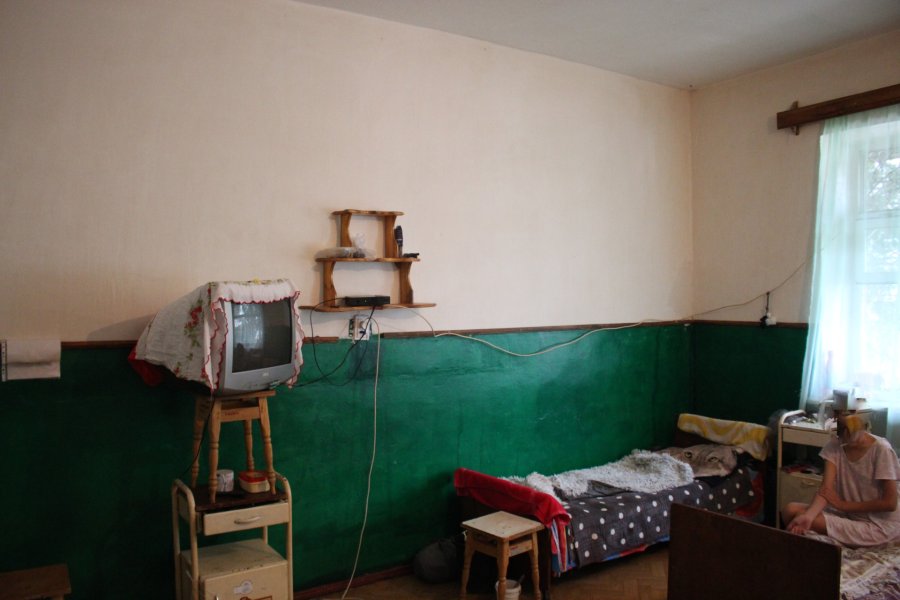
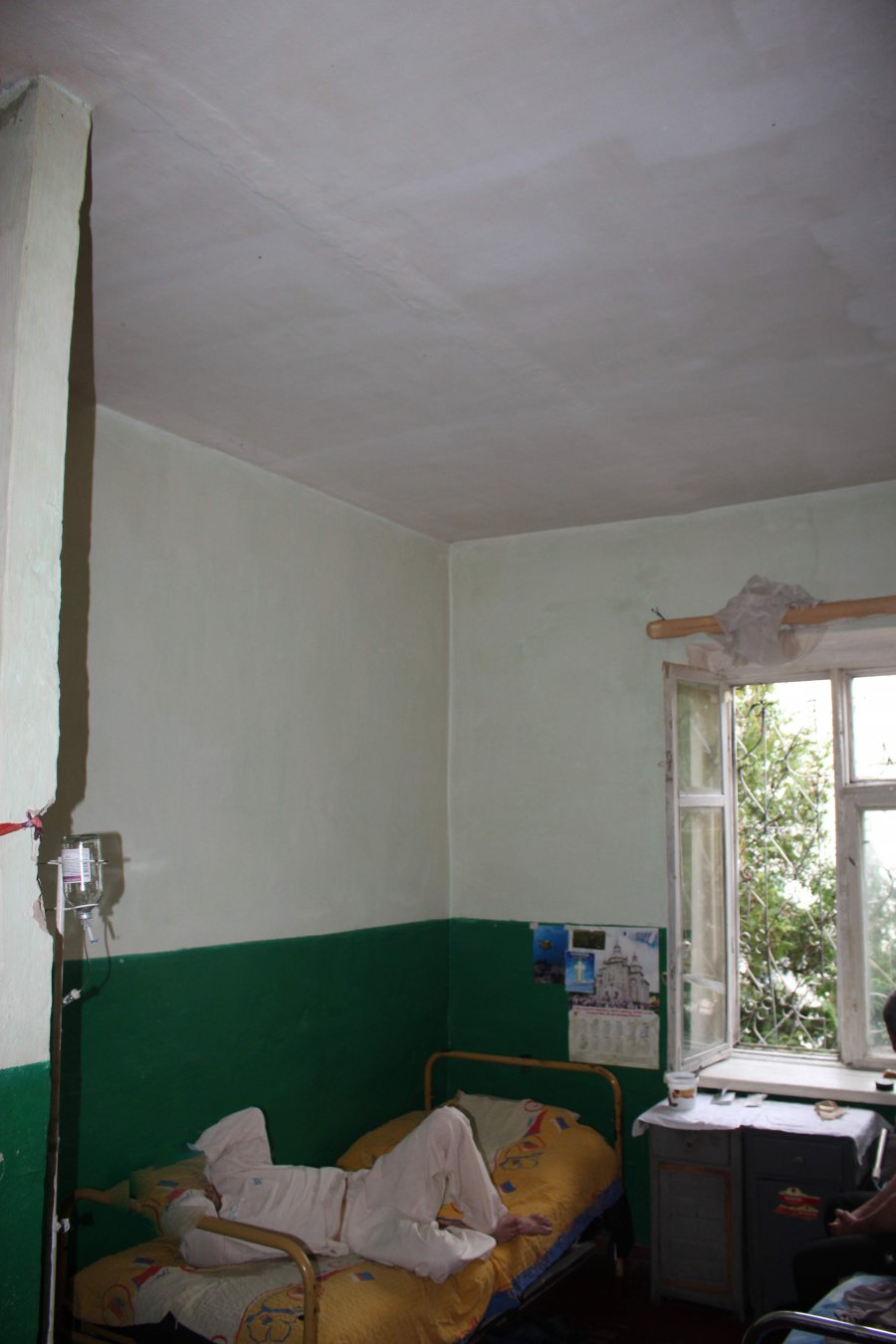
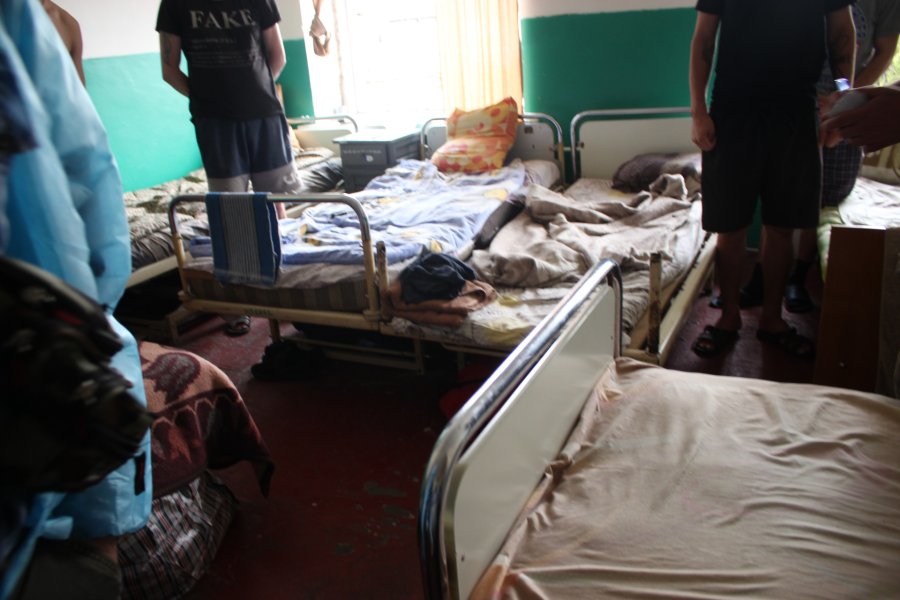
The hospital contains 22 wards and is designed for 100 beds. At the time of the visit, 113 patients were undergoing treatment in the hospital: 39 in the therapeutic department, 19 in the ophthalmological, 44 in the surgical, and 11 in the infectious diseases department. 63 convicts are on the dispensary register.
Therapeutic department:
Ophthalmological department:
Surgical department:
Infectious diseases department:
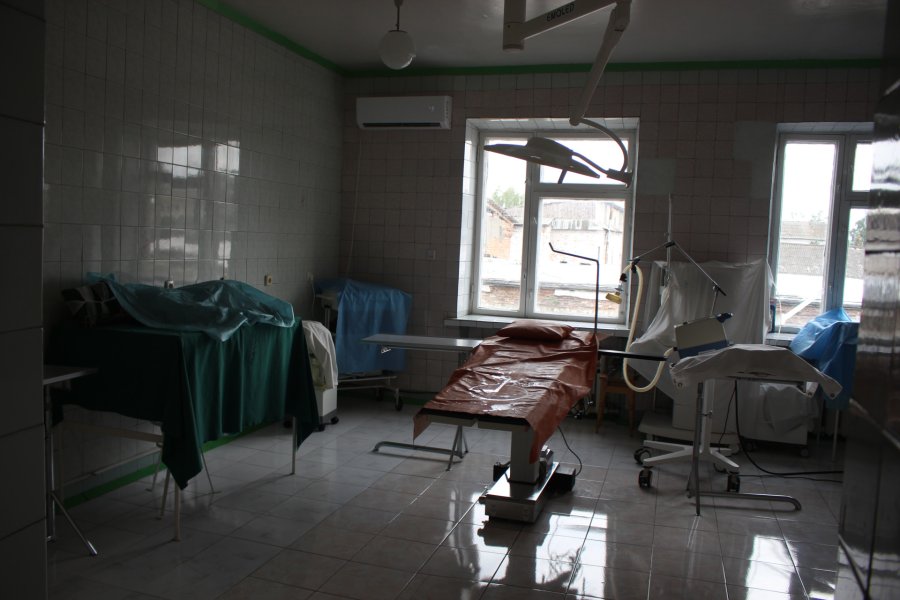
Operating theatre:
The number of individuals registered under category 5.1 is 69 convicts.
HIV-positive individuals – 50, AIDS – 13, receiving ART – 50.
11 people receive dietary nutrition.
15 people have a disability group, of which: group II – 2 people; group III – 13 people.
The hospital has an approved composition of the Medical-Consultative Commission. During the current year, materials for release due to illness were submitted to the court for 5 convicts; for 1 of these, the court agreed with the doctors' conclusions and issued a decision on release due to health reasons. Materials for another person are at the consideration stage.
During the current year, an ambulance was called 4 times. Also, six people have died in the institution this year.
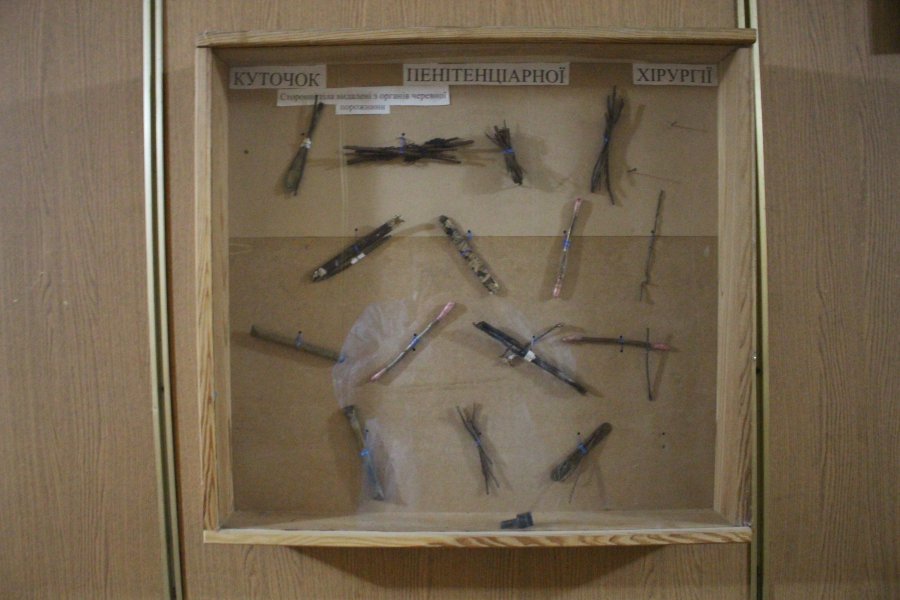
Items removed from prisoners' stomachs:
The hospital provides for 54 permanent staff positions. Vacant positions include: radiologist – 0.5 FTE; laboratory doctor – 0.25 FTE; endocrinologist – 0.5 FTE; infectious disease specialist – 0.5 FTE; paramedic – 0.5 FTE; head nurse – 1 FTE.
In the first 6 months of 2022, 314 convicts were treated in SMH No. 81. Also, during this period, 1,759 convicts received outpatient treatment. 415 medical examinations were conducted. Active tuberculosis was detected in 3 people. In the first 6 months of 2022, 23 cases of COVID-19 were registered: SMH No. 81 – 21 people; SI “SCC (No. 81)” – 2 people. 448 people were tested for HIV infection using rapid tests, of which 3 were positive.
The hospital has a modern, well-equipped laboratory that allows for testing for viral load of HIV in the blood, CD4 cell count, and performing general blood, urine, and stool analyses. The hospital is provided with opioid substitution therapy (OST) for drug-dependent individuals. On the day of the visit, 27 people were receiving OST. Upon arrival at the institution, it is determined whether the convict is a drug-dependent individual and whether they are receiving OST. At the same time, based on a doctor's recommendation, some patients refuse OST in cases of medical contraindications.
The hospital provides 24-hour medical supervision of detained persons. The hospital is equipped with 28 bactericidal irradiators.
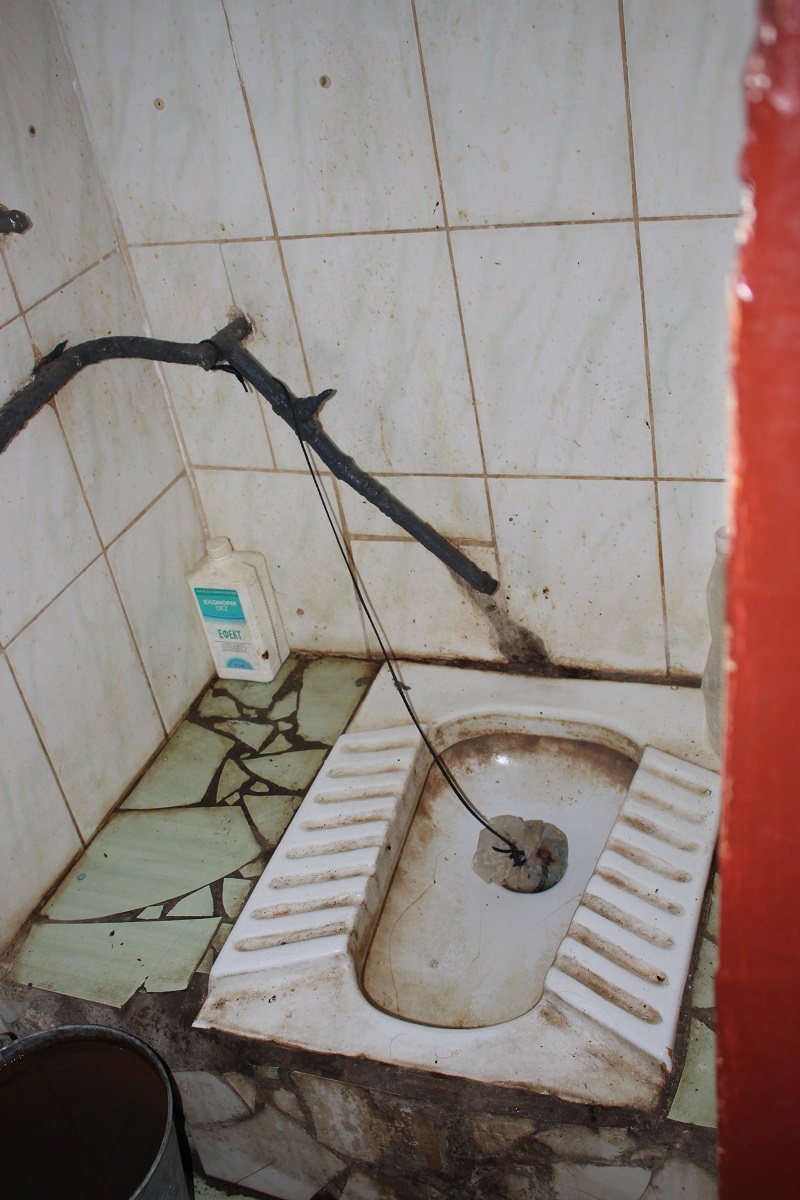
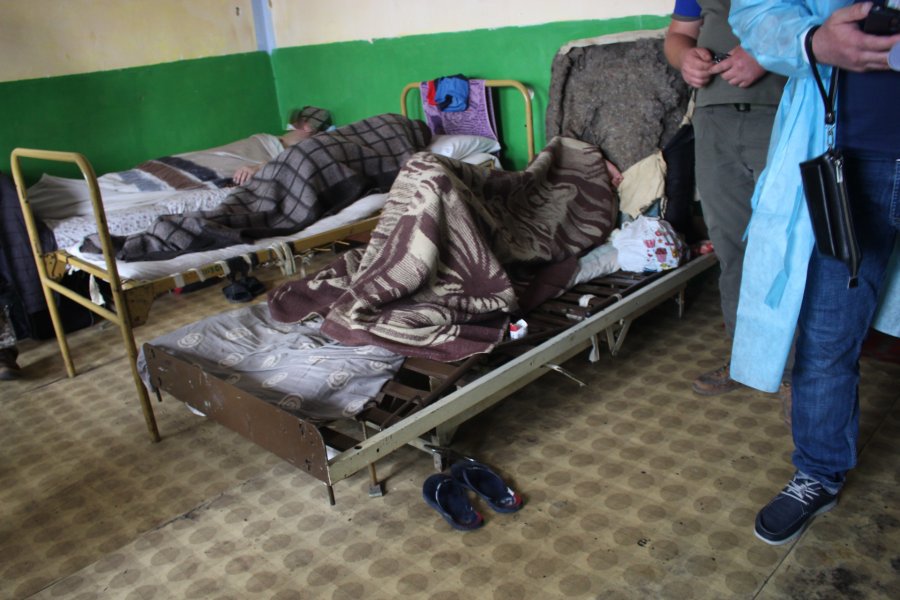
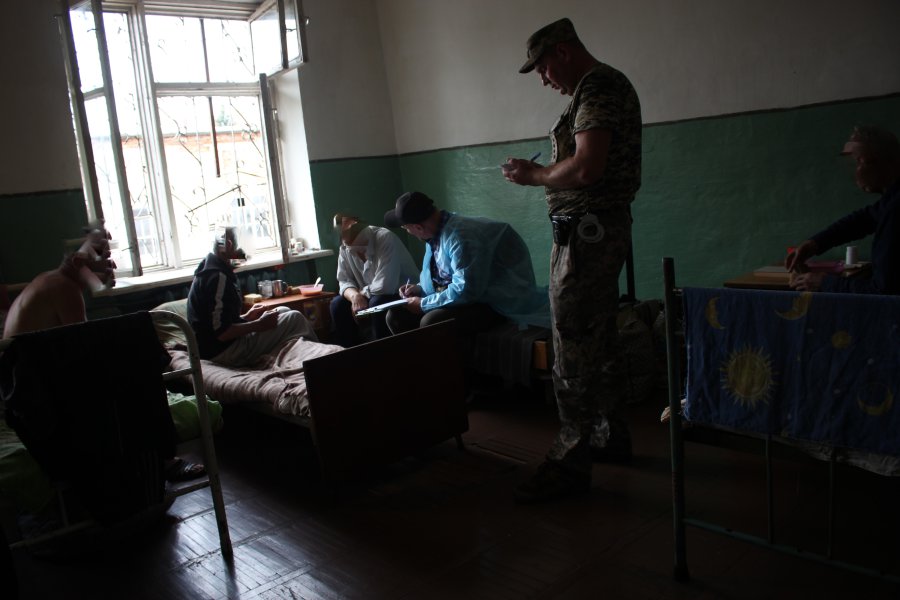
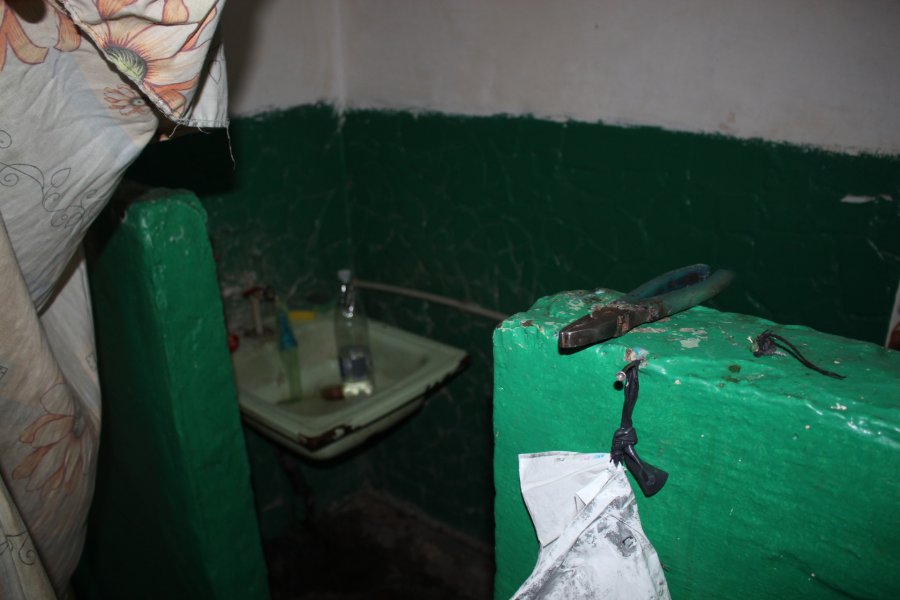
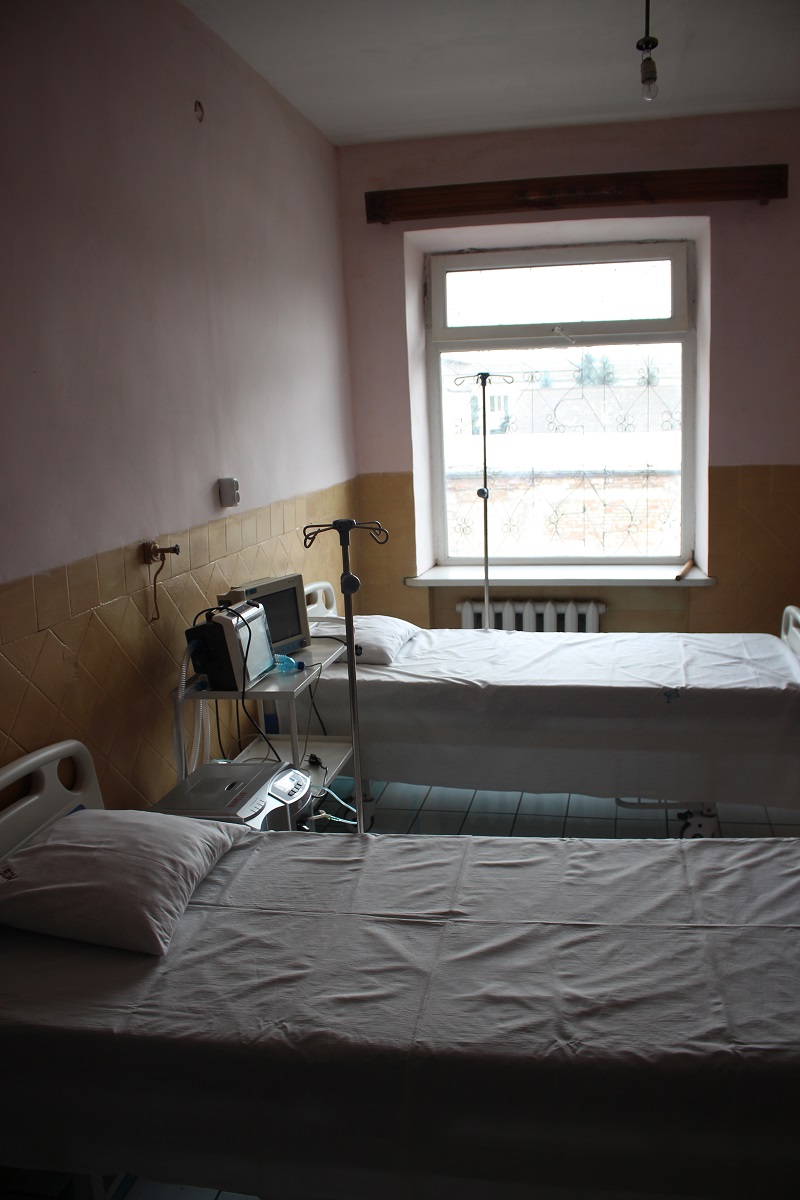
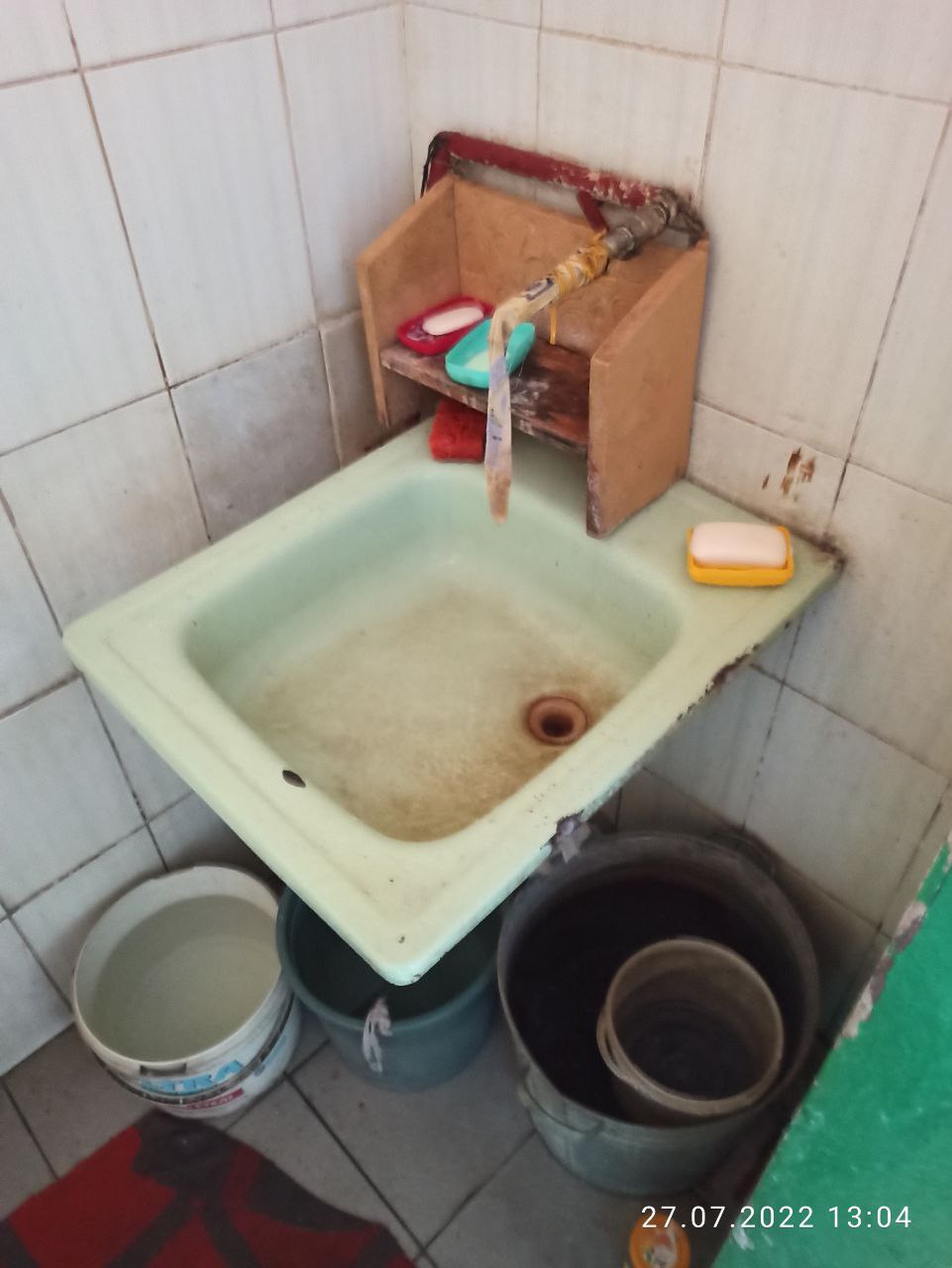
During personal interviews with prisoners who were undergoing treatment, no complaints regarding torture or ill-treatment by medical staff were received. It is worth noting the administration's work in ensuring a proper level of moral and psychological climate among prisoners and staff. However, during the visit, violations of national legislation requirements and non-compliance with international recommendations in the sphere of prisoner treatment were identified. Namely: in the wards of the inpatient departments, beds are placed close together; the requirements regarding the area per convicted person in a medical facility have not been met, sanitary facilities are not equipped with doors, which violates the right of convicts to privacy. The hospital has not created proper conditions for transporting patients to the operating unit, which is located on the third floor; there is no lift in the surgical department. Also, the facility lacks conditions for individuals recovering from surgical interventions: there are no handrails or internal ramps. The departments do not have access to drinking water: containers for boiled water are absent. Most wards are not equipped with supply-and-exhaust ventilation, which fails to provide proper ventilation of the wards and may lead to the spread of infectious diseases among detained persons. It should be noted that the infectious disease isolation ward, like the infectious disease department as a whole, is not equipped with a shower room. Thus, sick convicts are deprived of the right to maintain hygiene, or their washing must be carried out in the general shower rooms. Because of this, the principle of isolating patients with infectious diseases is not followed. Some mattresses and pillows require replacement.
The windows and floors in the facility are wooden.
During the current year, 5 such cases were recorded in the bodily injury register for convicts of the SI “Stryzhavka Correctional Colony (No. 81)”. In the bodily injury register for convicts of the Stryzhavka Multidisciplinary Hospital No. 81, there were 2 such cases. At the same time, in the patient's card 025/o, there are no photographs of existing bodily injuries, as provided for in clause 3, section 1, chapter II of the Joint Order of the Ministry of Justice of Ukraine and the Ministry of Health of Ukraine dated 15.08.2014 No. 1348/5/572 “On Approval of the Procedure for Organising the Provision of Medical Care to Persons Sentenced to Deprivation of Liberty”.
LIVING QUARTERS
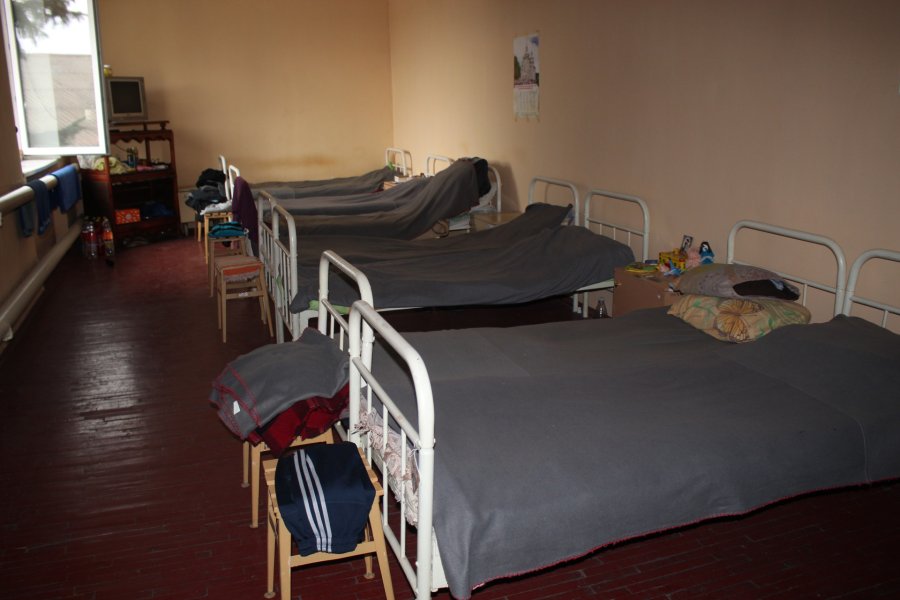
Barracks-style premises remain.
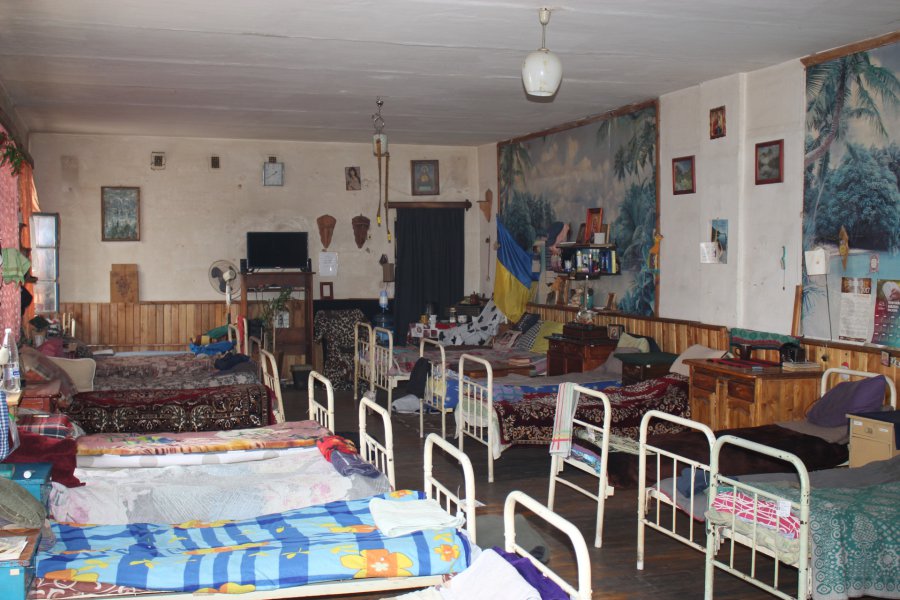
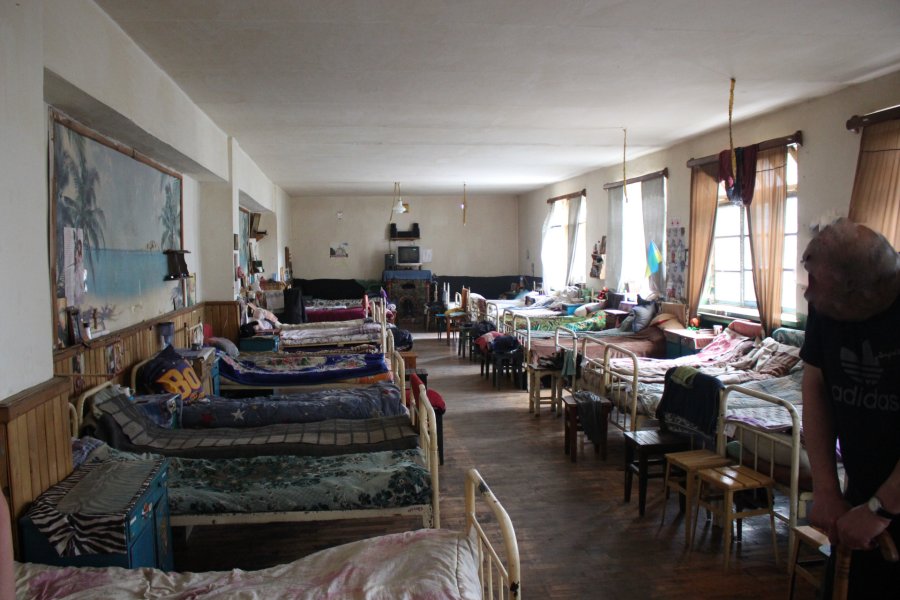
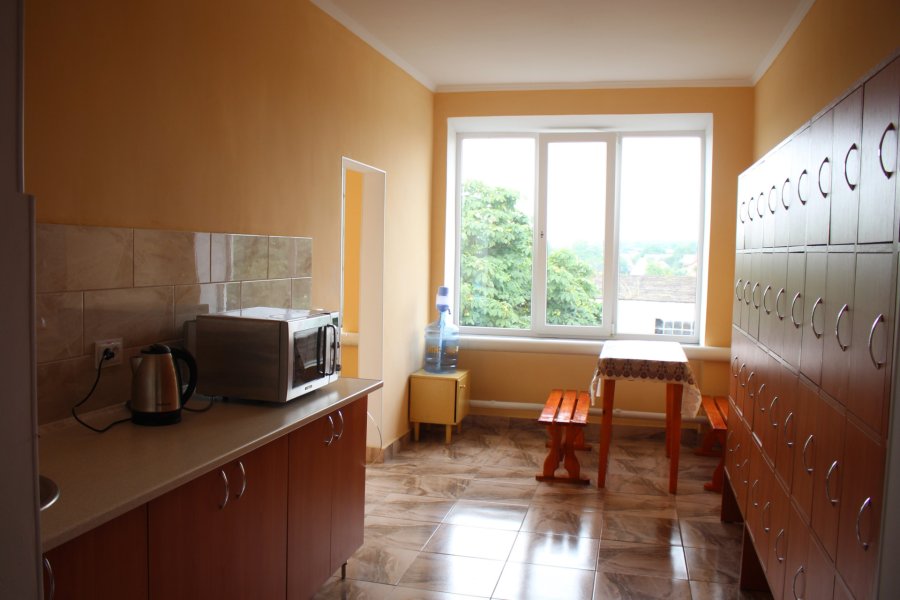
In some premises, renovations have already been carried out – the general barracks system is being rebuilt into a cubicle-style system, with better conditions for prisoners.
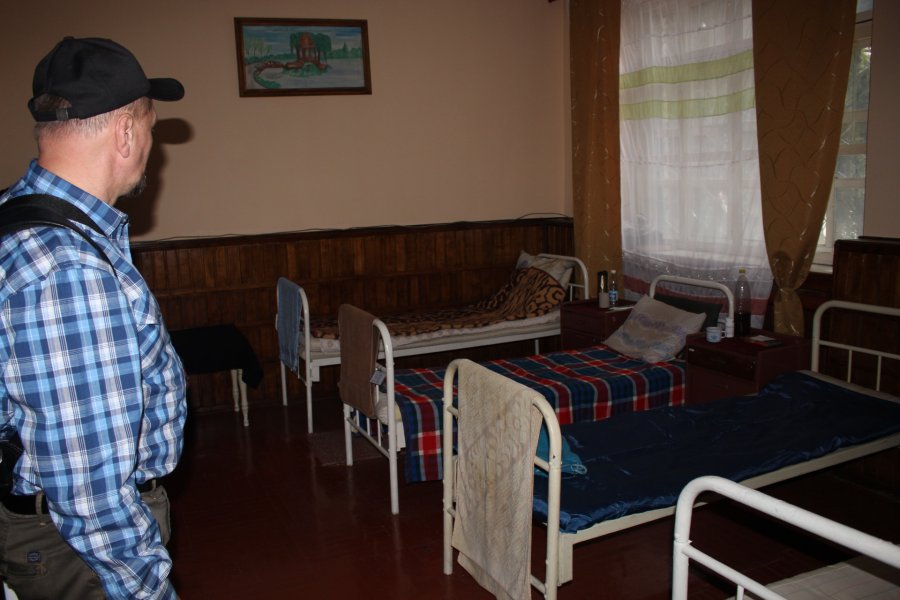
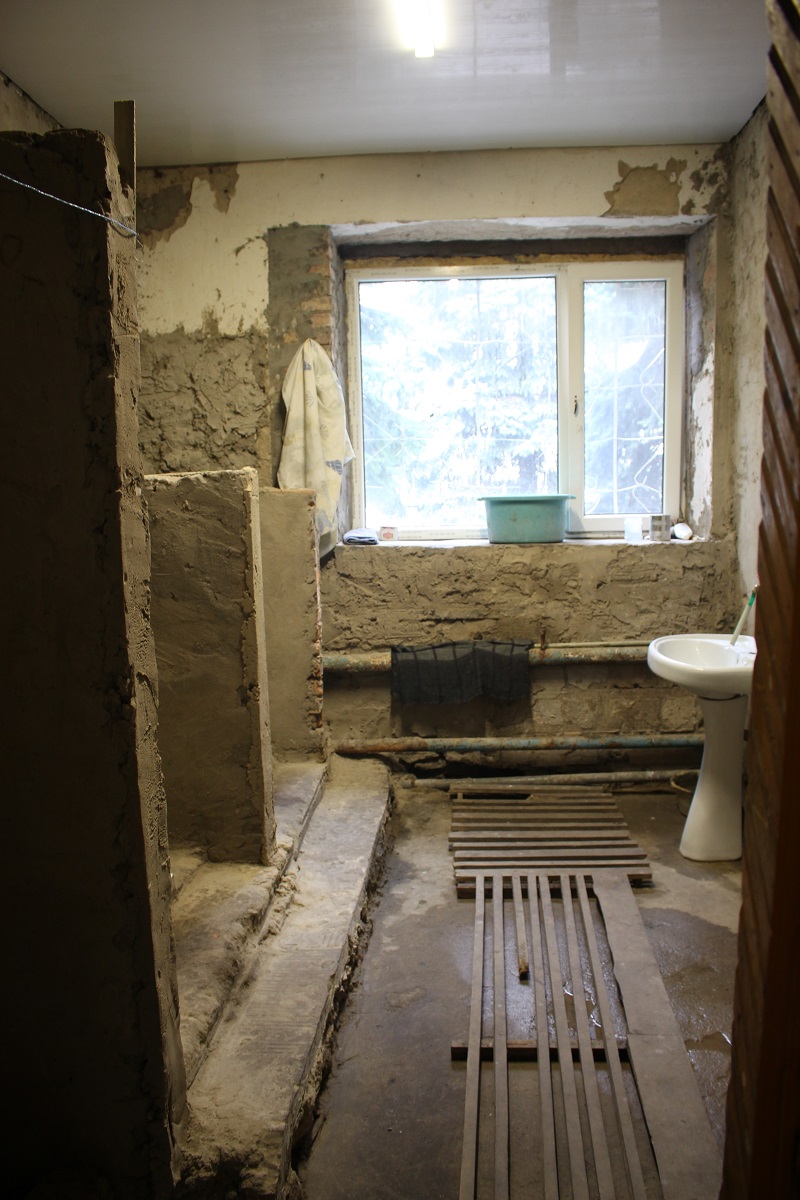
Renovation works are ongoing.
Food storage room:
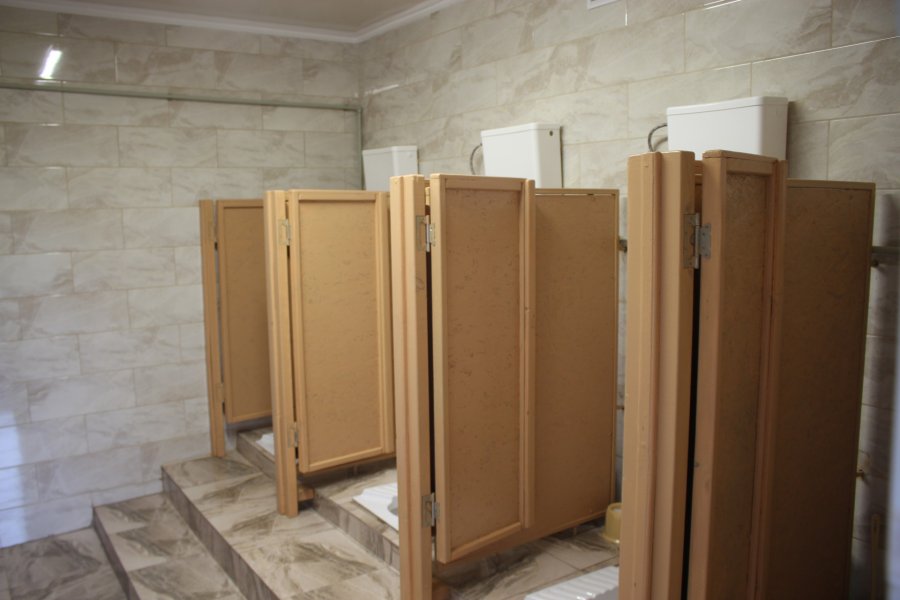
Toilet:
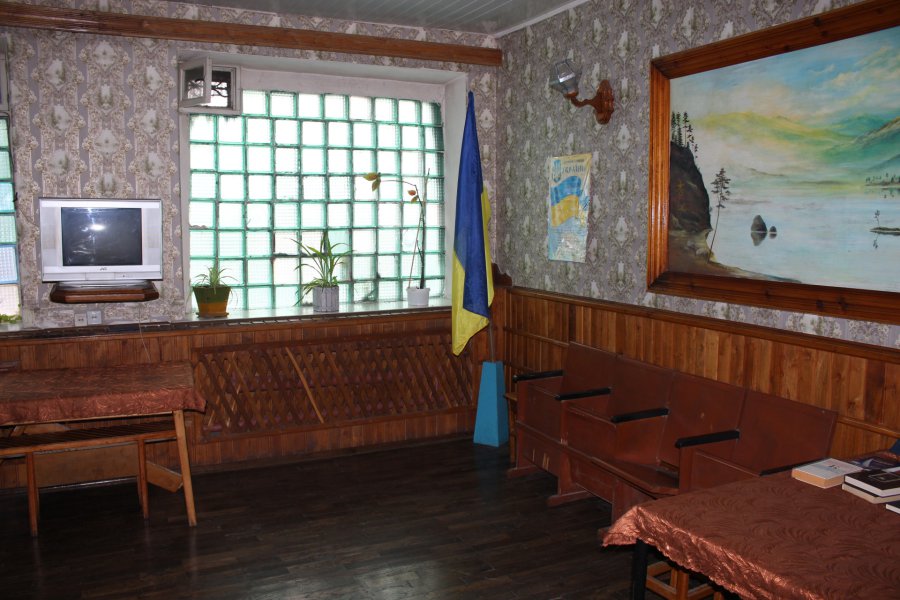
Recreation room:
About 200 convicts transferred from Colony 55 (Zaporizhzhia) effectively share a common problem: humanitarian needs. Most of the convicts have lost social ties and contacts.
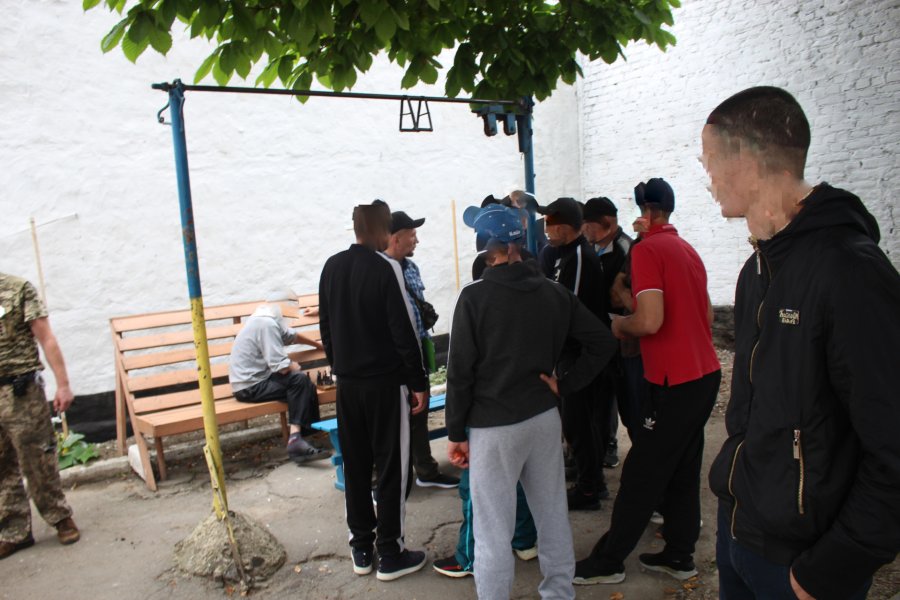
Convict M. approached the monitors. He has lived in Ukraine since he was 12 years old, was born in Moldova, has no documents, and does not have Ukrainian citizenship. According to the administration, this person is a citizen of Moldova. In order to obtain Ukrainian citizenship, he needs to renounce his Moldovan citizenship; to do this, he needs to go to Moldova, but he cannot do so due to his imprisonment. Furthermore, to acquire the status of a Ukrainian citizen, one must not have legal problems.
The institution is visited by priests of 7 denominations.
During lights-out and reveille, the national anthem of Ukraine is played in the institution.
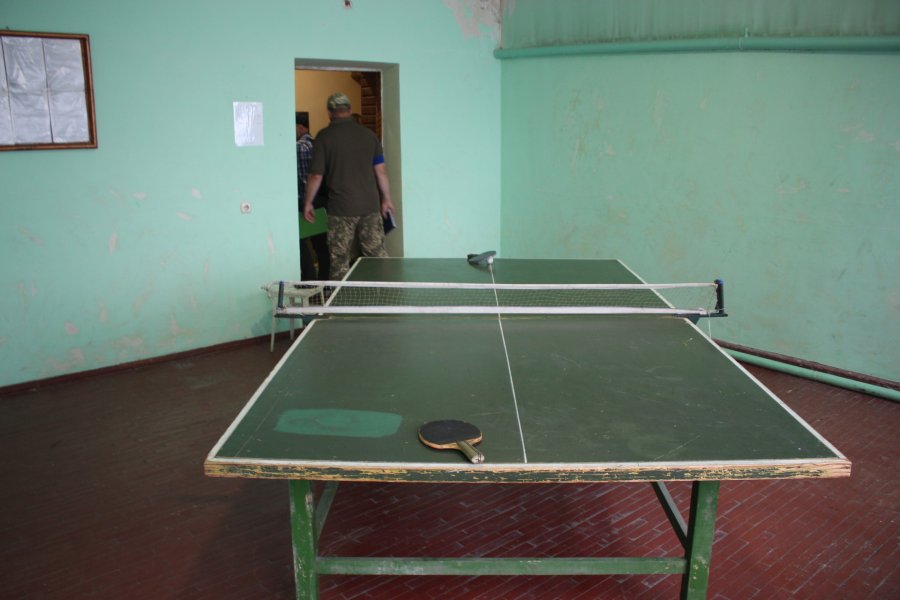
During rest time, one can play table tennis.
QUARANTINE WARD
There was an orderly on duty in the ward who lives in another department. According to the administration, he works as an orderly on a voluntary, unpaid basis.
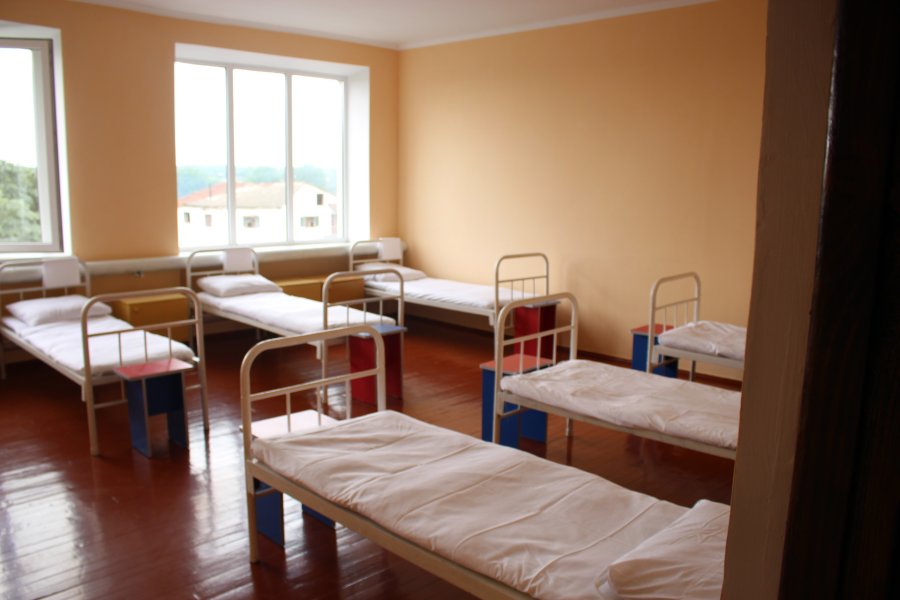
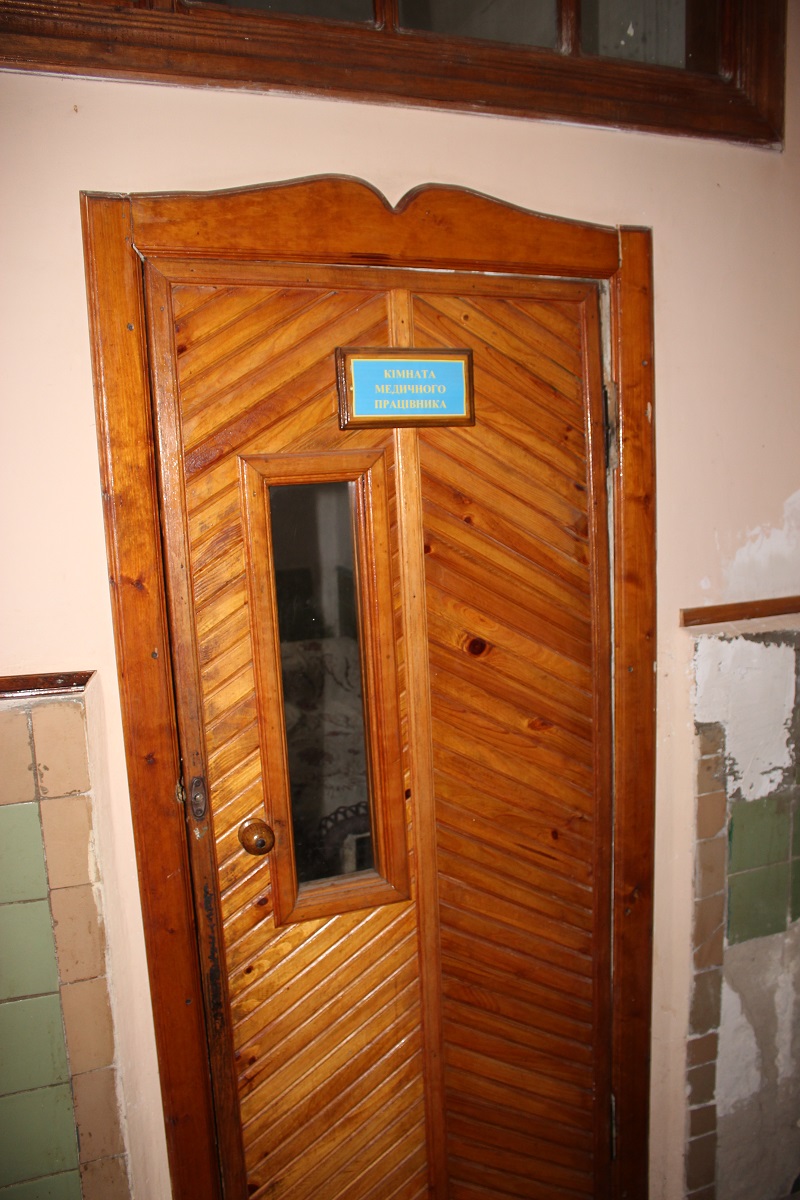
Medical examination room:
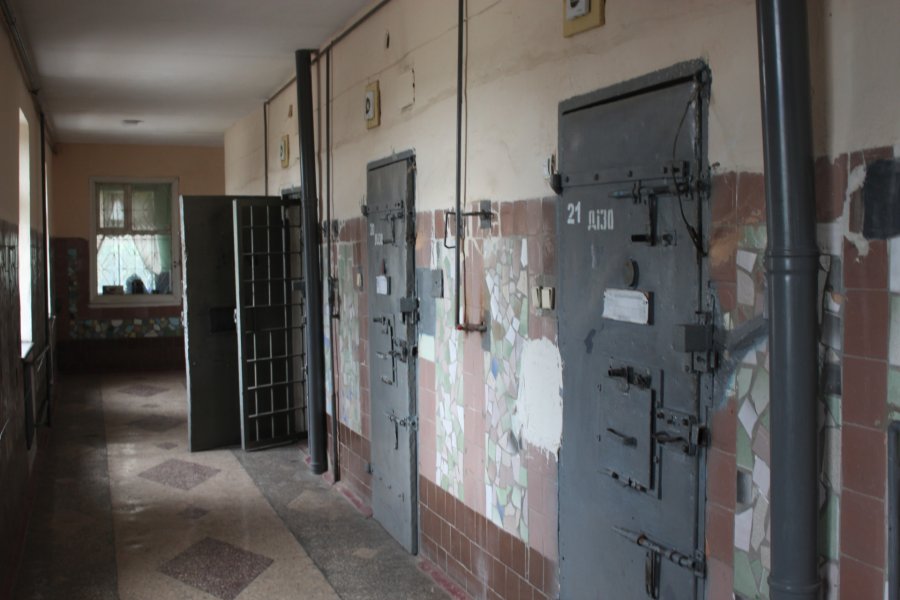
DIZO, PKT, DPK
Three convicts were in the DIZO and have no complaints against the administration. The convicts are aware that they have the right to a defence within the framework of free legal aid during the imposition of disciplinary sanctions.
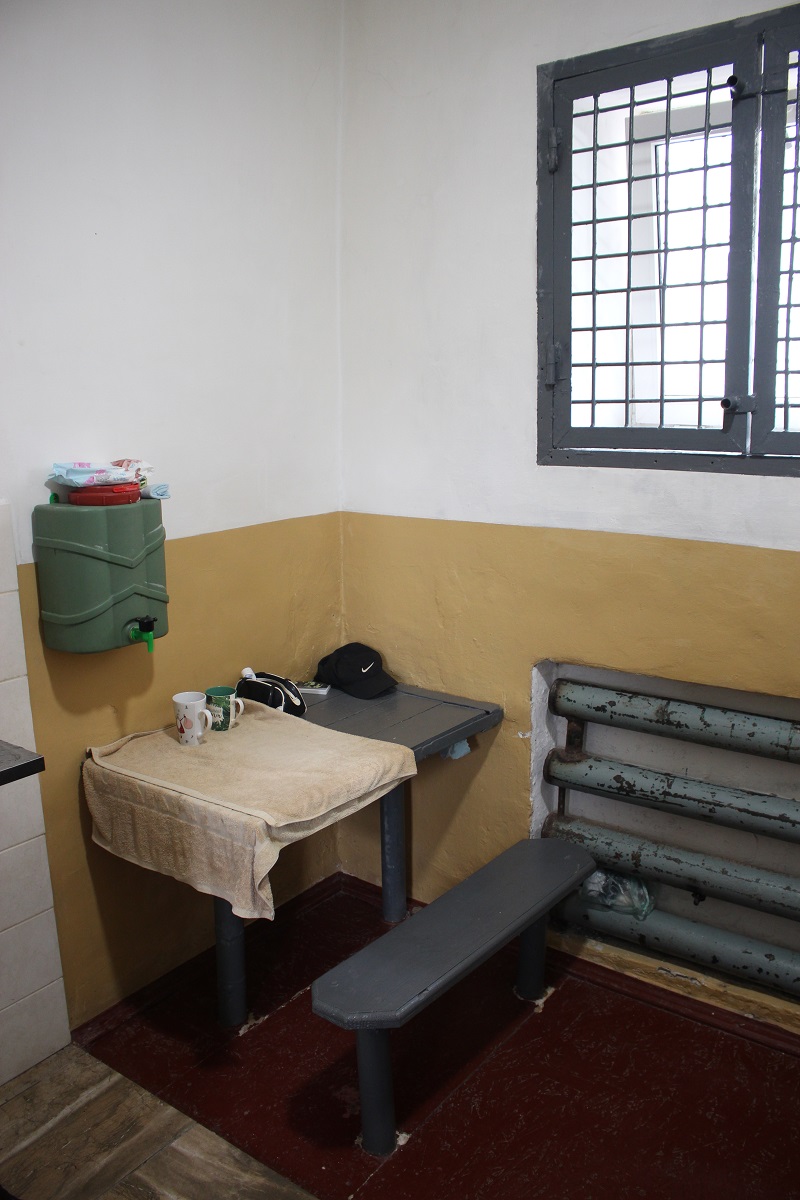
Beds are not locked during the day.
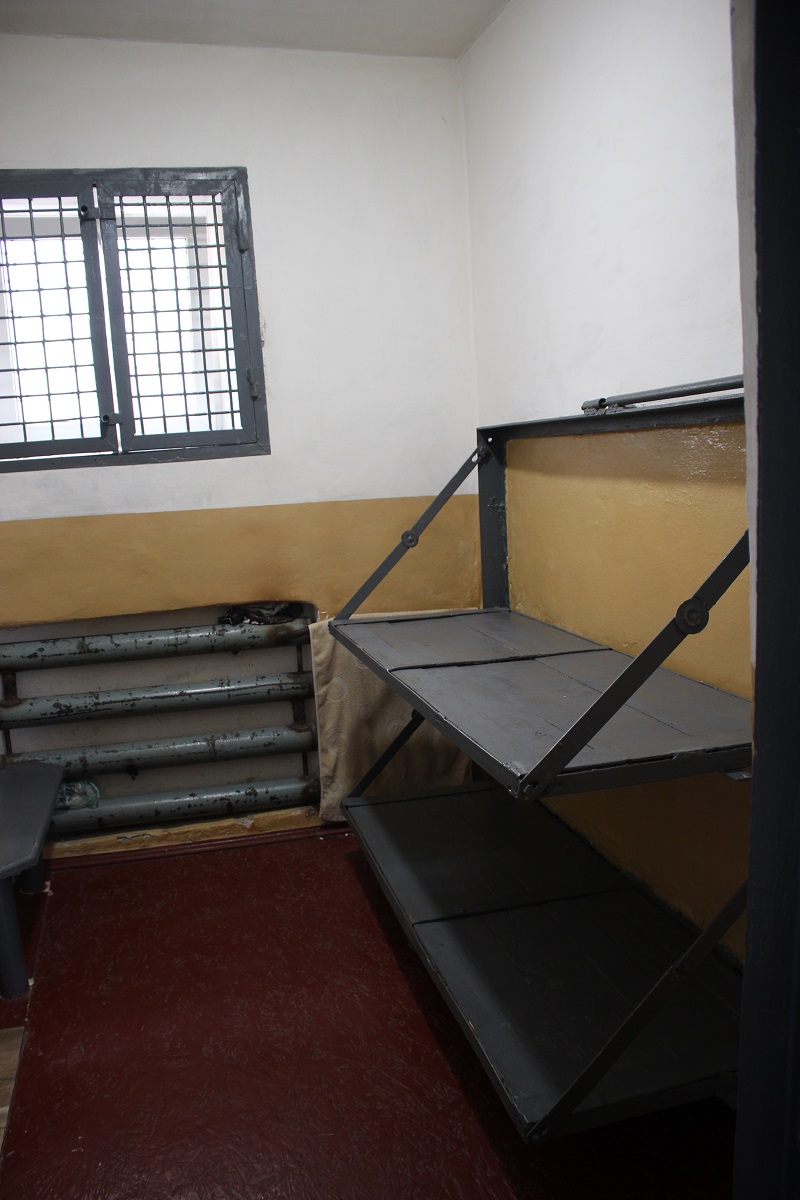
There is no doctor's office in the DIZO/PKT premises.
BATHHOUSE
In the general bathhouse, the premises for the medical worker required to conduct examinations of convicts are not properly equipped.
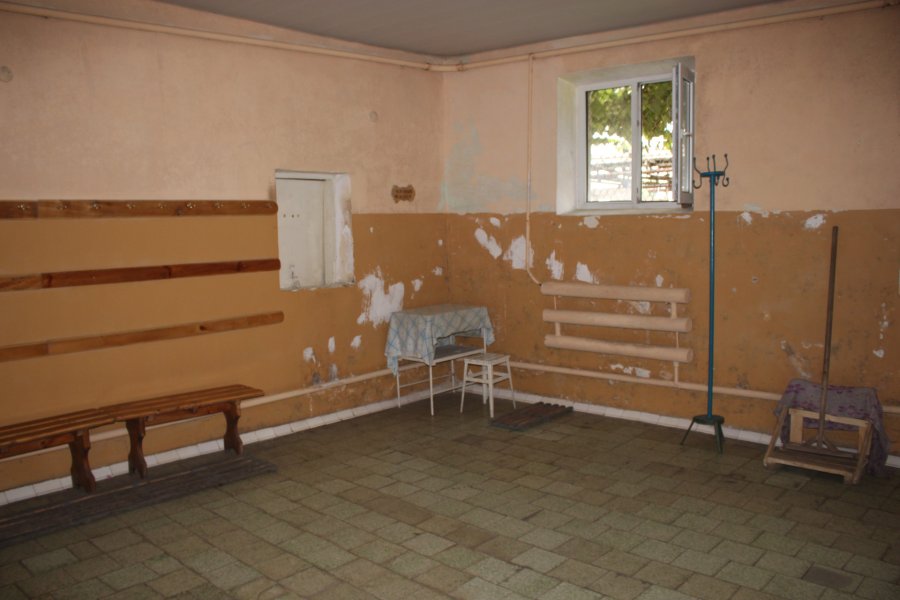
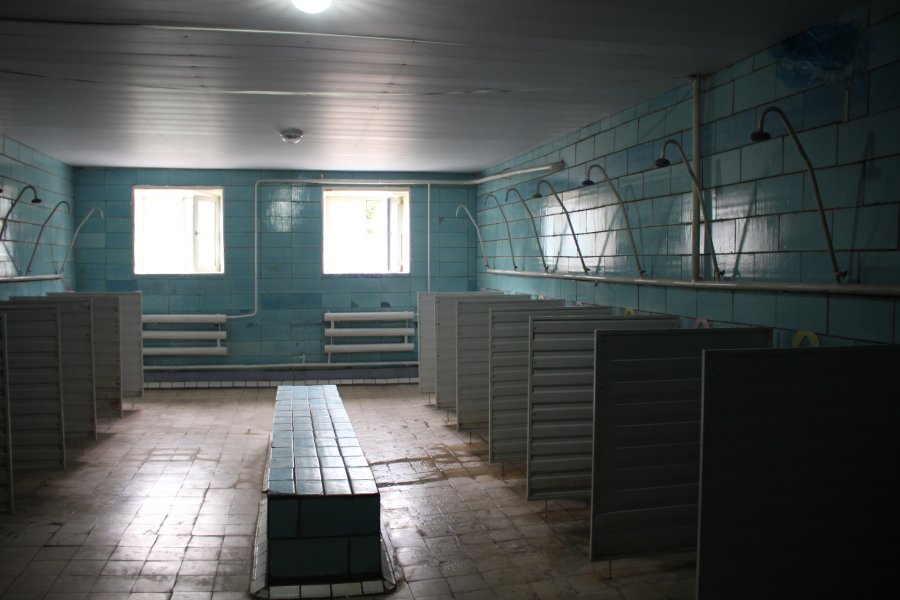
Medical examinations are conducted in the presence of other convicts. Shower stalls are not equipped with curtains, which prevents convicts from exercising their right to privacy during hygiene procedures.
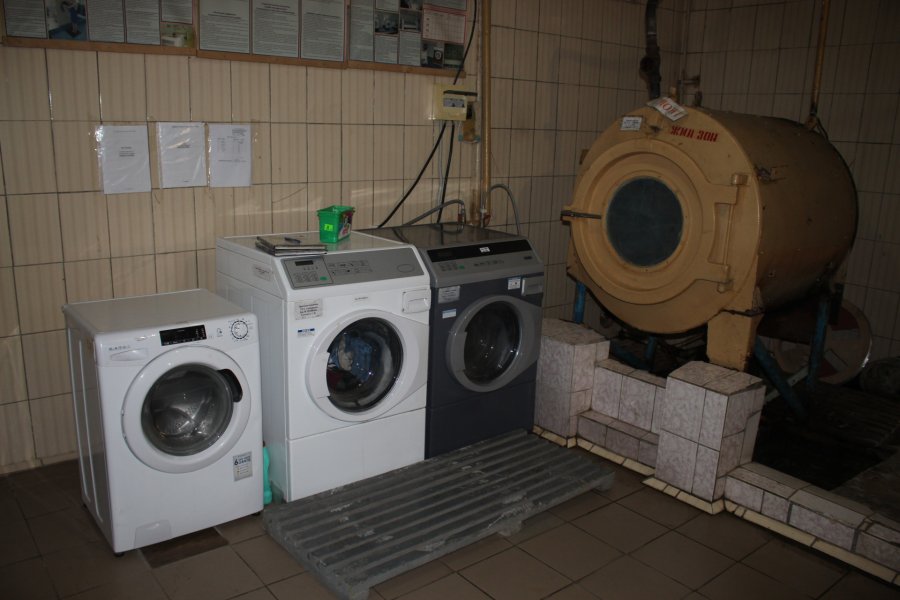
Washing machines:
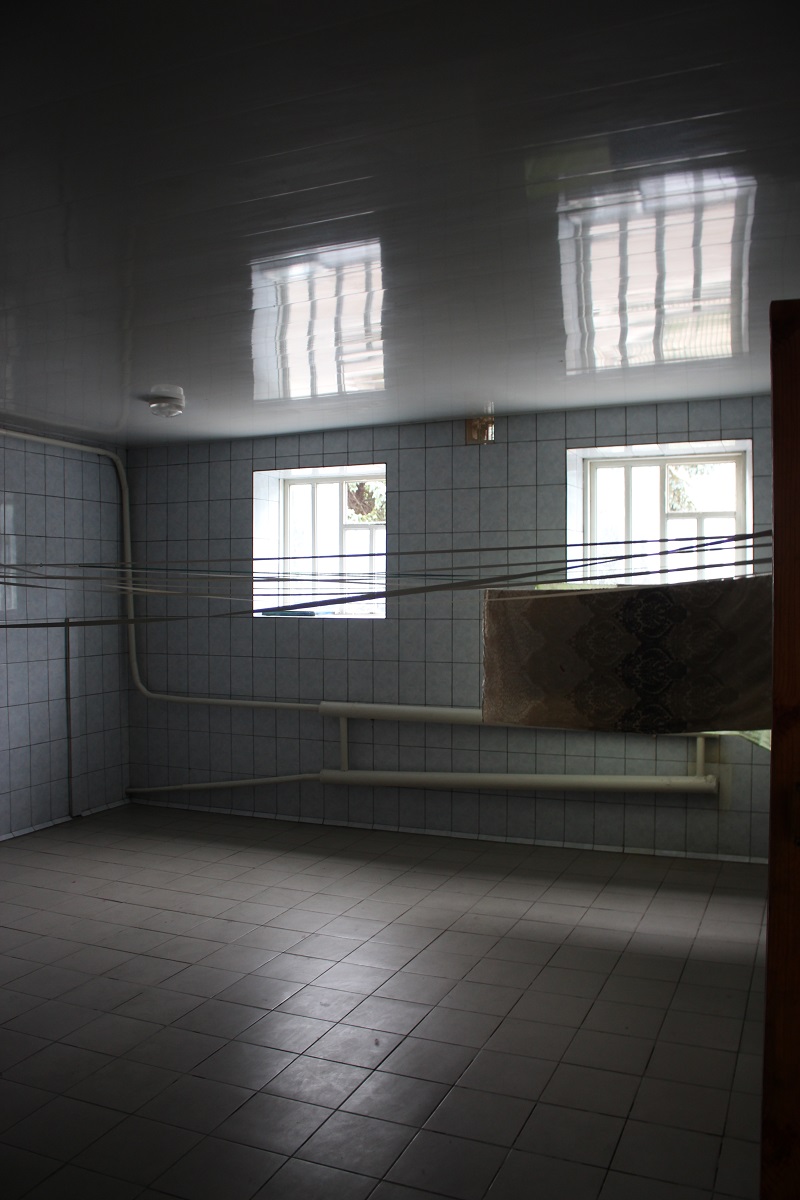
Laundry drying room:
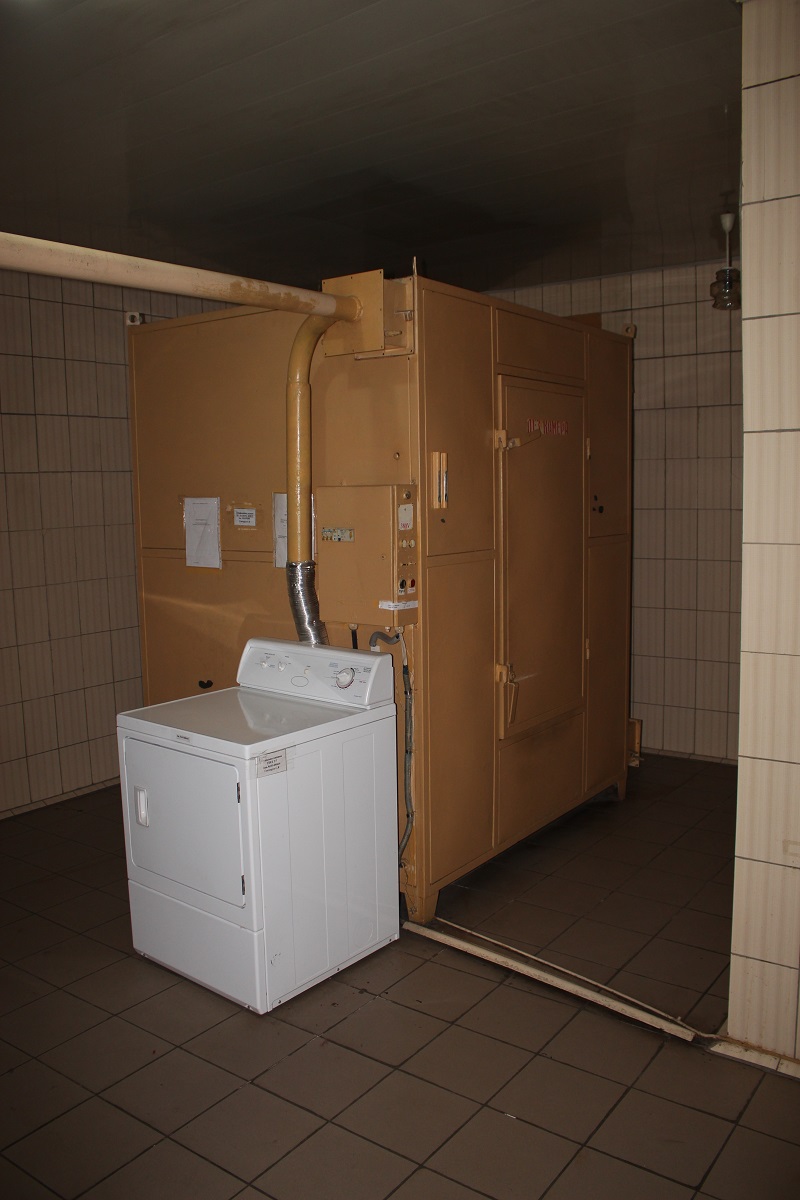
Disinfection cabinet:
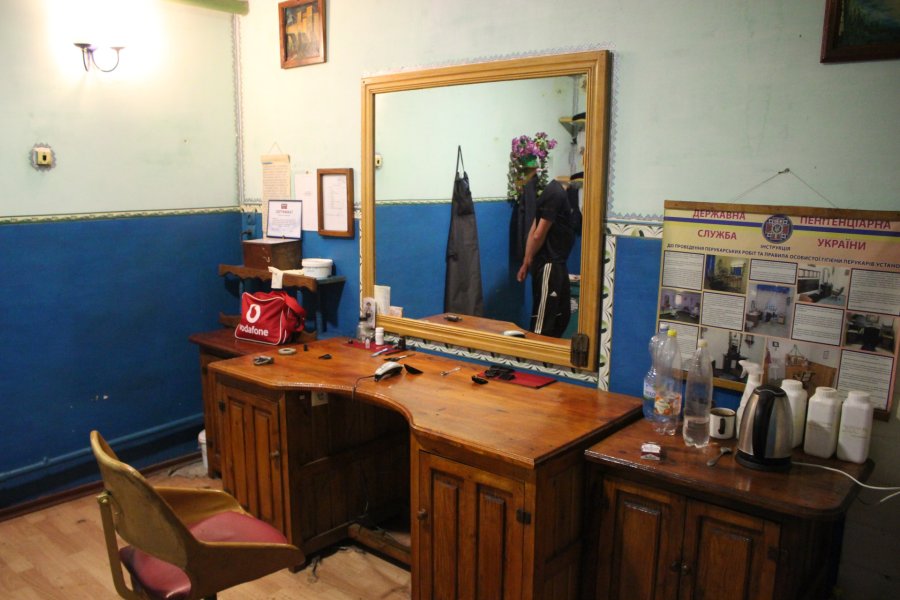
Hairdresser's:
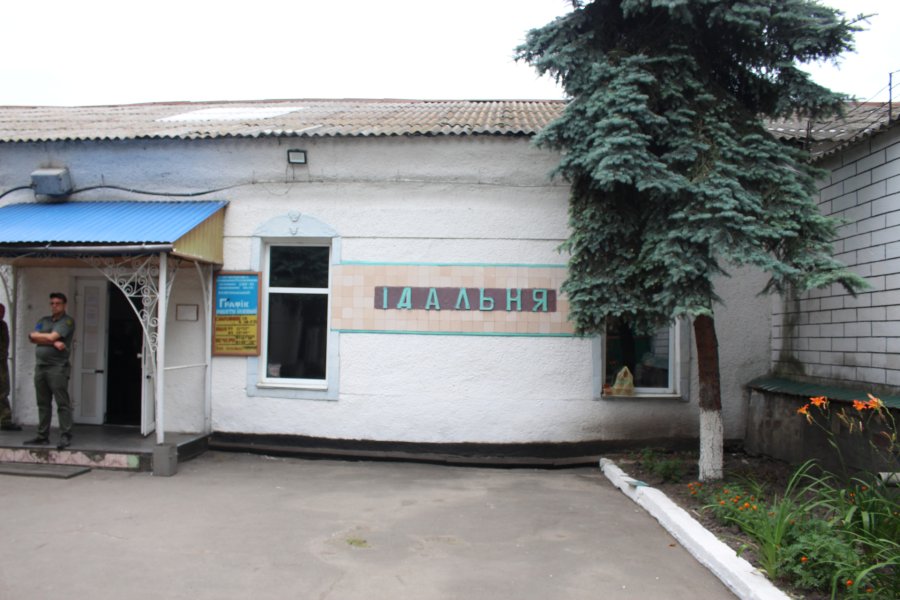
CATERING UNIT
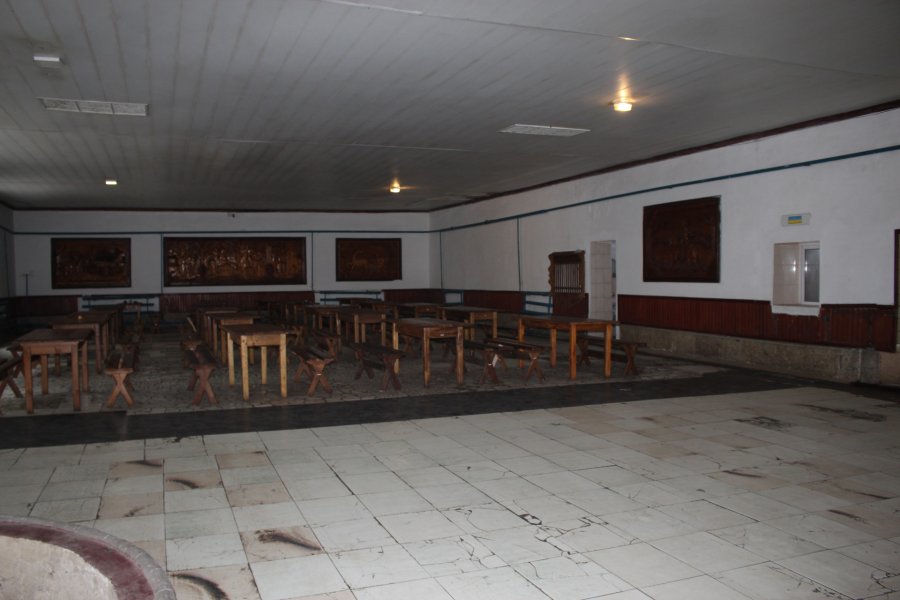
Large hall, dining tables:
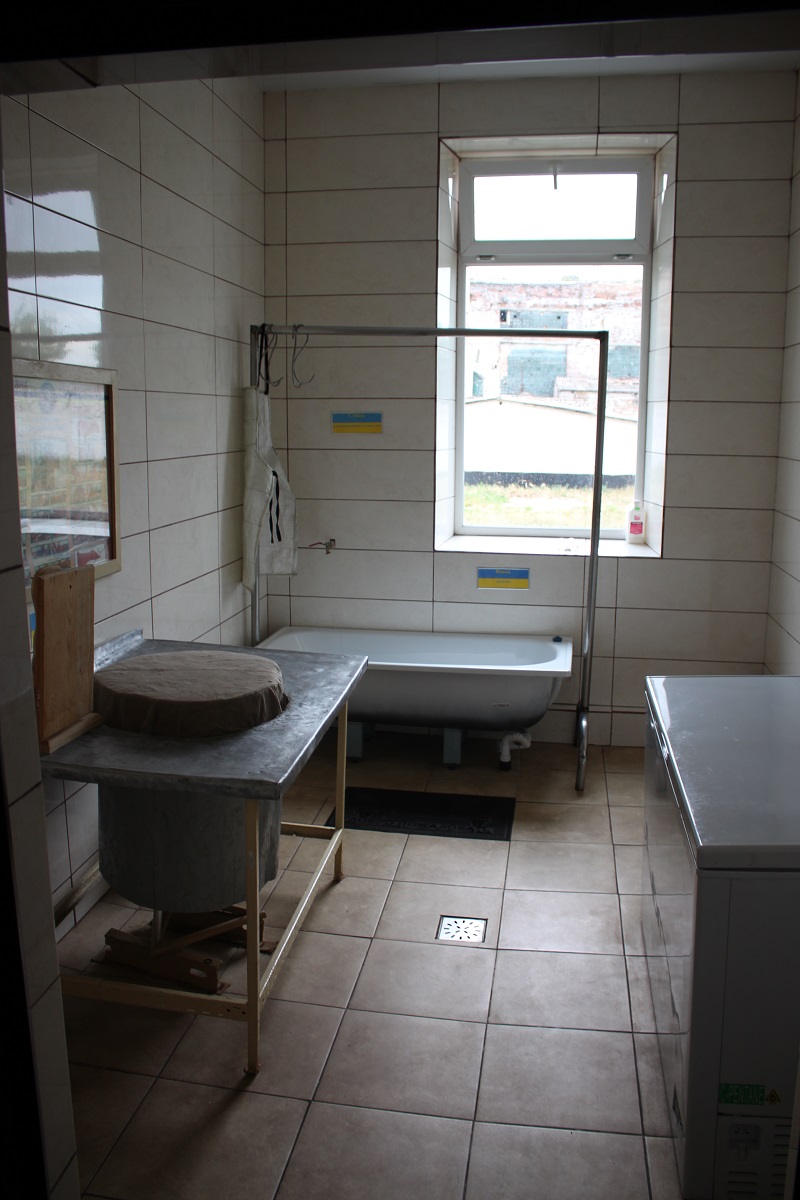
 Fish processing section:
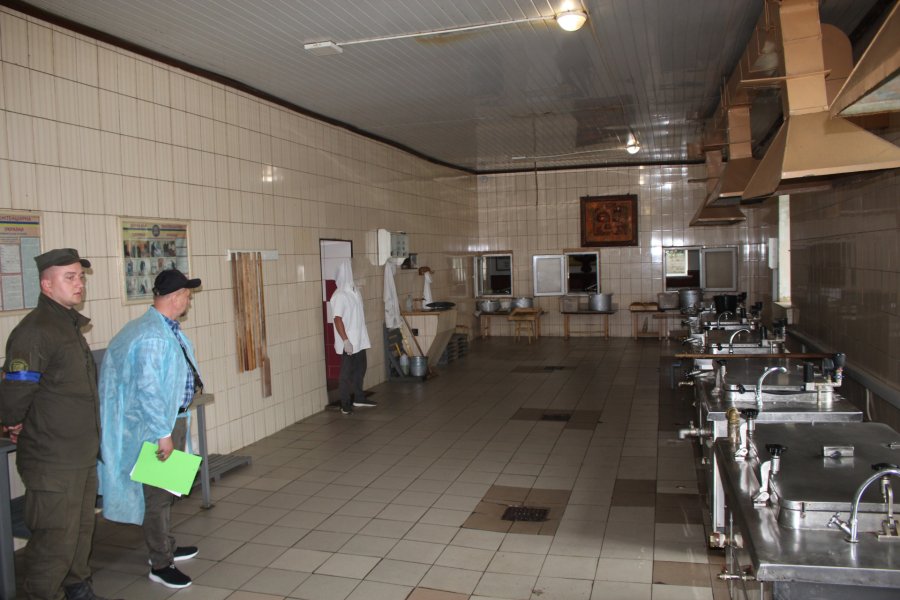
Cooking section:
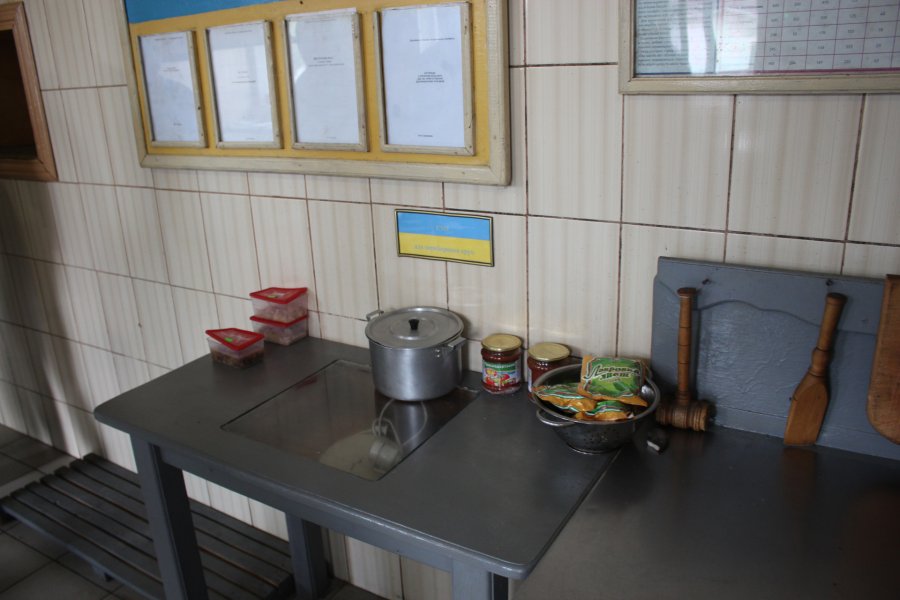
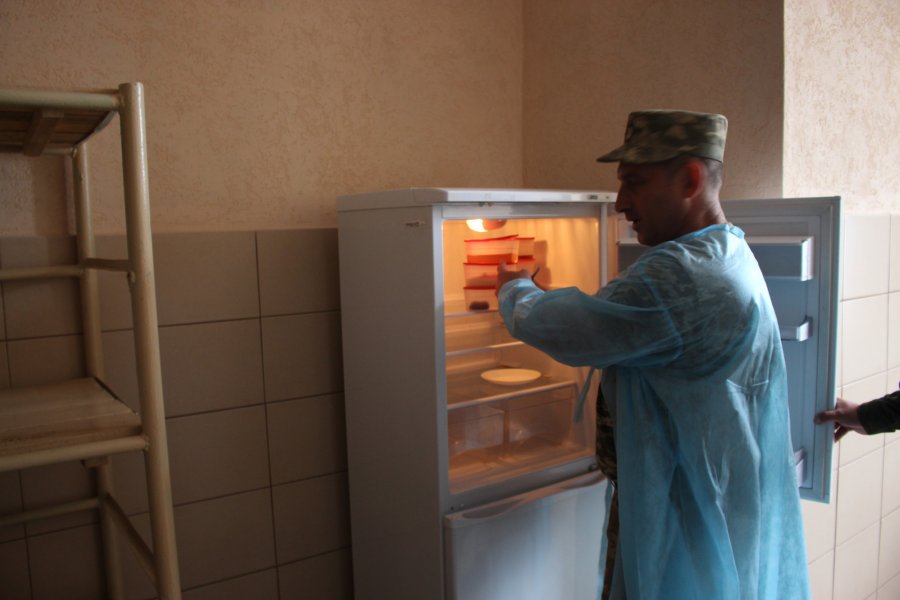
Meal samples:
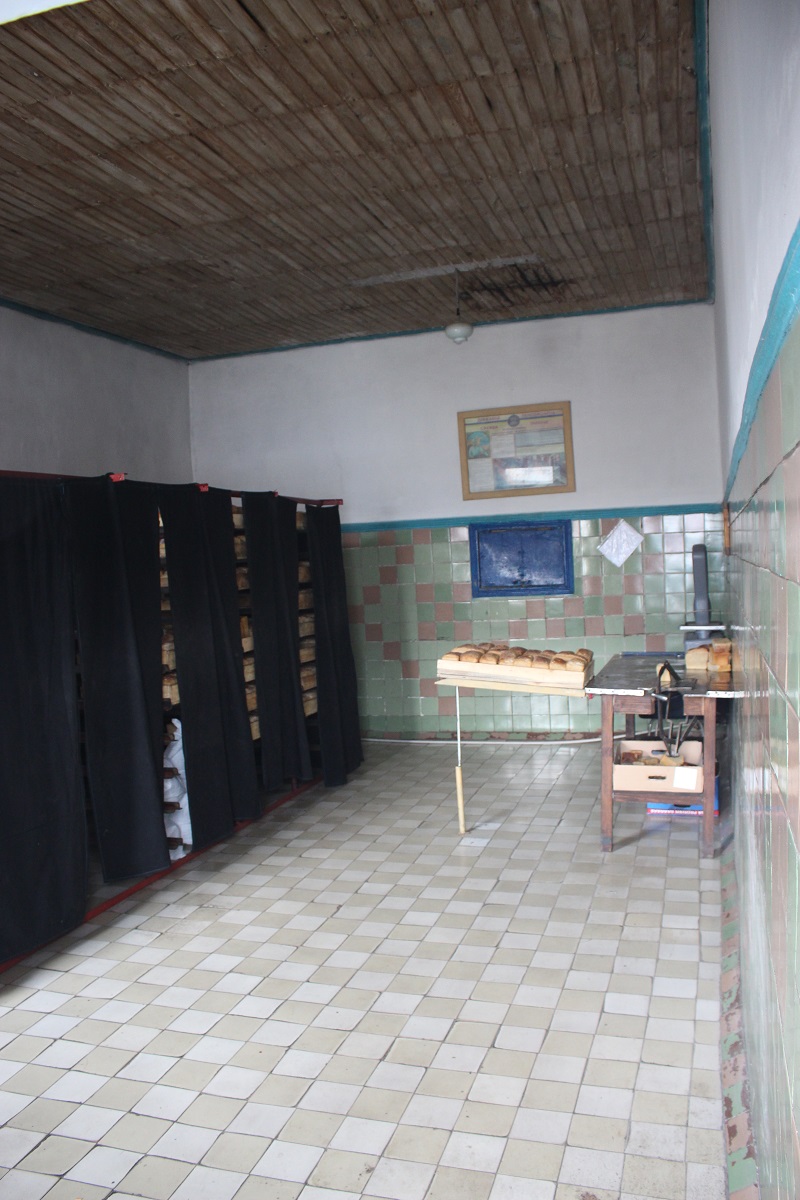
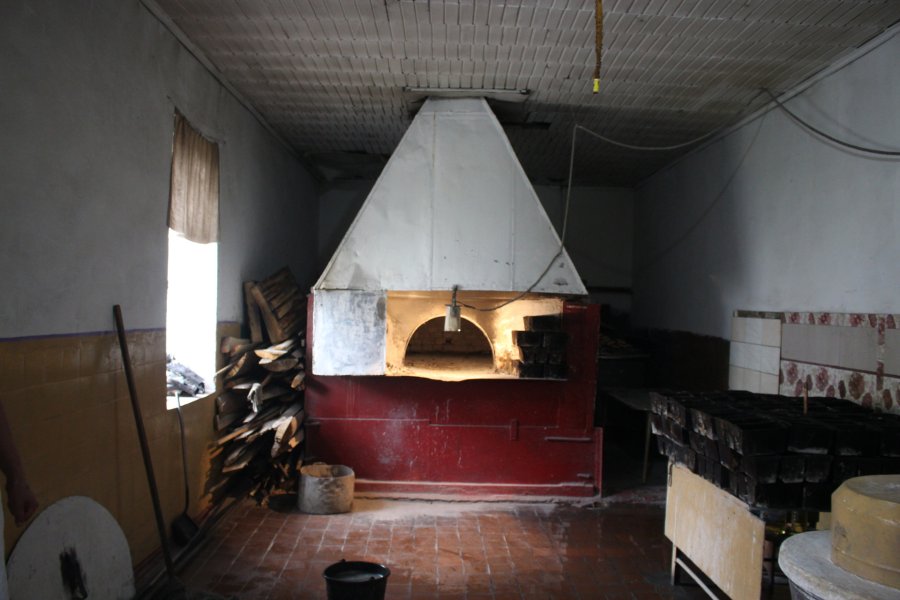
Home-baked bread.
All convicts working in the catering unit under employment contracts have properly maintained medical cards.
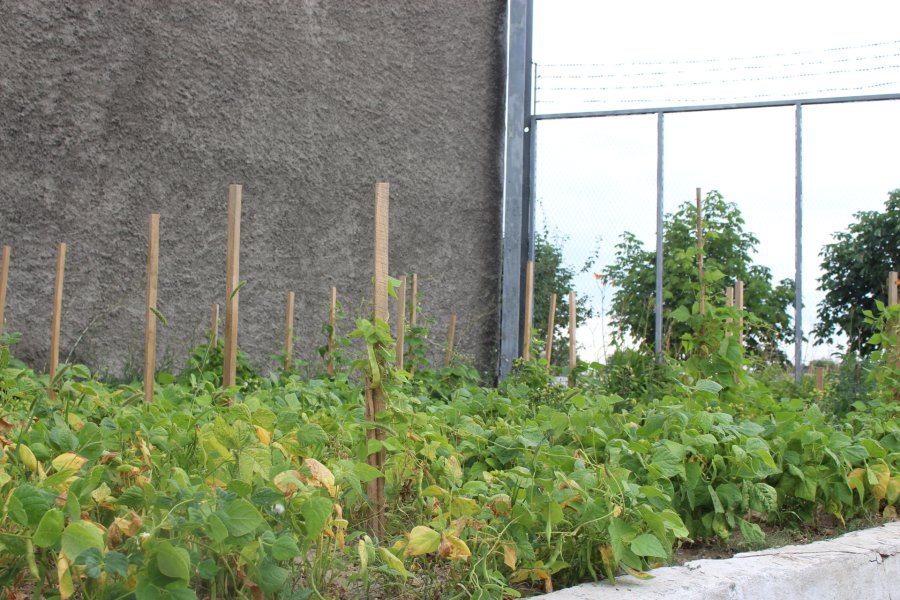
There is a personal vegetable garden for growing vegetables.
INDUSTRIAL ZONE
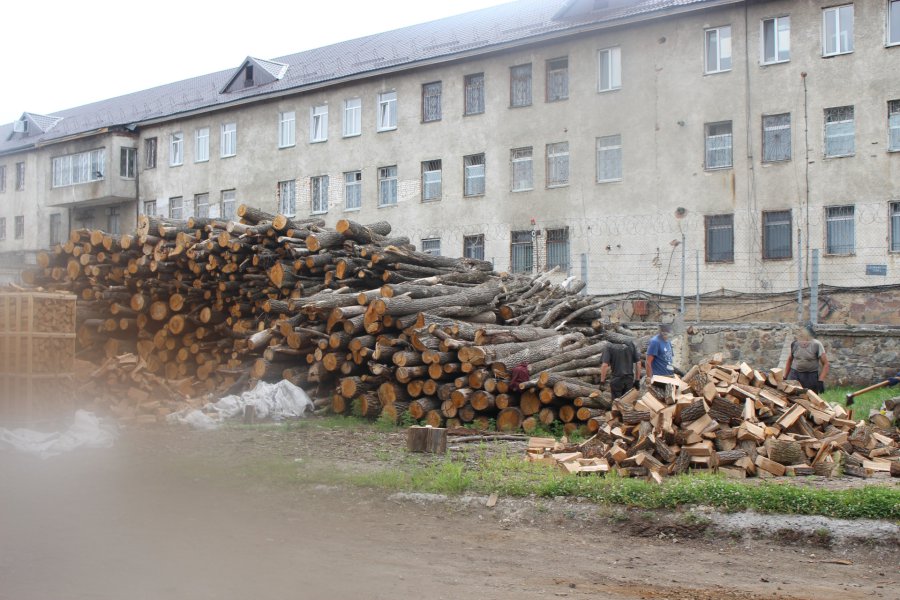
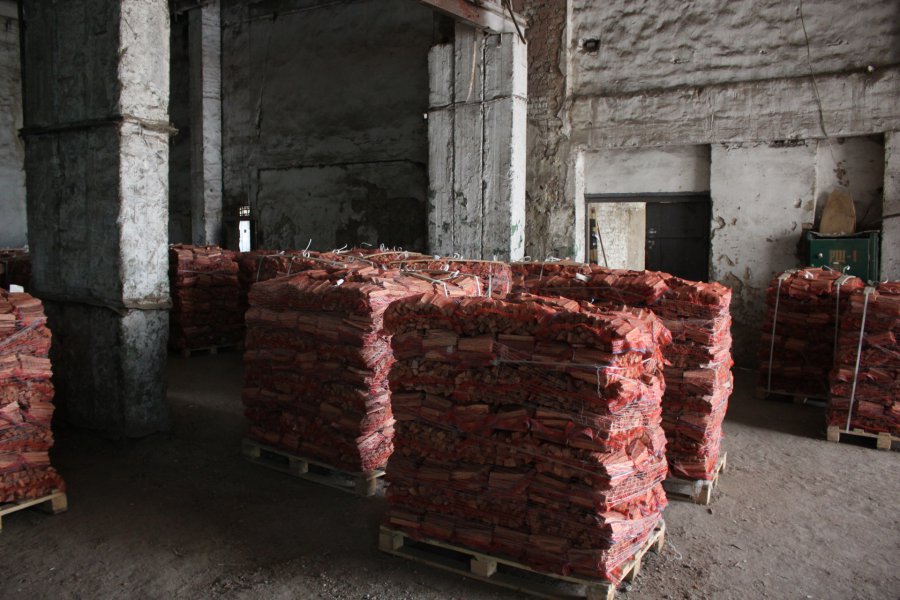
Wood products are manufactured. Due to the war, production volumes have decreased significantly.