Report on the results of the monitoring visit to Stryzhavka Correctional Colony No. 81
In accordance with the Optional Protocol to the Convention against Torture and Other Cruel, Inhuman or Degrading Treatment or Punishment, taking into account the provisions of the Standard Minimum Rules for the Treatment of Prisoners and the rulings of the European Court of Human Rights, and on the basis of Article 24 of the Penal Executive Code of Ukraine—Visiting Penitentiary Institutions—a group of monitors from the Kharkiv Human Rights Protection Group and the NGO ‘Protection of Prisoners of Ukraine’ carried out a follow-up visit to the state institution ‘Stryzhavka Correctional Colony No. 81’ (hereinafter referred to as SCC-81, the institution, or the facility).
The previous visit took place on 30 August 2024. A scheduled, regular, and comprehensive unannounced visit was conducted, and all facilities were inspected.
The visit was carried out on 06 June 2025. In preparation, the monitors used materials from complaints filed by convicts and their relatives, materials from previous reports, and the report of the monitors of the National Preventive Mechanism (NPM) under the Commissioner for Human Rights of the Verkhovna Rada of Ukraine. Complaints from convicts and their relatives were received via hotlines and at the public reception offices of the KHPG and the PPU.
The visit was conducted as part of the project ‘Reducing the suffering of prisoners in the context of the war in Ukraine’, funded by the government of Denmark in partnership with DIGNITY — The Danish Institute Against Torture.
The visit was conducted by the following monitors:
- Andriy Didenko — assistant to People’s Deputy of Ukraine Yaroslav Yurchyshyn, programme coordinator of the Kharkiv Human Rights Protection Group, with experience in monitoring visits since 2014;
- Serhiy Zuikov — assistant to People’s Deputy of Ukraine Kostiantyn Kasai, member of the Public Council under the Ministry of Justice of Ukraine, member of the public organisation ‘Protection of Prisoners of Ukraine’, with many years of experience in monitoring visits.
During the monitoring visit to SCC-81, numerous violations of national legislation and international standards for the treatment of prisoners were identified. Cells measuring less than 6 m² continue to be used to hold individuals, which contradicts the recommendations of the European Committee for the Prevention of Torture.
The organisation of work with newly arrived convicts does not meet the requirements of the Regulations on the Quarantine, Diagnostics, and Distribution Unit (KD&D) — in particular, deadlines for quarantine and medical examinations are violated, and the working group does not fulfil its duties regarding the induction of new arrivals.
Material and living conditions in the KD&D, the Disciplinary Isolation Unit (DIU), and cell-type premises (CTP) do not meet established standards: there is a lack of necessary facilities, proper equipment for storing personal belongings, access to drinking water, the observance of confidentiality during medical examinations, and provision for privacy in sanitary facilities.
Problems were also recorded with the organisation of catering, laundry and bath services, and sanitisation, which creates health risks for the convicts. Notable concerns include a critical shortage of staff, the open display of special equipment by staff members, and the practice of stigmatising convicts by placing cards containing information about their crimes on their beds.
In the sphere of labour, systemic violations of the labour rights of convicts were established. A certain number of individuals work in workshops, the canteen, the laundry and bath unit, at social rehabilitation sites, and under contracts with private companies without the proper formalisation of employment relations. Short-term fixed-term contracts are used without justification for their fixed-term nature, and cases of missing orders, timesheets, job descriptions, and briefings are widespread.
Some convicts work effectively without contracts or under civil-law agreements, even though they perform labour functions under the administration’s supervision. Such practices violate the requirements of the Constitution of Ukraine, the Labour Code, the Penal Executive Code, and ILO Conventions No. 29 and No. 95; they are indicative of hidden labour exploitation and deprive convicts of basic socio-labour guarantees.
The use of an unsuitable basement as a shelter without ventilation, a second exit, or an acceptance certificate was discovered in the institution, which poses a threat to the life and health of the convicts and contradicts both national and international law.
General Information
SCC-81 is a penitentiary institution under the jurisdiction of the Ministry of Justice of Ukraine. It is a medium-security correctional facility for holding men who have previously served sentences in places of deprivation of liberty.
The facility is located at the following address: 62 Alei St., Stryzhavka, Vinnytsia District, Vinnytsia Region, 23210.
The head of the institution is Colonel of the Internal Service Oleh Vasylovych Vitrynskyi.
The facility consists of a duty unit, socio-psychological service units, a canteen, a Disciplinary Isolation Unit (DIU), cell-type premises (CTP), a medical unit, a laundry and bath complex, visitation rooms, a shop, a library, a parcel collection room, and administrative premises. Located on the territory of the facility is the Multidisciplinary Hospital No. 81 of the branch of the state institution ‘Health Care Centre of the State Penal Executive Service of Ukraine’ in the Vinnytsia region.
According to the institution’s administration, the authorised staff headcount consists of 303.5 positions. The actual number is 226 positions. The total staff vacancy rate in the institution is 78 employees. The planned capacity of the facility is 1,332 people. The actual number of convicts is 343.
There are 5 socio-psychological service units functioning in the facility, with 2 units currently mothballed. There are 3 psychologists working in the institution. In 2024, 16 convicts died, and 6 died during 2025. 141 convicts are employed: 44 under labour contracts and 97 under civil-law contracts.
In the DIU unit, 4 people were held; in CTP, 1; and in the remand unit, 8. On operational-preventive registration, there were: 19 people prone to suicide (2 suicides in 2024), 8 prone to self-harm, 3 prone to escape, and 18 convicts classified as malicious violators of the regime.
During 2024-2025, no one filed complaints regarding inadequate conditions of detention or the improper provision of medical care. 11 people have disabilities.
Convicts have 50 tablets in their personal use, and 3 people have email addresses. Over the last six months, 9 prosecutorial response acts have been filed. During 2024, 24 cases of bodily injury sustained while at the facility were recorded, and during 2025, 9 cases of bodily injury sustained while at the institution were recorded.
The monitoring group interviewed about 157 convicts during visits to the industrial zone, socio-psychological service units, the canteen, and disciplinary premises. General conversations were held, including consultations and answers to questions, as well as surveys regarding human rights violations and individual interviews, including those conducted under conditions of anonymity.
Positive Experience
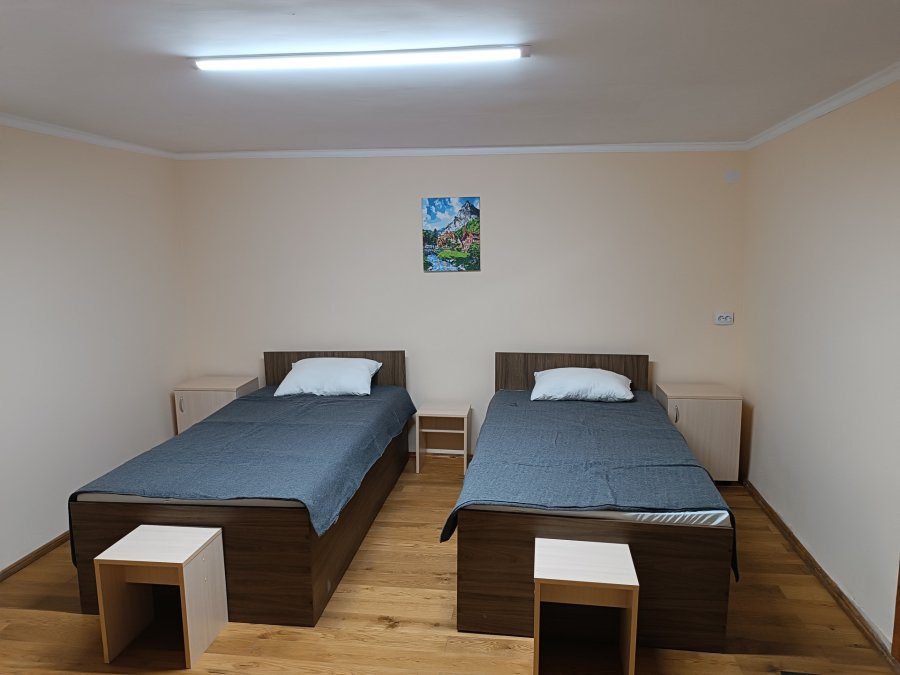
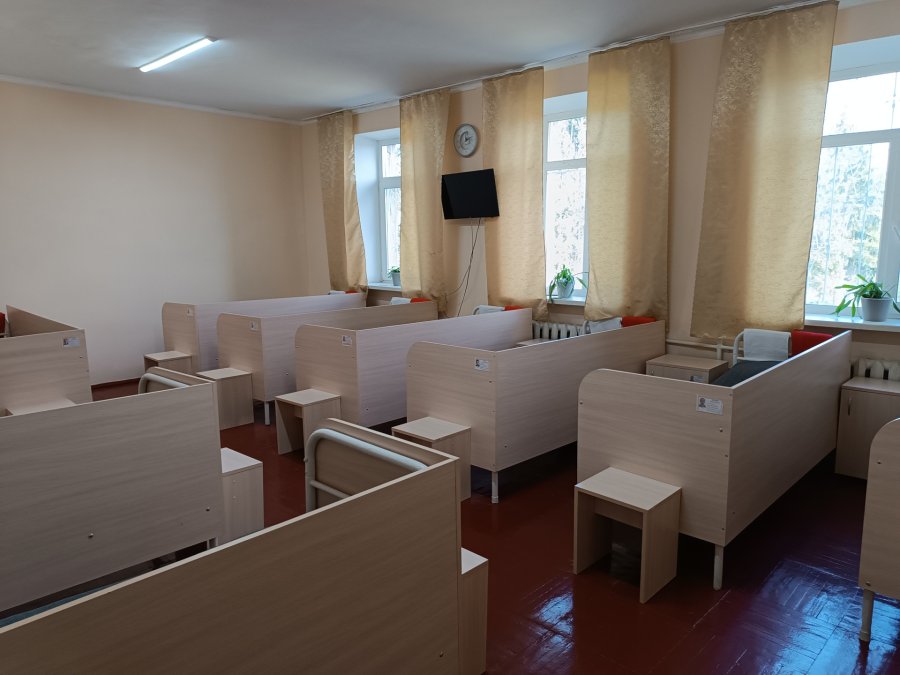
The institution is constantly taking measures to improve the conditions for serving sentences, namely: in 2024, the premises of the social rehabilitation unit were renovated (including a dining room, a room for storing personal belongings, rooms for long-term visits, a shower room, a changing room for convicts, five sleeping quarters, a room for group work with convicts, two sanitary facilities, and a ‘face-to-face’ room for individual work with convicts, as well as a sports ground for convicts) and furnished with all necessary furniture, including ensuring that all convicts are provided with beds that offer individual space.
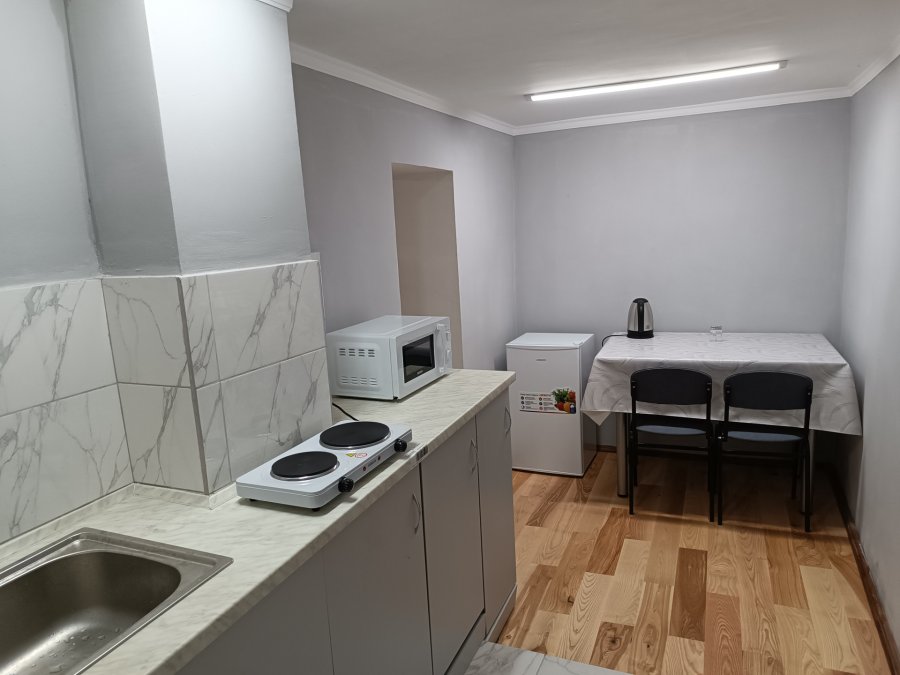
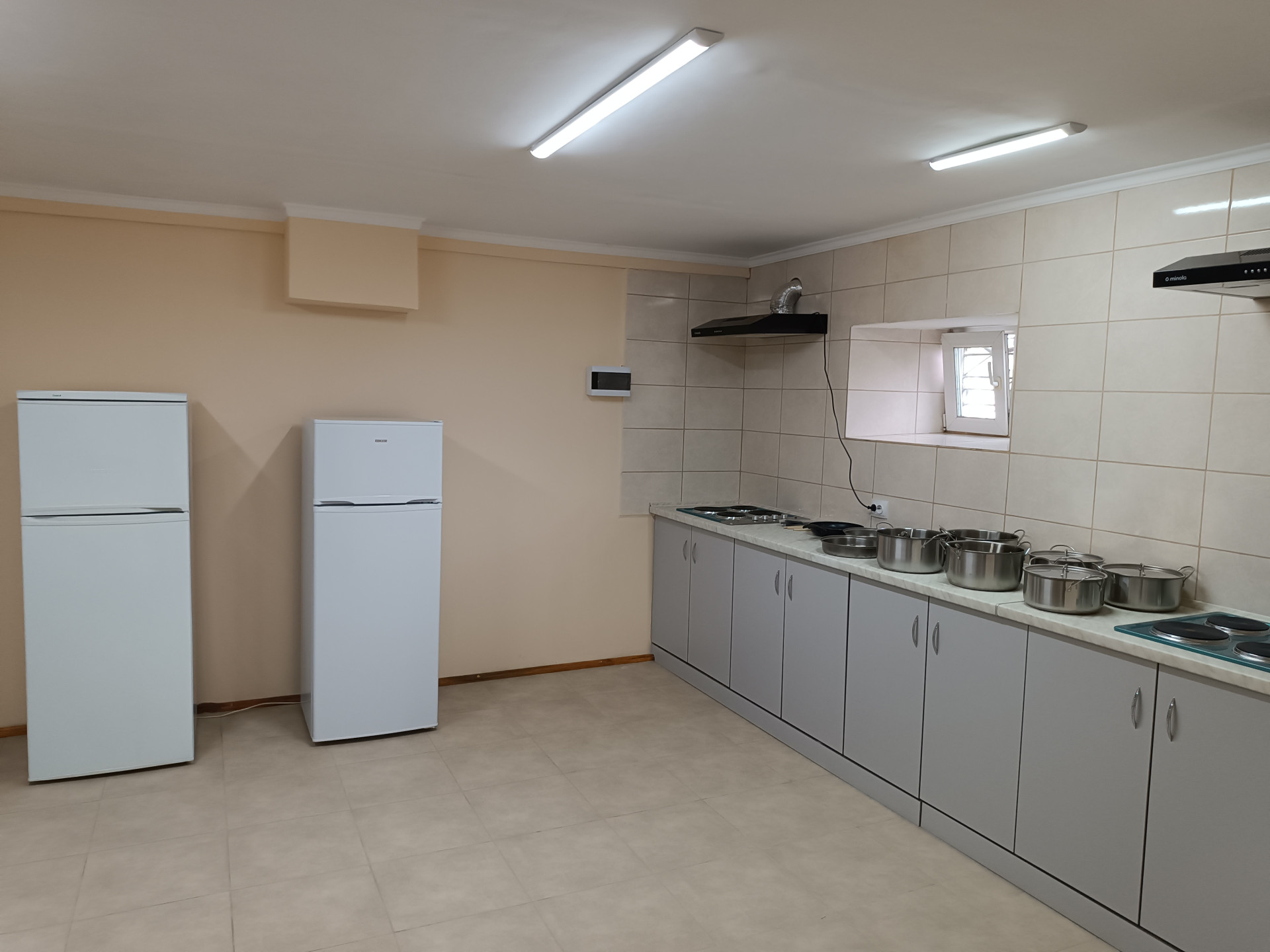
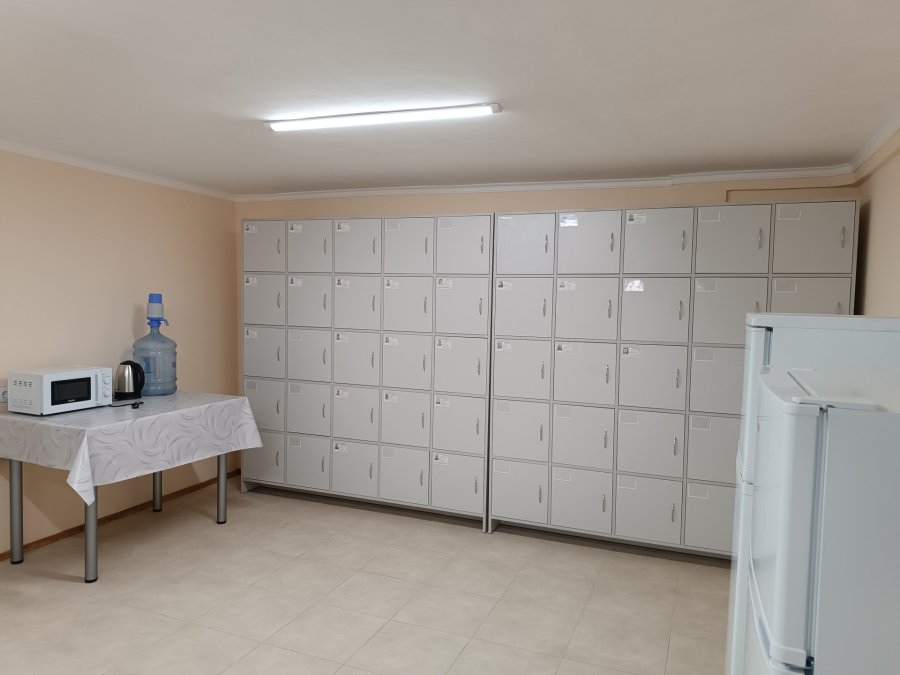

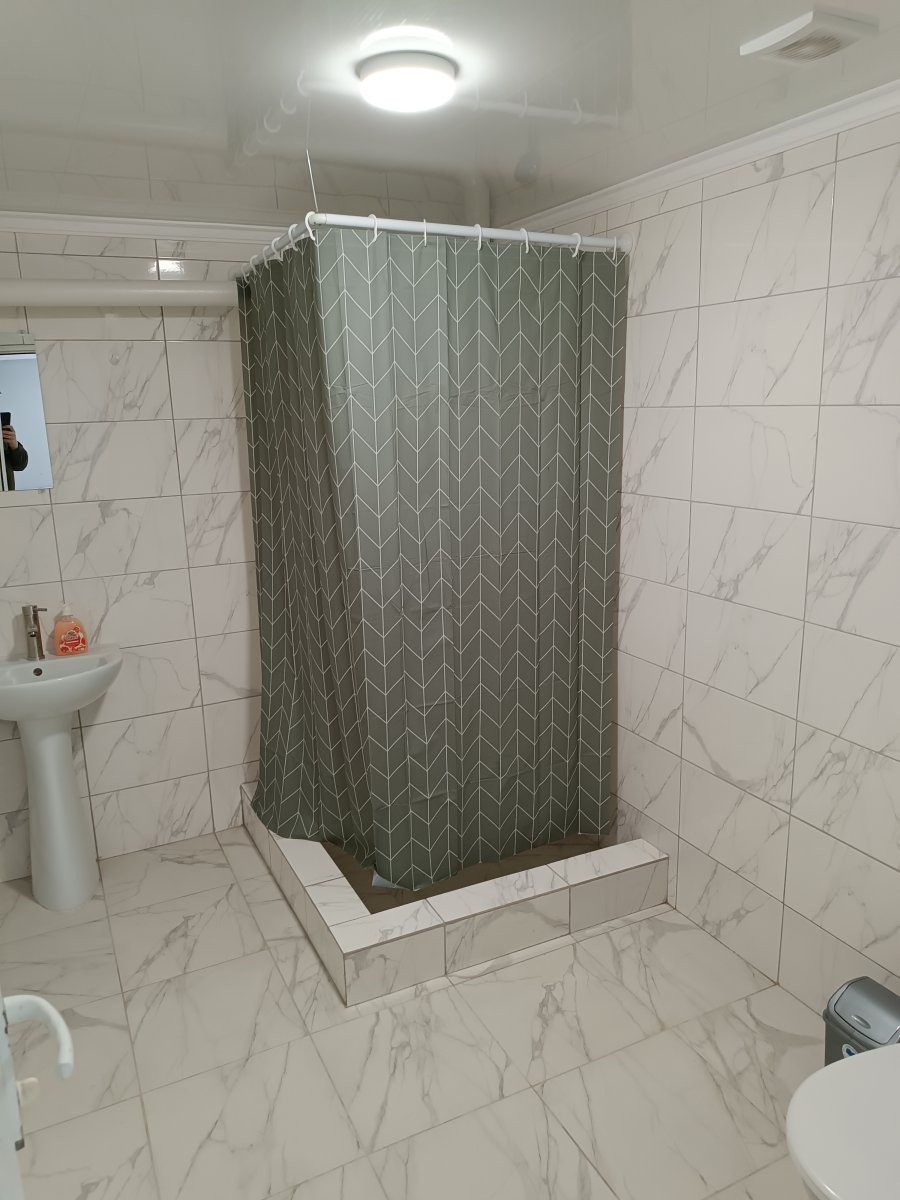
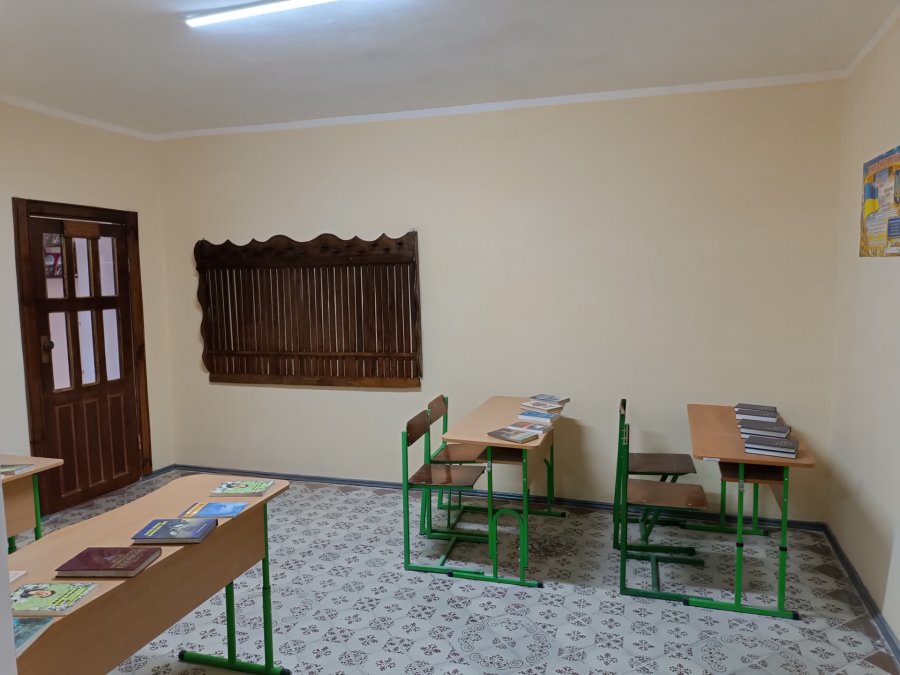
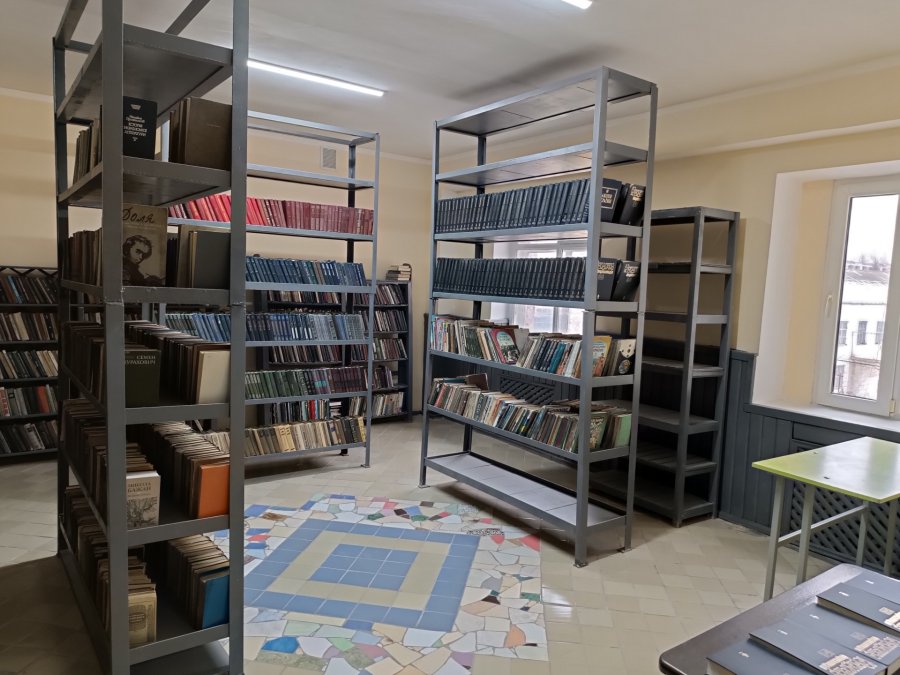
During 2025, repair work was carried out in the school for convicts in the history and geography classrooms, the library, the reading room, and the sanitary facility.
In the institution, the socio-psychological service unit No. 3 was renovated (including the dining room, room for storing personal belongings, six sleeping quarters, room for educational work with convicts, and the sanitary facility).
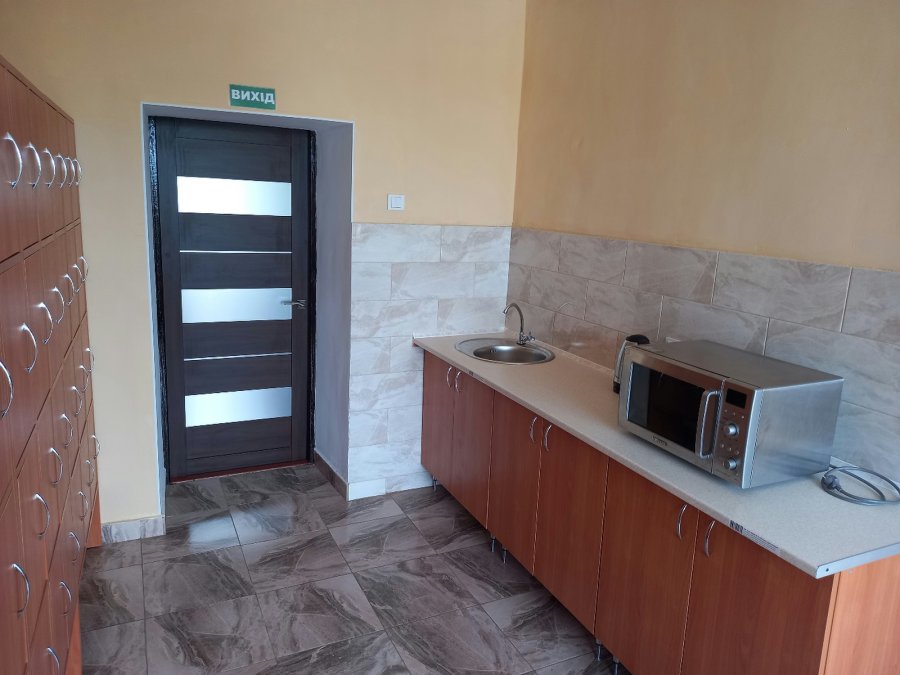
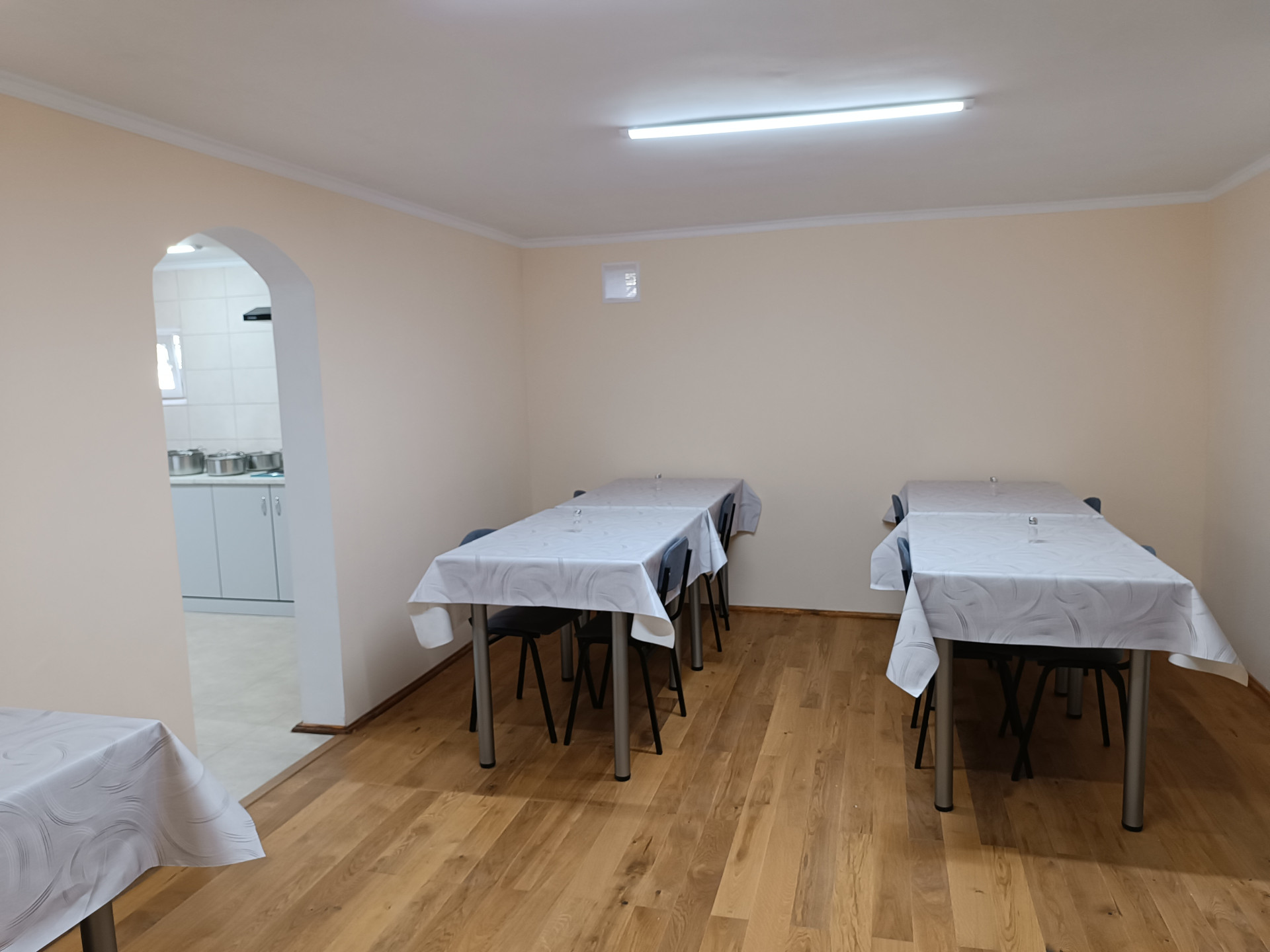
At present, repair work is being carried out in the socio-psychological service unit No. 4.
Facts Discovered During the Visit
In the course of the monitoring visit, violations of national legislation and failure to adhere to international recommendations in the sphere of the treatment of prisoners were identified, which lead to violations of the rights of convicts:
1. Paragraph 59 of the 21st General Report of the European Committee for the Prevention of Torture and Inhuman or Degrading Treatment or Punishment (hereinafter — the Committee) states that any cell measuring less than 6 m² should no longer be used for the detention of prisoners (CPT/Inf(2011)28). In the Report of the Government of Ukraine on the results of the visit to Ukraine in 2012, the Committee (CPT) notes that single-occupancy cells must have a living area of at least 6 m² (excluding the integrated sanitary facility), and the distance between the cell walls must be at least 2 m (CPT/Inf(2013)23, paragraph 45).
At the same time, the monitoring group established that cell No. 27 of the Sector for holding persons in custody has an area of only 4.9 m², which does not meet the stated requirements, according to the act measuring the area of the premises of the structural divisions.
2. The monitoring group established that the administration and staff of the institution do not ensure the proper organisation of work with newly arrived convicts. During the visit to the Quarantine, Diagnostics, and Distribution unit (hereinafter — KD&D), violations of the requirements of Article 95 of the Penal Executive Code of Ukraine and paragraph 3 of Section I of the Regulations on the KD&D unit, approved by the order of the Ministry of Justice of Ukraine dated 04 November 2013 No. 2300/5, registered with the Ministry of Justice of Ukraine on 04 November 2013 under No. 1864/24396 (hereinafter — Regulations on the KD&D), were identified.
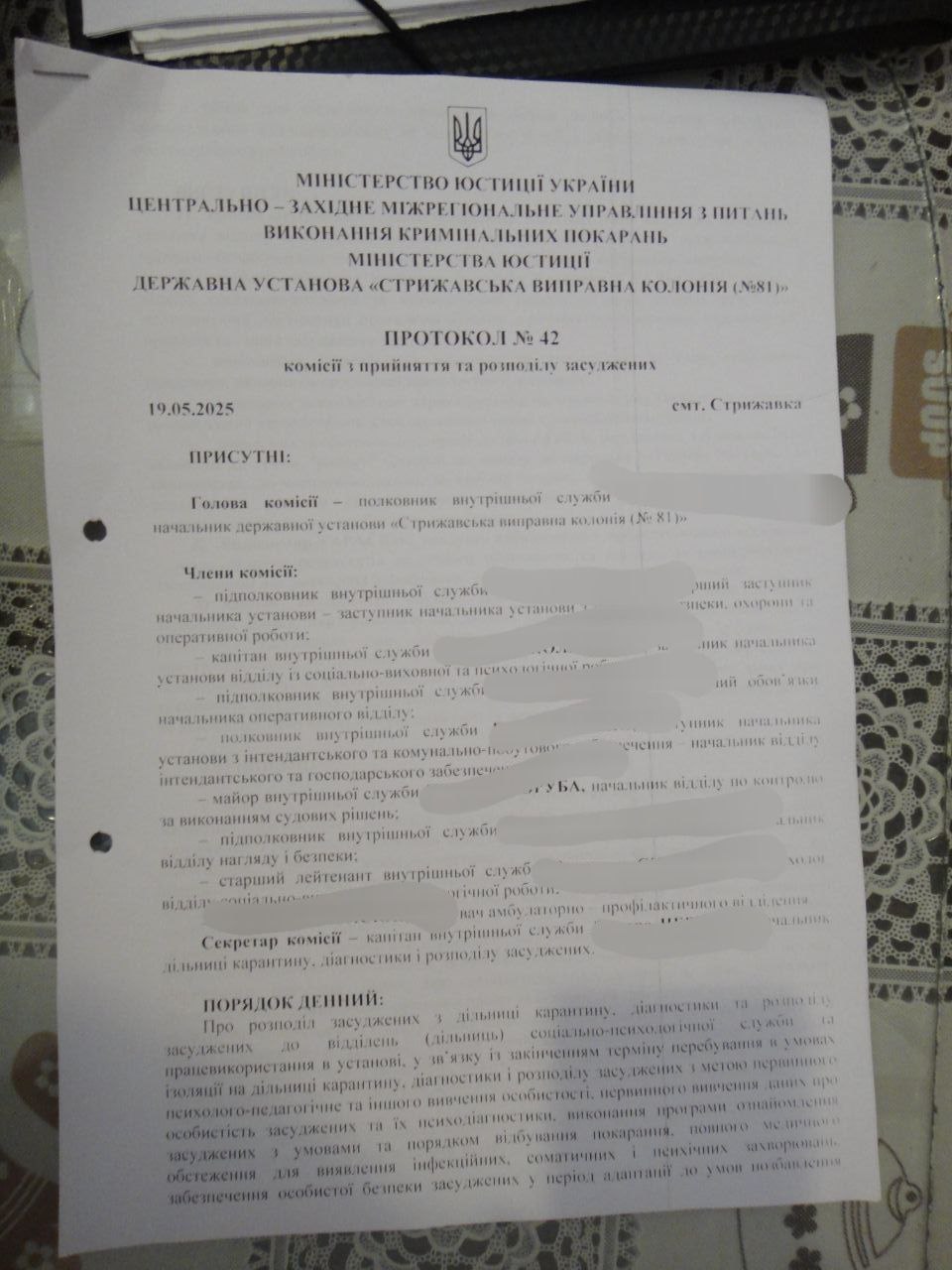
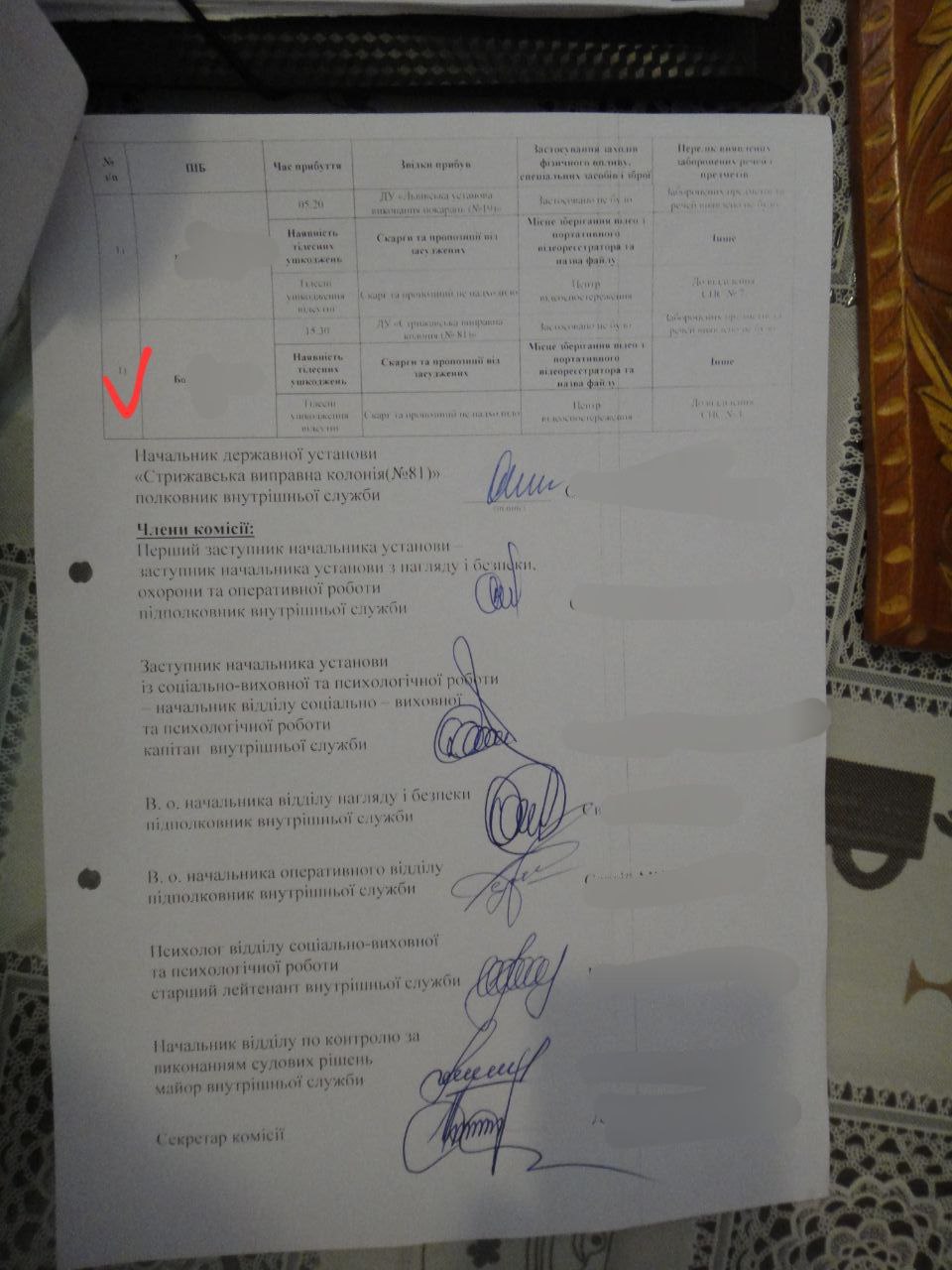
According to the information provided by the institution’s administration, on 18 May 2025, convict B. arrived at the institution, which is confirmed by the relevant entry in the official documentation. In accordance with current legislation, newly arrived individuals placed in the KD&D must undergo a full medical examination within 14 days to identify infectious, somatic, and mental illnesses, as well as a primary psychological, pedagogical, and other assessment.
Thus, the assignment of convict B. to a socio-psychological service unit (hereinafter — SPS) of the institution should have taken place no earlier than 31 May 2025. However, according to Protocol No. 42 of the meeting of the commission on the admission and distribution of convicts dated 19 May 2025, a decision was made to transfer convict B. from the KD&D unit to the SPS unit. This indicates that convict B. was in the KD&D unit for no more than one day, which violates the established 14-day period.
2. In accordance with paragraph 5 of Section II of the Regulations on the KD&D, it is provided that the planning of activities for the induction programme for newly arrived convicts must be carried out in such a way that each member of the working group visits the KD&D unit at least once a week.
However, during the analysis of the logbook for visiting the quarantine, diagnostics, and distribution unit by representatives of the administration (hereinafter — the KD&D unit visitation log), it was established that the head of the outpatient polyclinic department of ‘Stryzhavka Multidisciplinary Hospital No. 81’, who is part of the working group, does not visit the unit with the prescribed frequency, thereby violating the requirements defined by the Regulations regarding participation in work with newly arrived convicts.

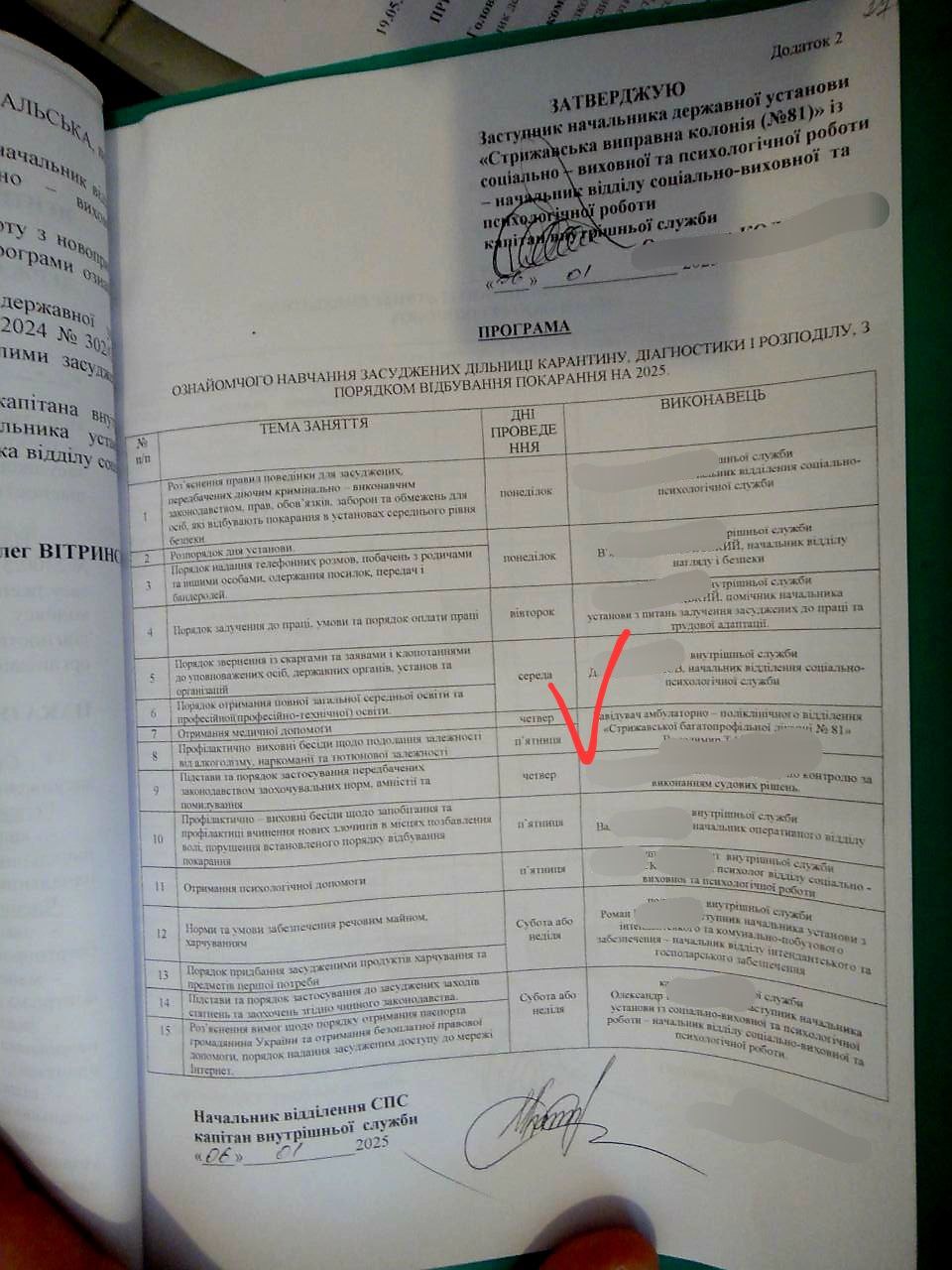
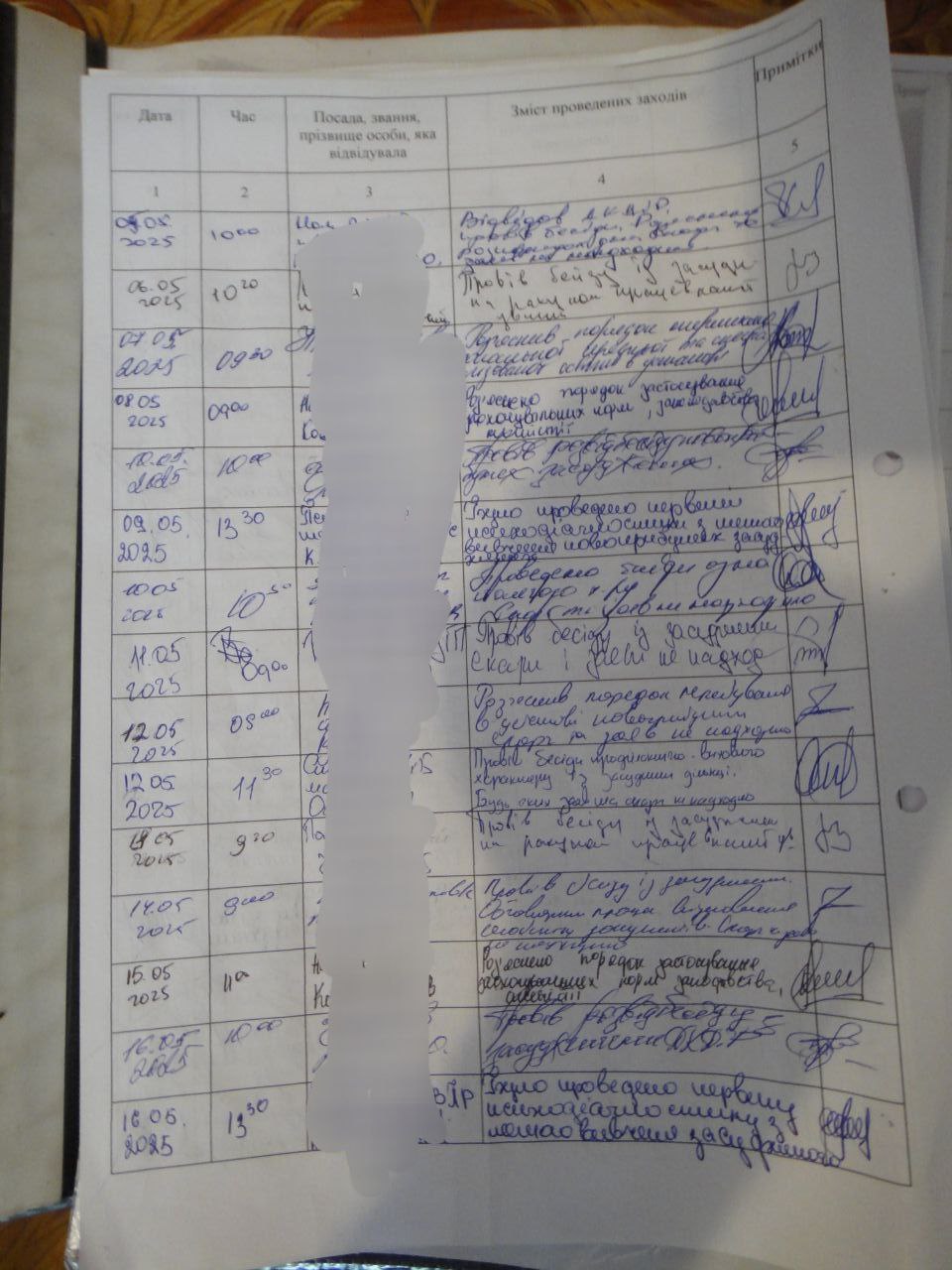
Thus, the organisation of work with newly arrived convicts, including the implementation of measures in accordance with the induction programme in the KD&D unit by members of the working group, is not carried out in full.
3. In violation of the requirements of the Norms for the provision of furniture, inventory, and household items for medium-security correctional colonies, approved by the order of the Ministry of Justice of Ukraine dated 27.07.2012 No. 1118/5 (hereinafter — Provision Norms), the following rooms are missing in the KD&D unit: a room for storing the exchange stock of bedding, clothing items, and special clothing; a storeroom for the temporary storage of soiled bedding, clothing items, and special clothing; a wardrobe; a household room; and a drying room.
The absence of these premises or their improper equipment causes violations of sanitary and hygienic standards. As a result, the improper organisation of the storage of personal belongings complicates the maintenance of cleanliness and order in the premises where convicts are held, which worsens the overall sanitary situation in the institution.
4. Contrary to the requirements of Rule 22.5 of the European Prison Rules and the Provision Norms, the living premises of the KD&D unit and the SPS unit are not equipped with drinking water containers.
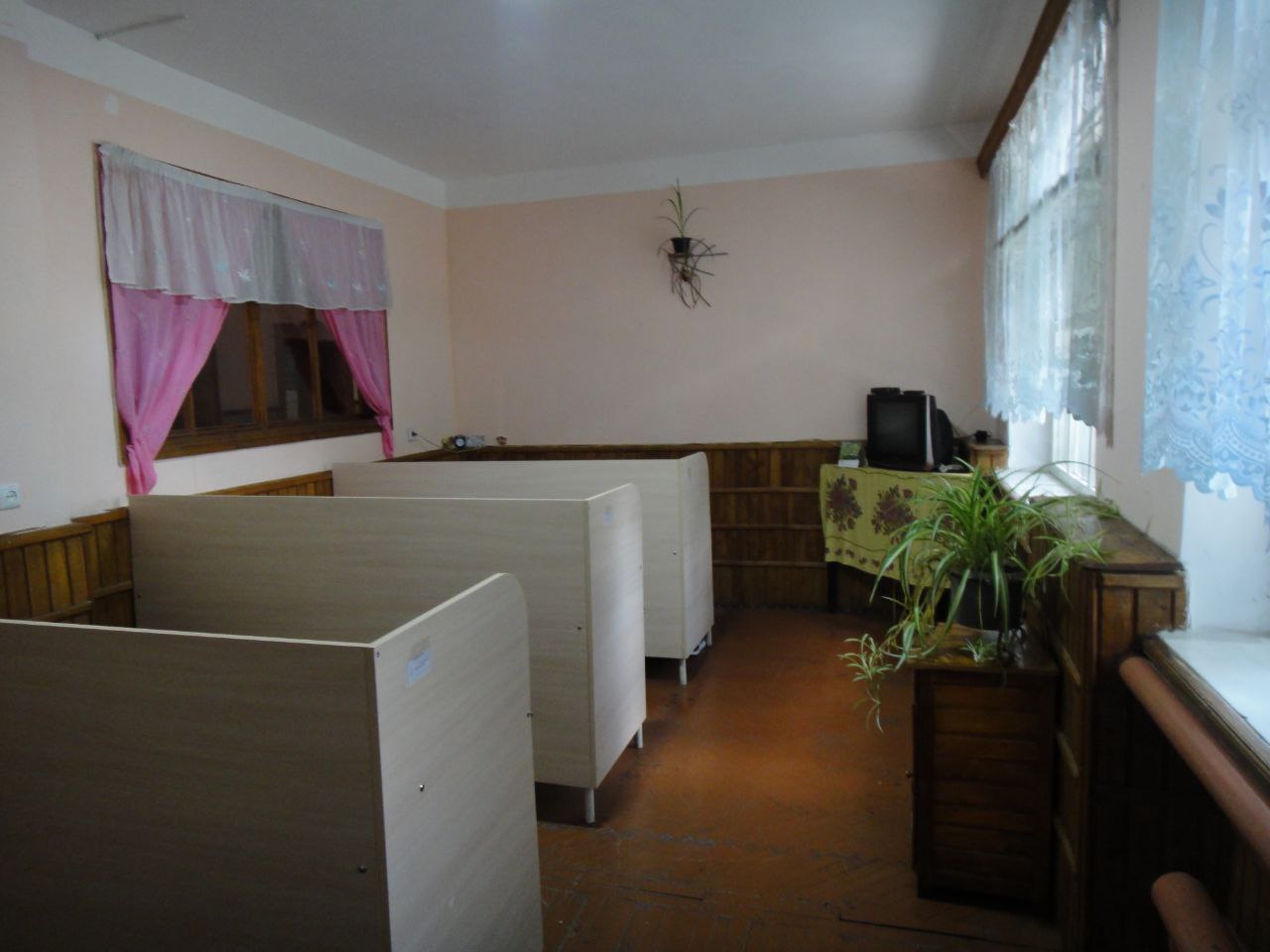
5. The equipment of the DIU/CTP premises does not meet the standards for the treatment of prisoners and conditions of their detention according to their needs. Thus, in violation of the requirements of the Norms for the provision of furniture, inventory, and household items for a medium-security correctional colony, approved by the order of the Ministry of Justice of Ukraine dated 27.07.2012 No. 1118/5 (hereinafter — Provision Norms), the unit lacks a number of premises, namely: a room for receiving convicts by the administration and medical staff, a room for storing the exchange stock of bedding, clothing items, and special clothing; in the room for storing food products and washing tableware, a double-compartment sink with a mixer tap is missing.
The absence of these premises or their improper equipment leads to a violation of sanitary and hygienic norms. Thus, the improper organisation of the storage of personal belongings complicates the maintenance of cleanliness and order in the premises where convicts are held, which worsens the overall sanitary situation in the institution. Furthermore, the lack of a room for the examination of convicts by medical staff, resulting in the medical examination of convicts being conducted in the cell premises, indicates that staff of the institution and other persons among the convicts gain access to confidential information regarding the health status of the convicts during medical examinations, manipulations, or procedures.
The above violates the requirements of Article 39-1 of the Law of Ukraine ‘Fundamentals of the Legislation of Ukraine on Health Care’ regarding the right of persons to confidentiality of their health status, and paragraph 9 of Section I of the ‘Procedure for organising the provision of medical care to persons sentenced to imprisonment’, approved by the joint order of the Ministry of Justice of Ukraine and the Ministry of Health of Ukraine dated 15.08.2014 No. 1348/5/572 (hereinafter — the Procedure).
6. The sanitary facilities in the DIU/CTP cell premises are not equipped with sufficient partitions that would ensure privacy, which violates Rule 19.3 of the European Prison Rules.
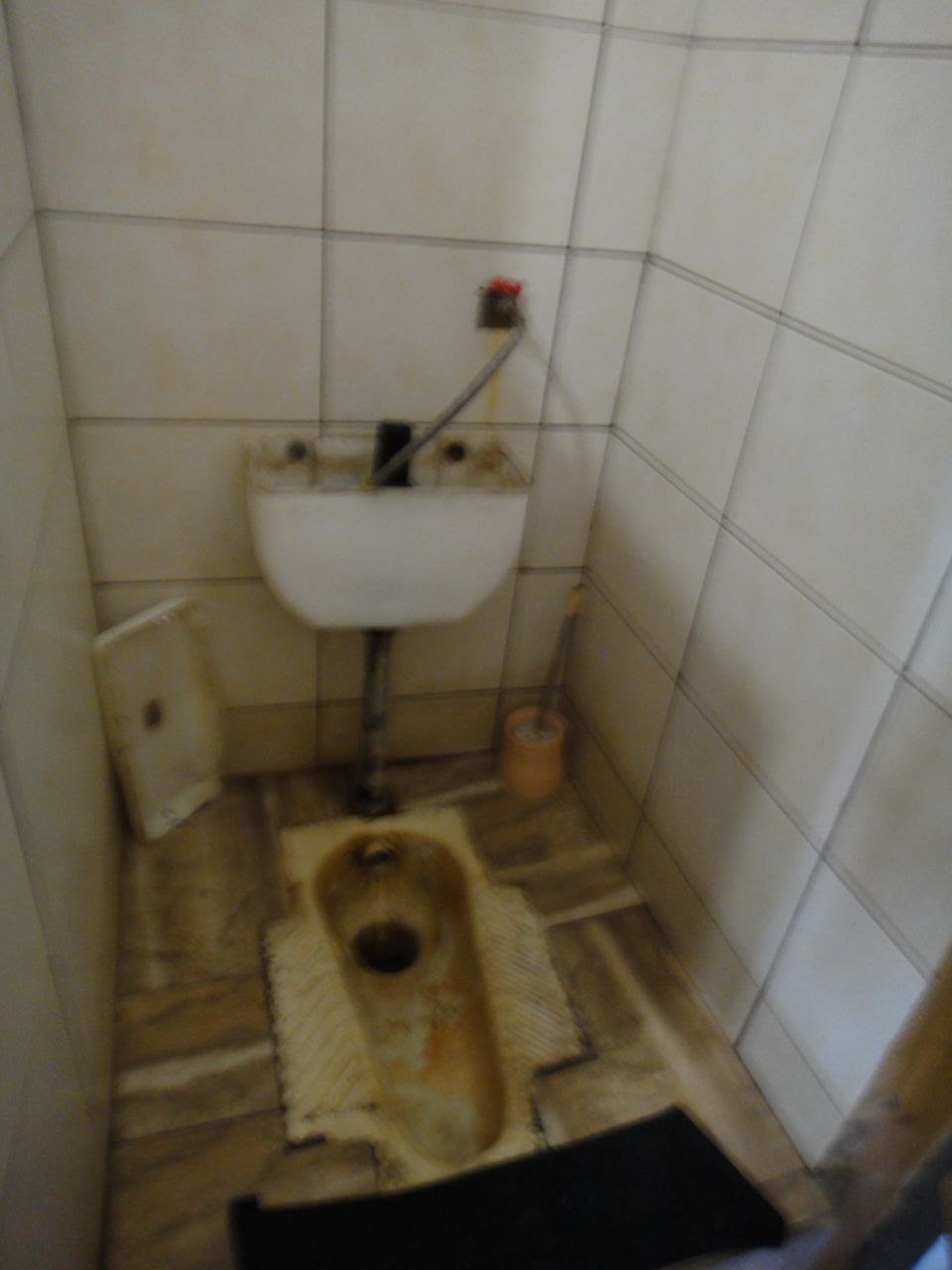
A sufficient level of natural lighting is not provided.
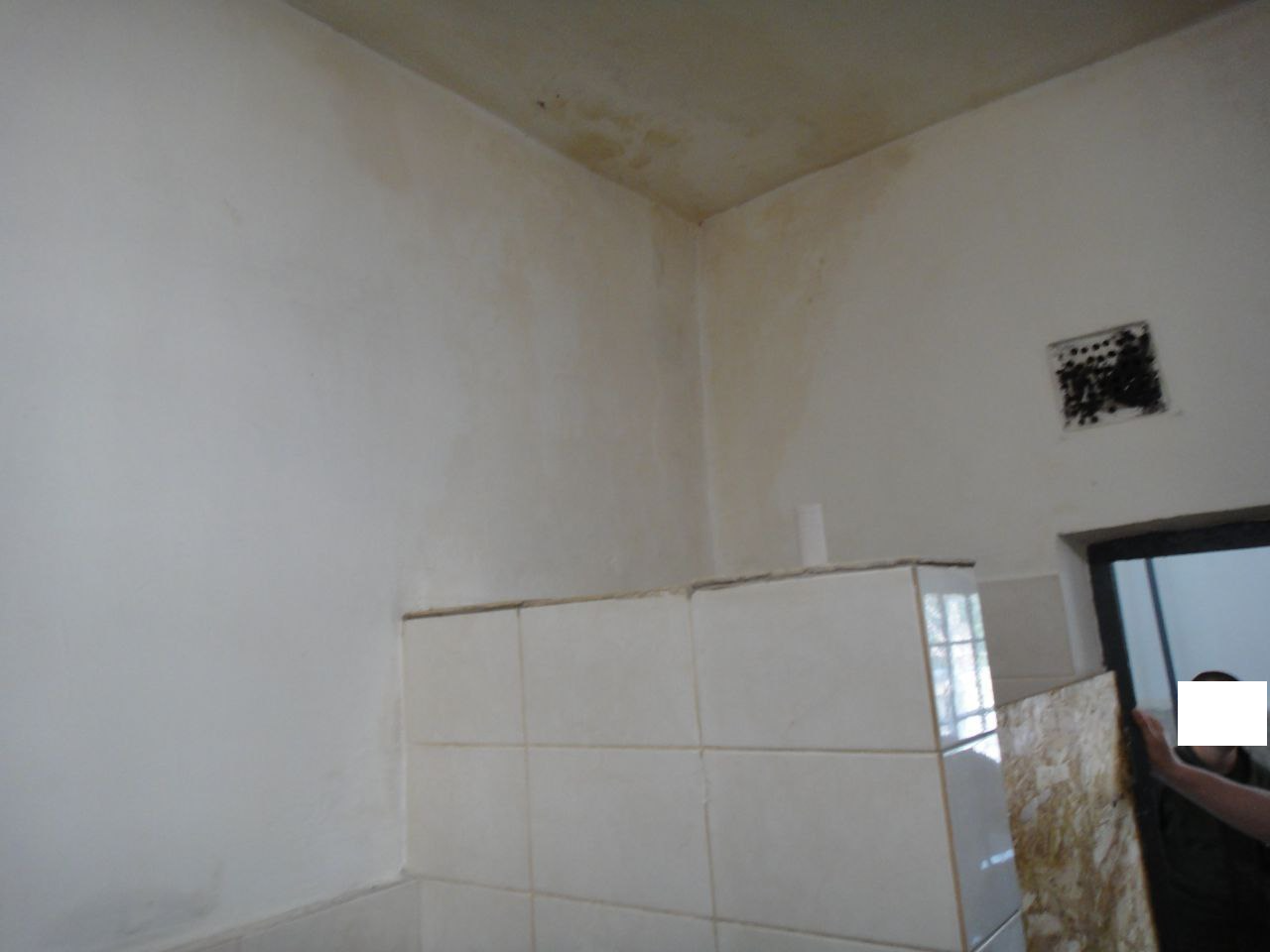
At the same time, in the report of the Government of Ukraine on the results of the visit in 2023, the Committee called upon the Ukrainian authorities to take the necessary measures to improve the material conditions of detention, in particular, to keep all places where convicts and persons in custody are located, including sanitary facilities, in a proper state of repair and hygiene; to carry out disinfestation regularly and frequently; and to ensure sufficient access to natural light and ventilation in the cells, and to fully equip internal sanitary facilities with partitions (i.e., from floor to ceiling). (CPT/Inf(2024)20, paragraph 58).
7. There is no enhanced supervision unit (hereinafter — ESU) functioning in the institution. At the same time, an ESU is a structural unit of a medium-security correctional colony, and the procedure for holding convicts in such a unit is provided for by Article 97 of the Penal Executive Code of Ukraine (hereinafter — PEC of Ukraine) and other normative legal acts.
8. The monitoring group established that there is no separate disciplinary isolation unit (DIU) for persons sentenced to restriction of liberty in the institution, which makes it impossible to apply the disciplinary penalty of placement in a DIU for a period of up to 10 days, as provided for by Part 1 of Article 68 of the PEC of Ukraine, to this category of convicts.
In the current situation, it is impossible to ensure the necessary regime of isolation and to avoid contact between those sentenced to imprisonment and those sentenced to restriction of liberty, which is a violation of the requirements regarding the separate detention of these categories of persons.
9. During the visit to the social rehabilitation unit (hereinafter — SRU) and the SPS units, it was established that in the living premises, on the beds and bedside tables of the convicts, there were nominal cards containing information and a short description of the crimes committed by the persons occupying those beds.
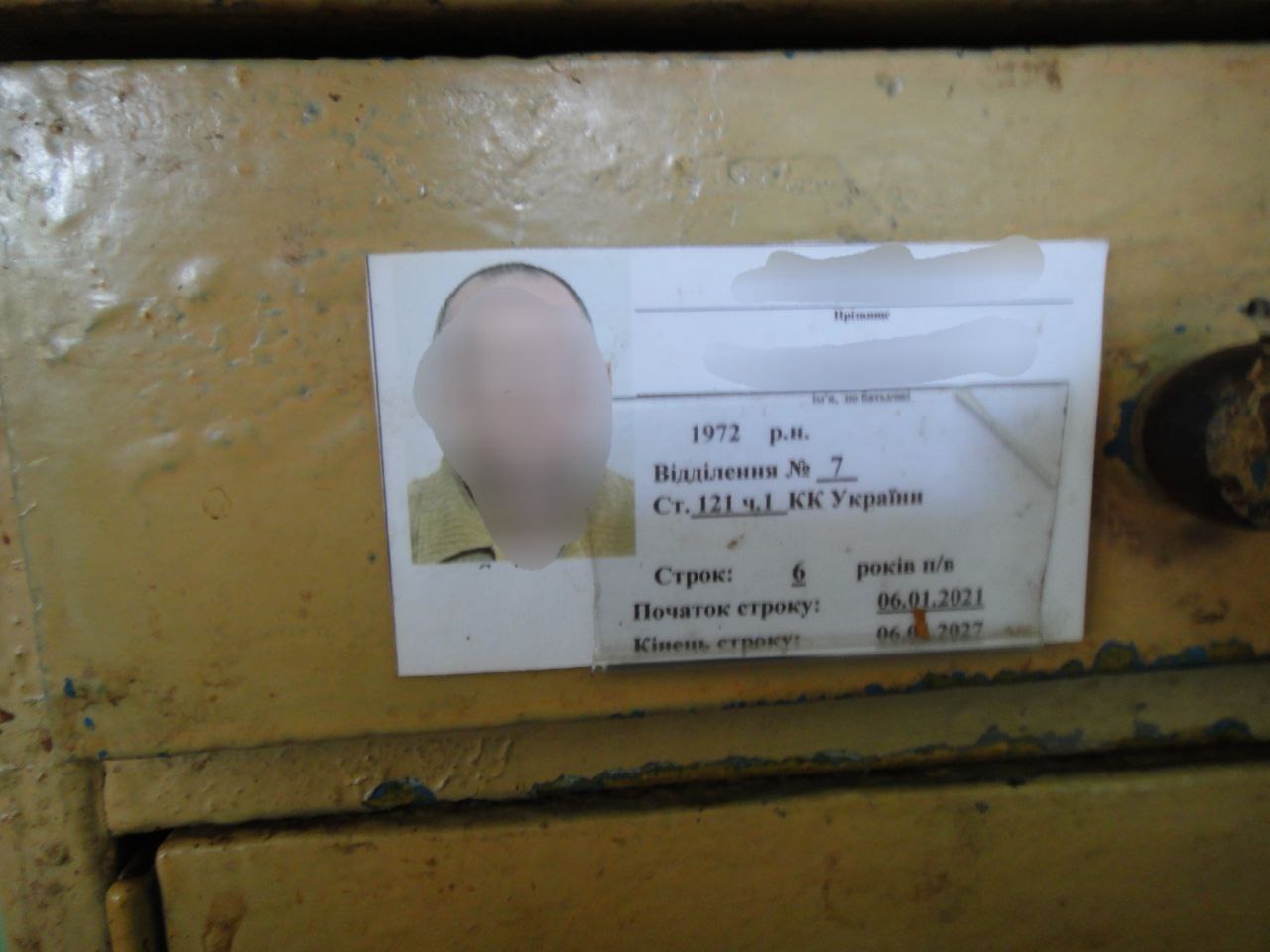
In the Report on the results of the visit to Ukraine in 2020, the Committee for the Prevention of Torture (CPT) noted that under similar circumstances, such practice must be stopped, as it has no reasonable justification, contributes to stigmatisation, and negatively affects the relations between the convicts and the staff of the institution (CPT/Inf(2020)40, paragraph 52).
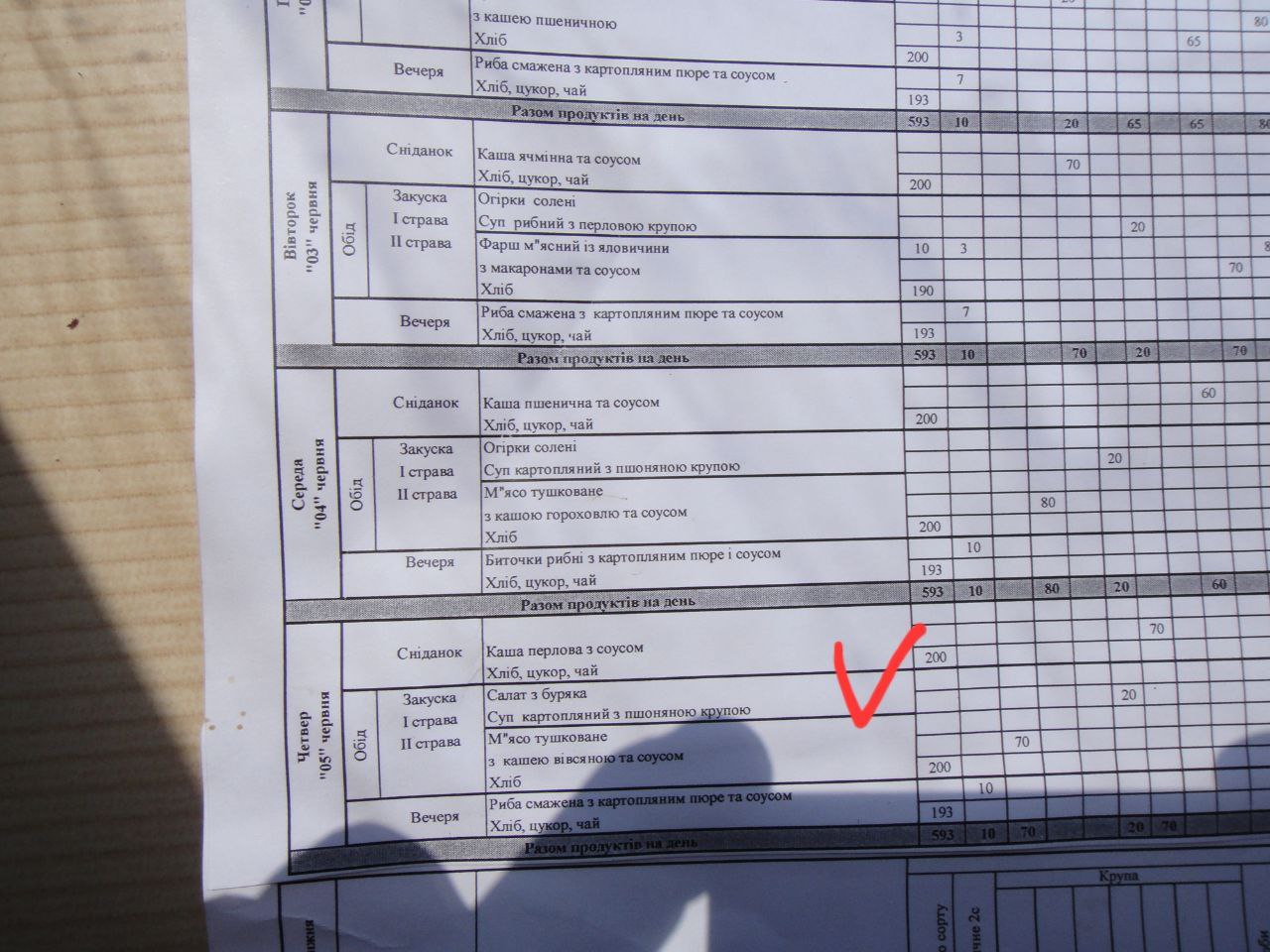
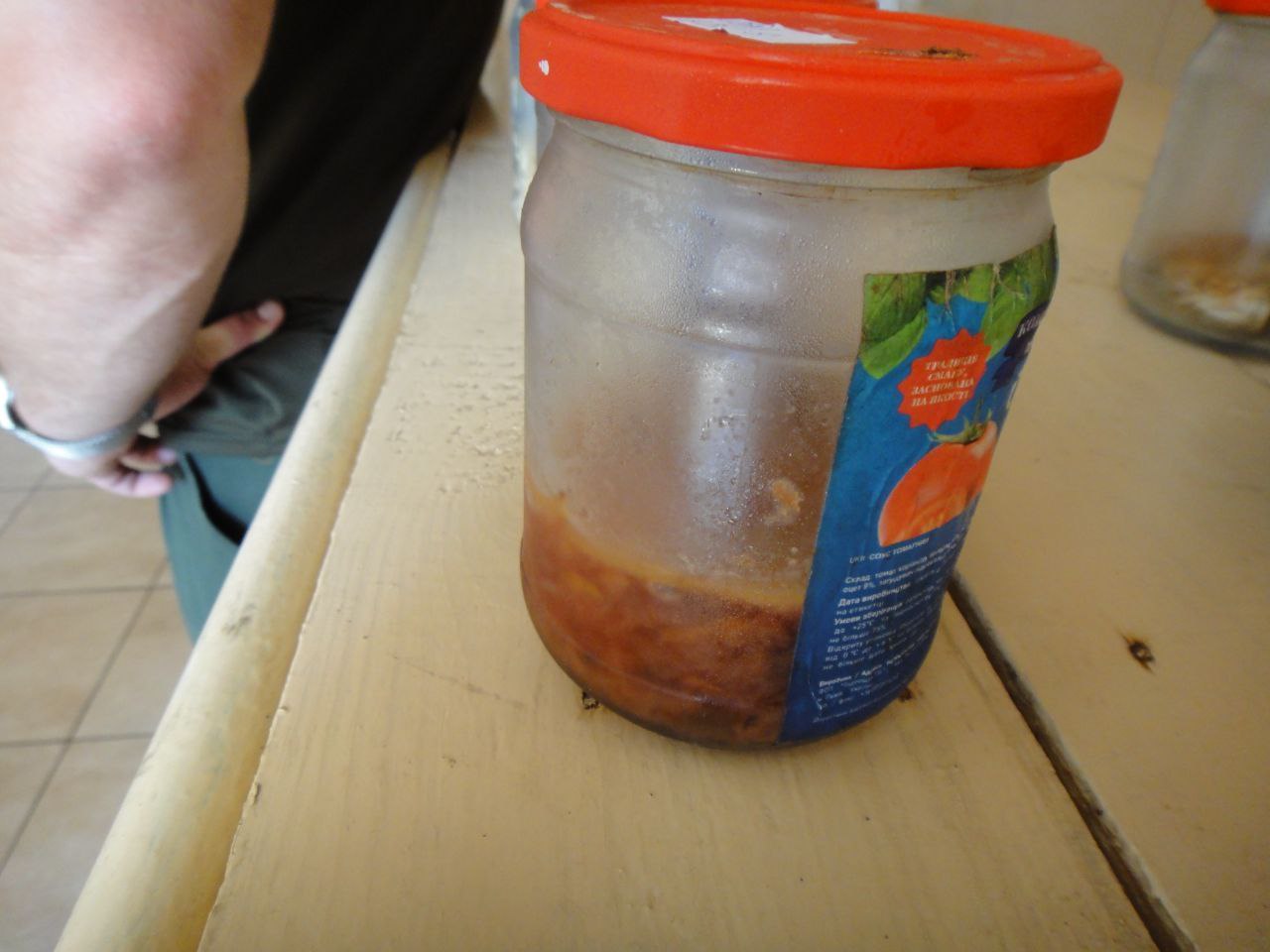
10. In violation of paragraph 5 of Section V of the Regulations on the organisation of food supply in the State Penal Executive Service of Ukraine for peacetime, approved by the order of the Ministry of Justice of Ukraine dated 15.06.2021 No. 2160/5 (hereinafter — Regulations on food supply organisation), the meals provided for breakfast on 05.06.2025 did not correspond to the approved menu schedule.
In particular, instead of a portion of the intended meal ‘potato soup with millet’, a portion of the meal ‘red borscht’ was provided. The indicated changes were made without the written permission of the head of the institution and without the submission of the corresponding report by the deputy head of the institution for support and household maintenance, which is a violation of the established order of food organisation in the institution.
11. The monitoring group established a number of violations in the organisation of laundry and bath services (hereinafter — LBS) for convicts and persons in custody.
In accordance with paragraph 3.19.1 of Section III of the Regulations on the organisation of laundry and bath services for persons held in correctional institutions and remand centres, approved by the order of the Ministry of Justice of Ukraine dated 08.06.2021 No. 849/5 (hereinafter — the Regulations), sanitisation includes bathing with soap and a washcloth, mandatory replacement of underwear and bed linen, and the performance of disinfection (destruction of pathogenic microorganisms) and disinfestation (destruction of insects and mites — vectors of infectious diseases) of personal clothing and bedding (pillows, mattresses, blankets) in a disinfection chamber.
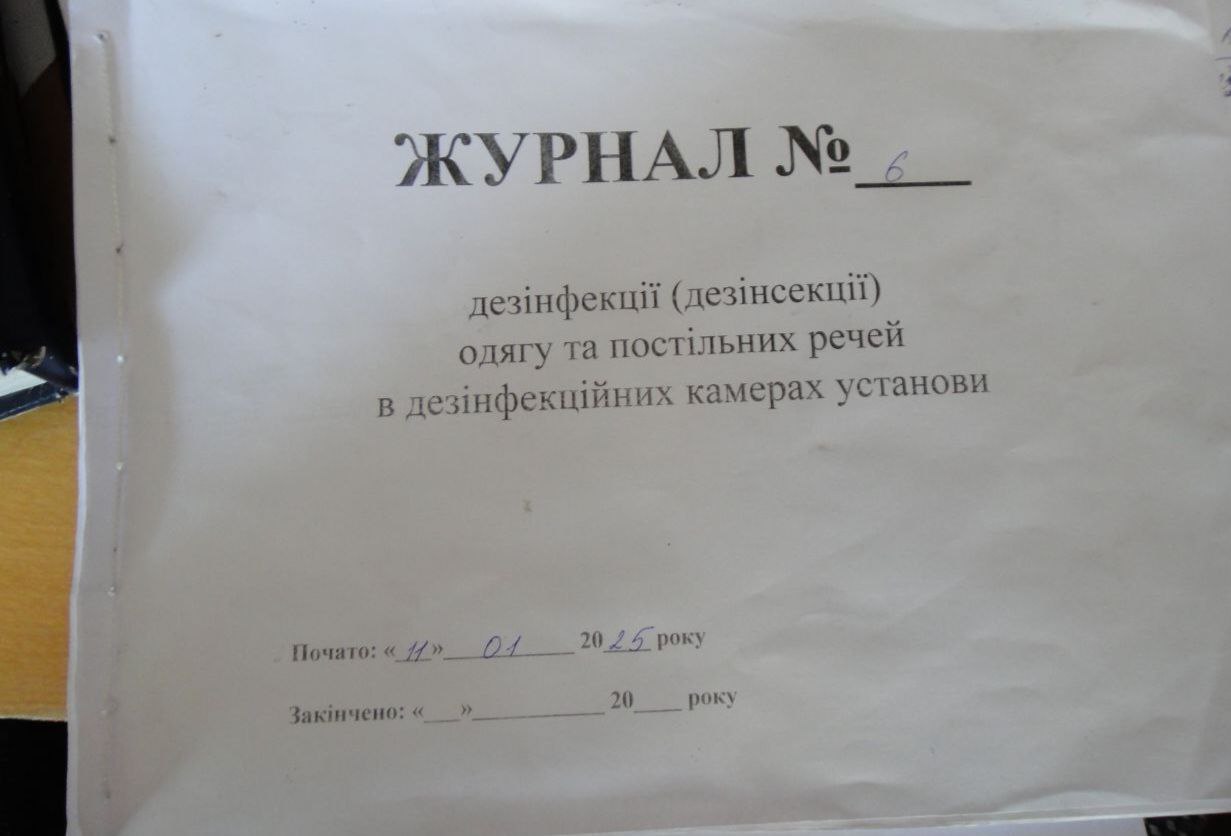
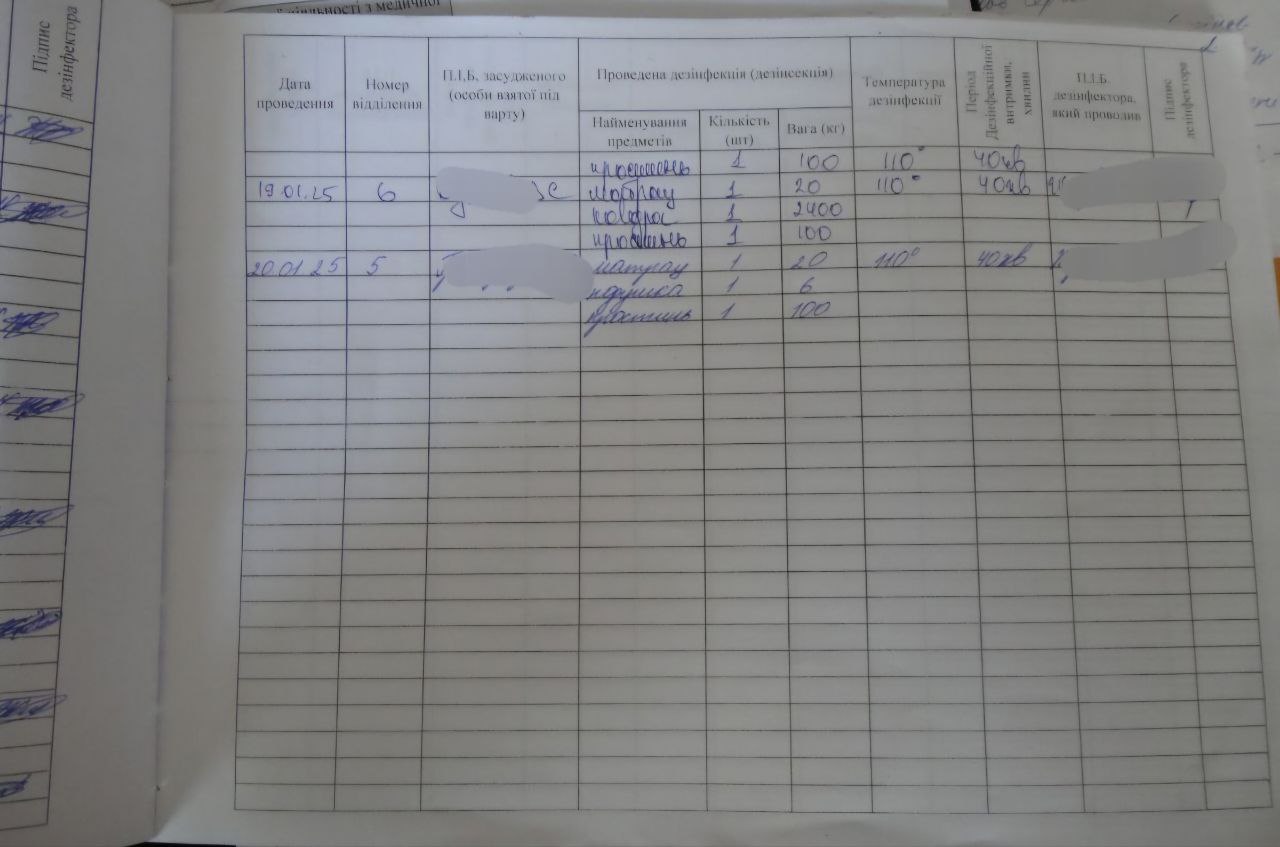
However, as a result of the monitoring visit, it was established that the disinfection chamber in the institution has not been functioning since approximately January 2025, which is confirmed by the corresponding entry in the log of disinfection/disinfestation of bedding and clothing dated 20.01.2025. This indicates improper sanitisation, which creates risks of the spread of infectious diseases among convicts and staff and contradicts current sanitary-epidemiological standards.
12. In violation of paragraph 4 of Section XXII of the Internal Regulations of Correctional Institutions, approved by the order of the Ministry of Justice of Ukraine dated 28.08.2018 No. 2823/5 (hereinafter — IR), and paragraph 3.19 of Section III of the Regulations, the institution has not ensured the proper implementation of sanitary-hygienic and anti-epidemic measures.
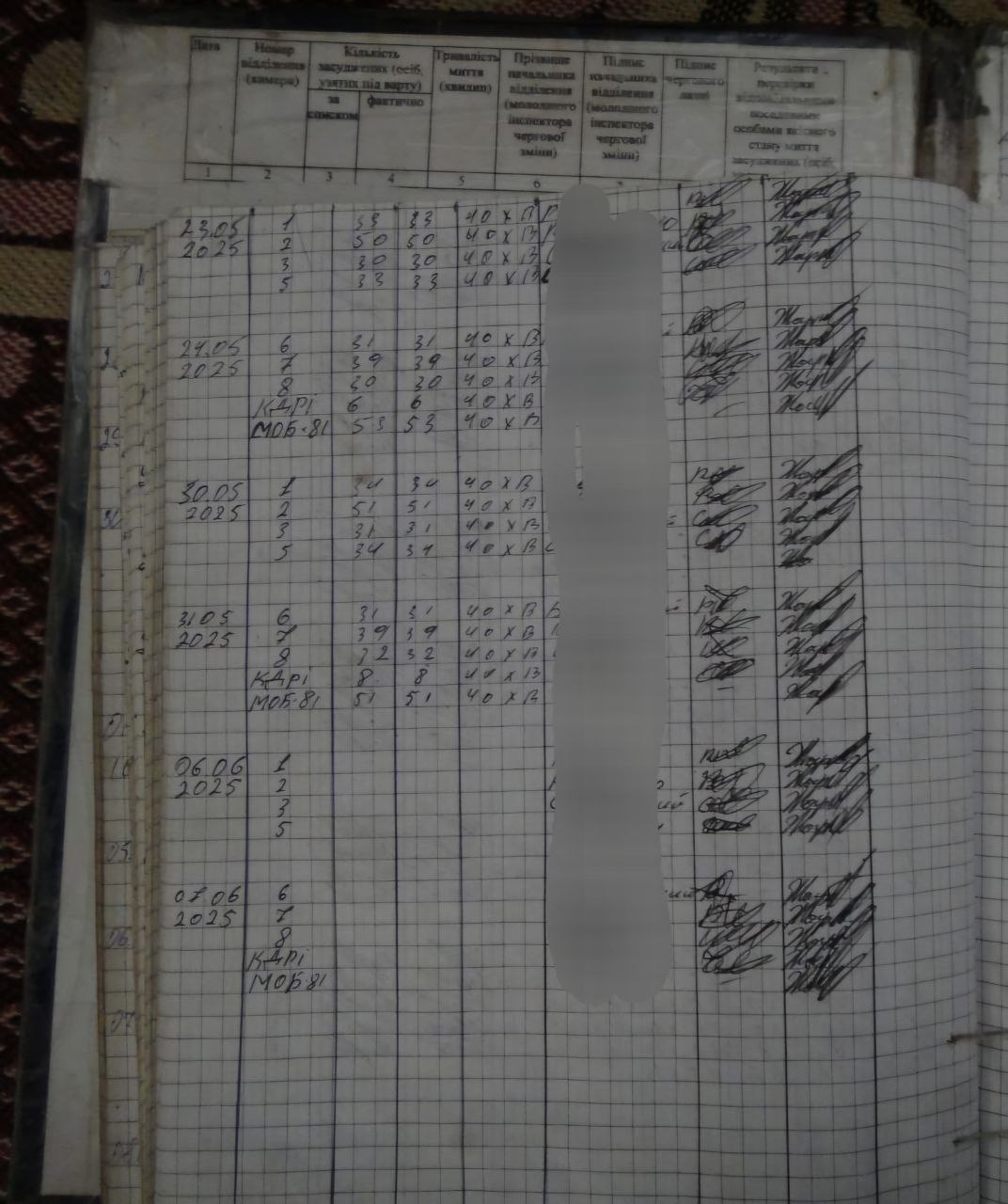
In particular, the timely sanitisation of newly arrived individuals has not been ensured. According to the administration of the institution, on 27 May 2025, 6 convicts arrived at the KD&D, and on 29 May 2025, another 2 persons. At the same time, according to the entries in the Bathhouse Visitation Log, all the indicated persons underwent sanitisation only on 31 May 2025, which indicates a violation of the requirements regarding timely sanitisation upon arrival.
13. In violation of paragraph 2.11 of Section II of the Regulations, a forced supply and exhaust ventilation system is not functioning in the bathhouse premises, which is a significant shortcoming in ensuring proper sanitary and hygienic conditions.
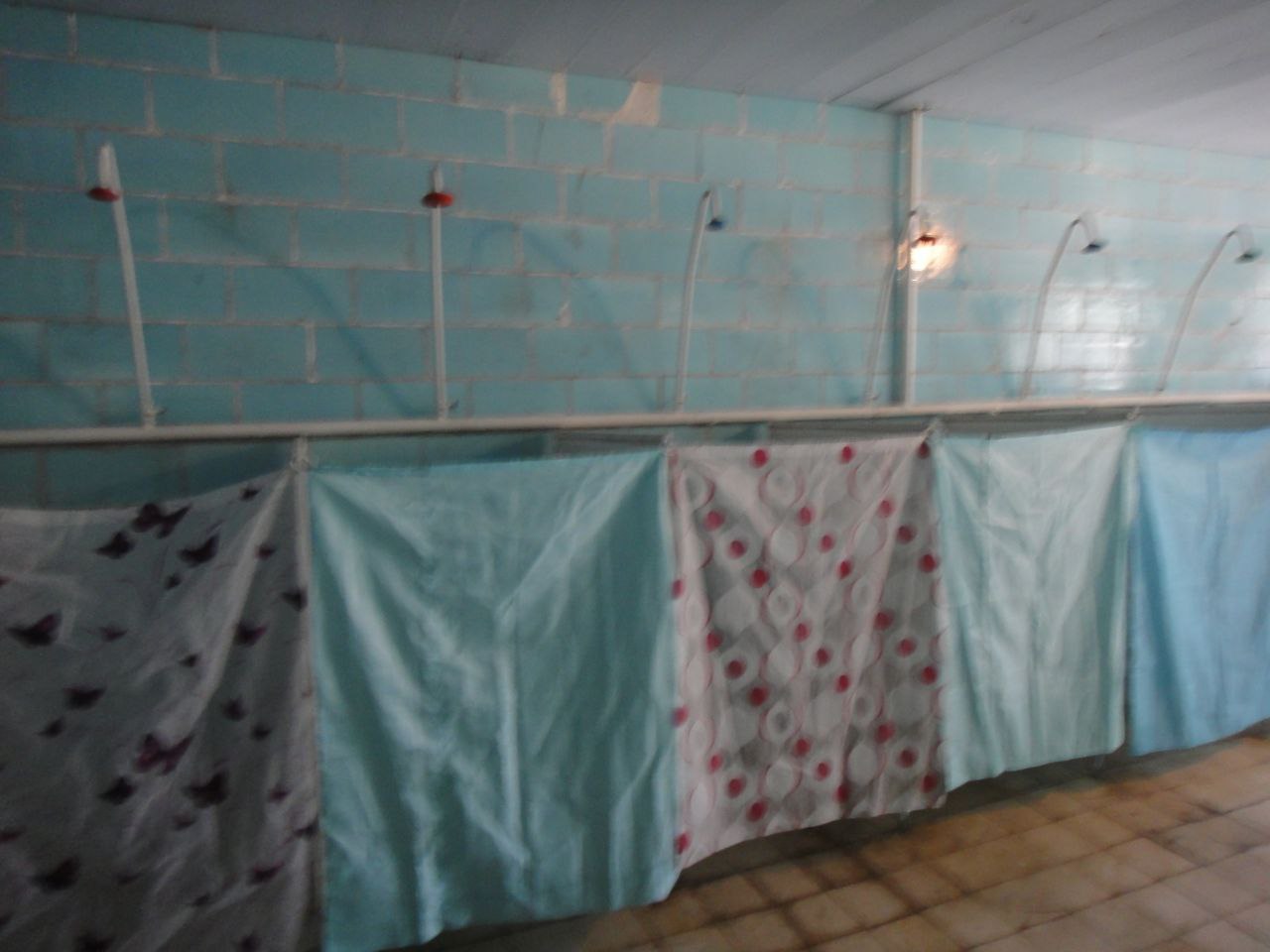
14. In violation of the requirements of Rule 19.3 of the European Prison Rules, the right to privacy is not respected in the DIU/CTP shower room due to the absence of curtains on the shower partitions.
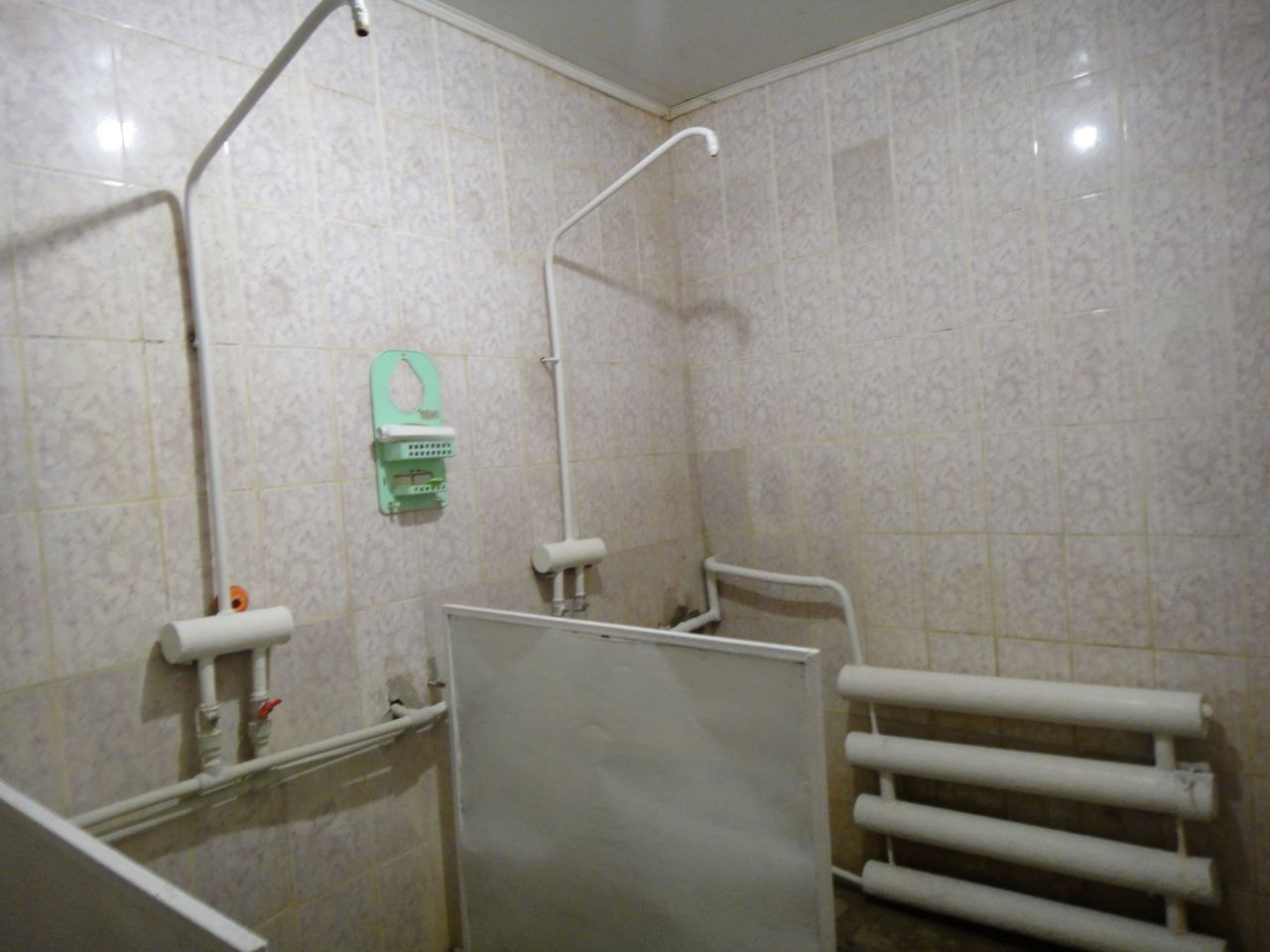
15. In violation of paragraph 4.1 of Section IV of the Regulations and paragraph 7 of Chapter III of Section II of the Procedure for organising the provision of medical care to persons sentenced to imprisonment, approved by the joint order of the Ministry of Justice of Ukraine and the Ministry of Health of Ukraine dated 15.08.2014 No. 1348/5/572, the monitoring group recorded the absence of a personal medical book for the LBS employee who held the position of barber, as well as the absence in the medical documentation of the results of examinations conducted by medical specialists (including laboratory, clinical, and other studies) necessary for admission to work in laundry and bath service facilities.
16. In violation of paragraph 2.6.2 of Section II of the Regulations, shower heads are not equipped with taps for hot and cold water, because of which convicts do not have the opportunity to regulate the water temperature when performing hygienic procedures.
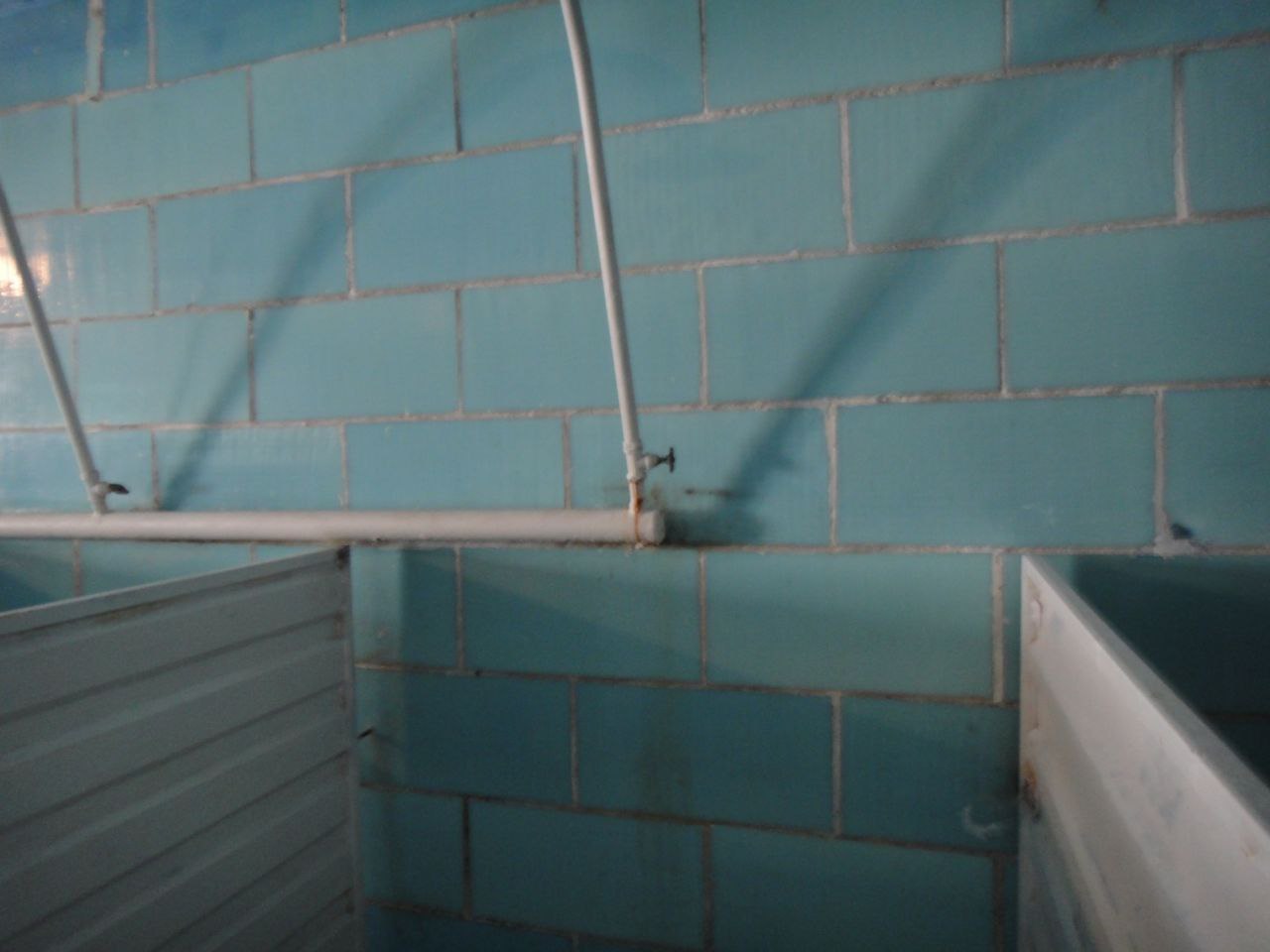
17. In accordance with paragraph 2.13.2 of Section II of the Regulations, in bathhouses where the number of places for undressing (dressing) exceeds 15, the installation of a toilet must be provided for. However, during the monitoring visit, it was established that there is no toilet for convicts in the institution’s bathhouse premises, which is a violation of the aforementioned requirements of the Regulations.
18. During the visit, the monitoring group recorded that the staff of the institution who have direct contact with convicts openly carry special means, including rubber batons. At the same time, according to the eighth paragraph of paragraph 1 of Section XXVI of the IR of the CIs, the carrying of special means by the staff of correctional institutions within the protected territory of the correctional institution should be, as far as possible, maximally concealed from the surroundings.
At the same time, the Committee recommends that penitentiary staff working in direct contact with prisoners should not carry special means (such as rubber batons, handcuffs, and tear gas canisters) openly in front of prisoners. Such carrying prevents the establishment of normal relations between staff and prisoners (paragraph 85 (CPT/Inf(2011)29), paragraph 23 (CPT/Inf(2013)23), paragraph 166 (CPT/Inf(2014)15)).
19. According to official documentation, the staff vacancy rate in the institution as of 06.06.2025 is 77 authorised positions. At the same time, in the report of the Government of Ukraine on the results of the visit in 2023, the Committee emphasises that ensuring a positive climate in a penitentiary institution requires the presence of a professional team of staff, sufficient in number for a constant presence in places of detention. An insufficient number of staff increases the risk of violence and intimidation between convicts, and also negatively affects the quality and volume of measures provided to convicts, including preparation for release and social rehabilitation.
In this regard, the Committee calls upon the Ukrainian authorities to take decisive measures to significantly increase the number of staff in the penitentiary institutions of Ukraine where there is a low level of staffing, in order to strengthen the presence of security and supervision service staff inside the institutions. Furthermore, it is necessary to take measures to end the practice of 24-hour shifts for the personnel on duty. (CPT/Inf(2024)20, paragraph 93).
20. Following the monitoring of the observance of the right to work and social protection in SCC-81, it was established that a developed system of production activities operates in the institution, covering several main areas: work in workshops, involvement in household maintenance in the service sector, cooperation with private contractors (in particular with PF ‘Rivenis’), as well as performing work in the SRU.
As of June 2025, at least 82 convicts were involved in work at the institution’s production facilities, including: 38 persons at the enterprise of the SPES of Ukraine (workshops); 24 persons in household maintenance (kitchen, laundry and bath unit, bakery, etc.); 15 persons under contracts with private enterprises; and 5 persons at the social rehabilitation unit (SRU) facilities without legal grounds.
Units for the manufacture of concrete products operate in the institution, as well as sewing, woodworking, and packaging workshops. Convicts are involved in cleaning the territory, working in the kitchen, and in other household premises, often without proper legal formalisation.
In the sphere of household maintenance, systemic violations were identified. Convict D. works in the canteen daily from 06:30 to 19:00 without days off, which does not meet the requirements of the legislation regarding working hours. In the cases of convicts S., K., and I., there are no orders regarding their assignment to work, shift schedules, or timesheets for recording working hours.
Work in the laundry and bath unit is carried out without proper formalisation: there are no labour contracts or records of working hours. These violations contradict Articles 43, 50, and 69 of the Labour Code of Ukraine, Article 118 of the Penal Executive Code of Ukraine (PEC), and ILO Convention No. 29.
A number of convicts work in the workshops and perform work in the woodworking and packaging workshops, however, contracts are not formalised for everyone, as is the case, for example, with convicts S. and P. The timesheets lack entries about daily attendance, and the work orders indicate volumes of work that do not correspond to the actual workload. From the briefing logs, it can be seen that some workers (for example, T.) did not undergo primary training at all. This violates Articles 29, 153, and 21 of the Labour Code of Ukraine, Article 118 of the PEC of Ukraine, and the minimum guarantees of the ILO.
It was established that in cooperation with private contractors (in particular, LLC ‘Rivenis’), fixed-term labour contracts have been concluded with more than 10 persons, including convicts D. and Ya. These contracts have a standard template in which the worker is formally defined as a ‘general labourer’ without a specification of functions.
There are no terms specified regarding working conditions, and there are no guarantees for rest or overtime pay. In the payroll sheets for May 2025, it is indicated that some convicts (e.g., K.) were accrued 1,106 UAH, which does not correspond to the volume of hours worked. These practices contradict Articles 21, 43, and 106 of the Labour Code of Ukraine, Article 118 of the PEC of Ukraine, and ILO Convention No. 95.
Regarding the social rehabilitation unit (SRU). According to the certificate, 5 persons were performing cleaning and other work within the SRU without any legal formalisation. There are no documents regarding the legal basis of their involvement, including orders, contracts, timesheets, or job descriptions. This is a violation of Article 43 of the Constitution of Ukraine, Article 118 of the PEC of Ukraine, and ILO Convention No. 29.
Most labour relations are formalised through the conclusion of short-term fixed-term labour contracts without proper justification for the fixed-term nature. Samples of such contracts (D., P.) have formal content; they do not specify concrete working conditions, rest, the scope of responsibility, or grounds for termination.
In the case of convict Ya., a civil-law contract was concluded, although he performs labour functions daily — he works in the workshop, is subordinate to the administration, and works in shift mode. This deprives him of basic labour guarantees, including the right to leave, sick leave, and occupational safety.
These facts indicate hidden labour exploitation and are a violation of Articles 23, 24, 43, 66, 67, and 153 of the Labour Code of Ukraine, Article 118 of the PEC of Ukraine, and ILO Conventions No. 29 and No. 95.
21. During the inspection of the premises that the institution’s administration positions as a shelter, significant violations of security requirements and human rights were recorded. The premises are located in the basement of the SPS unit, are not equipped with ventilation (photos 38, 39), lack a second evacuation exit, and there is no certificate of acceptance for operation.
Such conditions directly contradict the requirements of Article 19 of the Law of Ukraine ‘On the Legal Regime of Martial Law’, which provides for the provision of the population, in particular persons located in correctional institutions, with safe conditions during emergencies. The absence of proper evacuation routes also violates paragraph 3.10 of DBN V.2.2-5:2023, which establishes the mandatory requirement of at least two evacuation exits in protective structures.
Such conditions are a violation of the right to life and safety (Article 27 of the Constitution of Ukraine, Article 2 of the Convention for the Protection of Human Rights and Fundamental Freedoms), and also contradict Article 10 of the International Covenant on Civil and Political Rights, which guarantees humane treatment of persons deprived of liberty.
The absence of proper ventilation, lighting, and conditions for the stay of persons in the event of an emergency does not meet the European Prison Rules (Rules 18.1, 18.2), which oblige states to ensure safe and dignified conditions of detention.
Holding individuals in such premises during an air raid alert or other dangers creates a real threat to life and health, which indicates the state’s failure to fulfil its positive obligations regarding the protection of persons under its control.
Recommendations
Improving conditions of detention and compliance with international standards
- Prohibit the use of cells measuring less than 6 m² for holding persons in custody and carry out reconstruction or re-planning of the cells in accordance with CPT requirements (CPT/Inf(2011)28, CPT/Inf(2013)23).
- Equip cells, the KD&D, the DIU, and the CTP with necessary premises and equipment in accordance with the Provision Norms (Order of the Ministry of Justice No. 1118/5): rooms for storing belongings, exchange stocks, drying rooms, double-compartment sinks, etc.
- Ensure the presence of drinking water containers, sufficient natural light, and ventilation in the cells. In sanitary facilities, install partitions from floor to ceiling to ensure privacy (Rule 19.3 of the EPR).
Organisation of work with newly arrived convicts
- Ensure the implementation of the 14-day stay period in the KD&D with a full medical, psychological, and pedagogical examination, in accordance with Article 95 of the PEC of Ukraine and the Regulations on the KD&D (Order No. 2300/5).
- Establish control over the participation of all working group members in the implementation of the induction programme for newly arrived convicts (visiting the KD&D at least once a week).
- Ensure the presence of the prescribed premises in the KD&D and improve the conditions of their functioning to comply with sanitary and hygienic standards.
Improving the organisation of food and sanitary-hygienic support
- Adhere to approved menu schedules and the procedure for approving changes in catering (Order No. 2160/5).
- Resume the operation of the disinfection chamber for the sanitisation of the belongings of convicts and persons held in custody.
- Ensure timely sanitisation of newly arrived individuals, the functioning of the supply and exhaust ventilation in the bathhouse, the installation of shower mixers for regulating water temperature, and the installation of a toilet for convicts in the bathhouse premises.
- Check the medical documentation of LBS workers, ensure the presence of medical books, and ensure the completion of regular medical check-ups.
Respect for the dignity of convicts and confidentiality
- Stop the practice of placing nominal cards indicating crimes on the beds of convicts, which contradicts CPT recommendations (CPT/Inf(2020)40).
- Ensure that medical examinations are conducted in specially equipped premises to preserve medical confidentiality, in accordance with Article 39-1 of the Law ‘Fundamentals of the Legislation of Ukraine on Health Care’.
- Prohibit the open display of special means by staff who have direct contact with convicts, in accordance with the IR of the CIs and CPT recommendations.
Ensuring the right to work and social protection
- Stop the practice of involving convicts in work without proper formalisation of labour relations. All instances of using convict labour must be formalised by corresponding orders on assignment, labour contracts, and timesheets for recording working hours in accordance with Articles 43 and 118 of the Penal Executive Code of Ukraine and ILO Convention No. 29.
- Exclude the conclusion of civil-law contracts in cases where labour functions are actually performed with subordination to the administration and an established work regime.
- Justify the fixed-term nature of labour contracts in accordance with the requirements of Article 23 of the Labour Code of Ukraine; ensure the specification of concrete working conditions, work regime, rest, scope of duties, and guarantees.
- Introduce proper briefing on occupational safety, ensure the maintenance of briefing logs, and training in safety techniques (Articles 29, 153 of the Labour Code of Ukraine).
- Conduct an audit of wage accruals and eliminate discrepancies between time actually worked and payments (ILO Convention No. 95).
Staffing
- Take measures to significantly increase the number of staff in the institution and cancel the practice of 24-hour shifts, in accordance with CPT recommendations (CPT/Inf(2024)20).
- Ensure the training of staff on human rights compliance, ethical interaction with convicts, and modern penitentiary practices.
Arrangement of the shelter
The institution’s administration must immediately stop using the indicated basement as a shelter until the identified violations are eliminated. It is necessary to ensure that the shelter is brought into compliance with legislative requirements, in particular, by equipping it with a ventilation system, installing at least two evacuation exits in accordance with DBN V.2.2-5:2023, and obtaining an acceptance certificate for operation.
The Ministry of Justice of Ukraine, together with the SPES of Ukraine, must provide for the creation or modernisation of protective structures in penitentiary institutions, guided by the requirements of Article 19 of the Law of Ukraine ‘On the Legal Regime of Martial Law’, Article 27 of the Constitution of Ukraine, and international standards (Article 2 of the Convention for the Protection of Human Rights and Fundamental Freedoms, Rule 18 of the European Prison Rules).