Report on the Results of a Monitoring Visit to Stryzhavka Correctional Colony No. 81
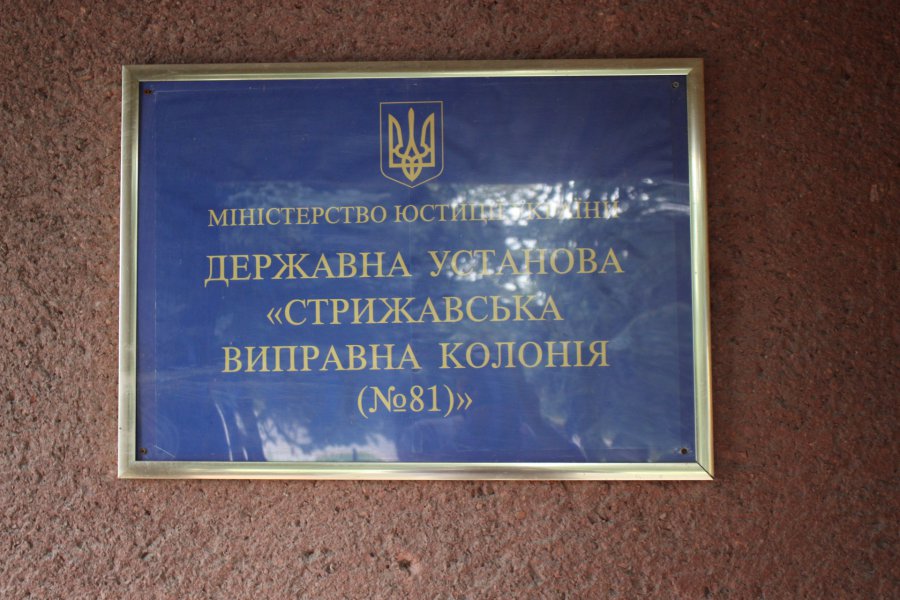
On 10 June 2026, in accordance with the Optional Protocol to the Convention against Torture and Other Cruel, Inhuman or Degrading Treatment or Punishment, taking into account the provisions of the UN Standard Minimum Rules for the Treatment of Prisoners (the Nelson Mandela Rules) and the case law of the European Court of Human Rights, pursuant to Article 24 of the Criminal Executive Code of Ukraine ‘Visiting Penal Institutions’, a group of monitors from the Kharkiv Human Rights Protection Group and the NGO ‘Protection of Prisoners of Ukraine’ conducted a visit to the State Institution ‘Stryzhavka Correctional Colony (No. 81)’ (SCC-81, institution, facility, colony). The visit was carried out as a scheduled, unannounced inspection; all facilities of the institution were inspected.
The previous visit took place on 6 June 2025.
During the preparation for the visit, the monitors used materials from appeals by convicts and their relatives, materials from previous reports, as well as reports by monitors of the National Preventive Mechanism under the Parliamentary Commissioner for Human Rights of Ukraine (NPM).
The visit was carried out within the framework of the project ‘Reducing the Suffering of Prisoners in the Context of the War in Ukraine’, funded by the Danish Government in partnership with DIGNITY — Danish Institute Against Torture.
The visit was carried out by the following monitors:
- Andriy Didenko — assistant to the People’s Deputy of Ukraine Yaroslav Yurchyshyn, programme coordinator at the Kharkiv Human Rights Protection Group, monitoring experience since 2014, NPM monitor (National Preventive Mechanism), member of the NPM Advisory Council;
- Serhiy Zuikov — assistant to the People’s Deputy of Ukraine Kostiantyn Kasai, member of the Public Council under the Ministry of Justice of Ukraine, member of the public organisation ‘Protection of Prisoners of Ukraine’, NPM monitor, with many years of experience in monitoring visits;
- Oleh Tsvilyi — member of the Public Council under the Ministry of Justice of Ukraine, head of the public organisation ‘Protection of Prisoners of Ukraine’, with extensive experience in monitoring visits, specialising in issues of torture, cruel, inhuman or degrading treatment and punishment.
During the monitoring visit, violations of convicts’ rights to proper detention conditions, privacy, healthcare, labour and social protection, safe working conditions, proper remuneration, communication, and access to the Internet were identified.
Deficiencies were recorded in the formalisation and accounting of employment relations, record-keeping, provision of personal protective equipment, as well as in the material and technical support of the institution.
General Information
The State Institution ‘Stryzhavka Correctional Colony (No. 81)’ is a medium-security correctional colony for housing men who have previously served sentences of imprisonment. The institution is located at 62 Alei Street, Stryzhavka settlement, Vinnytsia District, Vinnytsia Region.
Head of the institution — Colonel of the Internal Service Oleh Vitrynskyi.
The institution is located in the settlement of Stryzhavka, near the city of Vinnytsia. On the grounds where the colony currently operates, there was previously the estate of the Polish magnate Grocholski. During the Second World War, military barracks, workshops, and a metalworking plant were located in the premises situated here.
Since 1956, the Stryzhavka Children’s Labour Colony of the Public Order Protection Directorate of the Vinnytsia Regional Executive Committee operated on this territory. In 1969, the institution was reorganised into a medium-security correctional colony for housing convicts. Following the declaration of Ukraine’s independence, the colony was incorporated into the national penal system. Subsequently, it functioned within the structure of the State Department of Ukraine for the Execution of Punishments, and later within the system of the State Penitentiary Service of Ukraine.
The structure of the institution includes a duty unit, a quarantine, diagnostics and distribution section (QDD), eleven active sections of the socio-psychological service (SPS), a social rehabilitation section (SRS), a remand prison (SIZO) sector, a catering unit, a disciplinary cell-type unit (DISO), cell-type premises (PKT), an enhanced control section (DPK), industrial premises and workshops, a bath and laundry complex, short-term and long-term visit rooms, a shop, a library, a parcel reception room, and administrative premises.
Also located on the territory of the institution is the Stryzhavka Multi-Field Hospital No. 81 of the branch of the State Institution ‘Healthcare Centre of the State Penitentiary Service of Ukraine’ in Vinnytsia Region.
According to administration data, the authorised staffing level of the institution is 303.5 posts, while the actual number is 228.5 posts. The overall staff shortage amounts to 75 posts. Two psychologists work at the institution.
The planned capacity of SCC-81 is 1,332 individuals. As of 11 June 2026, seven remand prisoners and 536 convicts were held in the institution — 543 persons in total. Among them were 24 prisoners of war. In addition, 78 persons were undergoing medical treatment at the Stryzhavka Multi-Field Hospital No. 81.
During 2026, 106 convicts arrived at the institution. In 2025, 14 persons died in the institution, and during 2026, as of the date of the visit, nine persons had died. Due to severe illnesses, 12 convicts were released from the institution in 2025, and two convicts during 2026.
In total, 176 convicts are employed: 75 in production, 37 in workshops, 41 at contractor facilities, and 23 in facility maintenance work. Of the total number of employed convicts, 65 worked under employment contracts, and 111 on the basis of civil law contracts. There were no convicts employed under fixed-term employment contracts.
Registered on operational and preventive monitoring were 23 persons prone to suicide, 27 persons prone to intentional self-harm, two persons prone to escape, and 32 convicts identified as persistent violators of the established procedure for serving sentences. Throughout 2025 and during 2026, no cases of suicide were recorded at the institution.
According to information provided by the administration, throughout 2025 and during 2026, not a single complaint was registered from convicts regarding improper detention conditions or inadequate medical care.
There are 23 persons with disabilities in the institution: five persons have Group II disability, and 18 persons have Group III disability. There are no persons with Group I disability.
Convicts have 105 tablet computers in their personal use; at the same time, only three email addresses are registered. There are no convicts enrolled in higher education institutions.
In 2025, 23 cases of bodily injuries were recorded among prisoners of war upon their arrival at the institution, and seven cases of injuries sustained during their stay. During 2026, as of the date of the visit, 105 cases of bodily injuries were recorded among prisoners of war upon arrival at the institution, and 17 cases of injuries sustained during their stay in the institution.
The monitoring group interviewed around 240 convicts during visits to industrial premises, workshops, SPS sections, the QDD section, the remand prison sector, disciplinary cells, and utility premises.
Interactions took place both in the format of general conversations, providing consultations and answering questions, and individually, including under conditions of confidentiality and anonymity. During the interviews, issues regarding compliance with convicts’ rights, detention conditions, labour organisation, access to medical care, and potential instances of ill-treatment were examined.
Positive Practices
During the monitoring visit, certain positive changes aimed at improving the detention conditions of convicts were identified.
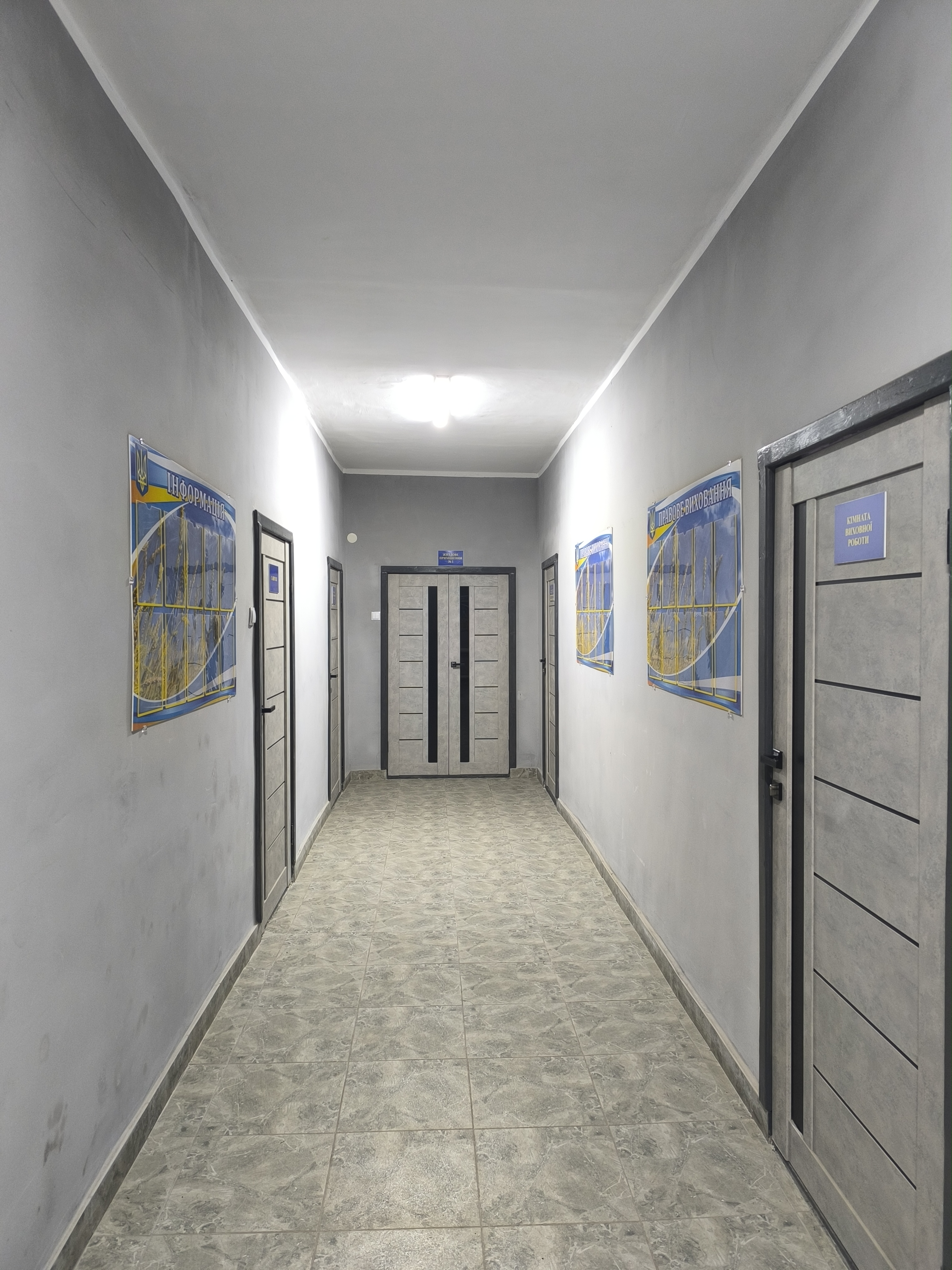
In 2026, the administration of the institution renovated the SPS units. Living quarters, dining rooms, personal property storage rooms, socio-educational work rooms, sanitary facilities, corridors, and staff offices were refurbished. Convicts were provided with new sleeping places featuring individual space, new furniture was installed, and rooms for educational work and personal belongings storage were equipped.
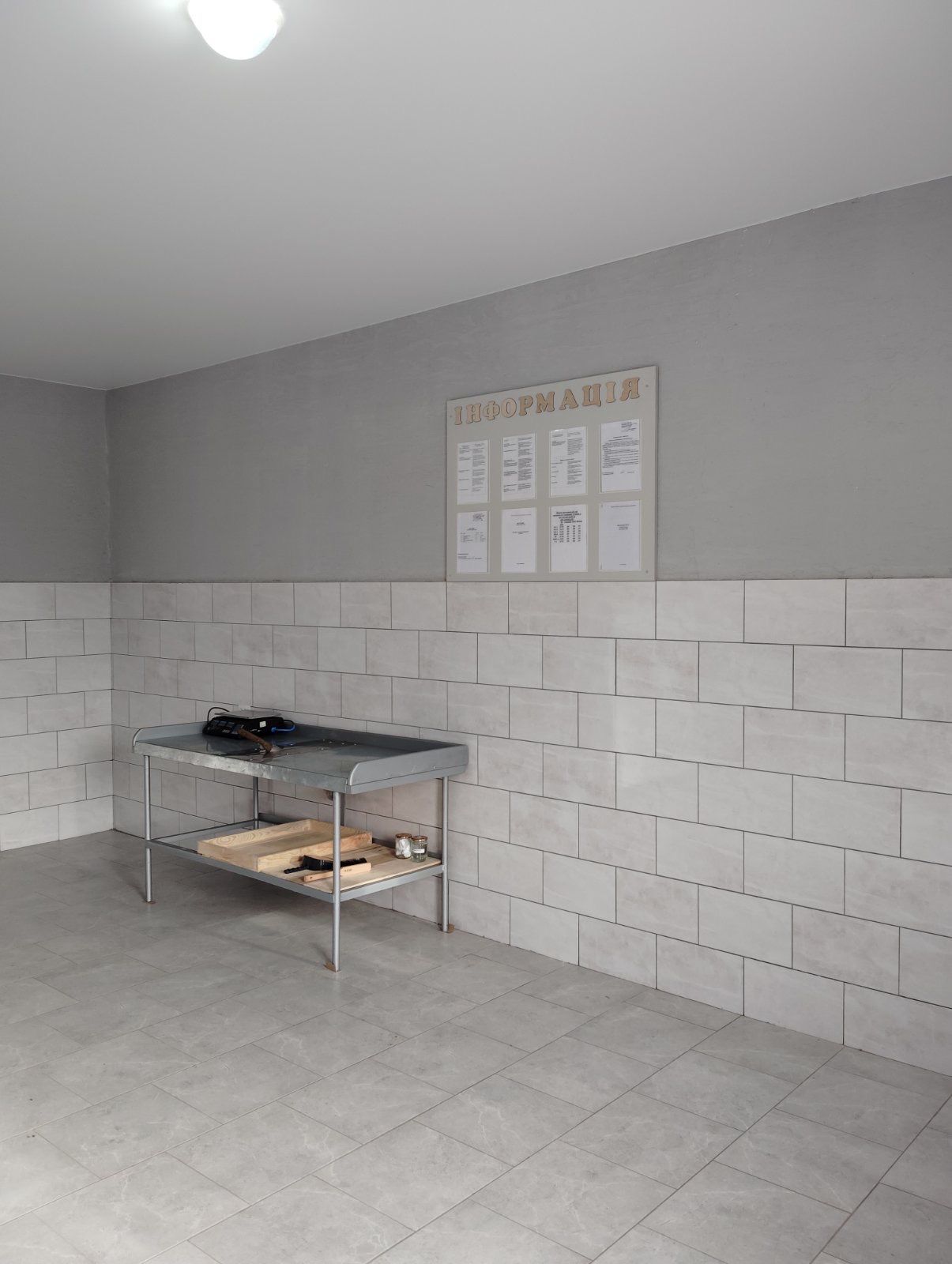
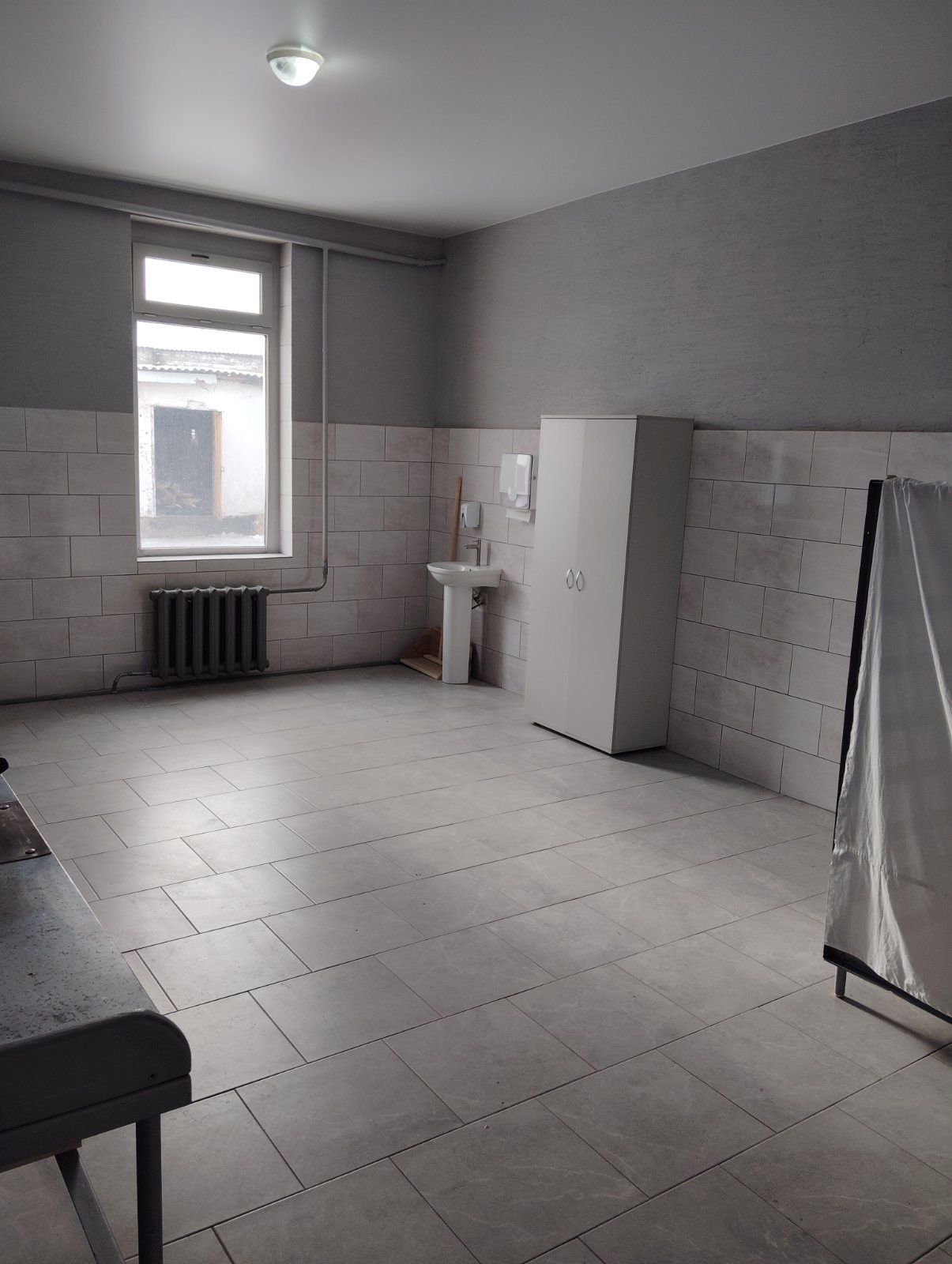
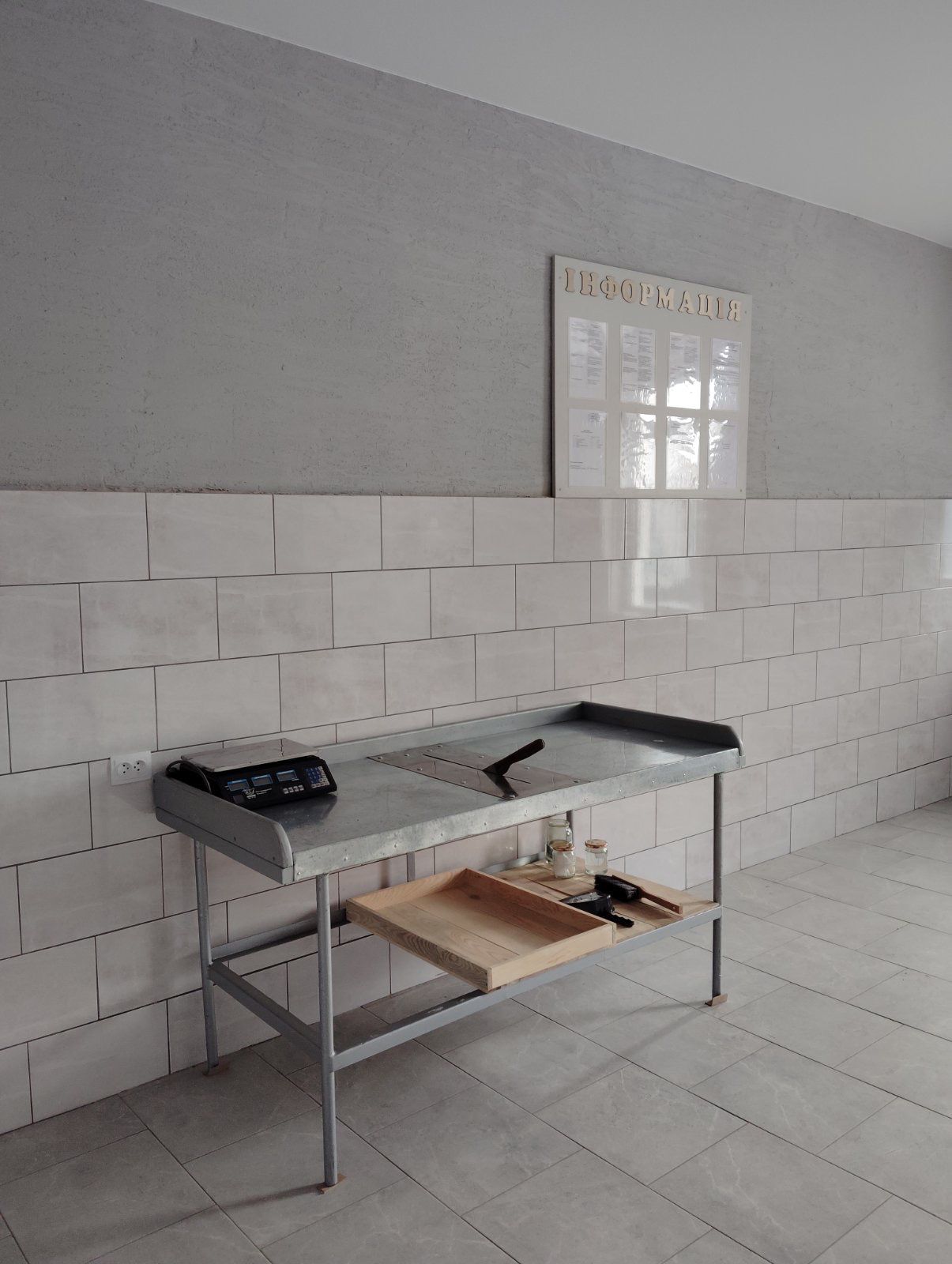
It is also worth noting with approval the improvement of material and living conditions in a number of the institution’s premises. In particular, sanitary and domestic premises were renovated, modern washbasins were fitted, personal property storage lockers were installed, and information boards as well as certain premises in the industrial and residential areas were updated.


Identified Violations of National and International Legislation
During the monitoring visit, violations of national legal requirements and non-compliance with international recommendations in the field of treatment of prisoners were identified, resulting in infringements of convicts’ rights:
1. The procedure and conditions for receiving convicts into the institution do not fully comply with the requirements of current Ukrainian legislation and international standards for the treatment of prisoners.
In accordance with paragraphs 1 and 2 of Section II of the Regulations on the Quarantine, Diagnostics and Distribution Section, approved by Order of the Ministry of Justice of Ukraine No. 2300/5 dated 4 November 2013 (hereinafter — Regulations on the QDD Section), to organise work with newly arrived convicts, a working group is created by order of the head of the institution, comprising deputy heads of the institution, heads of structural units, a psychologist, and a medical worker.
To plan the aforementioned work, an orientation programme for newly arrived convicts on the procedure and conditions of serving sentences is drawn up annually and approved by the head of the institution.
In accordance with paragraph 8 of Section II of the Regulations on the QDD Section, holding convicts under isolation (quarantine) conditions involves, among other things, the execution of the orientation programme on the conditions and procedure of serving sentences.
However, during confidential interviews with convicts and an analysis of official documentation, the monitoring group established that members of the working group do not fully carry out the measures provided for by the specified programme.
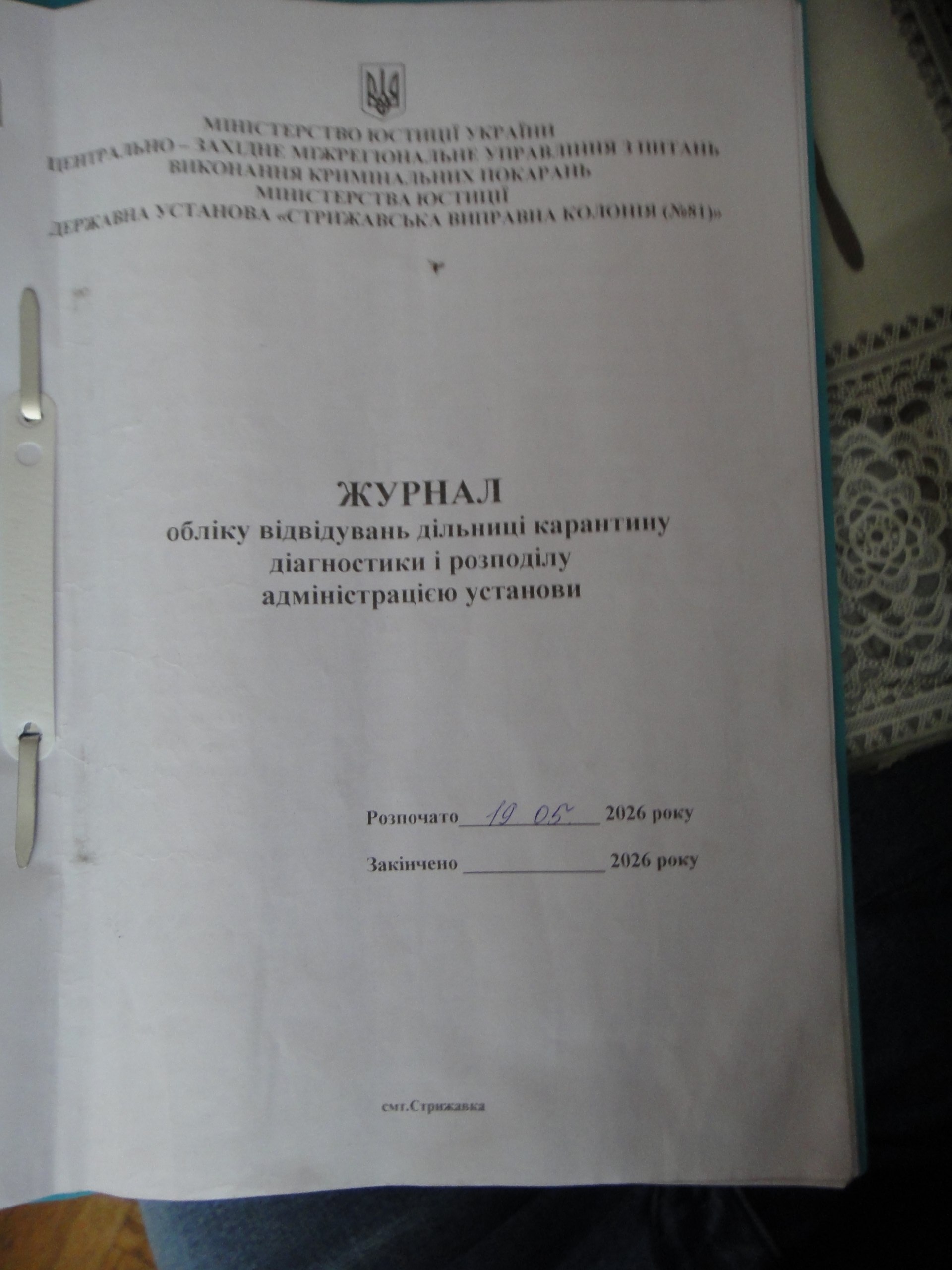
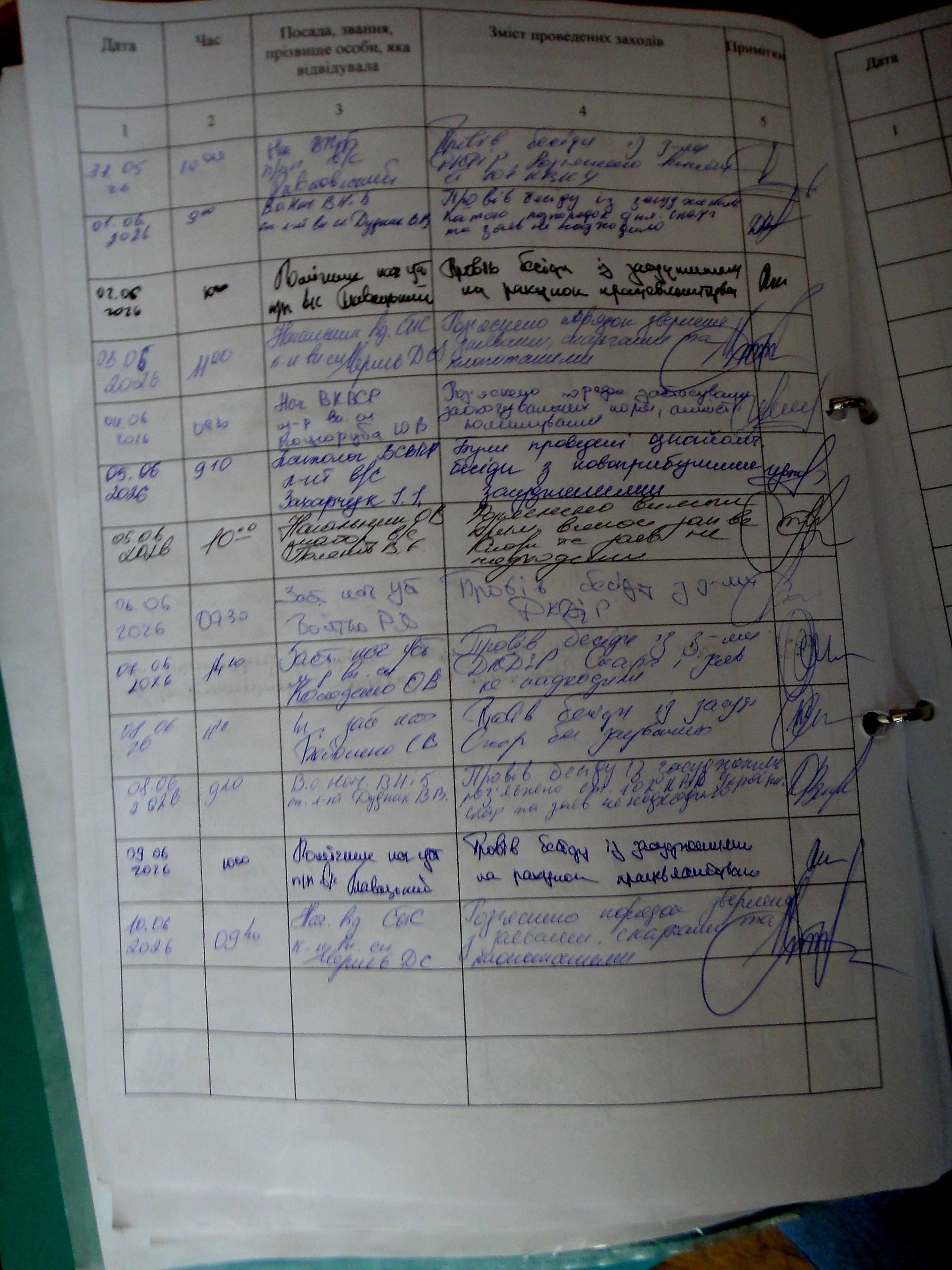
The lack of proper organisation of work is confirmed, in particular, by entries in the logbook recording visits to the quarantine, diagnostics and distribution section (hereinafter — QDD) by representatives of the institution’s administration.
Thus, the head of the outpatient department of Stryzhavka Multi-Field Hospital No. 81, who, according to the orientation programme for newly arrived convicts, should conduct sessions on the procedure for receiving medical care, according to the entries in the QDD visit logbook, last conducted a relevant session on 26 February 2026. As of 10 June 2026, no further such sessions had been held, which demonstrates non-fulfilment of the orientation programme for newly arrived convicts and non-compliance with paragraph 5 of Section II of the Regulations on the QDD Section.
2. In violation of paragraph 1 of Section II of the Regulations on the QDD Section, the working group dealing with newly arrived convicts does not include the head of the financial management and accounting department — the chief accountant.
3. The monitoring group established that the material and living equipment of the QDD section does not fully meet the established regulatory standards.
Thus, in violation of the requirements of the Provision Norms for Furniture, Inventory and Domestic Items of Medium-Security Correctional Colonies, approved by Order of the Ministry of Justice of Ukraine No. 1118/5 dated 27 July 2012 (hereinafter — Provision Norms), the QDD section lacks a number of facilities, namely: a room for storing the exchange stock of bedding, clothing and workwear; a storehouse for temporary storage of dirty bedding, clothing and workwear; a cloakroom; a utility room; and a drying room.
The absence of these premises leads to violations of sanitary and hygienic standards, complicates the maintenance of proper cleanliness and order in places where convicts are held, and in turn negatively affects the overall sanitary condition of the institution.
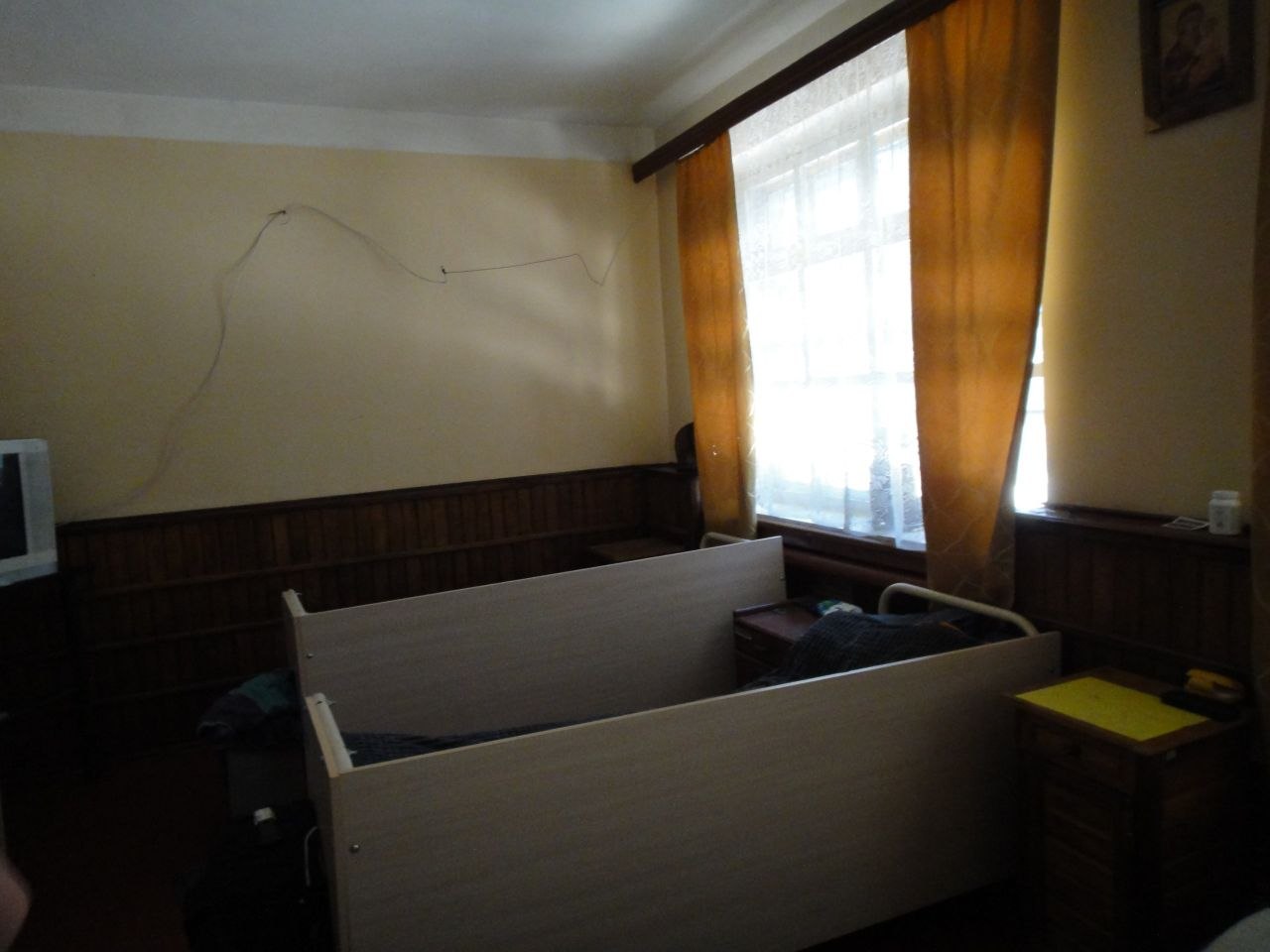
4. In violation of the requirements of Rule 22.5 of the European Prison Rules, Rule 22.2 of the UN Standard Minimum Rules for the Treatment of Prisoners (the Nelson Mandela Rules), and the Provision Norms, the residential quarters of the QDD section are not provided with a 15-litre drinking water tank equipped with a tap, cover, mug, and basin.
5. During confidential interviews with convicts, the monitoring group established that during strip searches of newly arrived convicts in the search room, institutional staff carry out video recording using body-worn cameras.
However, according to paragraph 8 of Section VII of the Procedure for the Use of Technical Surveillance and Control Equipment in Correctional and Juvenile Correctional Institutions of the State Penitentiary Service of Ukraine, approved by Order of the Ministry of Justice of Ukraine No. 2025/5 dated 26 June 2018 (hereinafter — the Procedure), the use of video cameras and portable body-worn cameras is prohibited in rooms (cells) where medical examinations (inspections) of convicts or strip searches take place, as well as in medical unit wards.
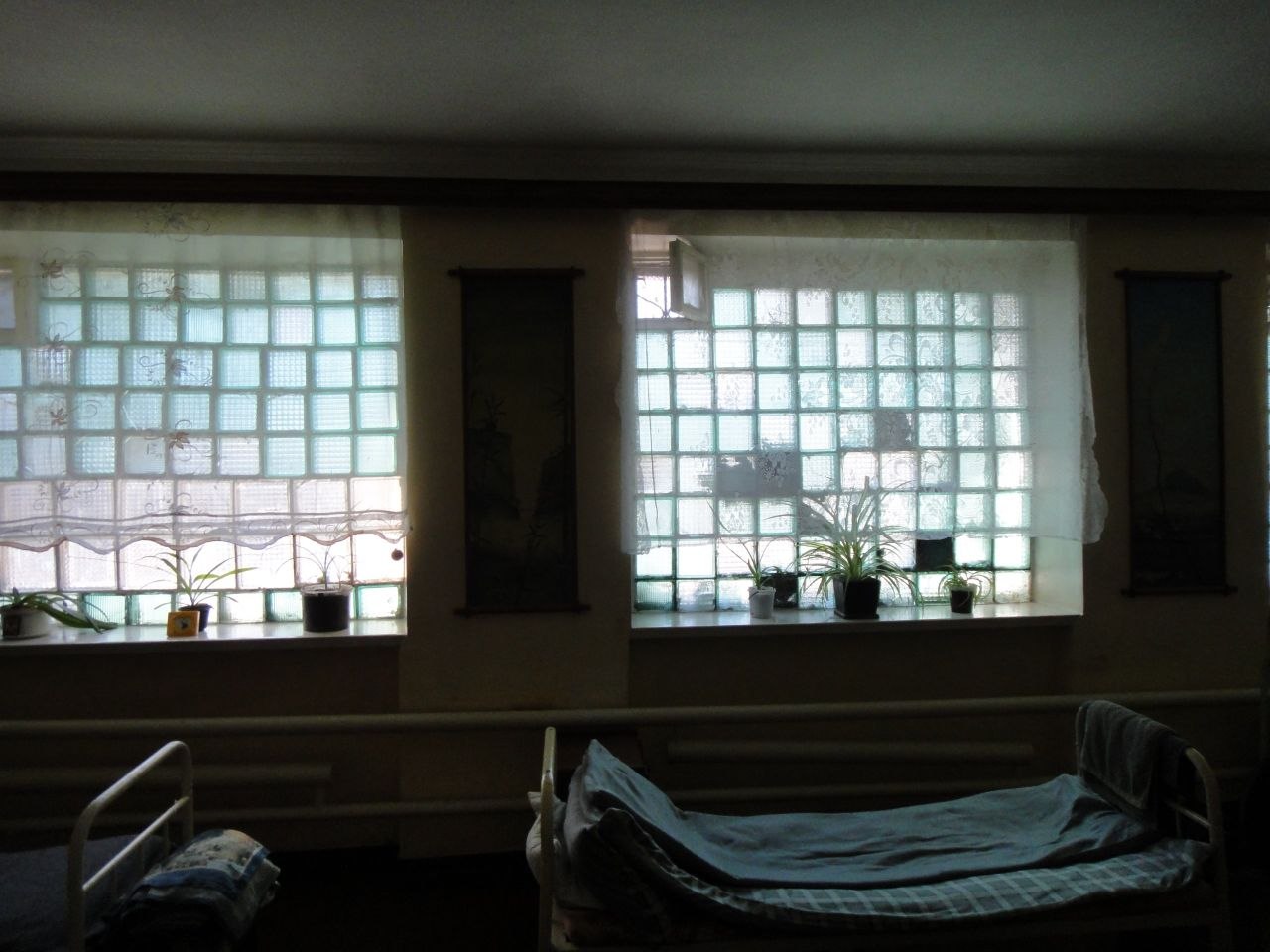
6. In residential room No. 3 of the QDD section, the monitoring group noted the presence of windows fitted with darkened glass blocks, as a result of which natural light barely penetrates into the room.
In its report on the 2020 visit to Ukraine, the Committee (CPT) drew attention to similar circumstances and recommended that steps be taken to review the design of cell windows so that prisoners can see outside the cell (CPT/Inf (2020) 40, paragraph 48).
7. During the visit to the QDD section, a lack of visual information indicating the postal address of the European Court of Human Rights was noted. This contradicts paragraph 6 of Section II of the House Rules of Penal Institutions, approved by Order of the Ministry of Justice of Ukraine No. 2823/5 dated 28 August 2018 (hereinafter — House Rules).
8. The layout and equipping of the disciplinary isolation cell-type premises (hereinafter — DISO/PKT) of the institution do not fully comply with established standards for the treatment of prisoners and fail to provide adequate material, living, and sanitary conditions, resulting in violations of convicts’ rights.
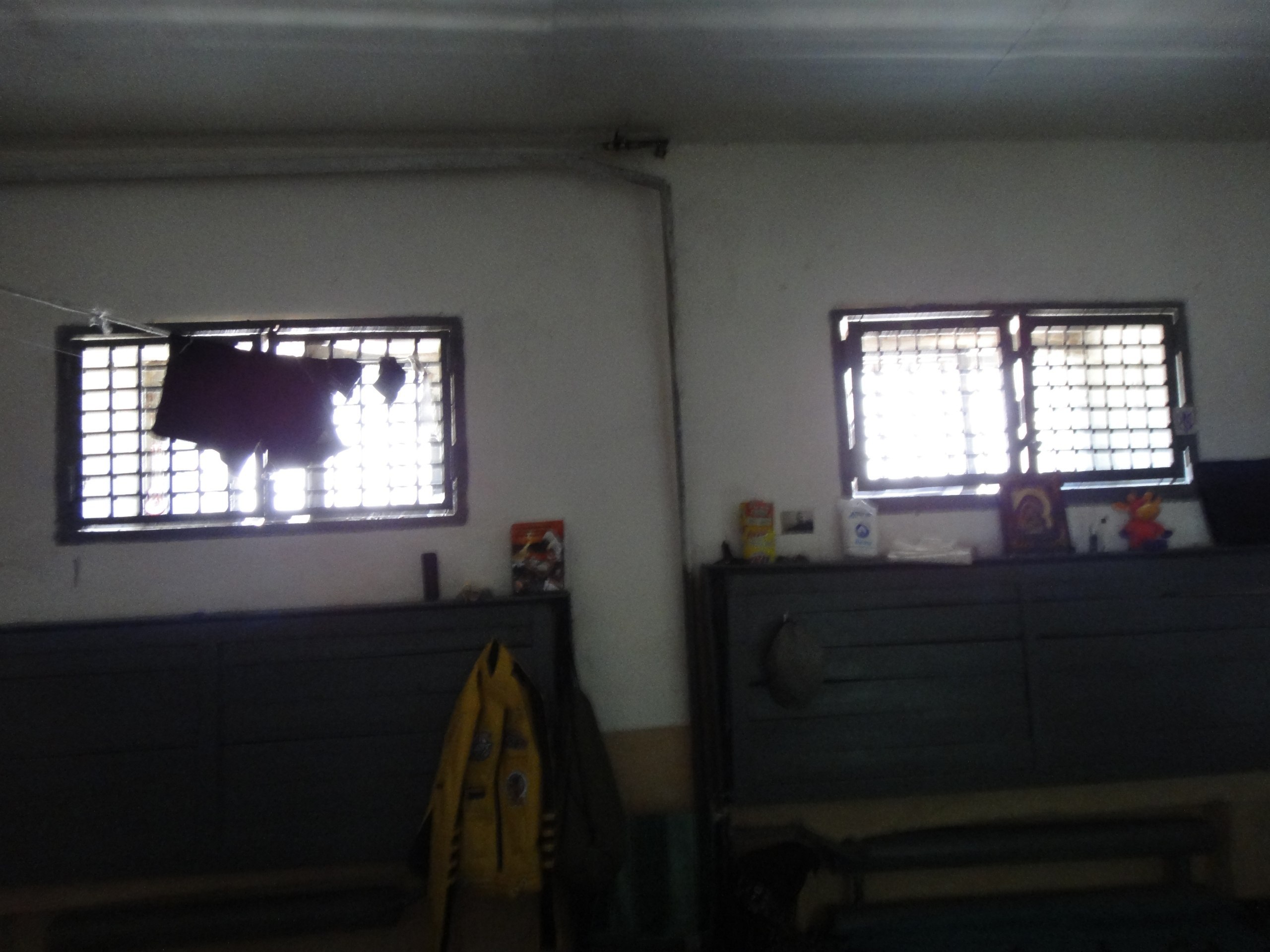
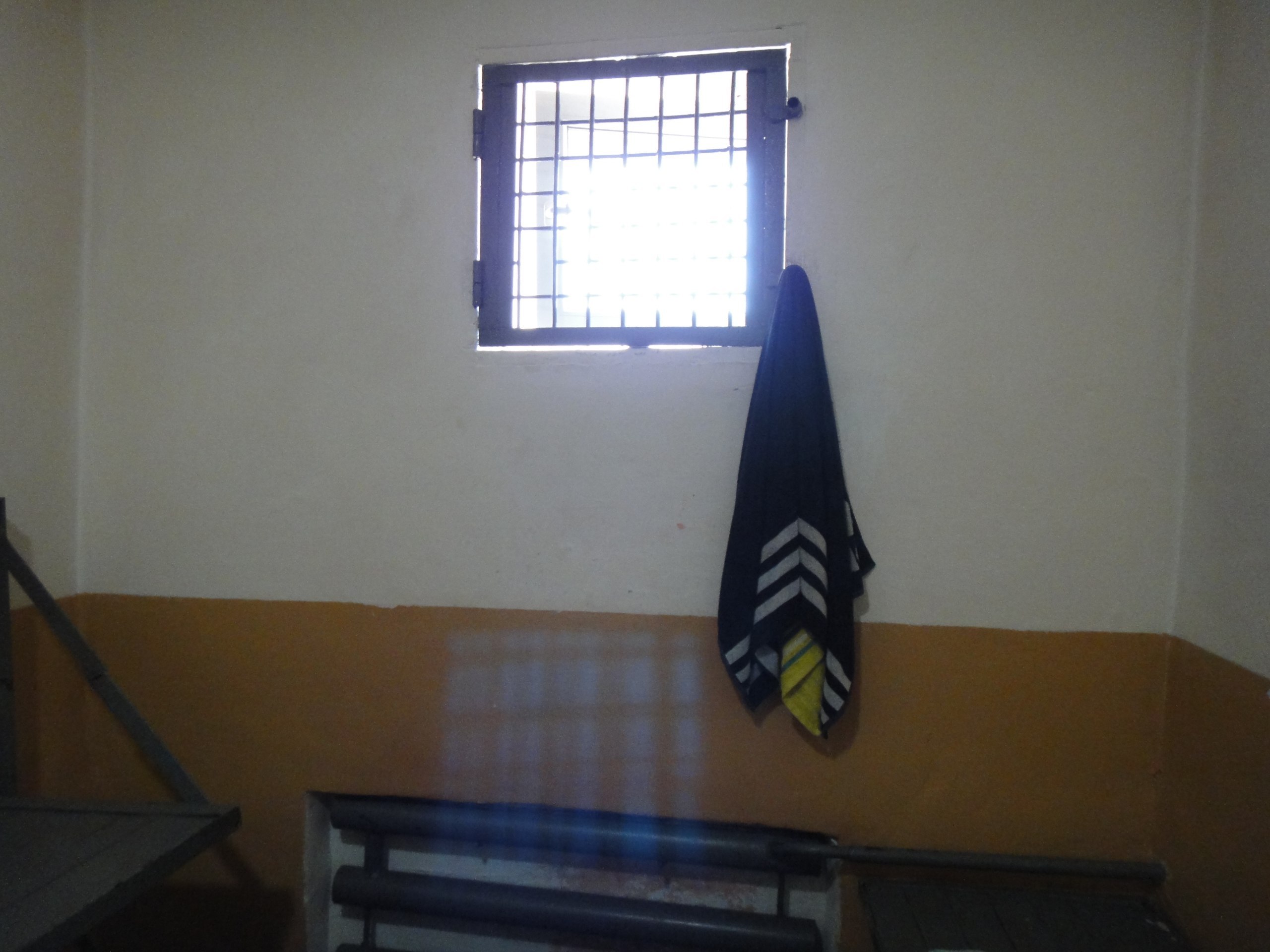
In the cell premises of the DISO/PKT, adequate natural light is not ensured because the cell windows are located at a considerable height and are small in size, resulting in daylight hardly entering the rooms. These conditions may create additional psychological pressure on convicts due to restricted visual contact with the outside environment.
This fails to meet the requirements of Rule 18.2 (a) of the European Prison Rules and Rule 14 of the UN Standard Minimum Rules for the Treatment of Prisoners (the Nelson Mandela Rules).
A similar violation was identified in the cell premises of the remand section.
9. In certain cells of the DISO/PKT and cells of the remand section, mechanical ventilation is non-operational, which fails to comply with Rule 13 of the UN Standard Minimum Rules for the Treatment of Prisoners (the Nelson Mandela Rules).
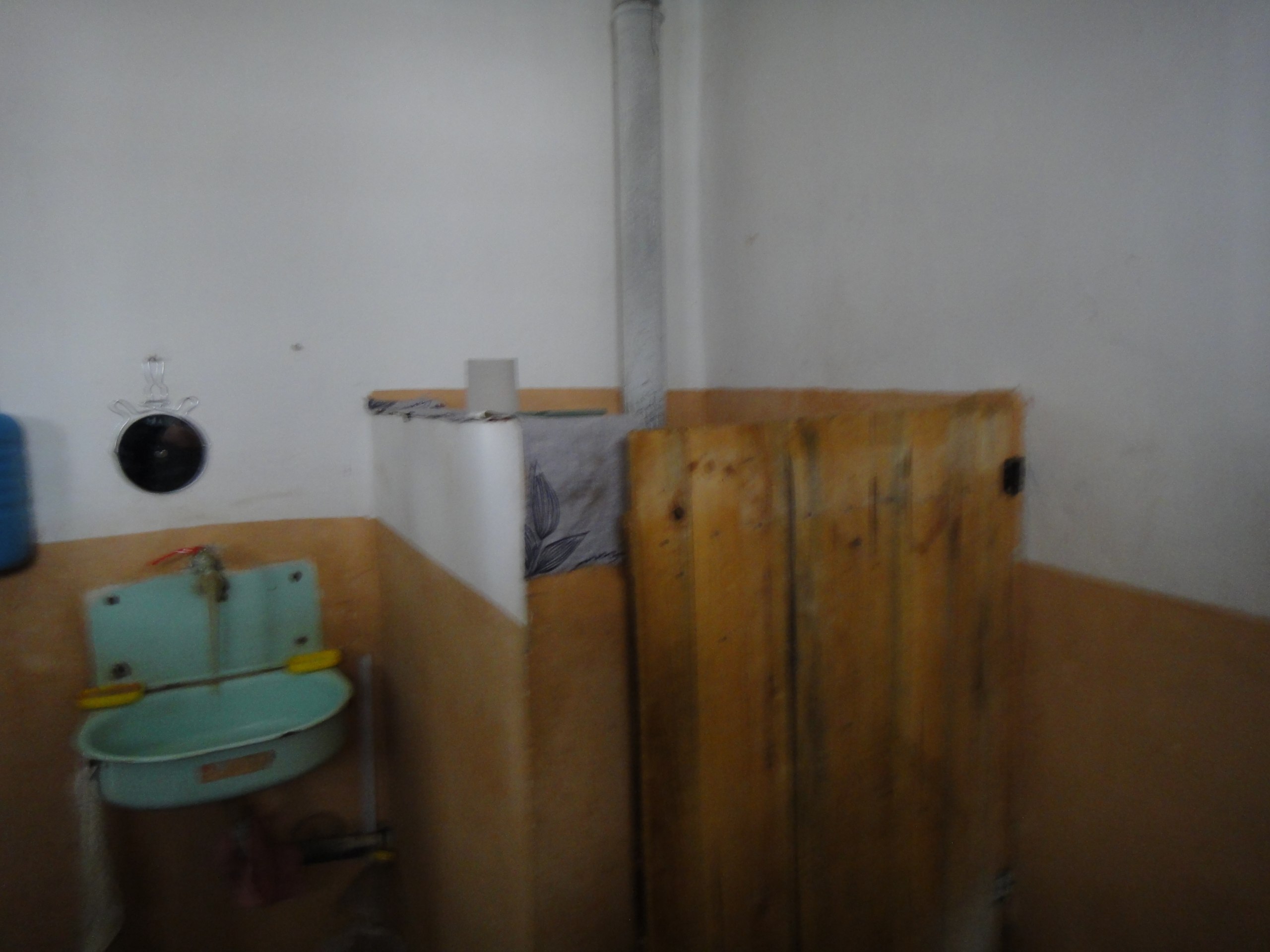
10. Sanitary facilities in the cells of the DISO/PKT are not equipped with partitions of sufficient height to ensure a proper level of privacy, and in cell No. 9, the sanitary facility is not fitted with a door at all, making privacy during use impossible. This fails to meet the requirements of Rule 19.3 of the European Prison Rules and Rule 15 of the UN Standard Minimum Rules for the Treatment of Prisoners (the Nelson Mandela Rules).
A similar violation was established in the cell premises of the remand section.
Furthermore, in its report following the 2023 visit, the Committee urged the Ukrainian authorities to take the necessary steps to improve material conditions of detention, in particular: to maintain all accommodation units for convicts and remand prisoners, including sanitary facilities, in a proper state of repair and hygiene; to ensure regular and frequent disinfestation; to ensure sufficient access to natural light and ventilation in cells; and to fully partition off in-cell sanitary facilities from floor to ceiling (CPT/Inf (2024) 20, paragraph 58).
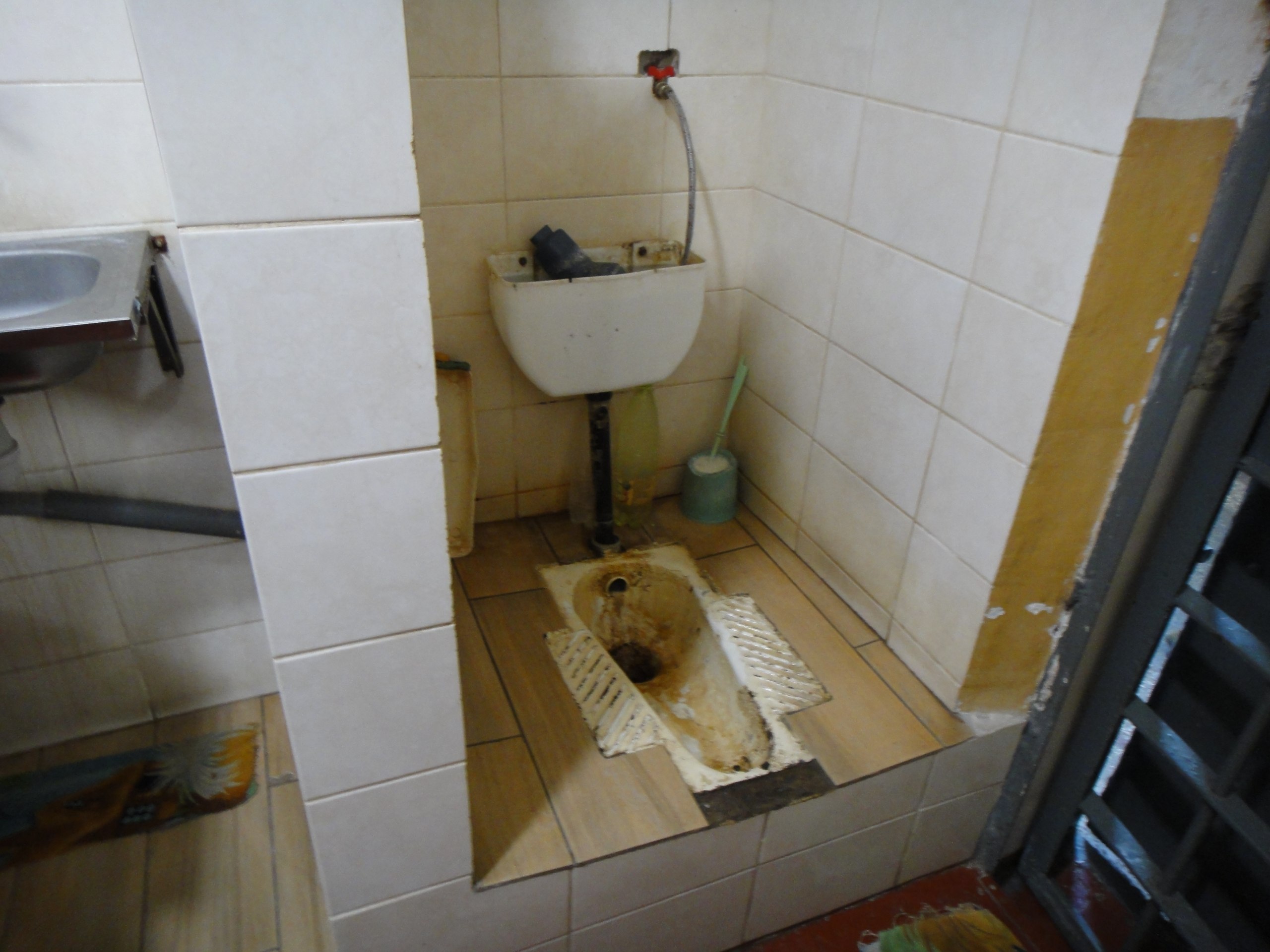
11. In violation of Rule 22.5 of the European Prison Rules and Rule 22.2 of the UN Standard Minimum Rules for the Treatment of Prisoners (the Nelson Mandela Rules), drinking water tanks in the DISO/PKT premises are not filled with clean drinking water, forcing convicts to consume technical water from the central mains system.
12. There is no radio installation in the DISO/PKT cell premises, which contradicts paragraph 3 of Section XX of the House Rules of Penal Institutions, approved by Order of the Ministry of Justice of Ukraine No. 2823/5 dated 28 August 2018 (hereinafter — House Rules), and Rule 63 of the UN Standard Minimum Rules for the Treatment of Prisoners (the Nelson Mandela Rules).
13. During the visit to the DISO/PKT, it was established that the institutional administration failed to issue convicts serving disciplinary sanctions with copies of the decisions imposing such sanctions specifying the possibility and procedure for appealing against them, which contradicts Article 135 of the Criminal Executive Code of Ukraine.
At the same time, in its report following the 2023 visit, the Committee recommends taking measures in Ukrainian penal institutions to ensure that prisoners subjected to a disciplinary sanction systematically receive a copy of the relevant decision. Furthermore, prisoners should be informed of their right of access to a lawyer in the context of disciplinary proceedings (CPT/Inf (2024) 20, paragraph 103).
14. During the visit to the DISO/PKT and the analysis of official documentation, the monitoring group established that the psychologist does not visit convicts held in the DISO at least once a week, as required by paragraph twenty-six of item 6 of Section XXI of the House Rules.
This is confirmed by the absence of relevant entries in the logbook recording visits to the disciplinary isolation cell and cell-type premises by representatives of the penal institution's administration.
15. According to paragraph twenty-three of item 6 of Section XXI of the House Rules, to provide medical assistance, the head of the medical unit (duty doctor) shall visit the DISO, punishment cells, and PKT (OK) daily and, if necessary, conduct medical appointments with convicts. Following visits to the DISO, punishment cells, and PKT (OK), he/she is obliged to make appropriate entries in the logbook recording visits to the disciplinary isolation cell, cell-type premises, single cells, and punishment cells by the administration of the penal institution.
However, during the inspection of the said logbook, it was found that there were no relevant entries by a medical worker between 6 June 2026 and 8 June 2026, despite the fact that convicts were serving disciplinary sanctions in the DISO during this period.
This violation may indicate actual non-fulfilment by the medical worker of the duty to visit the disciplinary isolation unit daily, as well as a lack of proper medical supervision over the health status of convicts held in disciplinary cells.
16. During the visit to the DISO/PKT, it was found that the cell premises lacked visual information displaying hotlines telephone numbers, as well as postal and email addresses of the Ministry of Justice of Ukraine, the Parliamentary Commissioner for Human Rights of Ukraine, the European Court of Human Rights, the State Bureau of Investigation, the Office of the Prosecutor General, regional and district prosecutor’s offices, the Department of the Interregional Directorate, and the regional centre for free legal aid. This contradicts paragraph 6 of Section II of the House Rules.
17. The enhanced control section (hereinafter — DPK) is not functioning in the institution. However, the DPK is a structural unit of a medium-security correctional colony, and the procedure for holding convicts in such a section is provided for by Article 97 of the Criminal Executive Code of Ukraine and other regulatory acts.
18. The surface area of certain exercise yards is insufficient to ensure full physical activity for convicts. The yards require renovation work.
At the same time, the Committee has repeatedly recommended reviewing the design and dimensions of exercise yards, ‘which offer at best a view of the sky’ (CPT/Inf (2014) 15, paragraphs 122, 127).

19. Paragraph 1 of Section XXIII of the House Rules defines supervision over convicts as a system of measures aimed at ensuring the serving and execution of criminal sentences in the form of restriction of liberty, imprisonment, life imprisonment, and arrest through round-the-clock and continuous control over the behavior of convicts in their places of residence and work, preventing and stopping unlawful acts on their part, and ensuring isolation requirements and safety of penal institution staff.
During the inspection of the DISO/PKT cells, installed CCTV cameras were recorded. However, in its report on the 2012 visit to Ukraine, the Committee criticized excessive intrusion into privacy caused by installing video cameras in convicts' living accommodation and noted that any decision to subject a prisoner to video surveillance should always be based on an individual assessment of actual risk and be subject to regular review.
Video surveillance is a serious intrusion into the private life of prisoners and makes the regime even more repressive, especially when used for prolonged periods (CPT/Inf (2013) 23, paragraph 52).
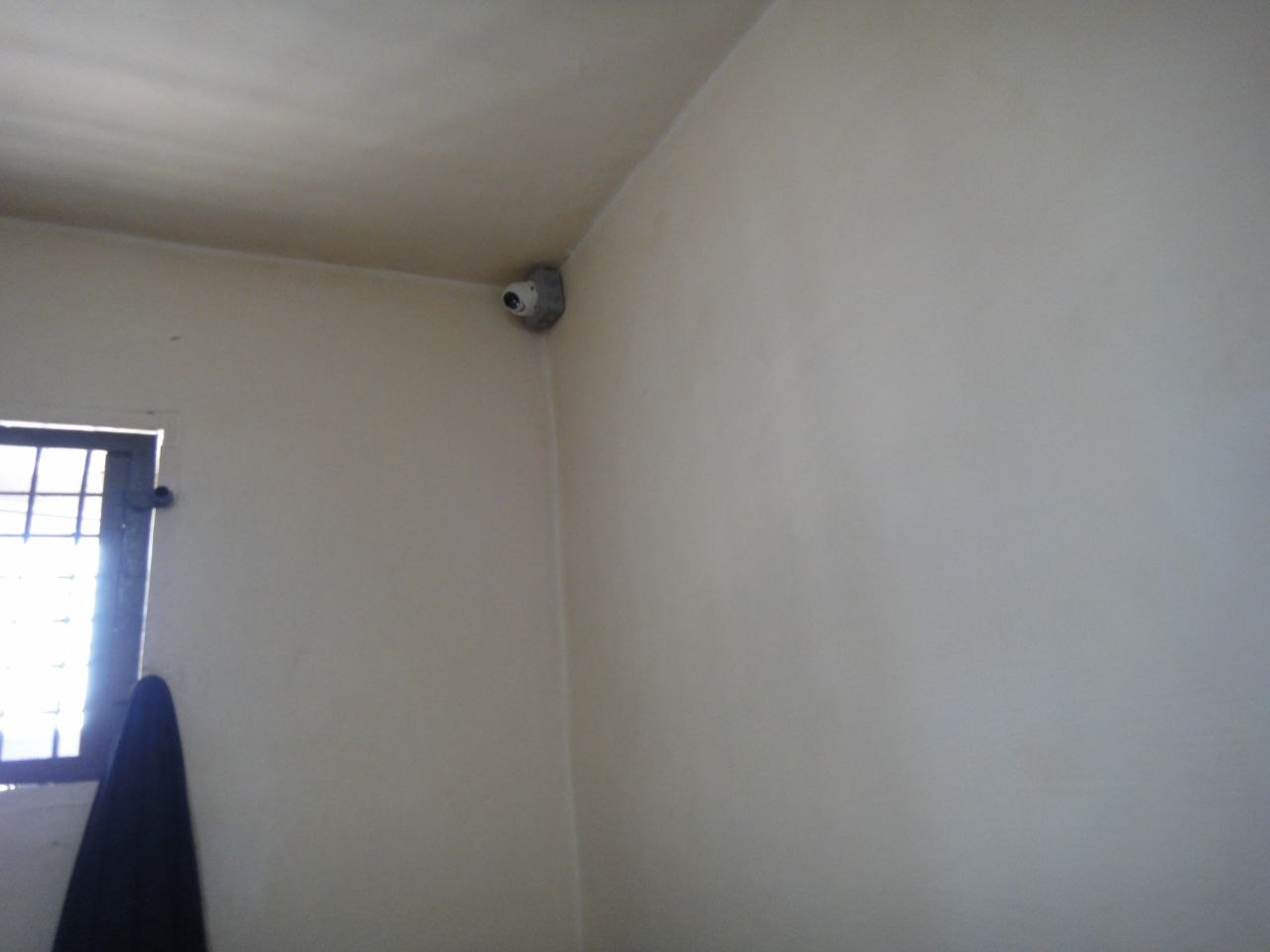
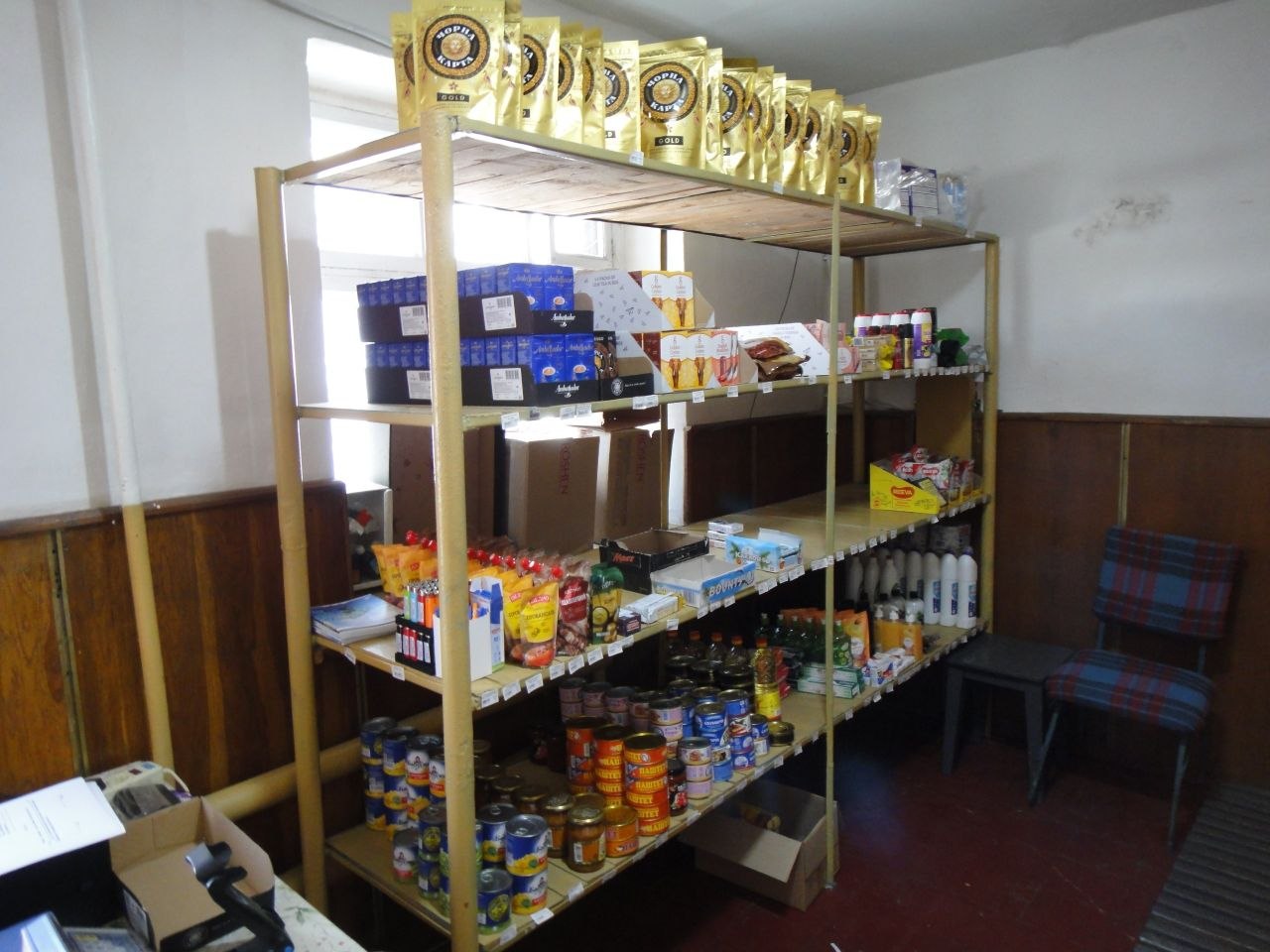
20. During the visit to the institution, the monitoring group established that the institution’s shop lacked toothbrushes, writing paper, combs, envelopes, stamps, devices for consuming tobacco products and inhaling aerosols (vapour) without combustion, as well as chargers for them, the availability of which is stipulated by Annex 5 to the House Rules.
21. The monitoring group identified a number of violations in the organisation of bath and laundry services for convicts and detainees.
According to paragraph 3.19.1 of Section III of the Regulations on the Organisation of Bath and Laundry Services for Persons Held in Penal Institutions and Remand Prisons, approved by Order of the Ministry of Justice of Ukraine No. 849/5 dated 8 June 2021 (hereinafter — Regulations), sanitary treatment involves washing convicts and remand prisoners in a bathhouse using soap and a washcloth, mandatory replacement of bed linen and underwear, as well as disinfection (destruction of pathogenic microorganisms) and disinfestation (destruction of insects and ticks carrying infectious diseases) of personal clothing and bedding (pillows, mattresses, blankets) in a disinfection chamber.
However, as established by the monitoring group, the disinfection chamber at the institution has been out of order since 13 January 2026, which makes proper sanitary treatment of bedding and clothing impossible, increases the risk of infectious disease transmission among convicts and staff, and violates established sanitary and hygienic standards.
22. In violation of paragraph 4 of Section XXII of the House Rules and paragraph 3.19 of Section III of the Regulations, compliance with sanitary, hygienic, and anti-epidemic requirements is not ensured in the institution.
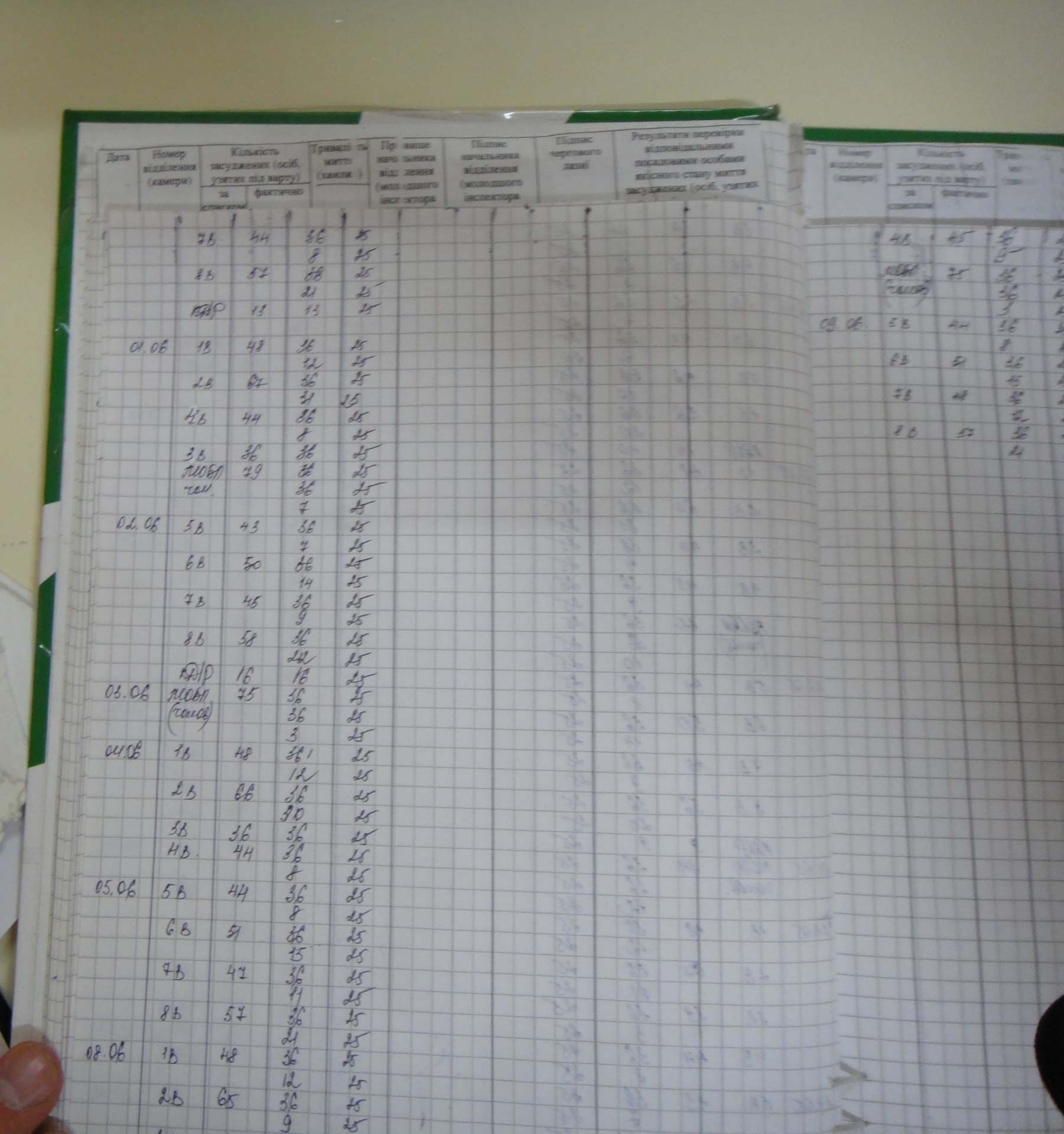
In particular, sanitary treatment of convicts arriving at the institution is not conducted. For example, on 30 May 2026 and 4 June 2026, convicts arrived at the facility, but entries regarding their bathing are missing from the bathhouse visit logbook.
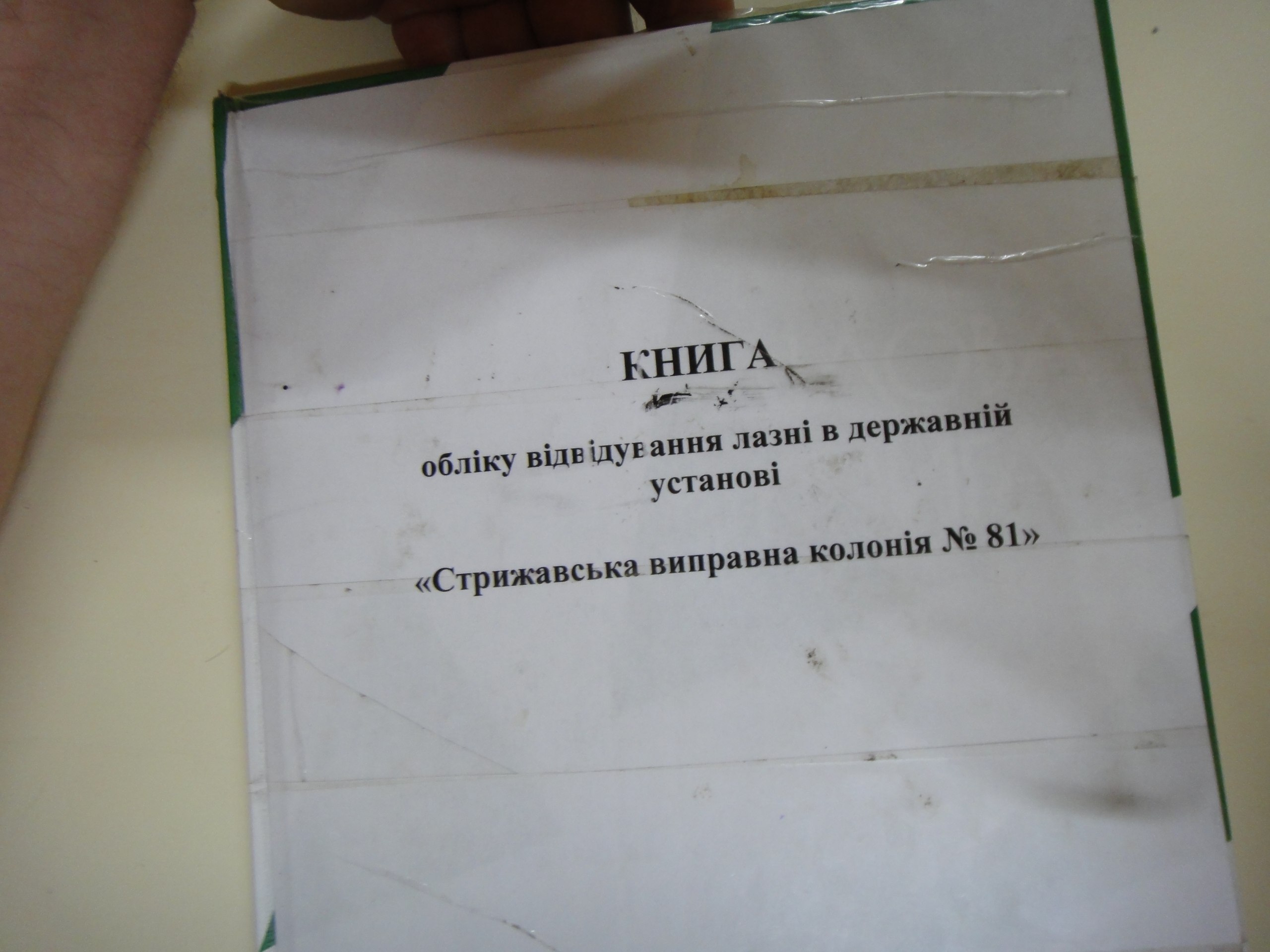
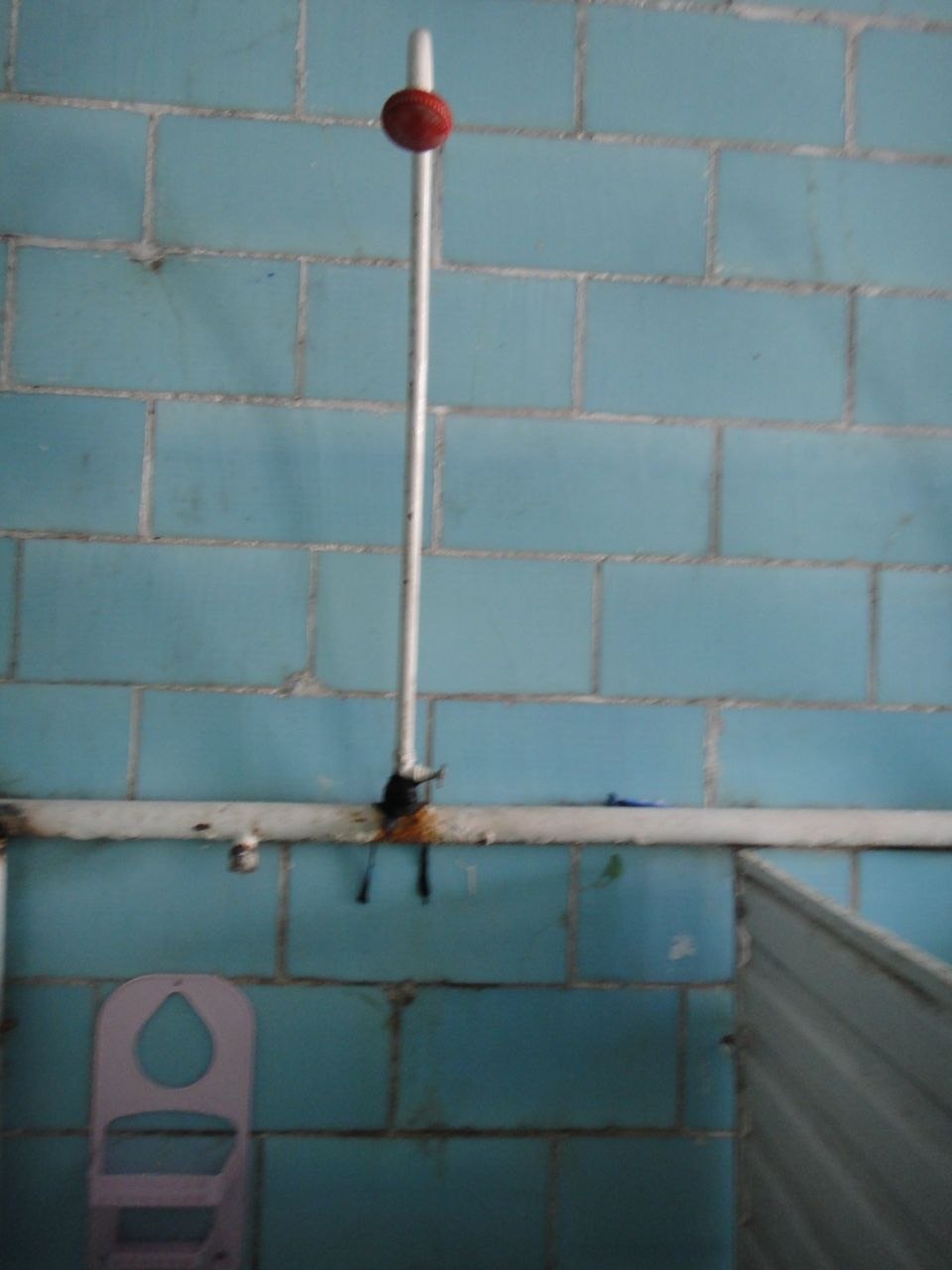
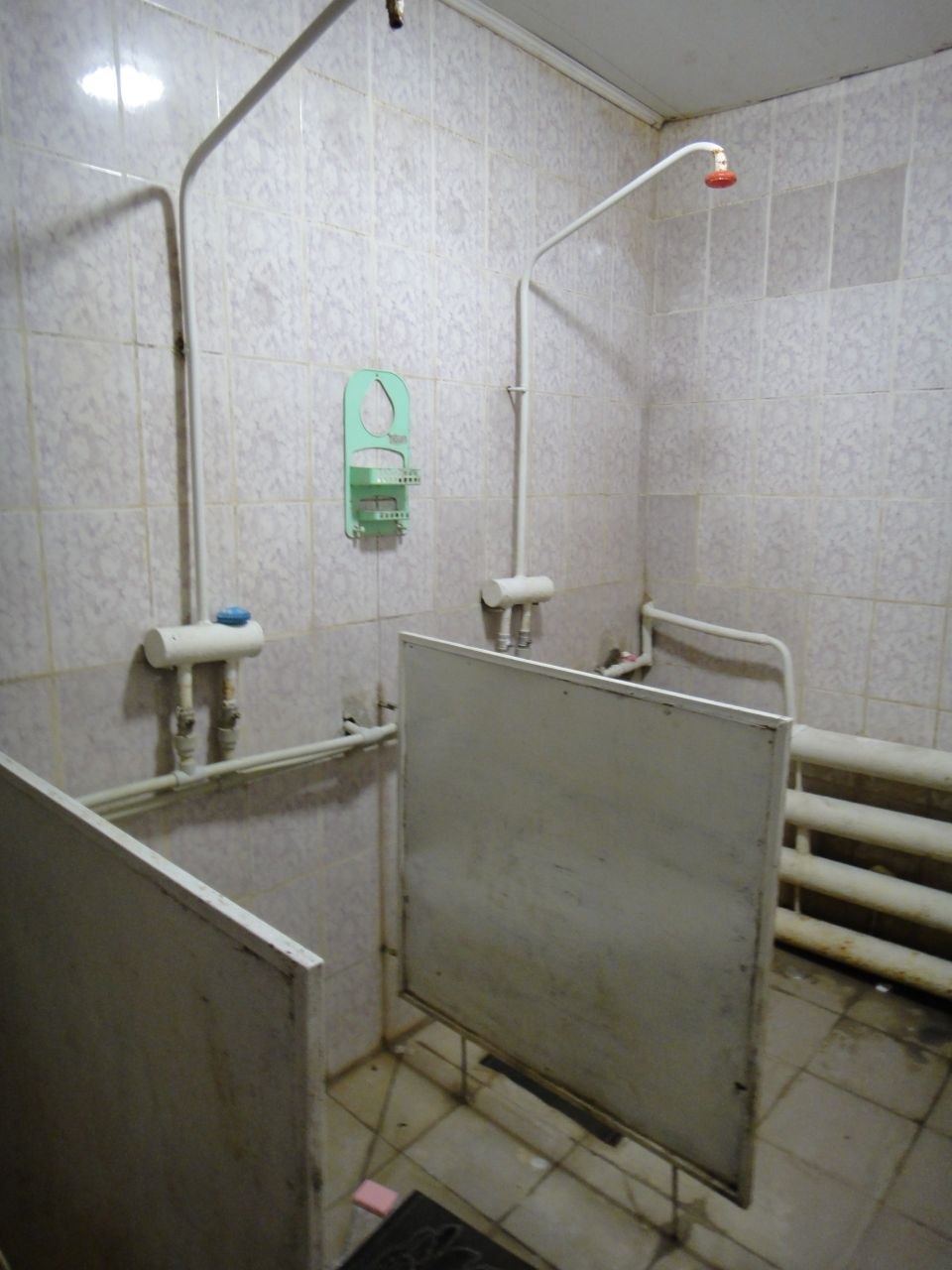
23. In violation of paragraph 2.6.2 of Section II of the Regulations, shower heads are not equipped with hot and cold water mixing taps, preventing convicts from adjusting water temperature when taking showers.
24. In violation of paragraph 2.14 of Section II of the Regulations on the Organisation of Bath and Laundry Services, hairdresser services are not provided to convicts and detainees at the facility.
25. In violation of Annex 3 to the Regulations on the Organisation of Bath and Laundry Services, the laundry room lacks a staff room, toilet, and shower facility for workers.
26. In violation of Rule 19.3 of the European Prison Rules, the right to privacy in the DISO shower room is not ensured due to the absence of curtains on shower partitions.
27. During the visit, the monitoring group recorded that institutional staff interacting directly with convicts openly carry special means, including rubber truncheons.
However, according to paragraph eight of item 1 of Section XXVI of the House Rules, the carrying of special means by penal institution staff within the secured perimeter of the penal facility should, as far as possible, be concealed from view.
Furthermore, the Committee recommends that prison staff who work in direct contact with prisoners should not carry special means, such as rubber truncheons, handcuffs, and tear gas canisters, openly before them. Such practice hinders the development of normal relations between staff and prisoners (CPT/Inf (2011) 29, paragraph 85; CPT/Inf (2013) 23, paragraph 23; CPT/Inf (2014) 15, paragraph 166).
28. According to information provided by the administration, during 2026, 49 short-term visits were granted to convicts at the State Institution ‘Stryzhavka Correctional Colony (No. 81)’, of which 29 took place in a non-contact manner — behind solid glass partitions using an intercom device.
However, in its report on the 2023 visit to Ukraine, the European Committee for the Prevention of Torture stresses that for all categories of prisoners, open visits (e.g. seated around a table) should be the rule, and closed visits the exception, permitted only on the basis of reasoned and justified decisions following an individual assessment of the potential risk posed by a specific prisoner.
In this context, the Committee calls on the Ukrainian authorities to review the regime of short-term visits in penal institutions to ensure that they are, as a rule, conducted under open conditions (CPT/Inf (2024) 20, paragraph 99).
29. In accordance with sub-item 5 of item 2 of Section IV of the Regulations on the Programme of Differentiated Educational Impact on Convicts ‘Preparation for Release’, approved by Order of the Ministry of Justice of Ukraine No. 1418/5 dated 16 May 2016 (registered with the Ministry of Justice of Ukraine on 17 May 2016 under No. 735/28865), staff of the facility’s socio-psychological service directly responsible for organising and implementing the ‘Preparation for Release’ programme are required to assist convicts in obtaining or renewing a Ukrainian citizen passport, a Registration Number of the Taxpayer’s Account Card (RNTRC), other personal documents, and in applying for pensions.
However, eight convicts require the issuance of a Ukrainian citizen passport, and 17 require an RNTRC, indicating an insufficient level of work by the socio-educational and psychological department regarding document issuance for convicts who lack them.
30. According to official records, staff shortage at the facility stood at 75 positions as of 10 June 2026.
Meanwhile, in its report following the 2023 visit, the Committee stresses that ensuring a positive climate in a penal institution requires a professional team of staff present in sufficient numbers at all times in detention areas. An inadequate staff presence can only increase the risk of inter-prisoner violence and intimidation.
A shortage of frontline staff also undermines the quality and range of activities offered to prisoners, jeopardising prospects for pre-release preparation and social rehabilitation.
The Committee therefore urges the Ukrainian authorities to take decisive steps to increase staff numbers substantially in Ukrainian penal facilities suffering from low staffing levels, in order to strengthen custodial staff presence inside accommodation areas. Measures should also be taken to end 24-hour shifts for duty personnel (CPT/Inf (2024) 20, paragraph 93).
31. An Internet class equipped with four computers has been established at the institution. During the monitoring visit, it was found that the computer equipment is outdated and requires upgrading. At the time of the visit, there was no Internet connection, as a result of which convicts were effectively unable to use email, video calls, or other permitted online services.
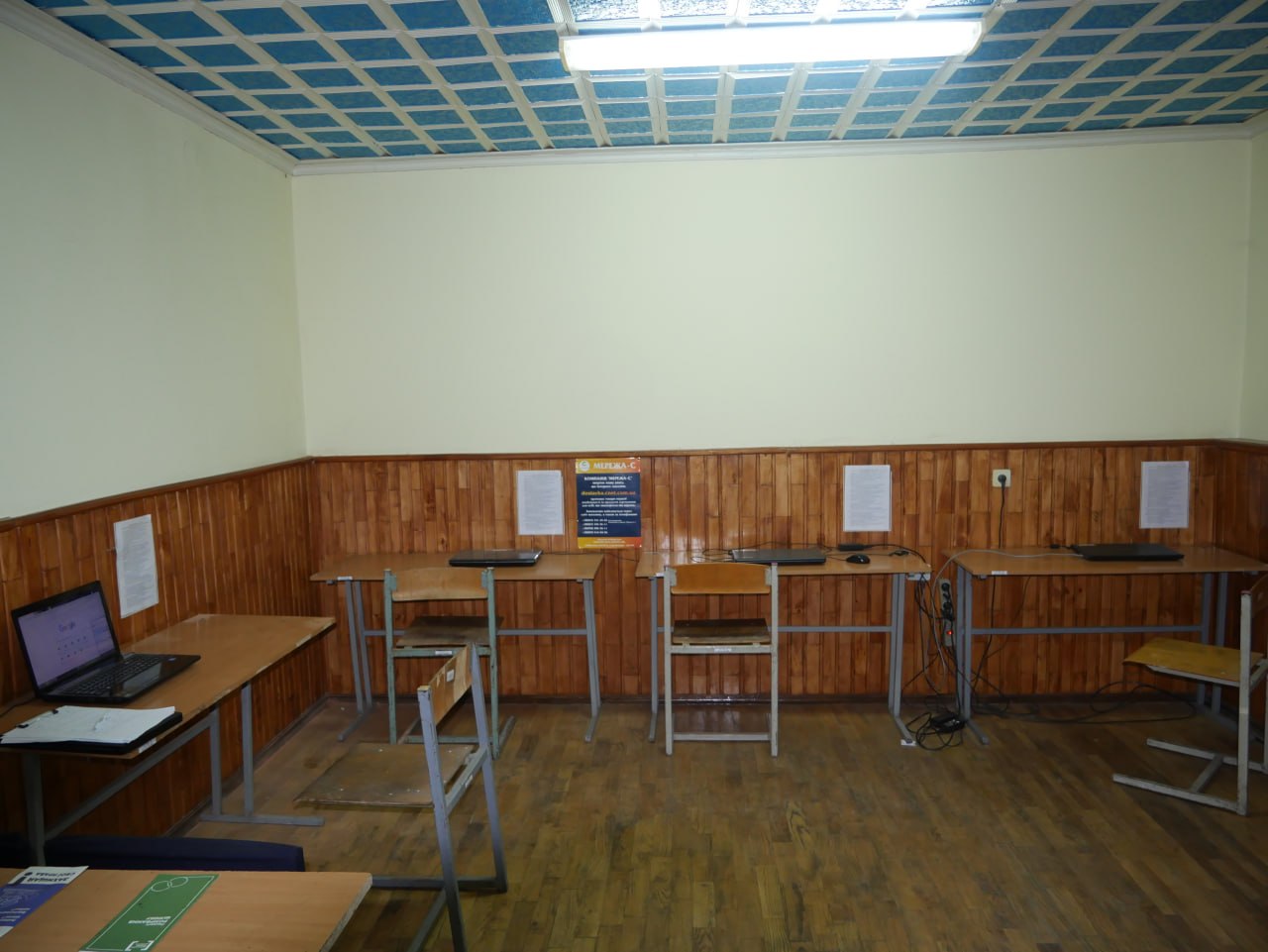
The approved schedule provides for the Internet room to operate Monday through Friday from 08:30 to 12:00 and from 13:00 to 17:00, and on Saturday from 08:30 to 12:00; Sunday is a day off. This schedule largely coincides with the working hours of employed convicts. Consequently, persons working until 17:00 are effectively deprived of the opportunity to visit the Internet room on working days. The availability of only one time slot on Saturday does not ensure adequate and equal access to the service.
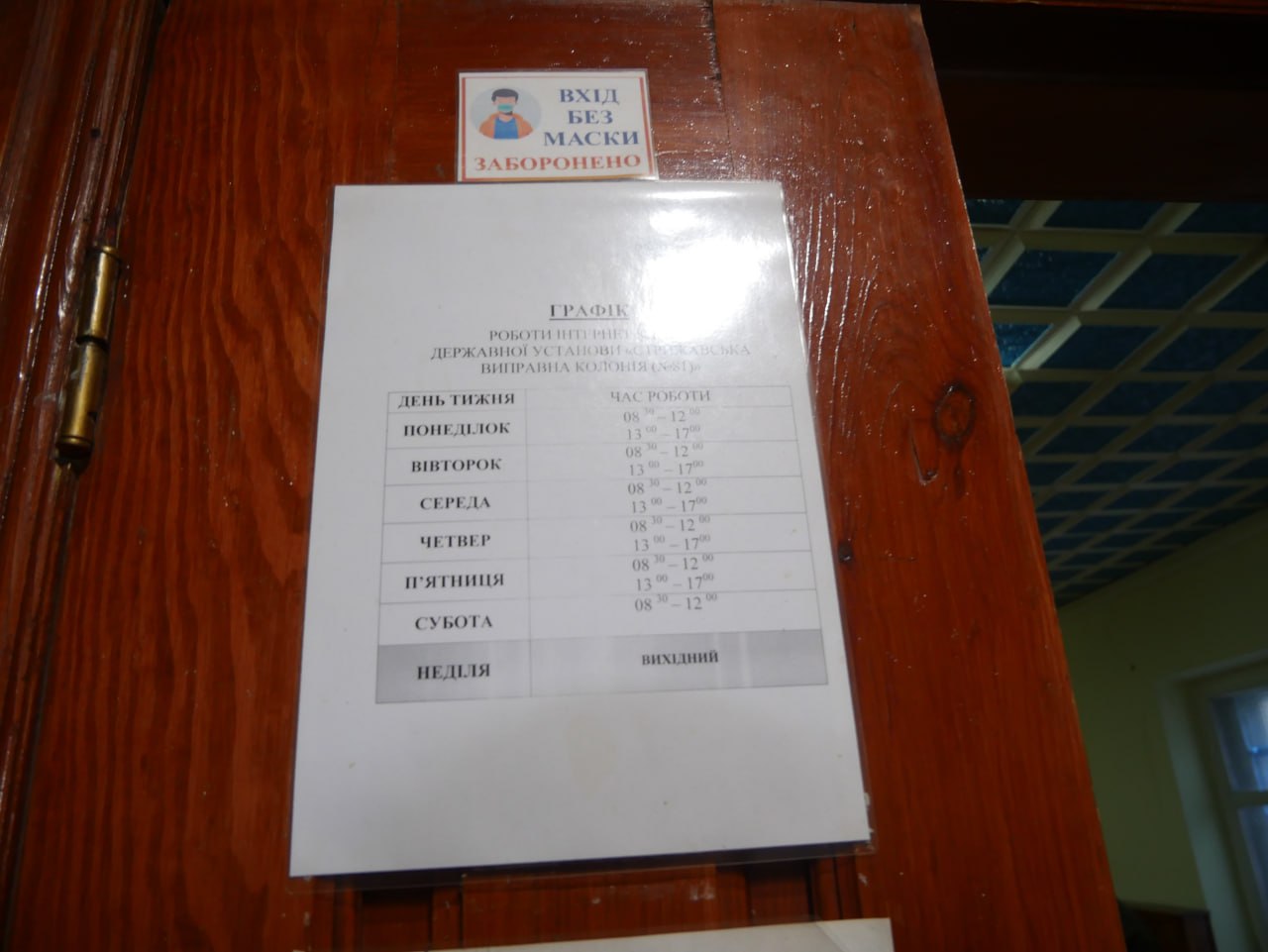
During the inspection, it was also found that the institution does not maintain a register of convicts' email accounts or a logbook of video calls. The lack of proper record-keeping makes it impossible to verify the number of requests made by convicts, the queue and duration of sessions, cases of access refusal, reasons for technical failures, as well as adherence to the principle of equal access. This creates a risk of non-transparent or selective provision of these services.
Under Article 110 of the Criminal Executive Code of Ukraine, convicts are guaranteed the right to use the global Internet. The organisational arrangements for exercising this right, including the use of email and video calling, are defined by a special procedure approved by Order No. 3233/5 of the Ministry of Justice of Ukraine. This right must not only be formally provided for, but also practically accessible to convicts.
The lack of an Internet connection, outdated equipment, and a schedule that fails to take into account convicts' work routines do not ensure the effective realisation of this right.
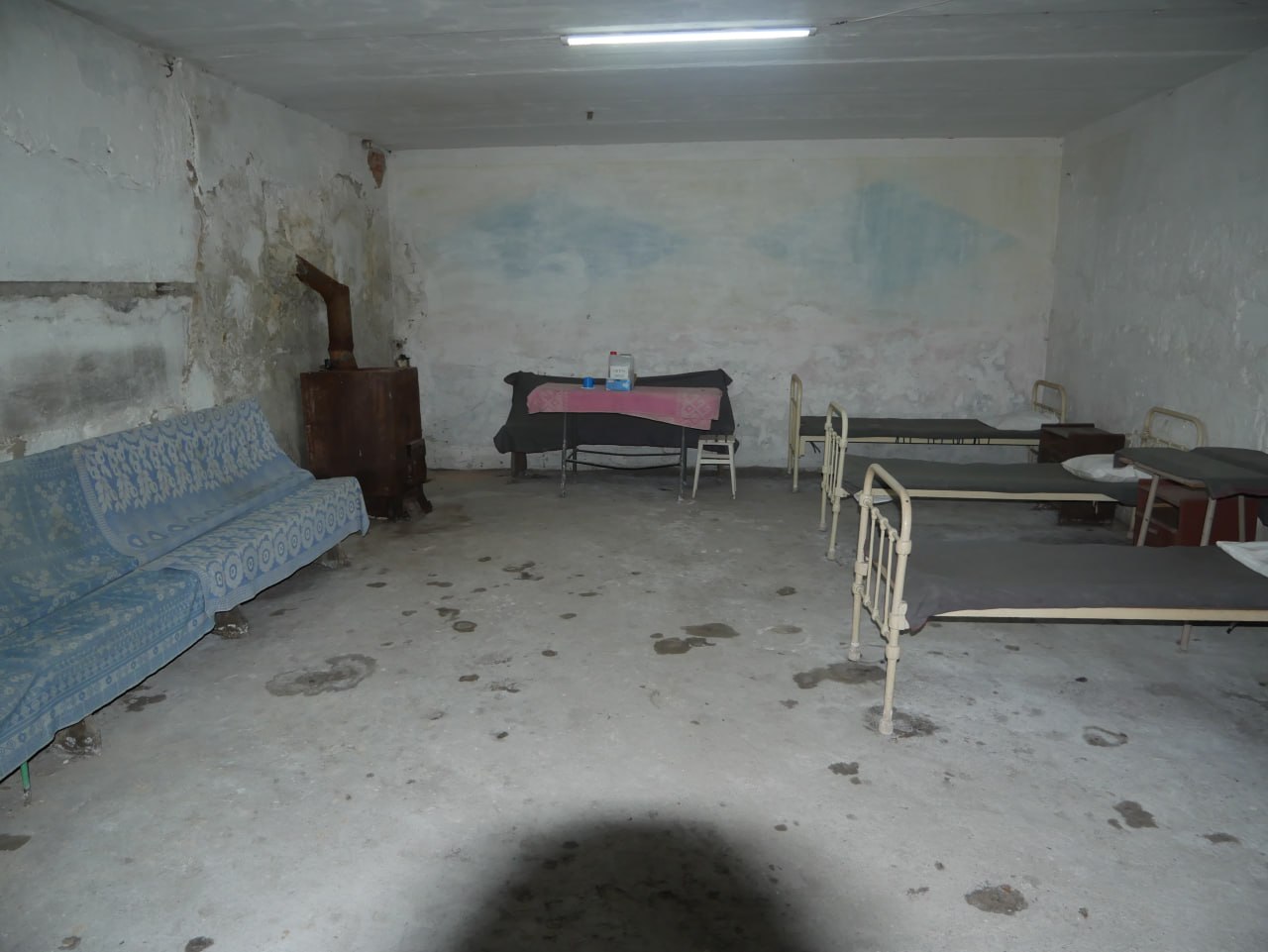
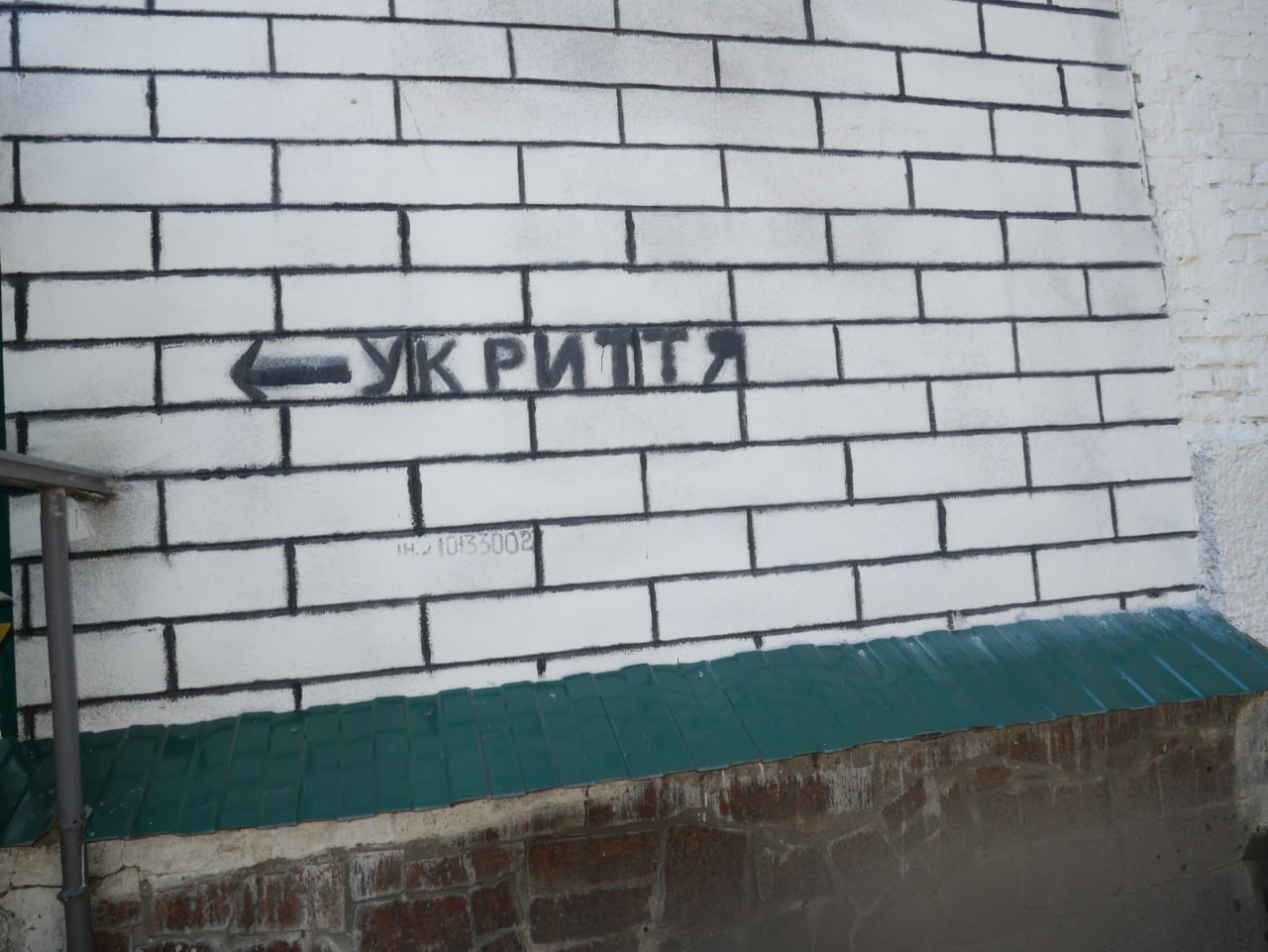
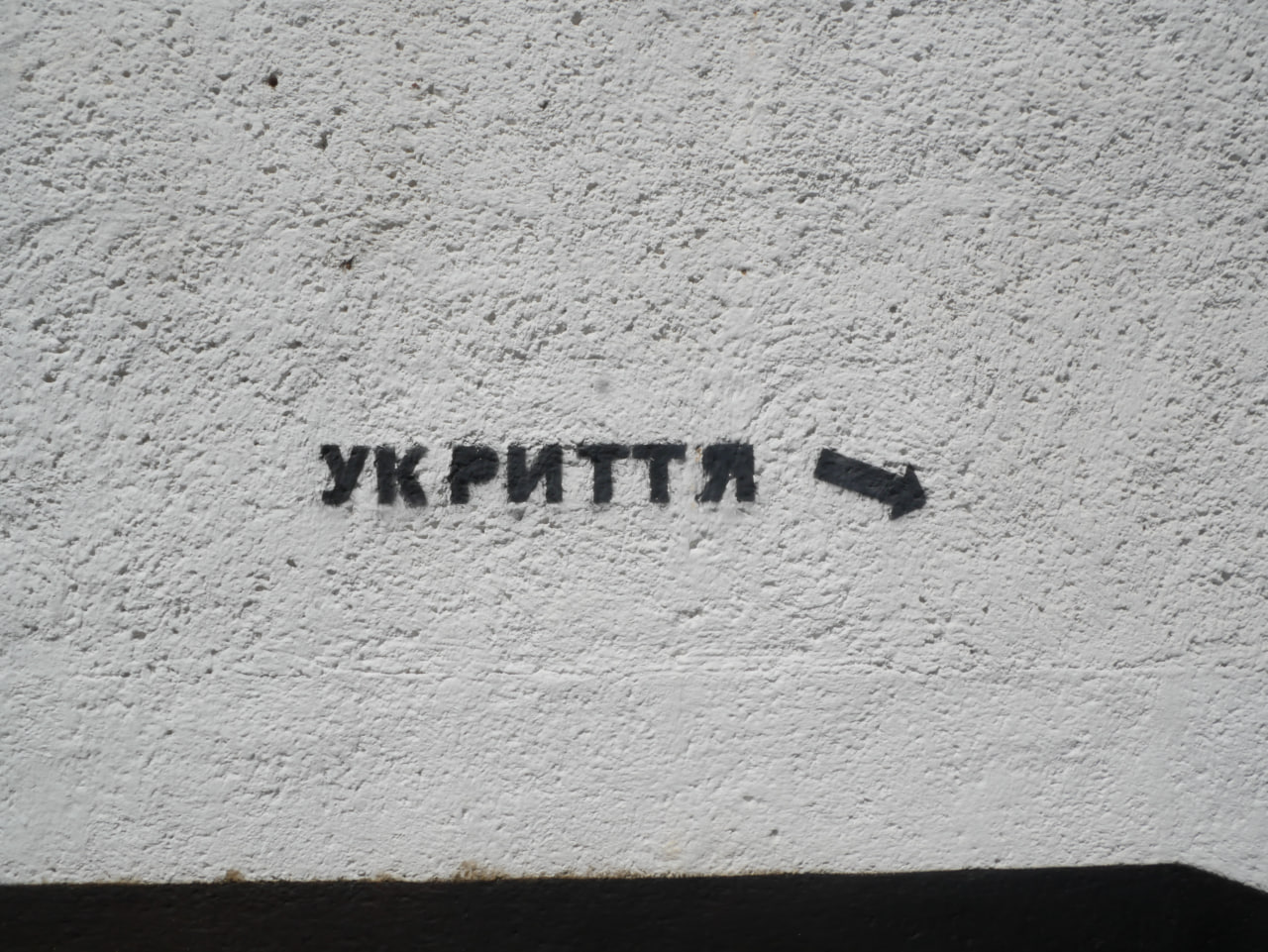
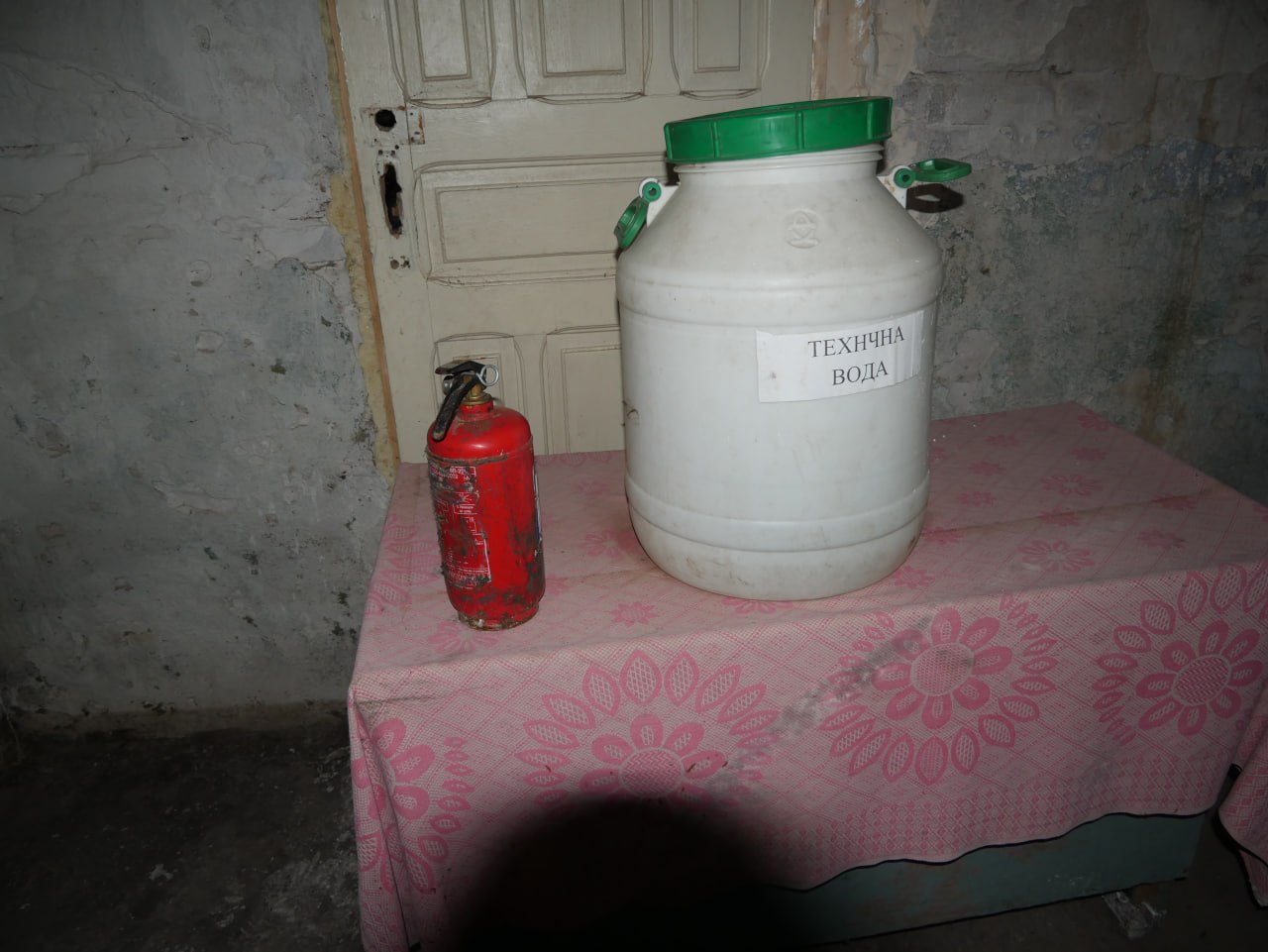
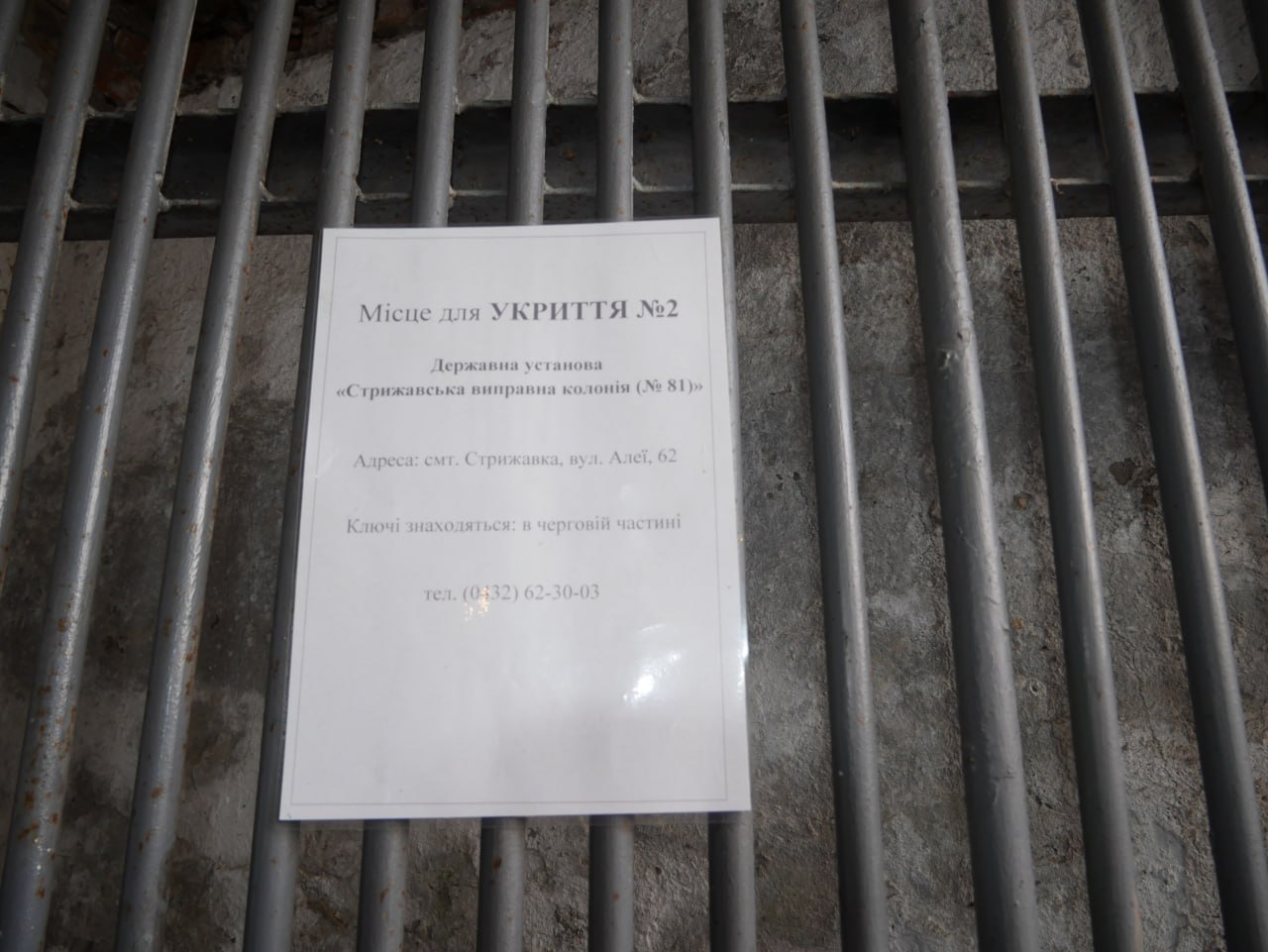
32. During the monitoring visit, it was established that two premises had been designated in the institution as shelters for convicts and staff.
Shelter No. 1 is actually used as a vegetable storehouse. The room lacks a secondary emergency exit, ventilation, and sanitation facilities. Using the shelter for storage purposes limits the ability to prepare it promptly for operational use and to accommodate people during air-raid alerts.
Shelter No. 2 is located in the third local sector of the quarantine, diagnostics and distribution section. This room also lacks a secondary emergency exit, ventilation, and sanitation. Of particular concern is that newly arrived individuals are housed in this section, and their movement across the facility’s territory depends entirely on staff actions.
The absence of a second or emergency exit creates a risk of trapping people inside if the single entrance is damaged or blocked. The lack of ventilation prevents safe, prolonged stays for a large number of people due to carbon dioxide accumulation, rising temperatures, and deteriorating air quality. The lack of plumbing or alternative sanitary facilities makes it impossible to ensure proper hygiene conditions during extended shelter stays.
Article 32 of the Code of Civil Protection of Ukraine imposes an obligation on property owners to maintain civil protection structures ready for their intended use. Using such premises for utility purposes is permitted only on condition that their protective properties are preserved and they can be brought to readiness in a timely manner.
Requirements for the maintenance and operation of protective structures, approved by Order No. 579 of the Ministry of Interior of Ukraine dated 9 July 2018, require providing safe evacuation, adequate air exchange, and sanitary-technical conditions for occupants inside the shelter.
Thus, both premises designated by the institution’s administration as shelters fail in practice to provide conditions for the safe stay of convicts and personnel. Their use in their current state poses a real threat to human life and health during air alerts and shows signs of mere formal compliance with civil protection requirements. The identified circumstances do not align with the state’s duty to protect human life, as enshrined in Article 27 of the Constitution of Ukraine.
33. During the monitoring visit, it was established that 176 convicts are engaged in work at the facility, of whom 75 work in production, 37 in workshops, 41 at contractor facilities, and 23 in general maintenance work. According to information provided by the administration, employment contracts were concluded with 65 convicts, whereas 111 individuals were engaged on the basis of civil law contracts.
The main types of production activities are charcoal packaging, manufacturing of briquettes and fuel pellets, woodworking, manufacturing of wooden packaging and other items, as well as executing orders for third-party business entities. In addition, convicts work in the catering unit, bakery, laundry, boiler house, perform repair and maintenance tasks, and clean residential and industrial areas.
The monitoring group was provided with work assignment rosters, a logbook recording the reception of convicts by production staff, individual work orders, remuneration records, civil law and employment contracts, and documents certifying the payment of taxes and unified social security contributions. In particular, the provided documents confirm the transfer in May 2026 of the unified contribution from remuneration accrued to convicts for April 2026, amounting to UAH 71,414.97.
At the same time, it was established that convicts engaged in production work under civil law contracts actually perform tasks within an organised production process: they are brought daily to designated workstations, included in rosters, monitored by production staff, adhere to fixed working hours, and systematically perform repetitive manufacturing operations.
Time-sheets for most of these individuals are not maintained. A shift assignment logbook is also missing at the enterprise. The individual work orders and handwritten time-sheets provided were fragmentary and fail to provide a full record of the hours actually worked by each convict or the volume of work completed. Under these conditions, it is impossible to verify the accuracy of remuneration calculations, compliance with working hours, granting of days off, or the completeness of accrued payments and social contributions.
An analysis of the contracts provided indicates that employment contracts were mostly concluded with convicts assigned to contractor sites, notably as manual labourers, as well as with individual workers performing permanent maintenance and production functions. Meanwhile, work inside the facility's production workshops is mostly formalised through civil law contracts. These contracts stipulate the completion of a specific task or production of a set volume of goods, with payment per unit produced or operation performed.
However, the nature of employment relationships should be evaluated not merely by the title of the contract concluded, but by the actual conditions under which work is performed. The regular performance of a specific work function, systematic work activity, provision of a workplace by the employer, adherence to a prescribed schedule, and supervision over the work process are characteristic features of employment relationships.
Taken together, these established circumstances give grounds to consider that in certain cases civil law contracts were used to cover relationships displaying features of employment. This creates a risk of depriving convicts of guarantees regarding working hours, rest periods, occupational safety, sick pay, and proper social insurance as provided for by Articles 21 and 24 of the Labour Code of Ukraine.
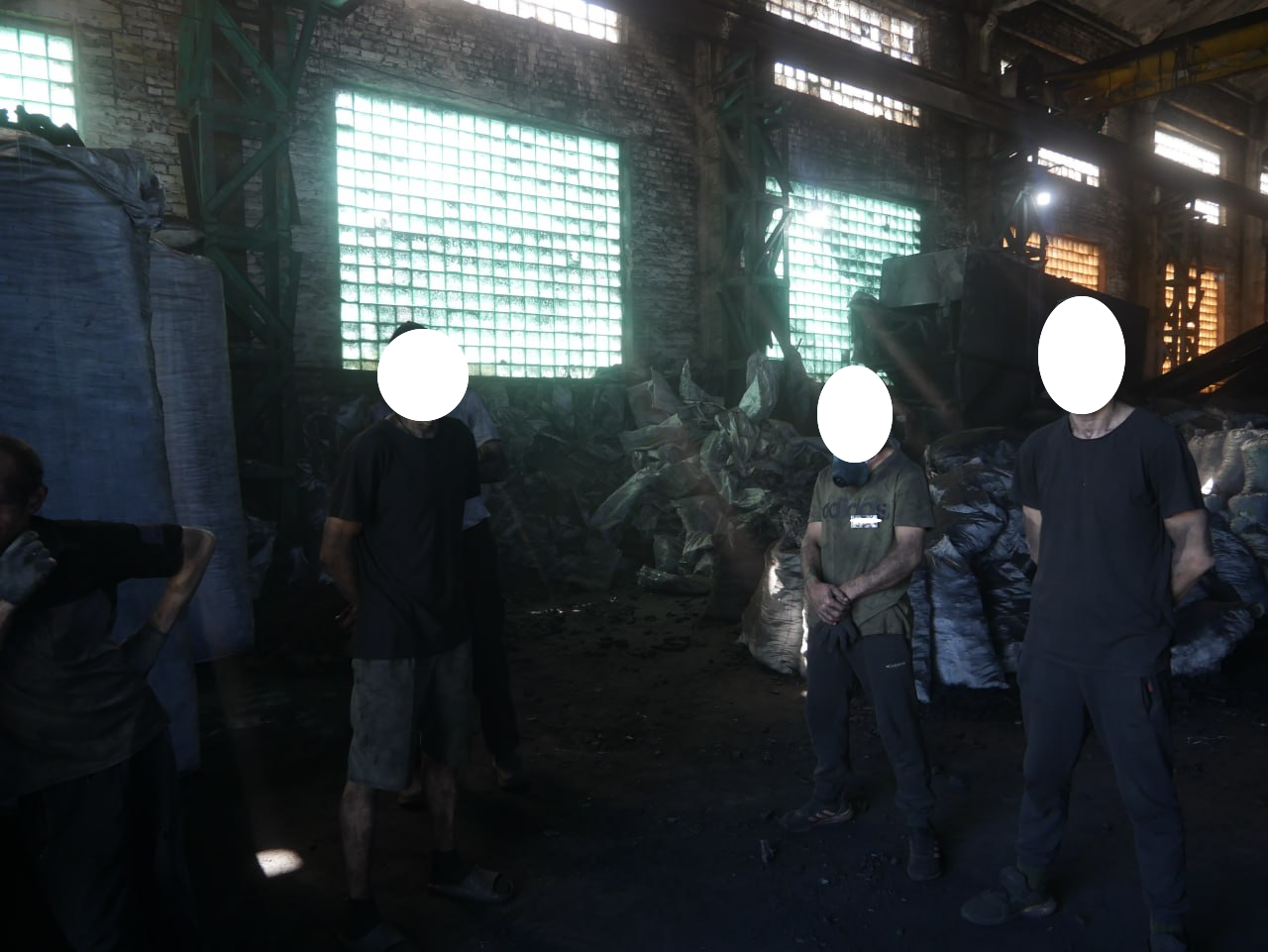
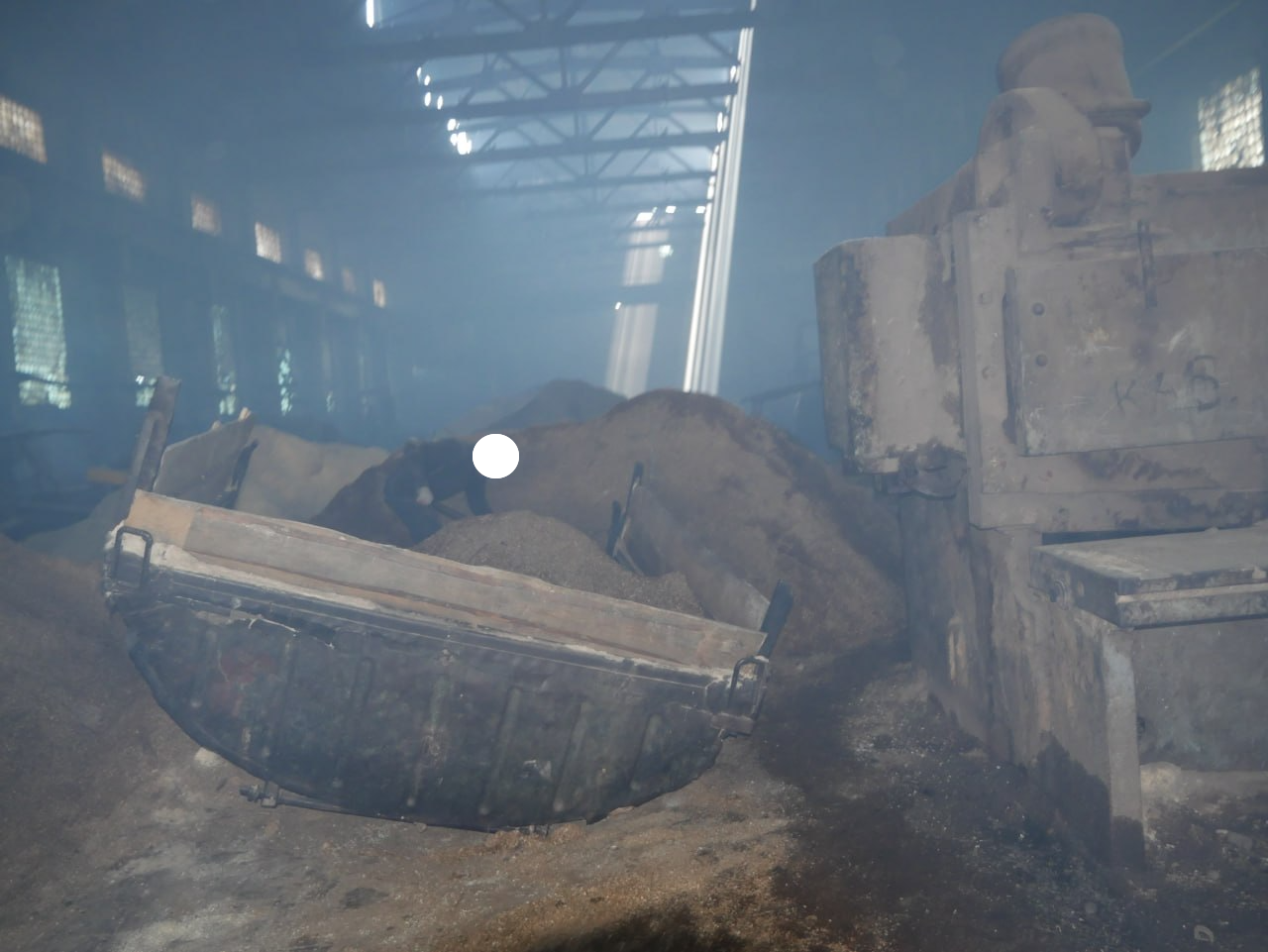
Of particular concern are working conditions in Workshop No. 2, where charcoal packaging is conducted. At the time of the visit, the premises were heavily contaminated with coal dust. Dust suspended in the air covered the floor, equipment, clothing, and exposed skin of convicts. Workers showed visible signs of prolonged exposure to coal dust. Provided respiratory protection equipment failed to offer adequate protection, and several convicts worked without respirators. Existing ventilation and other technical equipment failed to effectively remove dust from the work area.
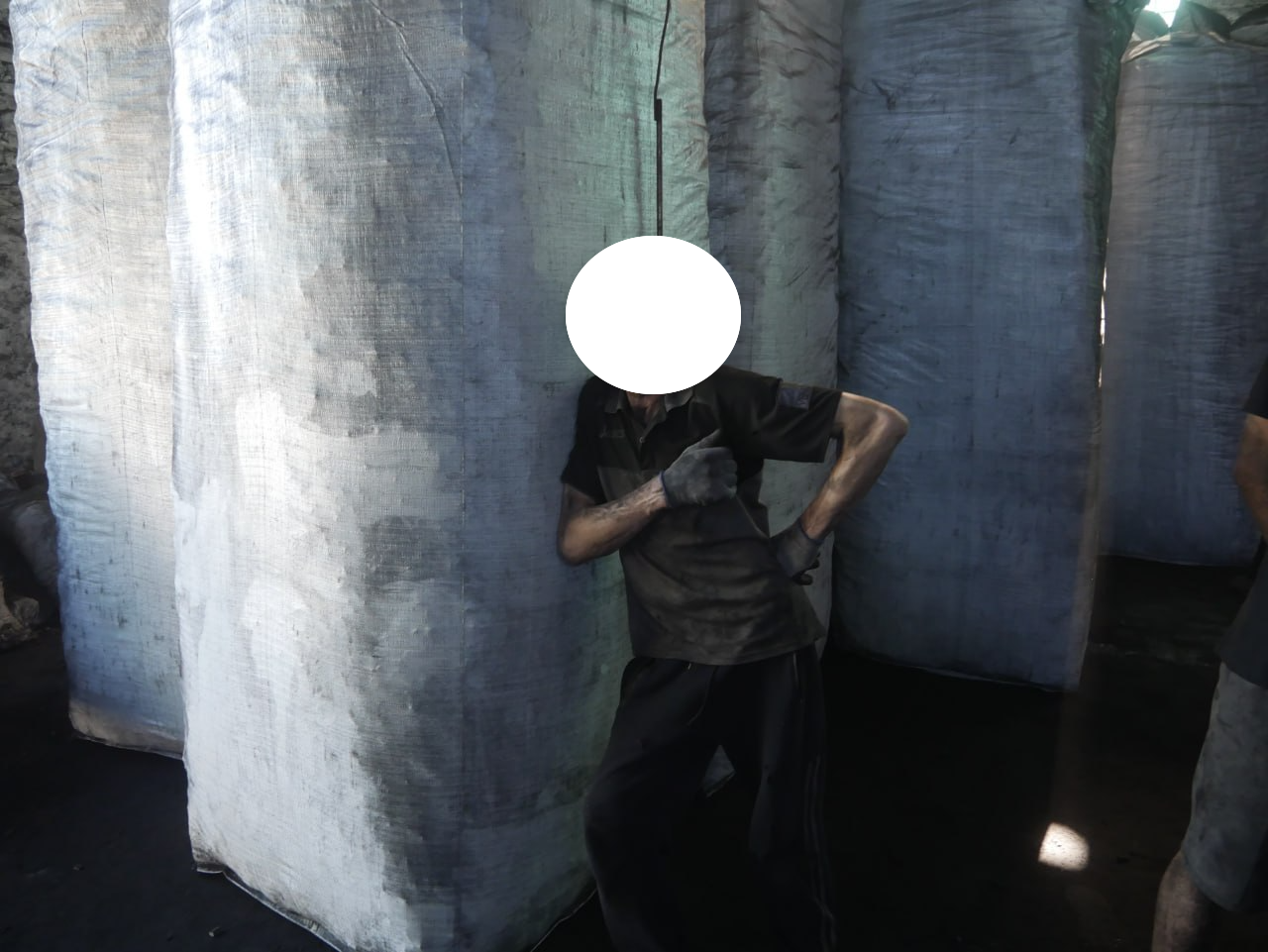
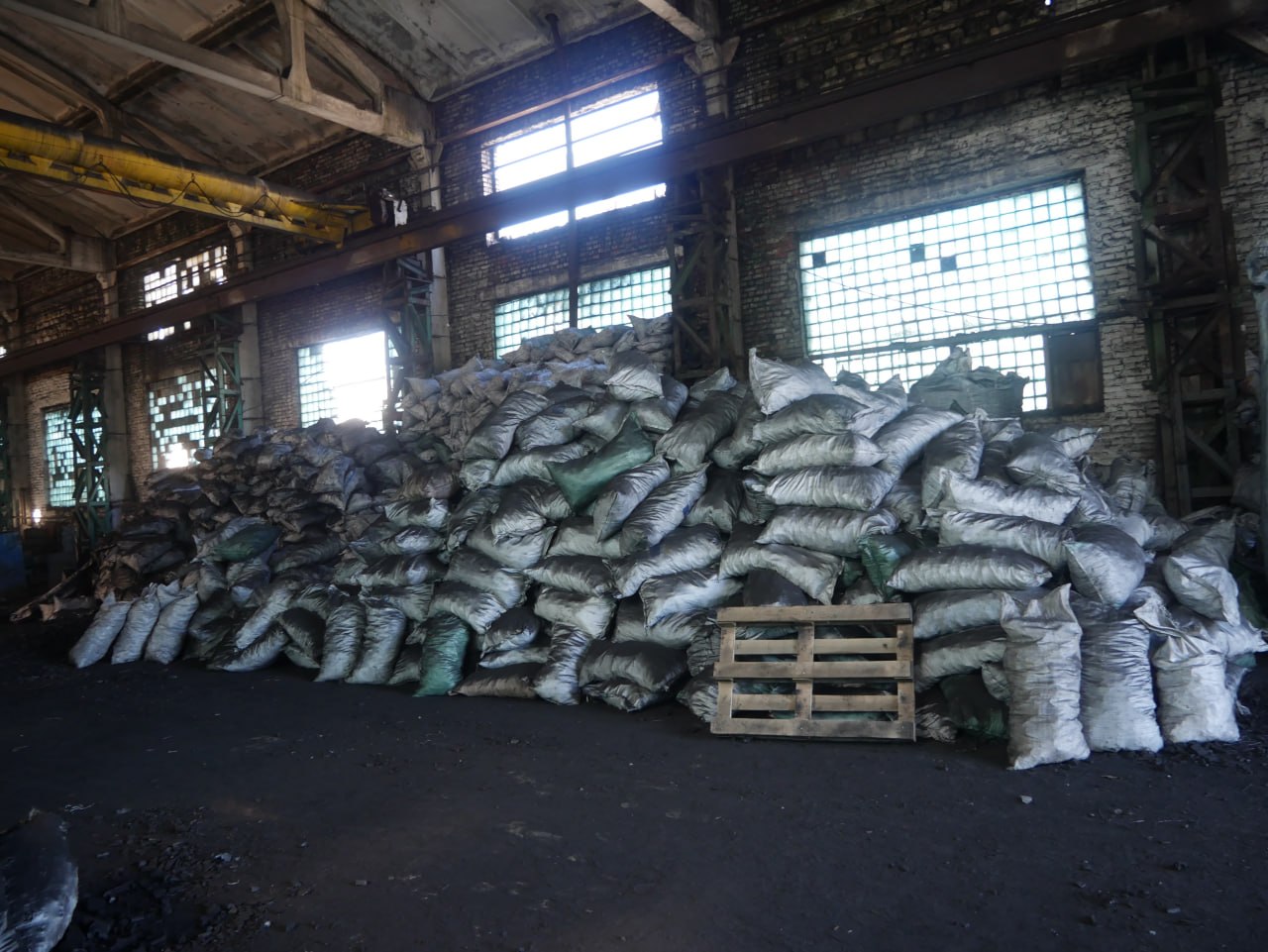
Convicts S., housed in SPS Unit No. 4, and H. are engaged in charcoal packaging tasks. According to remuneration records for May 2026, S. was accrued UAH 8,963.70 and H. UAH 9,137.88. After tax deductions, military tax, utility payments, and other statutory deductions, UAH 4,842.26 and UAH 4,976.39 were credited to their personal accounts respectively. However, due to the lack of proper records of working hours and operations performed, it is impossible to verify whether the accrued earnings match the actual volume and duration of work performed.
Working with coal dust entails significant occupational health risks to the respiratory system. Employers are obliged to conduct risk assessments, ensure proper ventilation, provide collective and personal protective equipment, deliver occupational health training, and arrange mandatory medical examinations. Operating in visible concentrations of coal dust without effective protection fails to comply with Articles 5, 8, 13, and 17 of the Law of Ukraine ‘On Occupational Safety’ and provisions of the Labour Code of Ukraine regarding safe and healthy working conditions.
It was also established that convict O. is engaged in producing fuel briquettes and pellets under the guise of uncompensated community service of up to two hours daily. Part five of Article 118 of the Criminal Executive Code of Ukraine permits engaging convicts without pay solely in community improvement work within the colony grounds, improving convicts' living conditions, or auxiliary facility maintenance tasks, performed on a rotation basis during non-working hours for no more than two hours per day.
Manufacturing fuel briquettes and pellets is an industrial activity that yields commercial goods and cannot be regarded as unpaid community improvement or living conditions enhancement. If O. actually performed production tasks under the guise of uncompensated community work, such labour should have been properly formalised, logged, and paid.
Indications of non-compliance with rules on working hours and rest periods were also found in the catering unit. At the time of the visit, ten convicts were working there. In the medical examination logbook for catering workers, daily check-marks were entered by medical staff for both May and June. However, entries in the food preparation quality logbook show that cooks D. and Ya. were engaged in food preparation every day, with no recorded days off. Similar circumstances were established regarding bakers B. and K.
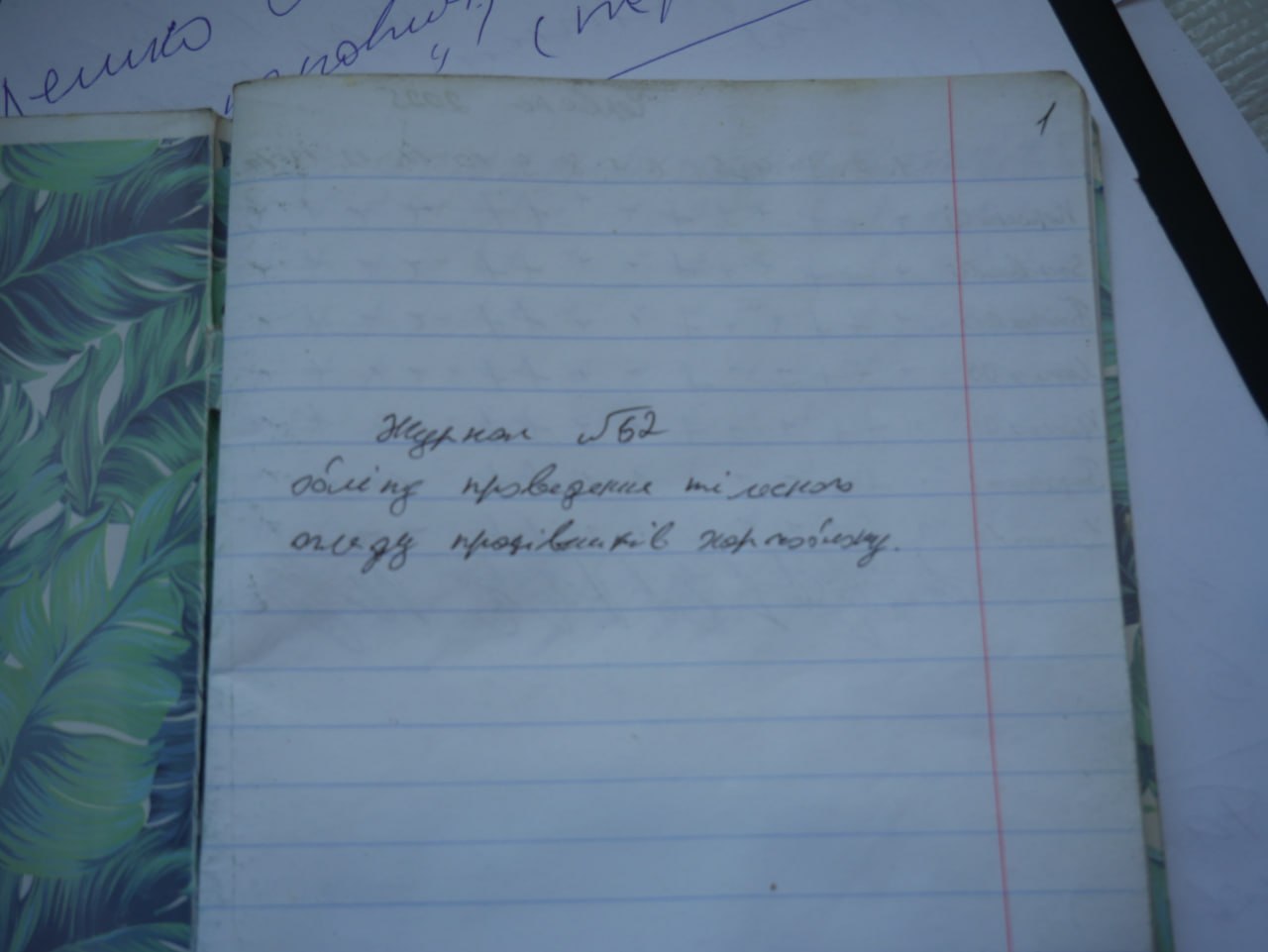
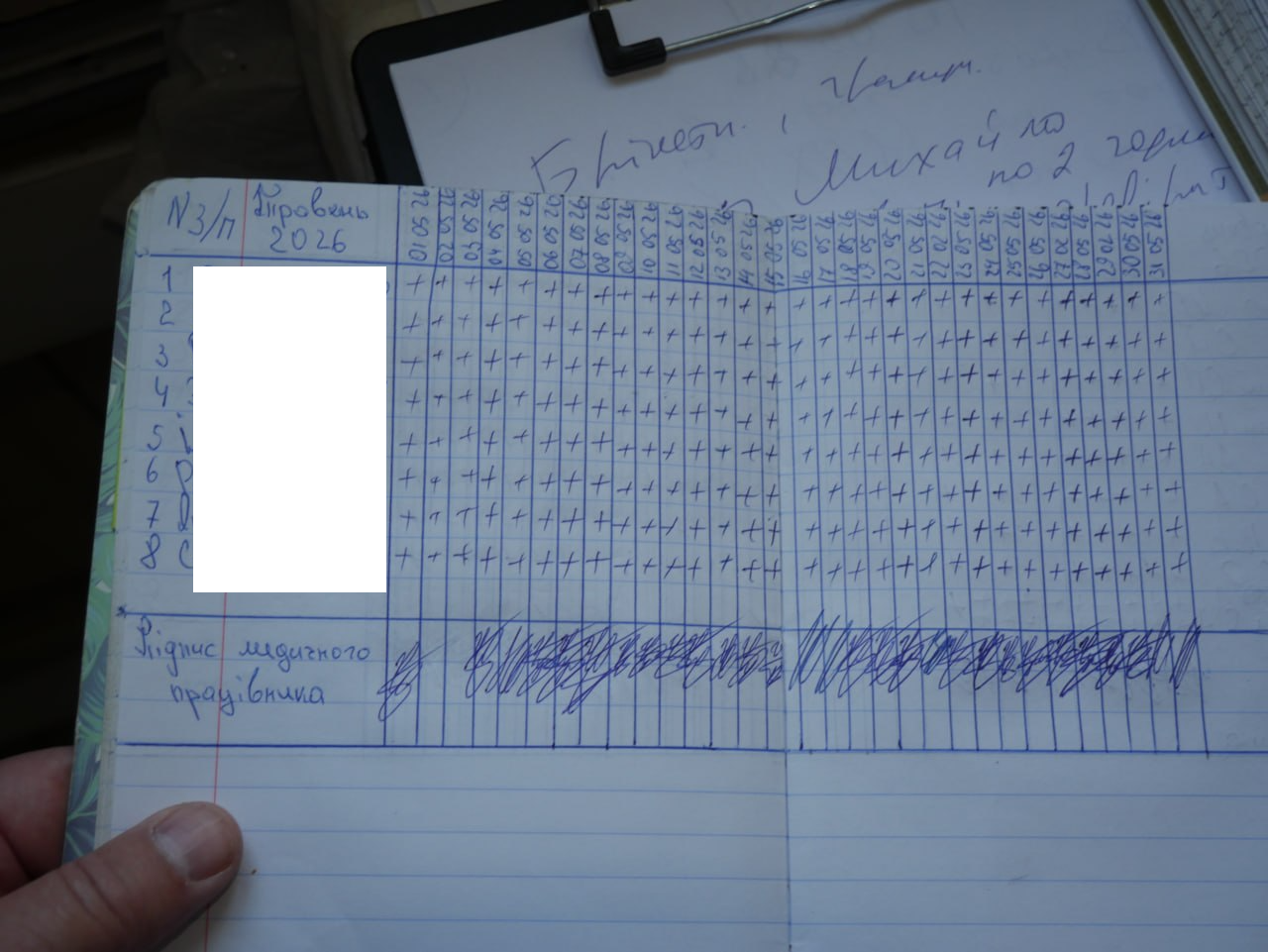
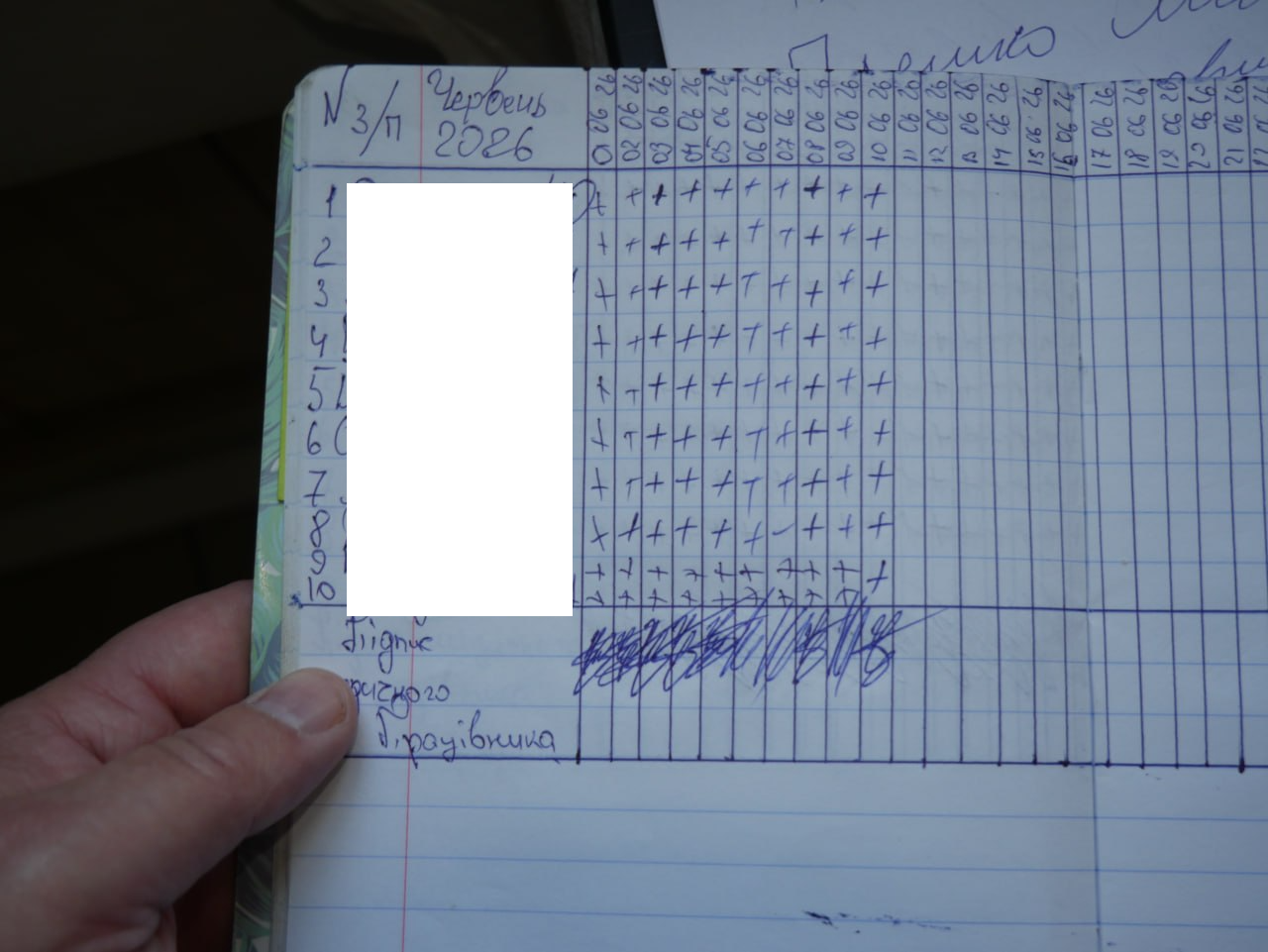
The administration provided no documents confirming shift rotations, weekly rest periods, or compensatory days off for these individuals. Daily performance of routine duties without proper time-tracking and proof of days off creates a risk of violating Articles 50, 52, 66, and 67 of the Labour Code of Ukraine.
During the inspection of the residential zone, the monitoring team recorded convict S. performing street sweeper duties.
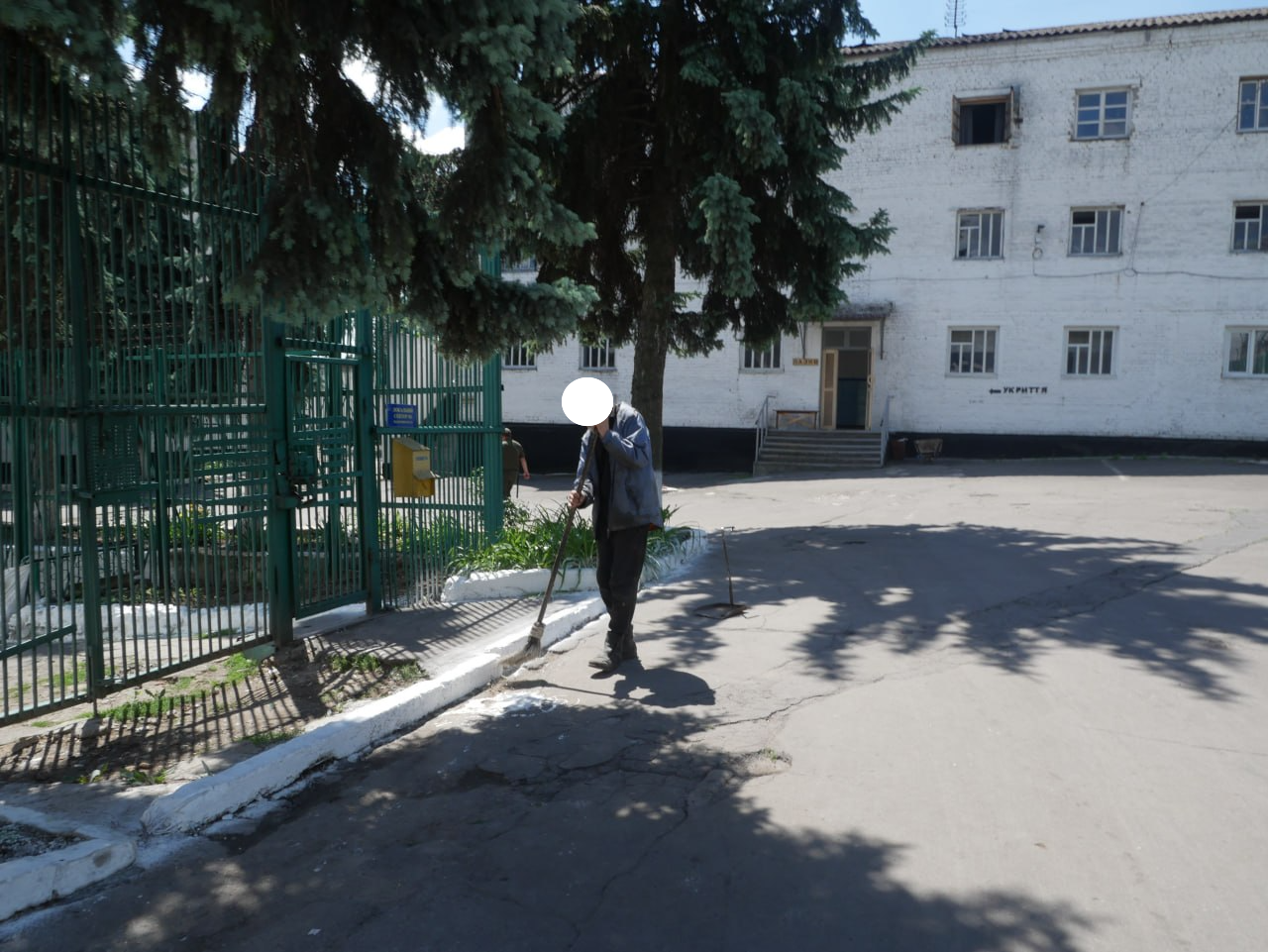
According to information gathered, he cleans the grounds daily from 08:00 until dinner, without days off. No documents confirming an employment or civil law contract, time-tracking records, or wage accruals were provided to the monitoring team.
Under these circumstances, there is a reasonable risk that his regular labour is being used without formalisation or pay. Cleaning the residential perimeter on a full-time, permanent basis cannot automatically be classified as short-term uncompensated work permitted under part five of Article 118 of the Criminal Executive Code of Ukraine.
Thus, during the monitoring visit, systemic deficiencies in the organisation of convicts' labour were revealed. These include replacing employment relationships with civil law contracts in certain cases, lack of complete and accurate records of working hours and completed assignments, inability to verify earnings calculations, potential failure to provide weekly rest to certain workers, use of unpaid labour for industrial tasks outside the scope of part five of Article 118 of the Criminal Executive Code of Ukraine, and failure to ensure safe working conditions in the charcoal packaging workshop.
Taken together, these facts demonstrate inadequate protection of convicts' rights to work, fair pay, rest, safe working conditions, and social protection.
Recommendations
1. Ensure proper compliance with legal requirements regarding the reception of convicts into the facility and the operation of the quarantine, diagnostics and distribution section.
2. Eliminate deficiencies in the material and living equipment of residential, disciplinary, and other premises in accordance with national legislation and international standards.
3. Ensure proper sanitary and hygienic conditions for convicts, including an uninterrupted supply of drinking water, functioning ventilation, adequate natural lighting, and respect for the right to privacy.
4. Take steps to bring disciplinary facilities into line with the requirements of the Criminal Executive Code of Ukraine, House Rules of Penal Institutions, and international standards.
5. Ensure proper medical and psychological care for convicts, particularly those held in disciplinary cells.
6. Ensure convicts have adequate access to information about human rights protection mechanisms, procedures for contacting state authorities, the Parliamentary Commissioner for Human Rights of Ukraine, the European Court of Human Rights, and the free legal aid system.
7. Take measures to ensure proper organisation of bath and laundry services, sanitary treatment and disinfection, hairdresser services, and compliance with sanitary, hygienic, and anti-epidemic requirements.
8. Ensure compliance with legal requirements regarding the use of technical surveillance equipment and respect for convicts' right to privacy.
9. Align the procedure for short-term visits with the recommendations of the European Committee for the Prevention of Torture, prioritizing open visits.
10. Intensify efforts to issue identity documents to convicts required for pre-release preparation and subsequent social reintegration.
11. Take steps to recruit institutional staff in accordance with authorised staffing levels.
12. Ensure proper operation of the Internet room, access for convicts to the Internet, email, and video calls, as well as proper logging of these services.
13. Bring civil protection shelters into a state that ensures their safe use as intended during emergencies and air alerts.
14. Ensure respect for convicts' labour rights through proper formalisation of employment relations, accurate time-tracking, timely and fair remuneration, provision of rest periods, and safe working conditions in line with Ukrainian legislation.
15. Ensure systematic monitoring over the elimination of identified violations and the prevention of their recurrence.
The publication was prepared within the framework of the project ‘Seeking Justice for Survivors’, funded by the Ministry of Foreign Affairs of Denmark.