Report on the Results of a Monitoring Visit to Stryzhavka Multi-Field Hospital
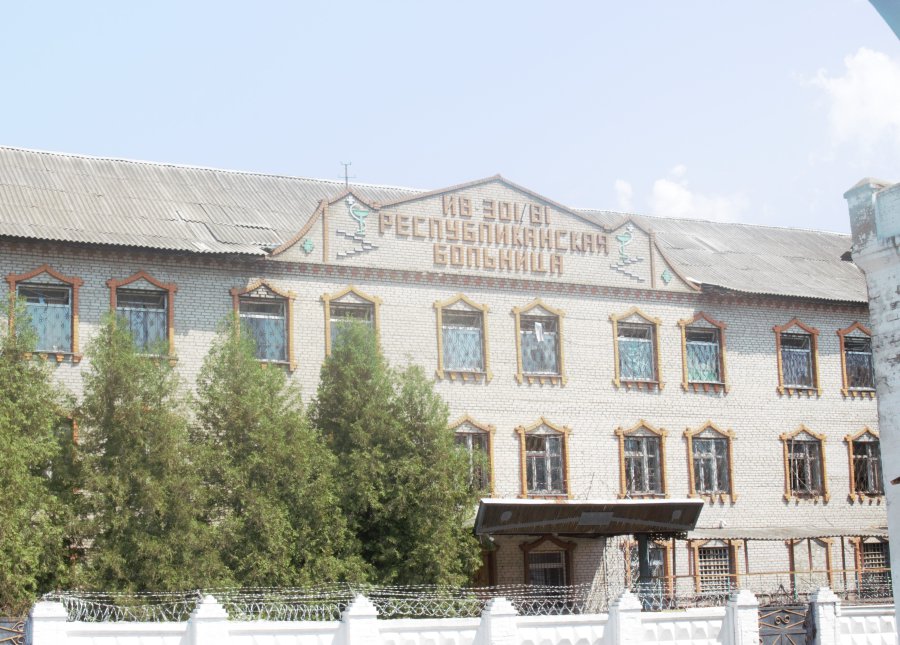
On 7 June 2025, in accordance with the provisions of the Optional Protocol to the Convention against Torture and Other Cruel, Inhuman or Degrading Treatment or Punishment, taking into account the provisions of the UN Standard Minimum Rules for the Treatment of Prisoners (the Nelson Mandela Rules) and the case law of the European Court of Human Rights, pursuant to Article 24 of the Criminal Executive Code of Ukraine ‘Visiting Penal Institutions’, a group of monitors from the Kharkiv Human Rights Protection Group and the NGO ‘Protection of Prisoners of Ukraine’ conducted a follow-up visit to Stryzhavka Multi-Field Hospital No. 81, a branch of the State Institution ‘Healthcare Centre of the State Penitentiary Service of Ukraine’ in Vinnytsia Region (hereinafter — the hospital, institution, facility).
The visit was carried out as a scheduled, unannounced inspection. The previous visit took place on 27 August 2024.
During preparation for the visit, the monitors used materials from appeals by detainees, convicts, and their relatives, materials from previous reports, as well as the report by monitors of the National Preventive Mechanism under the Parliamentary Commissioner for Human Rights of Ukraine (NPM).
The visit was carried out within the framework of the project ‘Reducing the Suffering of Prisoners in the Context of the War in Ukraine’, funded by the Danish Government in partnership with DIGNITY — Danish Institute Against Torture.
The visit was carried out by the following monitors:
- Andriy Didenko — assistant to the People’s Deputy of Ukraine Yaroslav Yurchyshyn, programme coordinator at the Kharkiv Human Rights Protection Group, monitoring experience since 2014;
- Serhiy Zuikov — assistant to the People’s Deputy of Ukraine Kostiantyn Kasai, member of the Public Council under the Ministry of Justice of Ukraine, member of the public organisation ‘Protection of Prisoners of Ukraine’, with many years of experience in monitoring visits;
- Oleh Tsvilyi — member of the Public Council under the Ministry of Justice of Ukraine, head of the public organisation ‘Protection of Prisoners of Ukraine’, with extensive experience in monitoring visits, specialising in issues of torture and cruel or inhuman treatment.
During the monitoring visit to Stryzhavka Multi-Field Hospital No. 81, a branch of the SI ‘Healthcare Centre of the State Penitentiary Service of Ukraine’ in Vinnytsia Region, a number of violations of national legislation requirements and international standards in ensuring the rights of convicts and detainees to healthcare, proper detention conditions, and respect for human dignity were established.
The monitoring group identified problems in the organisation of medical care, including the absence of a dentist, failure to comply with the placement procedure for patients in specialised departments, inadequate provision of palliative care, untimely medical examinations, deficiencies in organising treatment for persons with viral hepatitis C and persons with disabilities, as well as the inability to use telemedicine consultations.
During the visit, facts were recorded that may indicate ill-treatment of convicts, in particular the denial of daily outdoor walks to a person with mobility impairment, failure to comply with bath and laundry service requirements, inadequate provision of information to patients regarding their health status and treatment, as well as violations of the right to medical confidentiality due to the use of video surveillance in wards.
Furthermore, significant deficiencies in the material and living conditions of the hospital were established, manifested in the unsatisfactory condition of wards, lack of proper conditions to ensure privacy, insufficient equipping of premises, malfunction of the disinfection chamber, improper arrangement of exercise yards, lack of Internet access for convicts, as well as the facility’s non-compliance with certain fire safety and accessibility requirements.
Based on the results of the monitoring visit, recommendations were prepared aimed at eliminating the identified violations and bringing the hospital’s activities into compliance with the requirements of Ukrainian legislation and international human rights standards.
General Information
The institution is a medical and preventive healthcare facility of the Healthcare Centre of the State Penitentiary Service of Ukraine, designed to provide emergency, primary, specialized, palliative medical care, and medical rehabilitation to convicts and detainees.
Head of Stryzhavka Multi-Field Hospital No. 81, a branch of the SI ‘Healthcare Centre of the State Penitentiary Service of Ukraine’ in Vinnytsia Region (hereinafter — the hospital) — Oleh Mykhailovych Muts.
Stryzhavka Multi-Field Hospital No. 81 has a capacity of 105 beds and comprises the following departments:
- general medicine (therapeutic) department with 35 beds (15 general medicine beds, 10 endocrinology beds, 5 palliative beds, 5 psychiatric beds);
- surgical department with 20 beds;
- infectious diseases department with 30 beds;
- ophthalmology department with 20 beds (serving ophthalmic patients from correctional colonies across Ukraine).
As of 10 June 2026, 473 convicts underwent inpatient treatment and 2,669 convicts received outpatient treatment at Stryzhavka Multi-Field Hospital No. 81, and 861 preventive medical examinations were conducted.
There are 183 persons under dynamic supervision of a psychiatrist. There are 80 HIV-infected individuals, of whom 23 have reached the AIDS stage; 79 individuals are receiving antiretroviral therapy (ART).
Documents for evaluation by the expert team evaluating individual daily functioning (ECOPF / ЕКОПФО) are submitted in a timely manner at the hospital. As of 10 June 2026, documents regarding 14 convicts had been submitted for ECOPF review.
There are 21 convicts with disabilities under dynamic supervision in the outpatient department, including:
- Group I — 0 persons;
- Group II — 5 persons;
- Group III — 16 persons.
As of 10 June 2026, 165 patients are enrolled in the Substitution Maintenance Therapy (hereinafter — SMT) programme.
As of 10 June 2026, 5 convicts were released under Article 84 of the Criminal Code of Ukraine. The Medical Advisory Commission (LKK) reviewed 15 cases; no repeat reviews were conducted. Upon the submission of the head of the institution, 13 sets of materials were forwarded to court, of which 6 were granted by the Vinnytsia District Court, one was refused, and the remaining materials are pending review. No independent applications were filed with the court directly by convicts; however, the LKK reviewed two applications from convicts regarding the possibility of their release under Article 84 of the Criminal Code of Ukraine. No deaths were recorded prior to submitting materials to court. One convict died during judicial proceedings, and another convict died before the court order took legal effect. No fatalities occurred after LKK review of materials. Since the beginning of the year, 8 convicts have died in the facility.
On the day of the visit, 78 persons were receiving inpatient treatment in the hospital’s inpatient unit.
During the monitoring visit, the monitoring group examined medical documentation, inspected the premises of the hospital, and conducted individual interviews (surveys) with convicts and detainees, as a result of which deficiencies in the organisation of medical care leading to violations of the rights of these persons were established.
Positive Practices
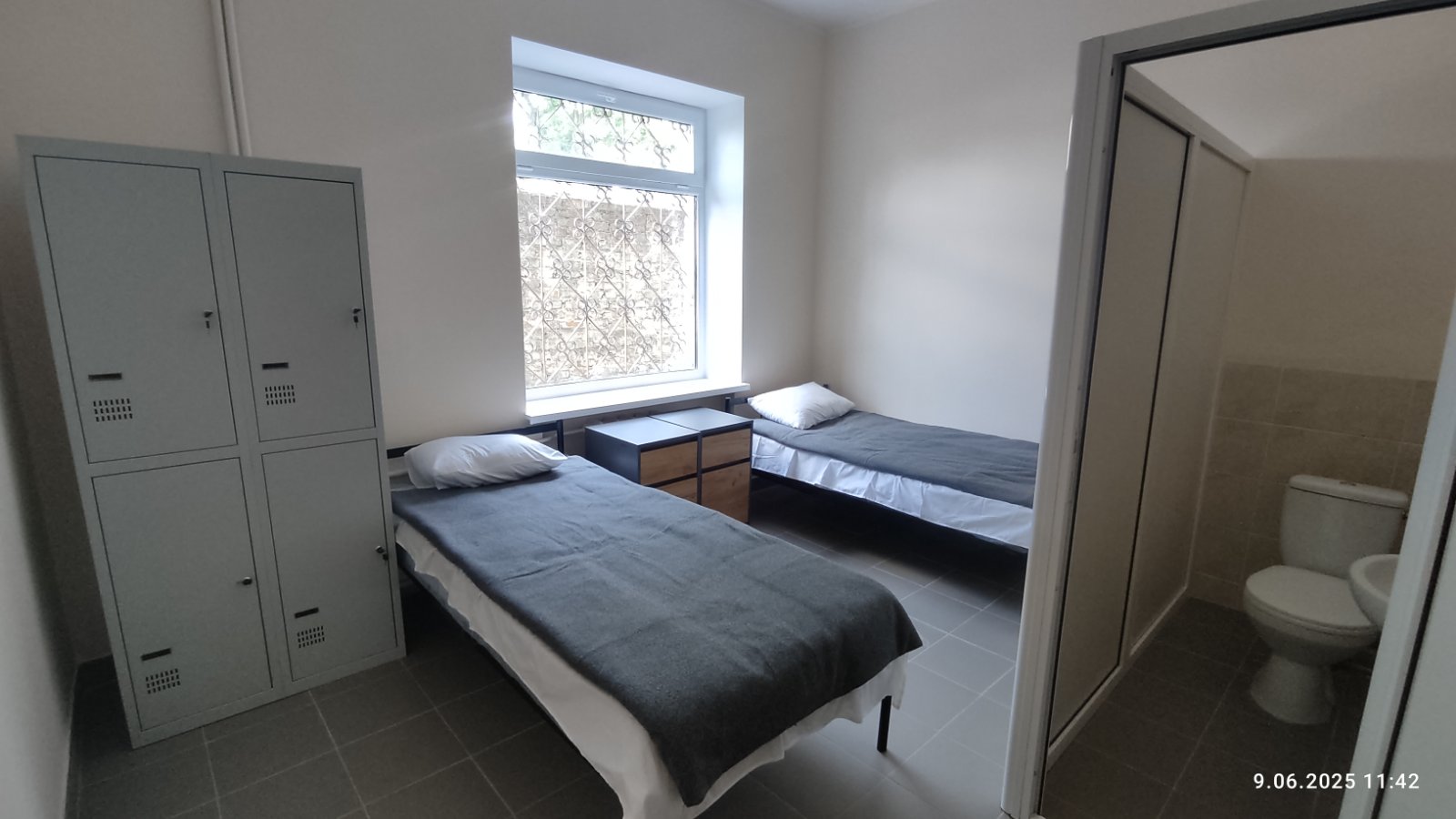
A number of important works aimed at improving patient accommodation and treatment conditions have been carried out at the hospital. Specifically, to ensure proper medical care for patients serving life imprisonment, an additional ward with 5 beds was equipped. This made it possible to improve the treatment and accommodation conditions for such patients in accordance with legislative requirements and medical care standards.
In addition, three separate wards with a total of 6 beds were equipped for patients with mental and behavioural disorders. This created a more comfortable and safer environment for this category of patients, while optimizing the treatment and rehabilitation process.
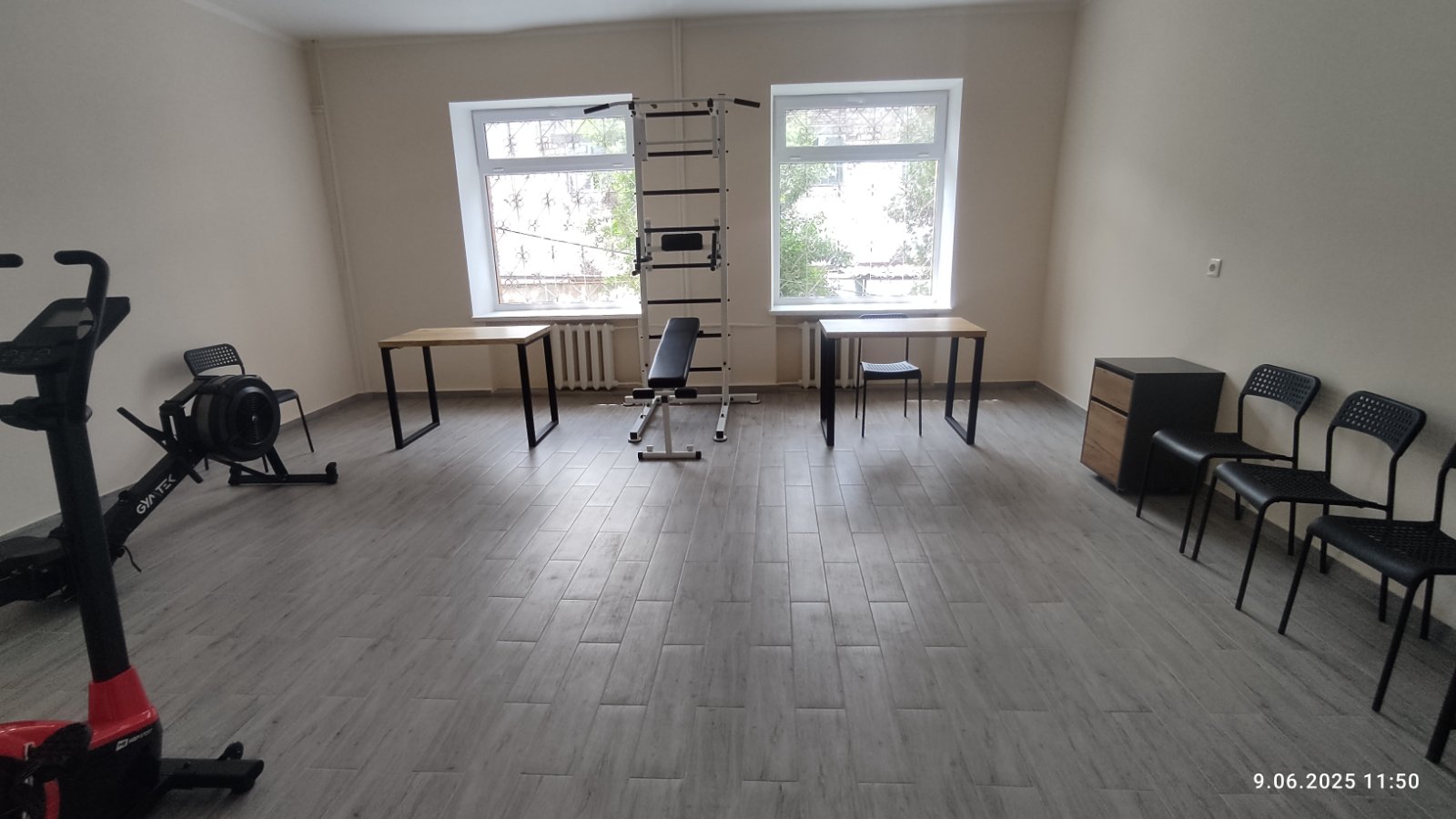
Significant attention was also paid to the psychological state of patients. A cosmetic renovation of the psychological relief room was carried out at the hospital, and the room was additionally fitted with modern exercise equipment.
This helps reduce stress, anxiety, and aggressiveness levels in patients, positively affecting the recovery process. Furthermore, a major overhaul of the bathhouse was completed.
All these measures form part of a consistent strategy to improve detention and treatment conditions for patients at Stryzhavka Multi-Field Hospital No. 81, confirming the institution's commitment to implementing modern medical standards.

Findings of the Visit
During the monitoring visit, violations of national legal requirements and non-compliance with international recommendations in the field of treatment of prisoners were identified, resulting in infringements of convicts’ rights:
1. In accordance with paragraphs 2 and 3 of Chapter III of Section II of the Procedure for Organising the Provision of Medical Care to Convicts Sentenced to Imprisonment, approved by Joint Order of the Ministry of Justice of Ukraine and the Ministry of Health of Ukraine No. 1348/5/572 dated 15 August 2014 (hereinafter — the Procedure), a general practitioner/physician (or general practitioner — family doctor), a psychiatrist, and a dentist must participate in preventive medical examinations. However, the dentist post at the hospital is vacant, indicating that initial and preventive medical examinations are incomplete, as a result of which convicts and detainees do not receive proper medical care.
This violates paragraph 38 of the standards of the European Committee for the Prevention of Torture and Inhuman or Degrading Treatment or Punishment (hereinafter — the Committee), which states that health services in places of detention should be able to provide medical treatment and nursing care, as well as appropriate diets, physiotherapy, rehabilitation, or any other special facility, on conditions comparable to those enjoyed by patients in the outside community. The medical, nursing, and technical staff, as well as premises, tools, and equipment, should be made available accordingly (CPT/Inf (93) 12-part).
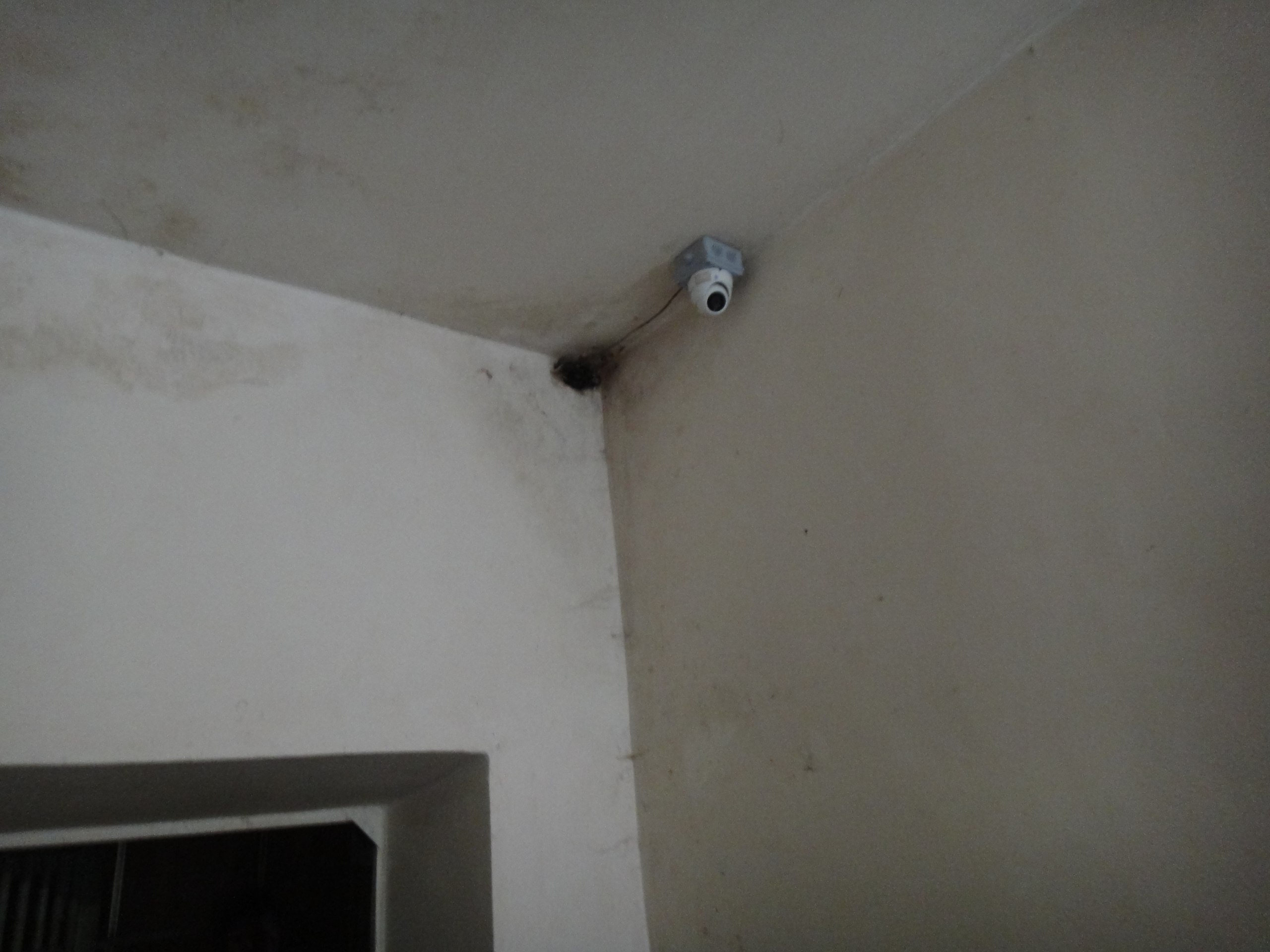
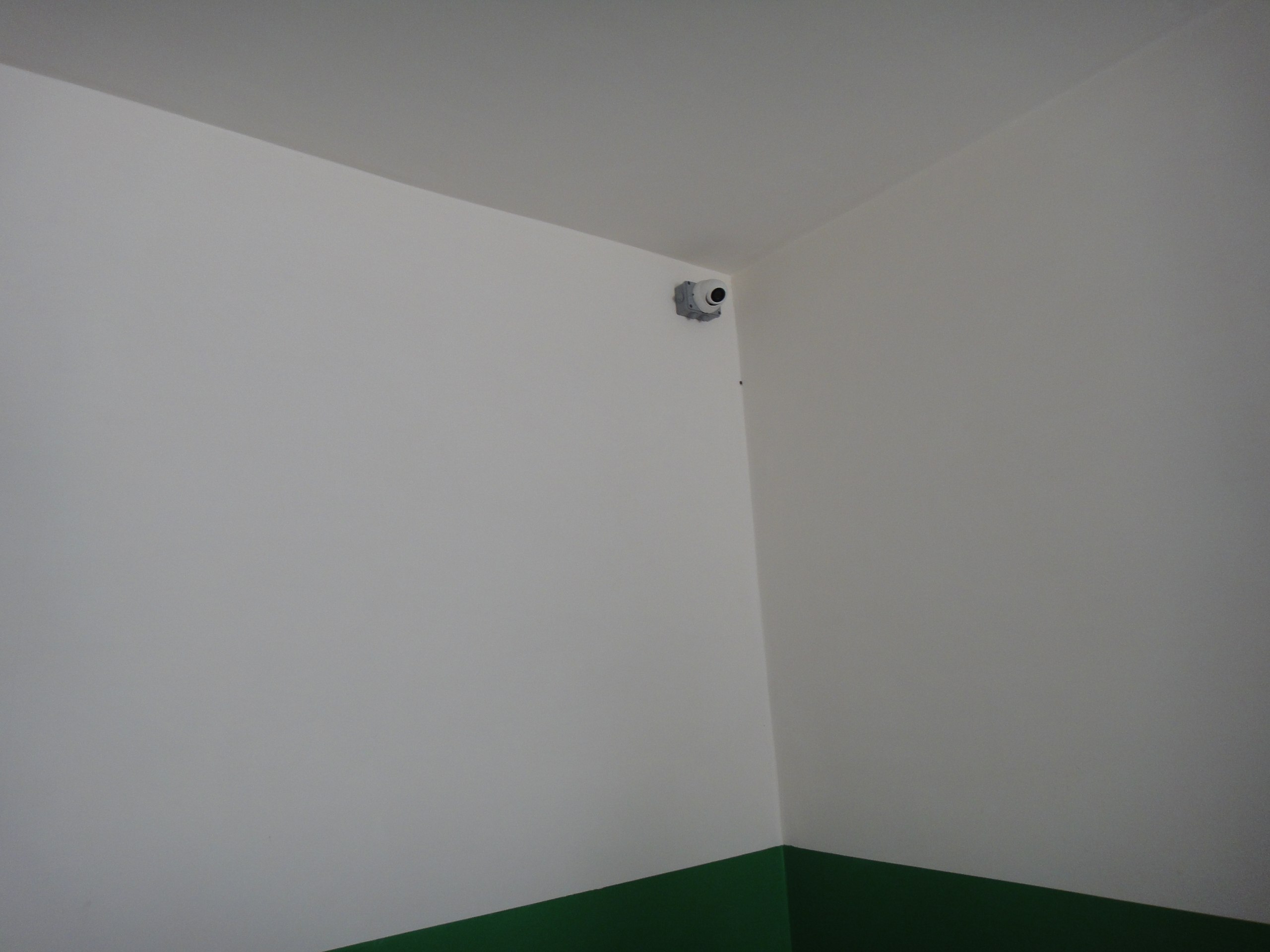
2. In wards Nos. 2 and 3 for the treatment of persons sentenced to life imprisonment, the monitors recorded installed CCTV cameras. At the same time, according to paragraph 8 of Section VII of the Procedure for the Use of Technical Surveillance and Control Equipment in Correctional and Juvenile Correctional Institutions of the State Penitentiary Service of Ukraine, approved by Order of the Ministry of Justice of Ukraine No. 2025/5 dated 26 June 2018 (registered with the Ministry of Justice of Ukraine on 2 July 2018 under No. 766/32218), the use of video cameras and portable body-worn cameras is prohibited in medical unit wards (hospital facilities).
This fact indicates that institutional staff obtain confidential information regarding the health status of detainees and convicts during medical examinations, manipulations, or procedures. Furthermore, this violates the requirements of Article 39-1 of the Law of Ukraine ‘Fundamentals of Ukrainian Legislation on Healthcare’ regarding individuals’ right to medical confidentiality concerning their state of health.
3. In violation of paragraph 7 of Chapter 2 of Section III of the Procedure, patients are accommodated in cell-type wards not on the basis of an established diagnosis and a medical staff decision to transfer them to a specialized hospital department, but by decision of institutional staff.
4. The hospital structure provides for 5 beds for palliative patients. However, the hospital lacks a palliative care department for providing inpatient palliative care, which fails to meet the requirements of paragraph 4 of Section IV of the Procedure for Providing Palliative Care, approved by Order of the Ministry of Health of Ukraine No. 1308 dated 4 June 2020.
5. The monitoring group identified facts that may indicate improper, cruel, or degrading treatment of convicts, giving grounds for lodging new applications against Ukraine with the European Court of Human Rights concerning possible violations of Article 3 of the Convention for the Protection of Human Rights and Fundamental Freedoms.
Thus, convict K., who has a mobility impairment and is held in ward No. 4 of the infectious diseases department, reported that despite repeated appeals to the facility administration, he had never been taken out for an outdoor walk. This fails to comply with paragraph 2 of Section II of the House Rules of Penal Institutions, approved by Order of the Ministry of Justice of Ukraine No. 2823/5 dated 28 August 2018 (hereinafter — House Rules), Rule 23 of the UN Standard Minimum Rules for the Treatment of Prisoners (the Nelson Mandela Rules), and Rule 27.1 of the European Prison Rules.
In addition, the convict was not provided with a weekly bath, which contradicts paragraph 3.1 of the Regulations on the Organisation of Bath and Laundry Services for Persons Held in Penal Institutions and Remand Prisons, approved by Order of the Ministry of Justice of Ukraine No. 849/5 dated 8 June 2021, as well as Rule 19.4 of the European Prison Rules and Rule 16 of the UN Standard Minimum Rules for the Treatment of Prisoners (the Nelson Mandela Rules).
Furthermore, a violation of the convict’s right to receive full information regarding medical intervention was established. Despite having signed an informed voluntary consent for diagnostics and treatment (primary accounting documentation form No. 003-6/o), the convict reported that he was not made aware of the examination results, treatment plan, estimated duration of the diagnostic and treatment process, or potential adverse consequences.
6. During confidential interviews with convicts, the monitoring group received numerous reports regarding non-provision or improper provision of medical care. In particular, convicts undergoing inpatient treatment at the hospital reported that despite daily visits by junior medical staff, examinations by the attending physician are delayed by a week or more. Such circumstances indicate inadequate protection of patients' rights to timely medical care and informed participation in the treatment process. This contradicts paragraph 3 of Chapter 3 of Section III of the Procedure.
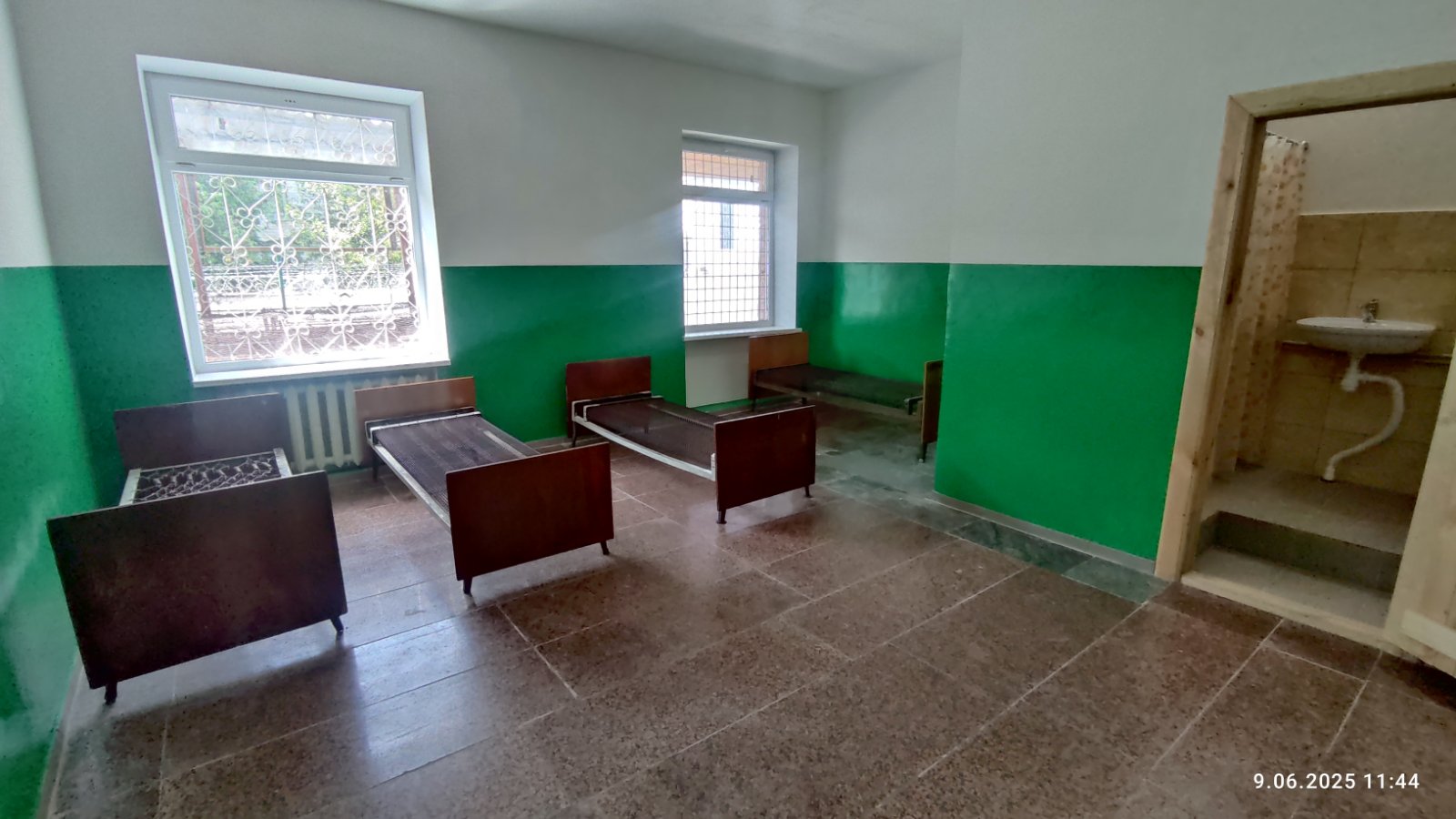
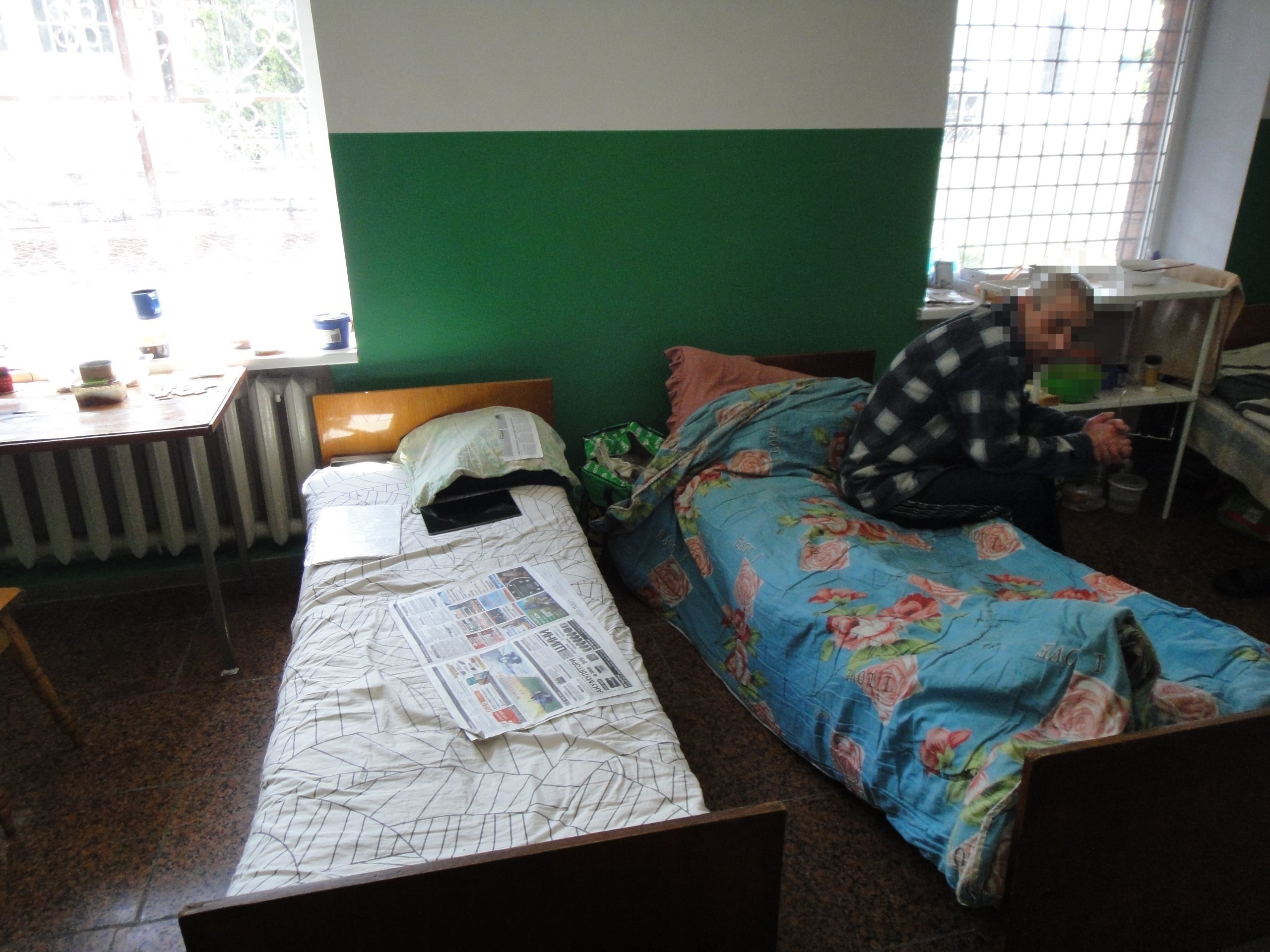
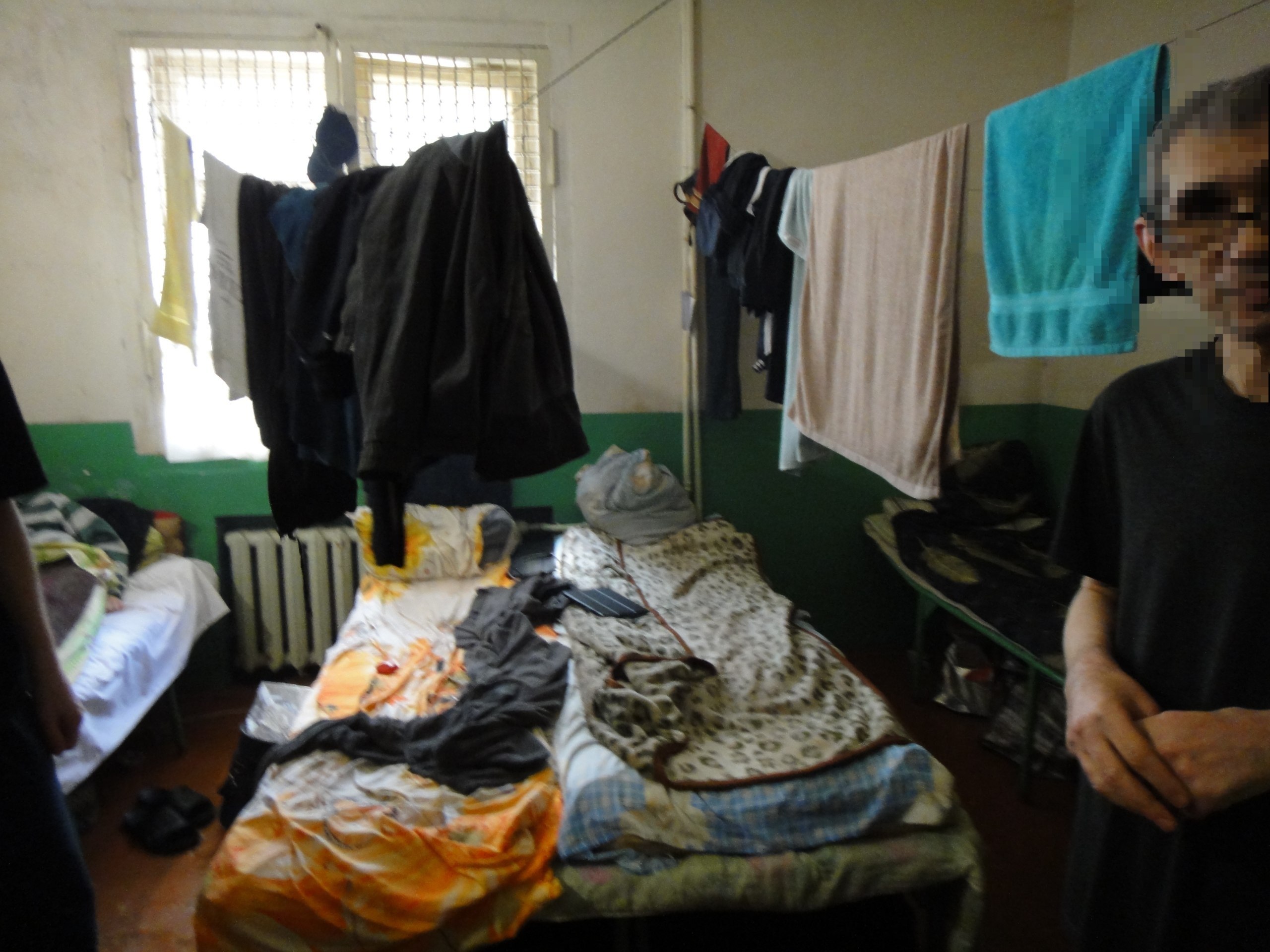
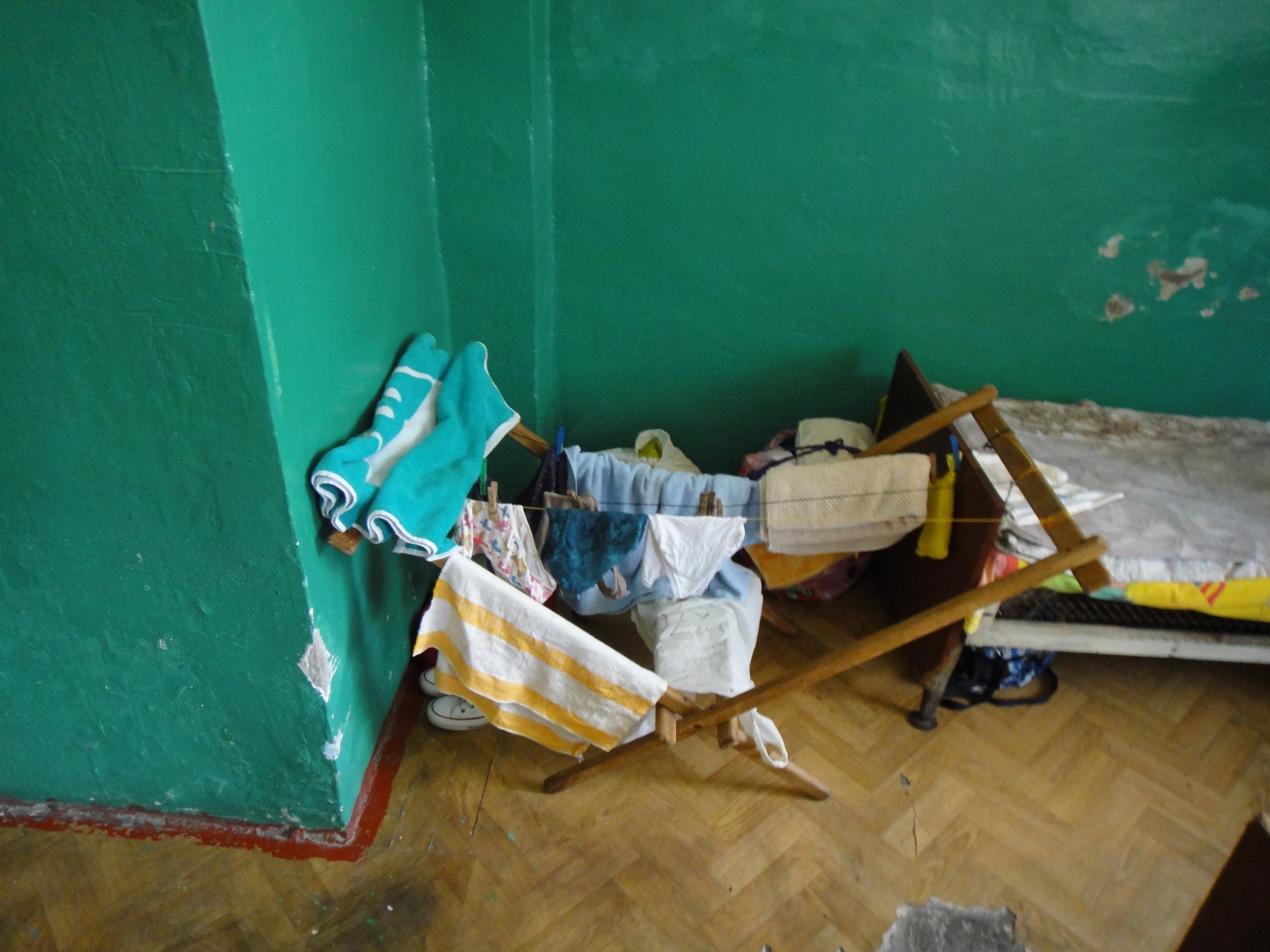
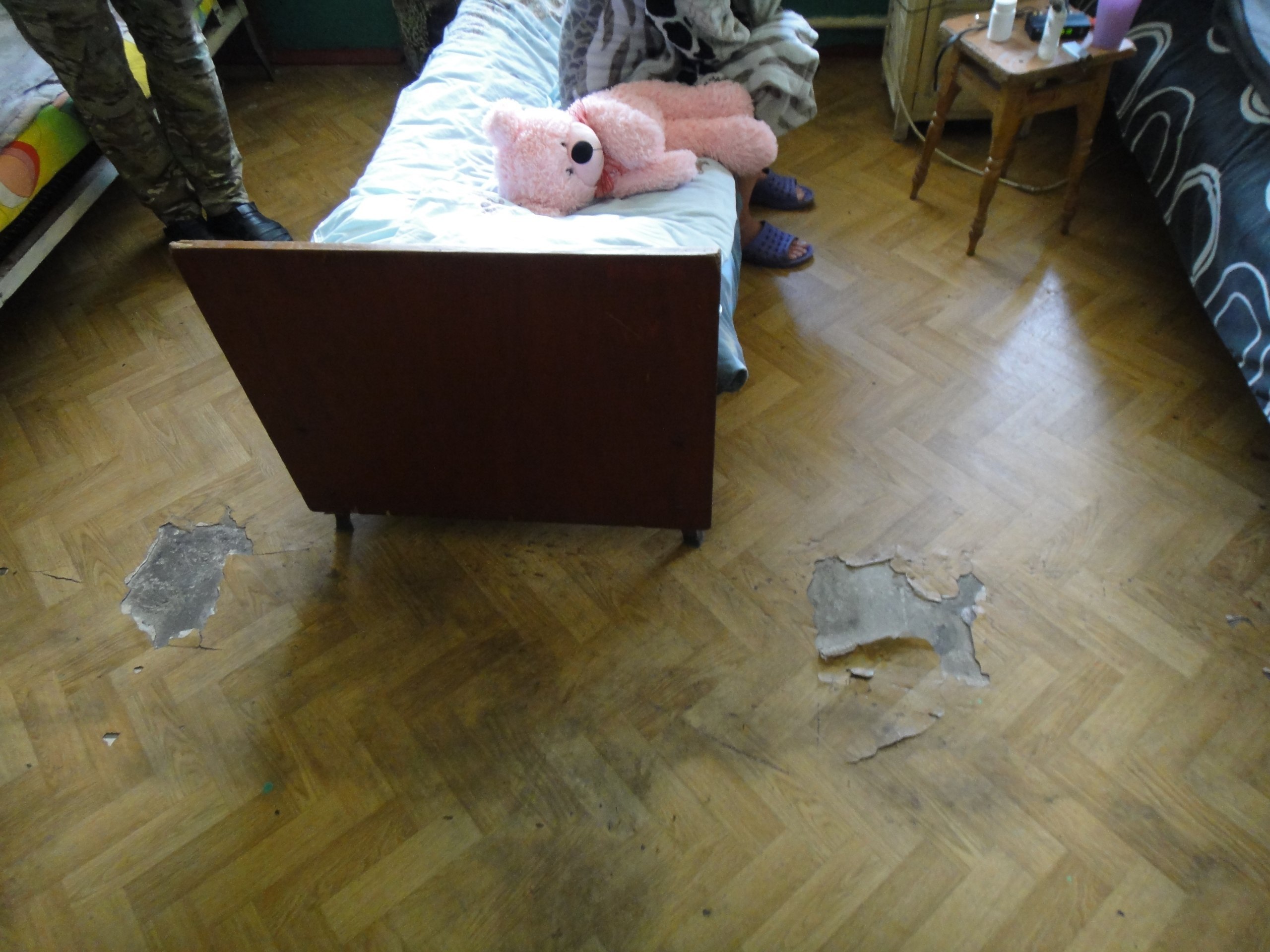
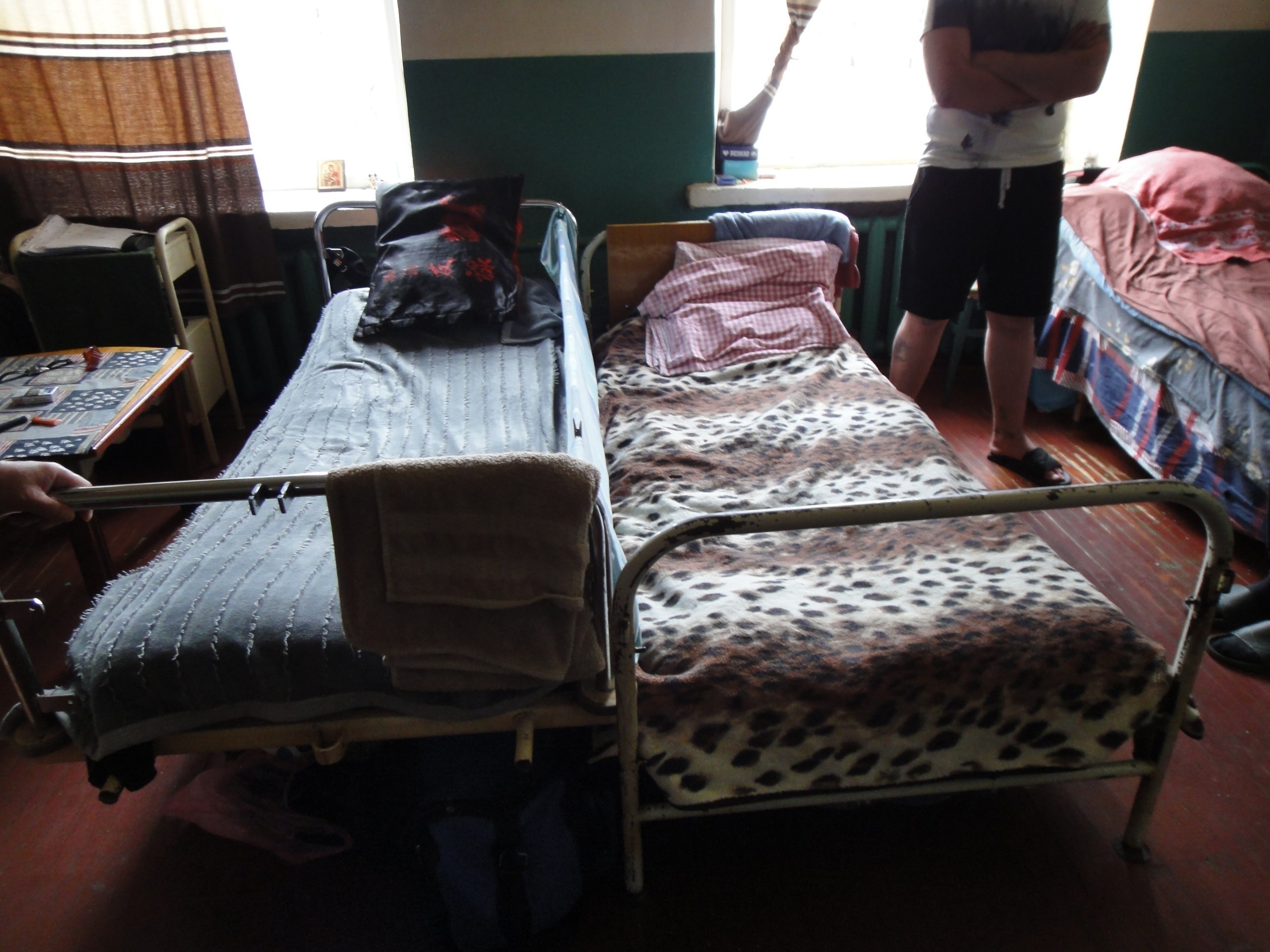
7. Hospital wards do not meet the requirements of paragraphs 8.3.2.4, 8.3.2.7, and 8.3.5.1 of the State Building Codes of Ukraine V.2.2-10:2022 ‘Healthcare Facilities’. In particular, insufficient floor space was recorded in wards, as a result of which certain beds are placed right next to each other.
The wards lack furniture for storing patients' personal belongings, specifically clothing wardrobes and bedside tables in sufficient quantities. In addition, the wards are not equipped with shower cabins.
Premises are not provided with drinking water tanks, or such tanks are not filled with clean drinking water, forcing convicts to drink water from the central supply, which does not meet drinking water standards.
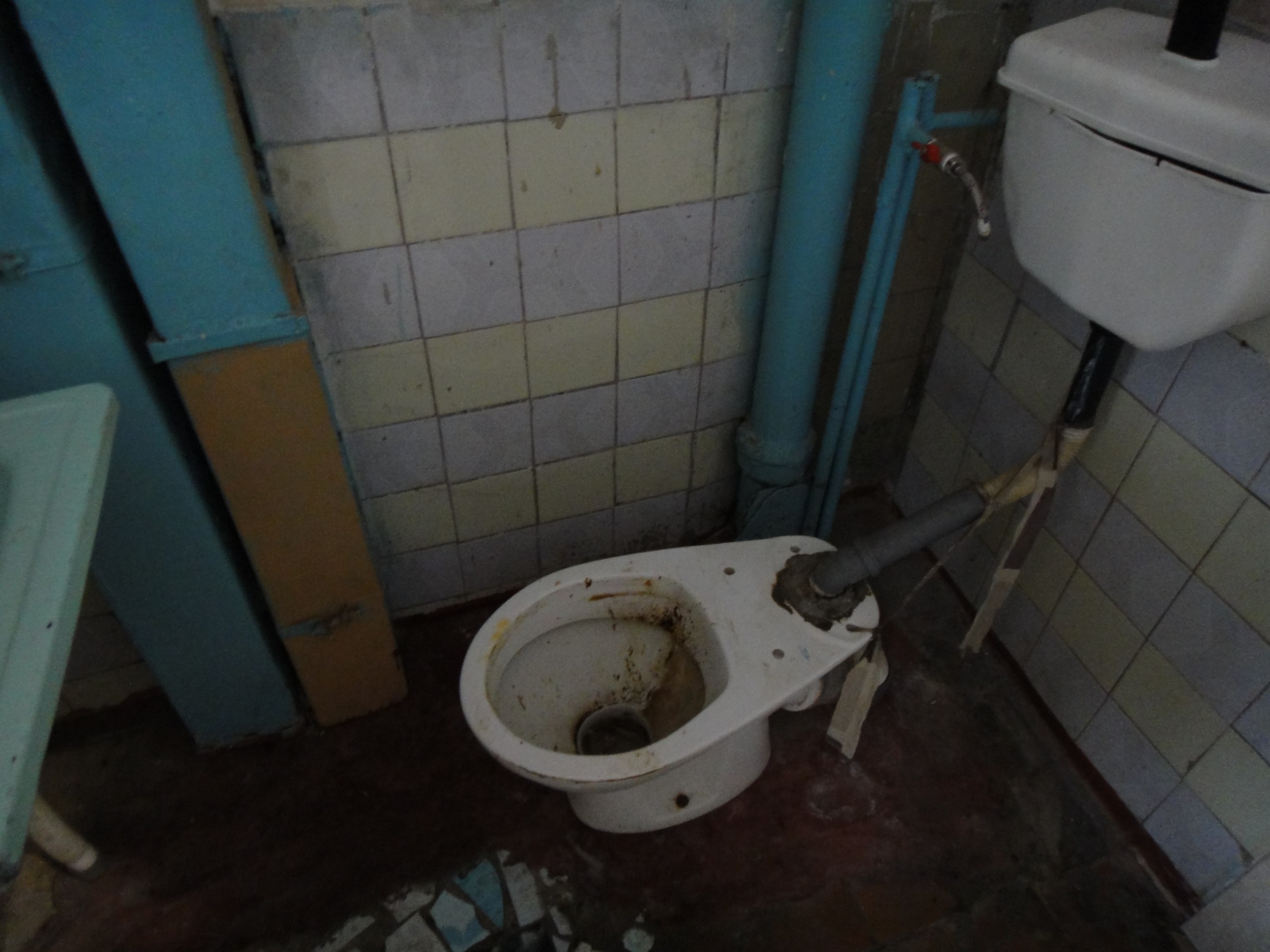
The mechanical ventilation system is non-operational, and sanitary facilities are not fitted with doors and/or proper floor-to-ceiling partitions ensuring privacy.
Furthermore, hospital premises, including individual wards, require repair work. Specifically, replacement of sanitary equipment, electrical wiring, and flooring is needed in the wards.
A persistent unpleasant odour was recorded, with signs of unsanitary conditions in certain wards. Wards are heavily cluttered with personal belongings.
Such conditions fail to comply with paragraph 53 of the Committee's standards (CPT/Inf (93) 12-part), as well as Rules 13, 14 (b), 15, and 22.2 of the UN Standard Minimum Rules for the Treatment of Prisoners (the Nelson Mandela Rules).
8. In the ward for treating persons sentenced to life imprisonment, monitors noted windows fitted with frosted glass, which do not provide adequate natural light. In its report on the 2020 visit to Ukraine, the Committee already drew attention to this and recommended taking steps to review the design of cell windows so that prisoners can see outside the cell (CPT/Inf (2020) 40, paragraph 48).
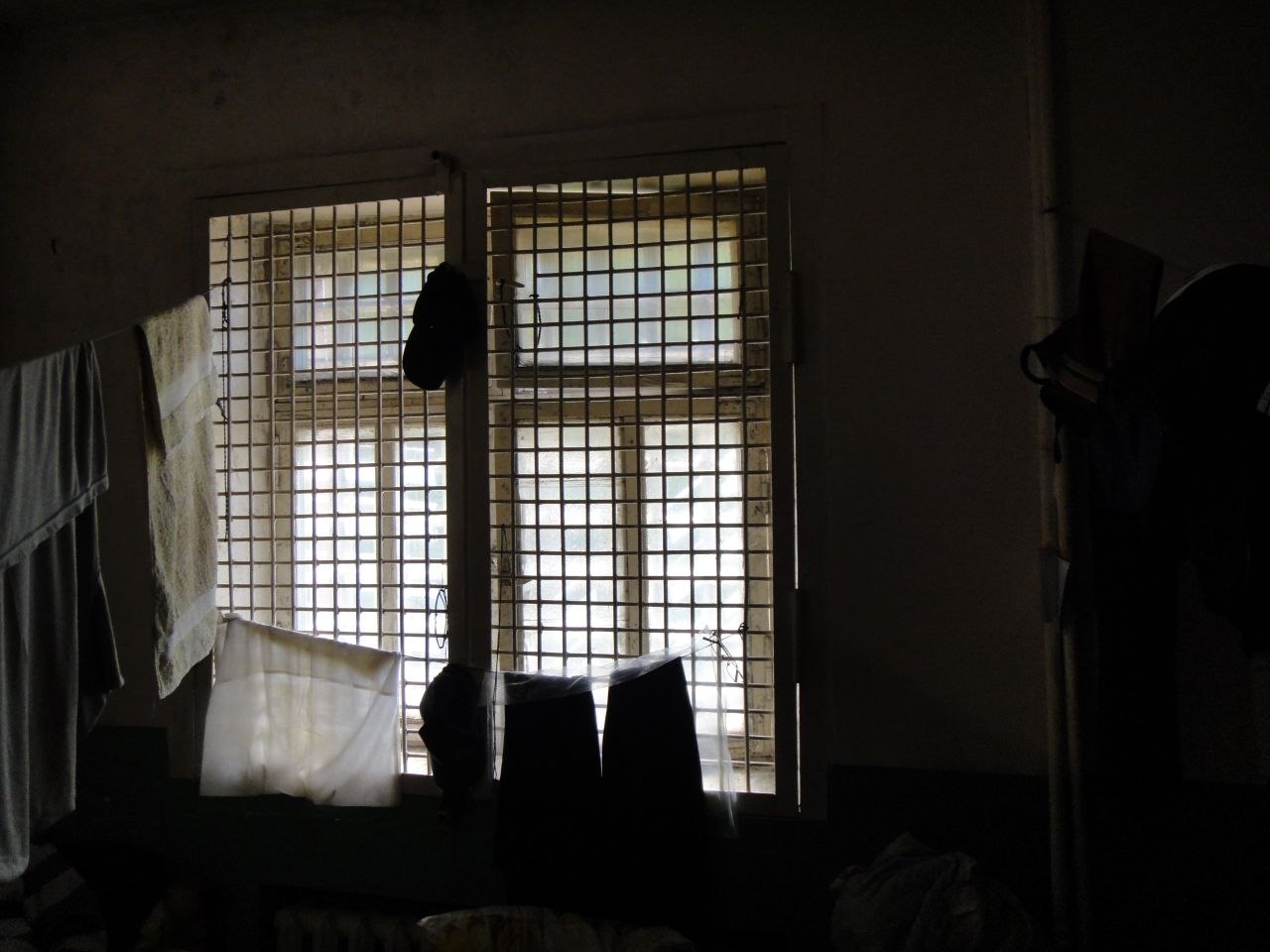
9. In violation of the requirements of the Entitlement Norms for Bedding, Special Clothing and Special Footwear (Inventory Property) for Convicts Undergoing Treatment in Medical and Preventive Facilities, Facilities with the Rights of Medical Facilities, and Medical Units of Penal Institutions and Remand Prisons, approved by Order of the Ministry of Justice of Ukraine No. 280/5 dated 20 February 2012, convicts do not receive hospital clothing (hospital suit, robe, and slippers). Convicts remain in the inpatient unit wearing everyday clothes, sometimes using their own bed linen.
10. In violation of the requirements of the Standards of Medical Care for Viral Hepatitis C in Adults, approved by Order of the Ministry of Health of Ukraine No. 1178 dated 23 July 2025, not all persons with suspected viral hepatitis C undergo the necessary PCR testing, as a result of which they do not receive proper treatment, which may lead to a deterioration in their health and the spread of this infectious disease among convicts and detainees.
11. Dynamic supervision is conducted for 21 persons with disabilities (5 with Group II disability and 16 with Group III disability). However, in violation of the Law of Ukraine ‘On Rehabilitation of Persons with Disabilities in Ukraine’, persons with disabilities do not receive proper diagnostic, therapeutic, and rehabilitation measures despite the existence of records confirming persistent body function impairments caused by diseases and injury consequences, which lead to limitations in normal daily life activities.
Thus, when examining convicts’ medical records, it was found that one individual with a disability lacked an Individual Rehabilitation Programme (hereinafter — IRP). Furthermore, IRP recommendations are not being implemented, as a result of which the person does not receive proper diagnostic, therapeutic, and rehabilitation measures despite records confirming persistent body function impairments caused by diseases and injury consequences, causing restrictions in daily living.
12. In violation of State Building Codes of Ukraine V.2.2-40:2018 ‘Inclusivity of Buildings and Structures. Main Provisions’, proper conditions for housing persons with disabilities have not been created in the medical unit.
13. In violation of paragraph 37 of Resolution of the Cabinet of Ministers of Ukraine No. 285 dated 2 March 2016 ‘On Approval of Licensing Conditions for Conducting Healthcare Business Activities’, the medical unit lacks an expert conclusion confirming barrier-free access for low-mobility groups to the buildings and premises of the medical facility, which is mandatory.
14. In violation of the Procedure for Organising Medical Care at Primary, Secondary (Specialized), and Tertiary (Highly Specialized) Levels Using Telemedicine, approved by Order of the Ministry of Health of Ukraine No. 681 dated 19 October 2015, medical unit staff are unable, due to technical limitations, to submit requests for telemedicine consultations and receive expert assistance for providing medical services to convicts.
15. In violation of the requirements of the Equipment Standard for a Single Workstation of a Dentist and Dental Technician, approved by Order of the Ministry of Health of Ukraine No. 158 dated 11 April 2005, the medical unit lacks a dental X-ray machine, making comprehensive dental examinations of convicts impossible and preventing the timely provision of proper dental care.
16. According to paragraph twenty-three of item 6 of Section XXI of the House Rules of Penal Institutions, approved by Order of the Ministry of Justice of Ukraine No. 2823/5 dated 28 August 2018 (hereinafter — House Rules), to provide medical assistance, the head of the medical unit (duty doctor) shall visit the DISO, punishment cells, and PKT (OK) daily and, if necessary, conduct medical appointments with convicts. Following visits to the DISO, punishment cells, and PKT (OK), he/she is obliged to make appropriate entries in the logbook recording visits to the disciplinary isolation cell, cell-type premises, single cells, and punishment cells by the administration of the penal institution.
However, during the inspection of the said logbook, an absence of relevant entries by a medical worker was established for the period from 6 June 2026 to 8 June 2026, despite convicts serving disciplinary sanctions in the DISO during this period.
This violation may indicate actual non-fulfilment by the medical worker of the duty to visit the disciplinary isolation unit daily, as well as a lack of proper medical control over the health status of convicts held in disciplinary premises.
17. According to paragraph 3.19.1 of Section III of the Regulations on the Organisation of Bath and Laundry Services for Persons Held in Penal Institutions and Remand Prisons, approved by Order of the Ministry of Justice of Ukraine No. 849/5 dated 8 June 2021 (hereinafter — Regulations), sanitary treatment involves washing convicts (detainees) in a bathhouse using soap and a washcloth, mandatory replacement of bed linen and underwear, as well as disinfection (destruction of pathogenic microorganisms) and disinfestation (destruction of insects and ticks carrying infectious diseases) of personal clothing and bedding (pillows, mattresses, blankets) in a disinfection chamber.
However, as established by the monitoring group, the disinfection chamber at the facility has been out of order since 13 January 2026, making proper sanitary treatment of bedding and clothing impossible, increasing the risk of infectious disease transmission among convicts and staff, and violating established sanitary and hygienic standards.
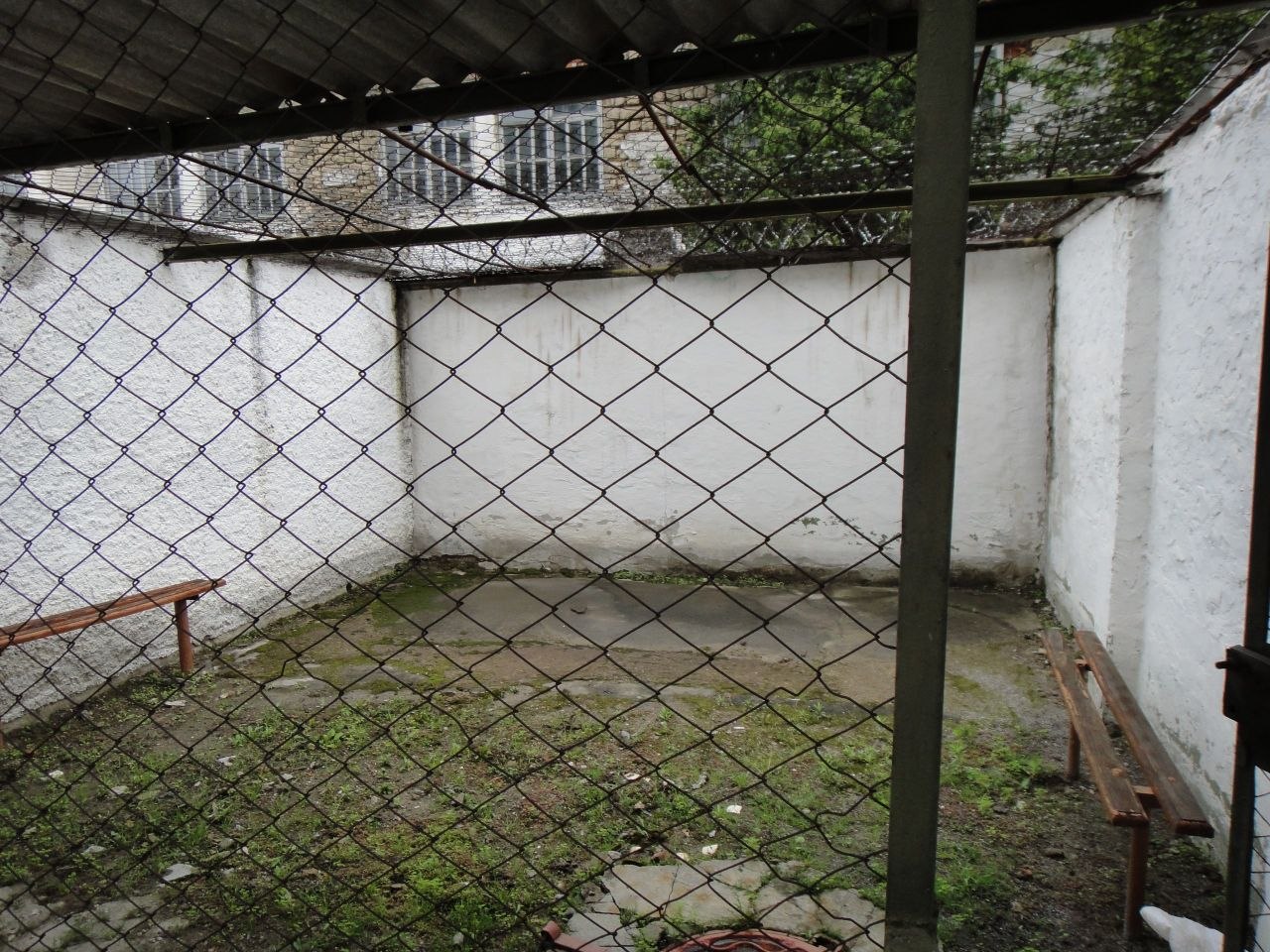
18. The hospital exercise yards require repair work. Main deficiencies include damaged floor surfaces (cracks, potholes, unevenness), which create a risk of injury, as well as inadequate equipping with sports equipment or other means for physical activity.
In this context, the Committee has repeatedly recommended reviewing the design and size of exercise yards, ‘which offer at best a view of the sky’ (CPT/Inf (2014) 15, paragraphs 122, 127).
19. In violation of part five of Article 110 of the Criminal Executive Code of Ukraine, convicts are not guaranteed the right to use the global Internet during their stay in the hospital's inpatient unit. Lack of Internet access restricts their ability to receive information, exercise their right to education and self-education, and maintain social ties, which contradicts paragraph 63 of the Committee's standards (CPT/Inf (93) 12-part).
20. In violation of the Fire Safety Rules in Ukraine, approved by Order of the Ministry of Interior of Ukraine No. 1417 dated 30 December 2014 (hereinafter — Rules), hospital premises are not equipped with fire suppression systems or fire alarm systems.
Recommendations
1. Take measures aimed at eliminating the identified violations of human rights and preventing torture, cruel, inhuman or degrading treatment or punishment at Stryzhavka Multi-Field Hospital No. 81, a branch of the Healthcare Centre of the State Penitentiary Service of Ukraine in Vinnytsia Region.
2. Staff the hospital with specialist doctors according to needs.
3. Ensure supervision over the proper maintenance of medical documentation in accordance with the Procedure for Organising the Provision of Medical Care to Convicts Sentenced to Imprisonment, approved by Joint Order of the Ministry of Justice of Ukraine and the Ministry of Health of Ukraine No. 1348/5/572 dated 15 August 2014, the Procedure for Interaction of Healthcare Facilities of the State Penitentiary Service of Ukraine with Healthcare Facilities Regarding the Provision of Medical Care to Persons Held in Custody, approved by Joint Order of the Ministry of Justice of Ukraine and the Ministry of Health of Ukraine No. 239/5/104 dated 10 February 2012, and other regulatory acts.
4. Ensure the provision of proper medical care, organisation of outdoor walks, compliance with hygiene standards, adequate lighting, access to drinking water, and material support for convicts undergoing inpatient treatment, in accordance with requirements.
5. Dismantle CCTV cameras from hospital wards.
6. Ensure the placement of sick convicts in wards in accordance with established diagnoses and decisions of medical staff, preventing interference by facility staff in medical decisions.
7. Ensure the establishment and operation of a palliative care department within the hospital in accordance with the requirements of paragraph 4 of Section IV of the Procedure for Providing Palliative Care, approved by Order of the Ministry of Health of Ukraine No. 1308 dated 4 June 2020, as well as equipping it with necessary medical equipment, medicines, and trained staff for providing inpatient palliative care.
8. Bring the premises of the hospital's inpatient unit into compliance with the requirements of State Building Codes of Ukraine V.2.2-10:2022 ‘Healthcare Facilities’, the UN Standard Minimum Rules for the Treatment of Prisoners (the Nelson Mandela Rules), and the Committee's recommendations, ensuring standard floor area per ward, proper furnishing, shower cabins, drinking water storage containers, an operational ventilation system, sanitary facilities with an adequate level of privacy, as well as carrying out necessary repairs and maintaining proper sanitary and hygienic conditions in the premises.
9. Ensure timely examination of patients by the attending physician, proper provision of information to them regarding their health status, examination results, treatment plan, and duration, and eliminate unjustified delays in providing medical care in accordance with paragraph 3 of Chapter 3 of Section III of the Procedure.
10. Ensure an adequate level of natural lighting in the ward for treating convicts sentenced to life imprisonment by replacing frosted glass or modifying windows, enabling patients to see outside the premises in accordance with the Committee's recommendations (CPT/Inf (2020) 40, paragraph 48).
11. Ensure all individuals with suspected HCV have access to PCR testing as soon as possible and organise necessary antiviral treatment for individuals with a confirmed diagnosis.
12. Ensure individual rehabilitation for persons in need thereof.
13. Ensure accessibility of the facility’s buildings in accordance with State Building Codes of Ukraine V.2.2-40:2018 ‘Inclusivity of Buildings and Structures. Main Provisions’.
14. Comply with the requirements of paragraph 37 of Resolution of the Cabinet of Ministers of Ukraine No. 285 dated 2 March 2016 ‘On Approval of Licensing Conditions for Conducting Healthcare Business Activities’.
15. Provide the hospital with hospital clothing and footwear (hospital suit, robe, and slippers).
16. Equip the hospital with a dental X-ray machine and necessary equipment for comprehensive dental examinations and treatment.
17. Ensure proper functioning of the telemedicine complex enabling doctors to submit requests for telemedicine consultations.
18. Ensure operation of the disinfection chamber.
19. Ensure daily visits by a medical worker to the DISO, punishment cells, and PKT (OK), proper medical control over the health status of convicts held there, and proper documentation of such visits in the logbook in accordance with the requirements of the House Rules.
20. Bring the hospital's exercise yards into proper technical condition by repairing damaged floor surfaces, and ensure proper equipment for physical activity and conditions meeting the recommendations of the European Committee for the Prevention of Torture.
21. Ensure convicts undergoing inpatient treatment have the right to use the global Internet in accordance with part five of Article 110 of the Criminal Executive Code of Ukraine.
22. Eliminate fire safety violations.
The publication was prepared within the framework of the project ‘Seeking Justice for Survivors’, funded by the Ministry of Foreign Affairs of Denmark.