Report on the Monitoring Visit to Strizhavska Multidisciplinary Hospital No. 81 in the Vinnytsia Region
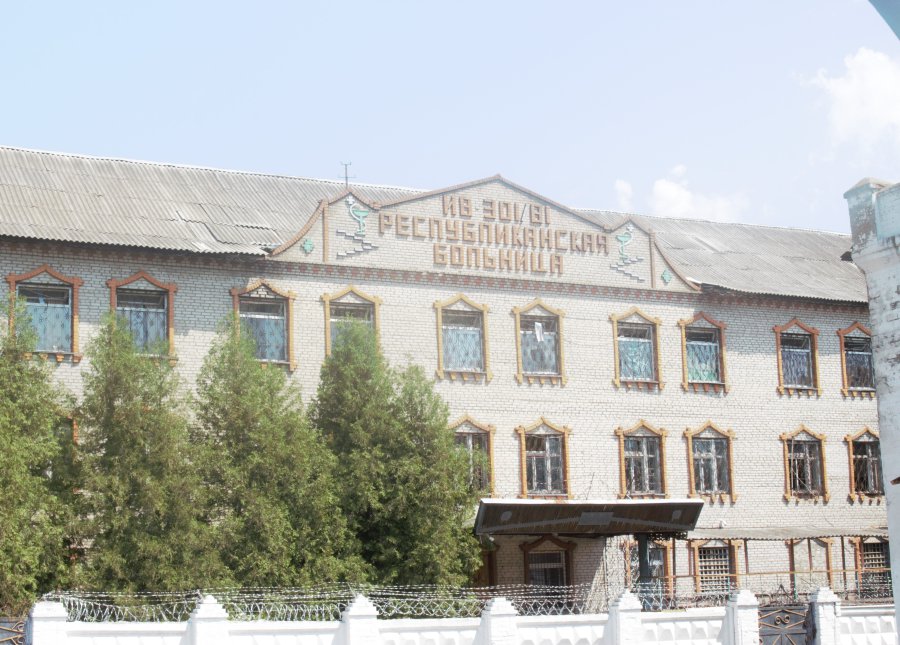
On 7 June 2025, in accordance with the Optional Protocol to the Convention against Torture and Other Cruel, Inhuman or Degrading Treatment or Punishment, and taking into account the provisions of the Standard Minimum Rules for the Treatment of Prisoners, the decisions of the European Court of Human Rights, and Article 24 of the Penitentiary Code of Ukraine (Visits to Penal Institutions), a monitoring group from the Kharkiv Human Rights Protection Group and the NGO “Protection of Prisoners of Ukraine” conducted a follow-up visit to the Strizhavska Multidisciplinary Hospital No. 81, a branch of the State Institution “Public Health Centre of the State Penitentiary Service of Ukraine” in the Vinnytsia region (hereinafter referred to as the hospital, institution, or facility).
A planned visit was conducted without prior notice. The previous visit took place on 27 August 2024.
During the preparation for the visit, the monitors reviewed materials including reports from prisoners/convicts and their families, previous reports, and the findings of monitors from the National Preventive Mechanism under the Commissioner for Human Rights of the Verkhovna Rada of Ukraine (NPM).
The visit was conducted as part of the project “Reducing the Suffering of Prisoners in the Context of the War in Ukraine,” funded by the government of Denmark in partnership with DIGNITY — The Danish Institute Against Torture.
The visit was carried out by the following monitors:
- Andrii Didenko — Assistant to the People's Deputy of Ukraine Yaroslav Yurchyshyn, programme coordinator of the Kharkiv Human Rights Protection Group, with experience in monitoring visits since 2014;
- Serhii Zuikov — Assistant to the People's Deputy of Ukraine Kostiantyn Kasai, member of the public council under the Ministry of Justice of Ukraine, member of the NGO “Protection of Prisoners of Ukraine,” with many years of experience in monitoring visits.
The monitoring visit to the hospital revealed numerous violations of national legislation and international standards for the treatment of prisoners. The primary issues include the absence of a separate palliative care unit, inadequate conditions of detention, specifically unsanitary environments, worn-out equipment, a lack of access to drinking water and hygiene products, as well as violations of the right to daily exercise and weekly bathing.
Video surveillance cameras have been installed in wards for life-sentenced inmates, violating the right to medical confidentiality. It was found that there is no proper documentation of bodily injuries and no adequate response to potential instances of ill-treatment, which creates risks of impunity and further violations of Article 3 of the Convention for the Protection of Human Rights and Fundamental Freedoms.
Furthermore, non-compliance with requirements regarding the layout of premises and toilets, the absence of facilities for persons with disabilities, low light levels, and a malfunctioning disinfection chamber were recorded. Medical equipment is insufficient, dental care is limited strictly to tooth extractions, and the diagnosis and treatment of viral hepatitis C are not provided to all patients.
Insufficient documentation of bodily injuries and the absence of effective suicide prevention measures indicate systemic flaws in the work of the medical staff. Combined, these factors threaten the health and safety of the inmates and could provide grounds for new applications against Ukraine to the ECHR.
General Information
The institution is a medical-preventive health facility under the Public Health Centre of the State Penitentiary Service of Ukraine, intended to provide emergency, primary, specialised, and palliative medical care, as well as healthcare rehabilitation for convicted and detained persons. The hospital has a capacity of 100 beds and consists of the following departments: a therapeutic department with 35 beds (including 15 therapeutic beds, 10 endocrinology beds, 5 palliative care beds, and 5 psychiatric beds), a surgical department with 20 beds, an infectious diseases department with 30 beds, and an ophthalmological department with 20 beds (serving ophthalmological patients from penal colonies throughout Ukraine).
Head of Facility: Oleksandr Anatoliiovych Torbas.
The hospital holds a licence to engage in medical practice, approved by Order of the Ministry of Health of Ukraine (hereinafter — MOH) dated 21.12.2019, No. 2639, for the following specialties: healthcare organisation and management, ophthalmology, therapy, dentistry, radiology, infectious diseases, psychiatry, ultrasound diagnostics, and clinical laboratory diagnostics. Licences for junior specialists with medical education include: radiology, general medicine, nursing, nursing (operating theatre), laboratory science (clinical), and medical statistics. The facility also holds a licence for the acquisition, storage, use, and destruction of narcotic drugs and precursors, dated 16.07.2019.
Vacancies: endocrinologist — 0.5 post, inpatient nurse — 1.0 post, pharmacist — 0.5 post.
Performance of the Medical-Consultative Commission (MCC) regarding the application of Article 84 of the Criminal Code of Ukraine to convicted patients for the first quarter of 2025: number of persons released under Article 84 of the Criminal Code of Ukraine — 3; number of cases reviewed by the MCC — 7; number of materials sent to court — 6; approved — 4; rejected by the court — 2; number of deaths during court review — 0; number of deaths before the decision came into legal force — 1.
Since the beginning of the year, 6 convicts have died.
The hospital provides opioid agonist treatment to patients dependent on narcotic substances. 139 individuals are currently receiving such treatment.
Positive Developments
Over the past year, the hospital has carried out a number of important tasks aimed at improving the conditions for patients' stay and treatment. In particular, to ensure proper medical care for patients serving life sentences, an additional ward with 5 beds has been set up. This has allowed for improved conditions for the treatment and accommodation of such patients in accordance with legal requirements and medical care standards.
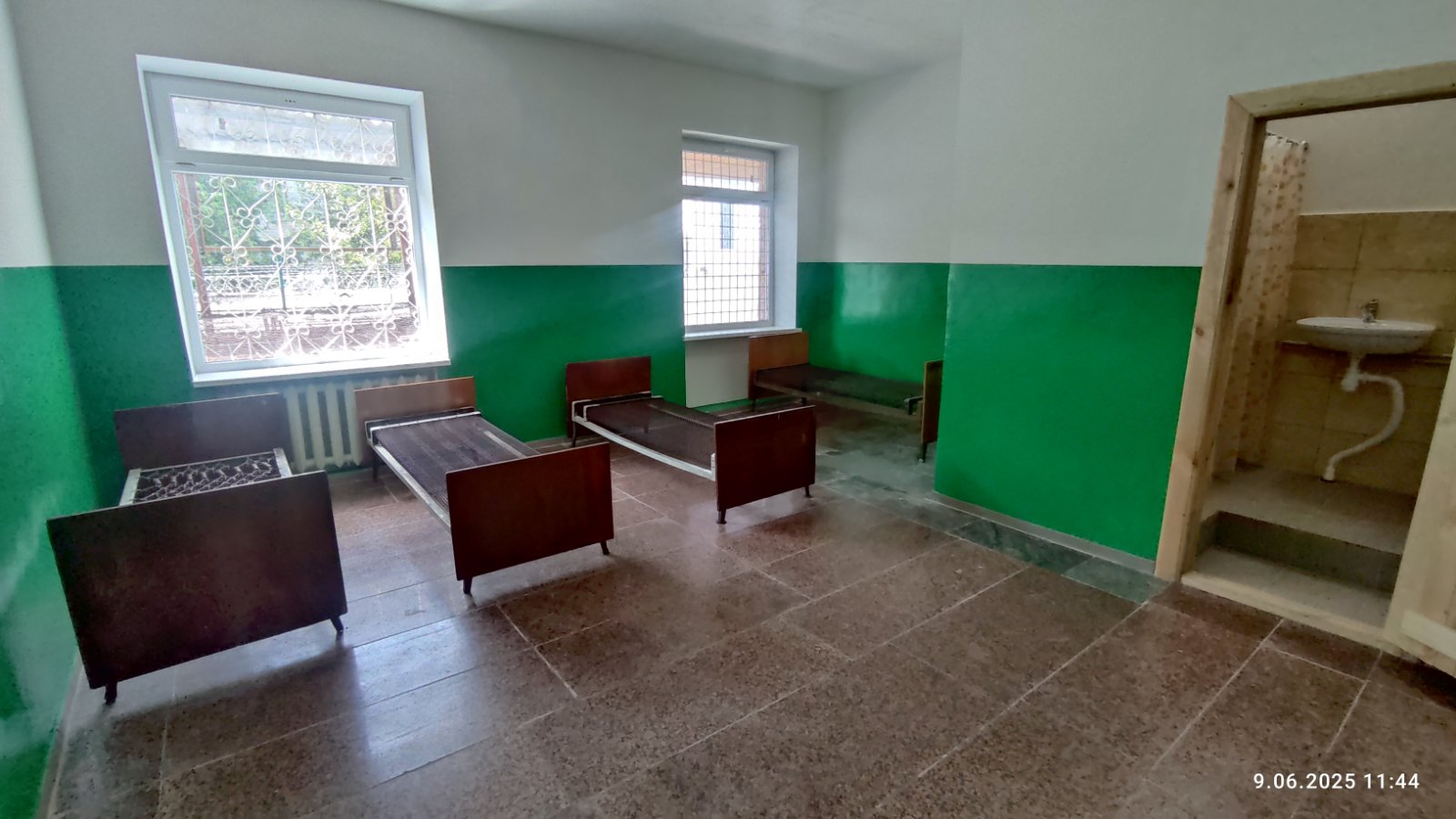
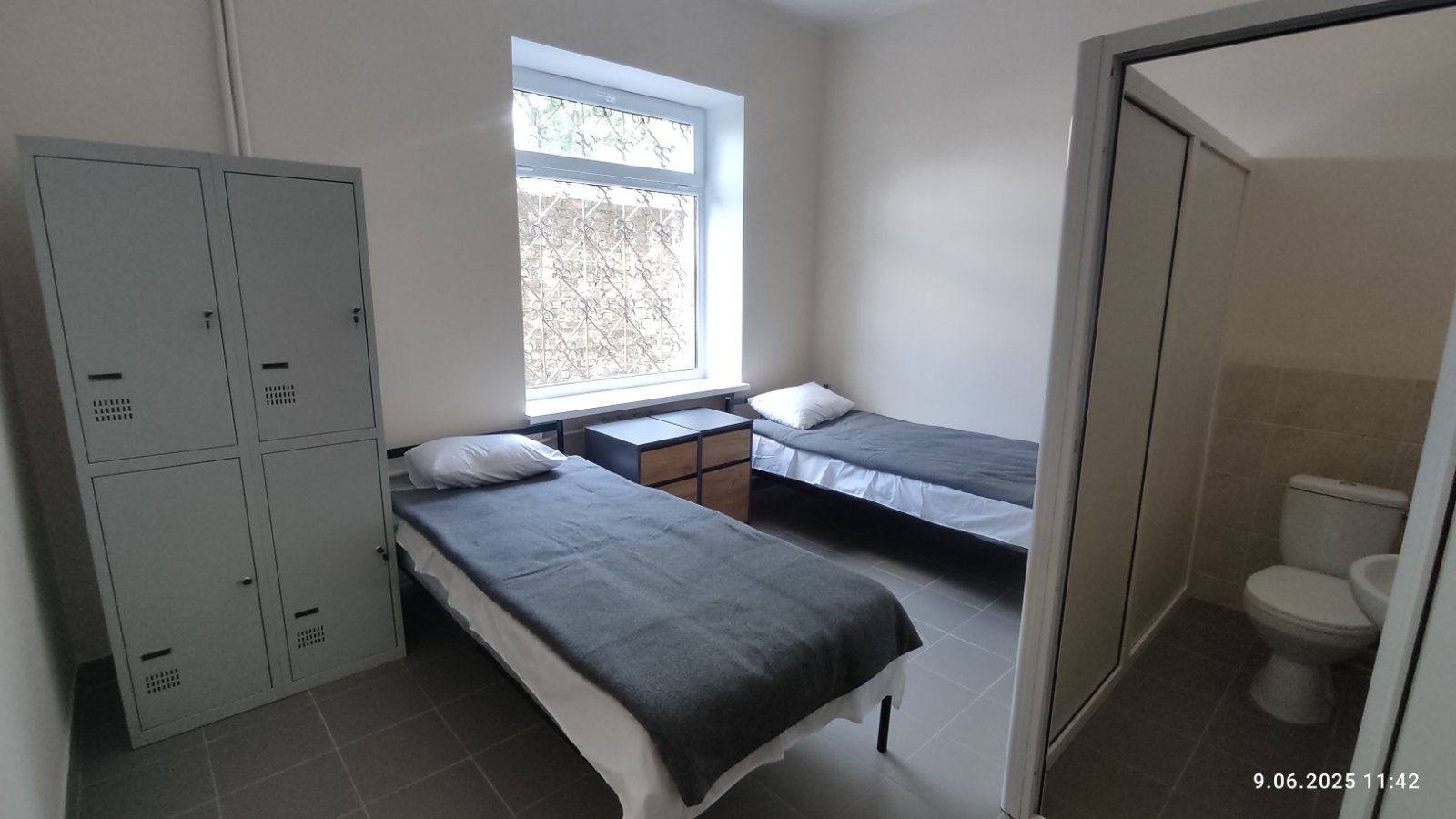
Additionally, for patients with mental and behavioural disorders, three separate wards with 6 beds have been arranged. This has allowed for the creation of a more comfortable and safe environment for this category of patients, as well as the optimisation of their treatment and rehabilitation process.
Significant attention has also been paid to the psychological state of the patients. The hospital has completed cosmetic repairs to the psychological relaxation room, which has been additionally equipped with modern exercise machines.
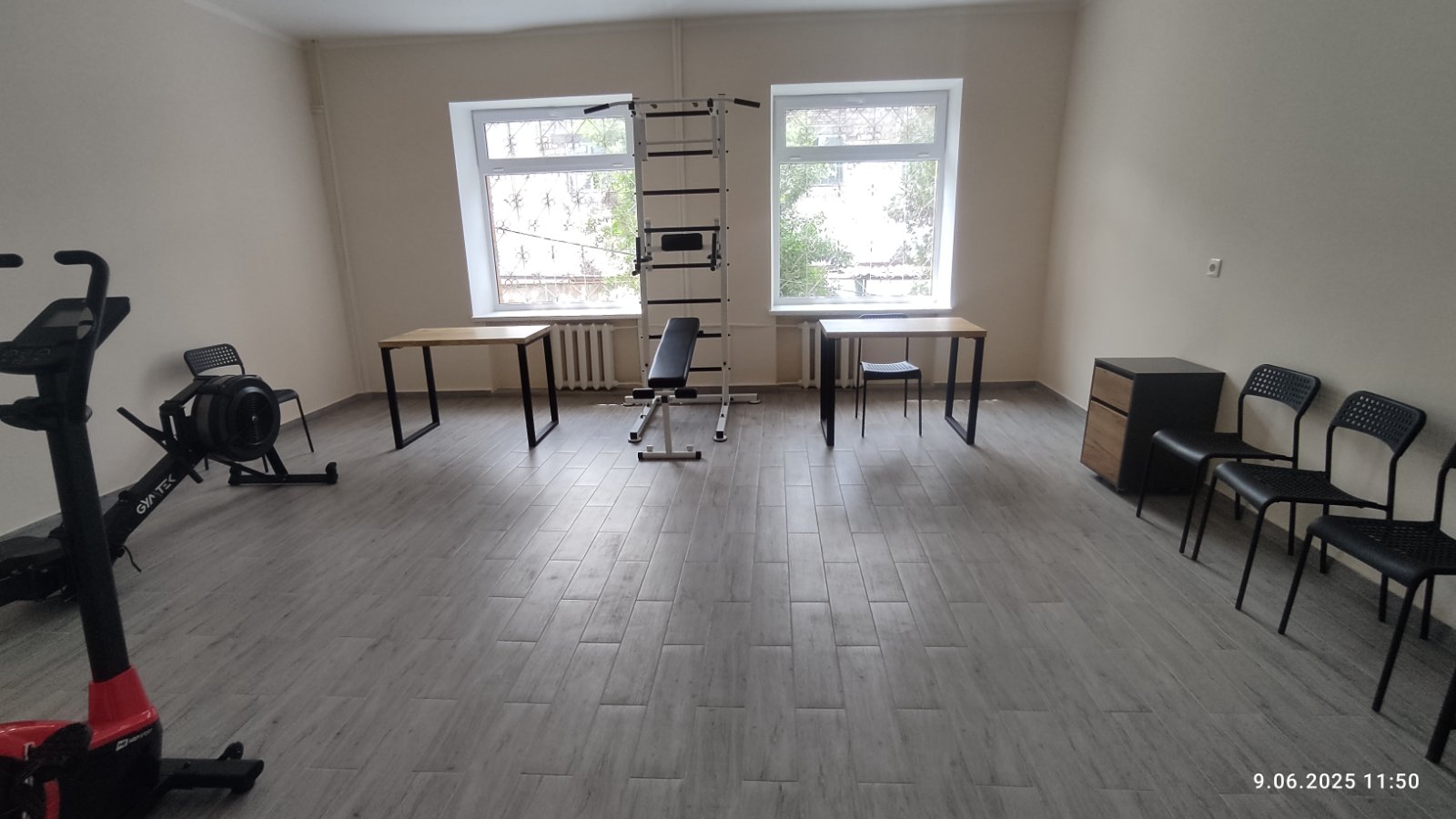
This contributes to reducing stress, anxiety, and aggression in patients, positively influencing the recovery process. Furthermore, the capital renovation of the bathhouse has been completed.
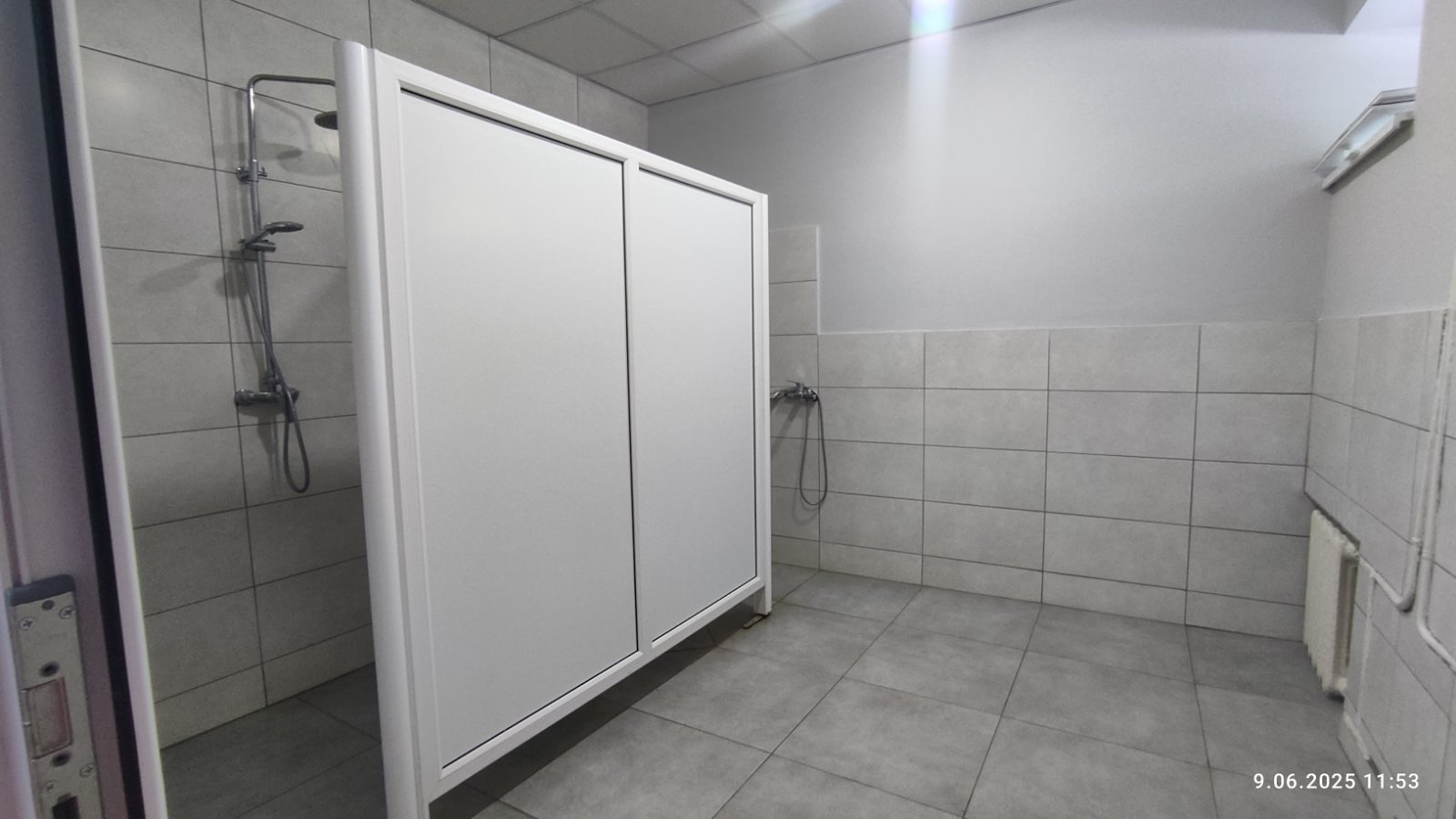
All these measures are part of a consistent strategy to improve conditions of detention and treatment at the Strizhavska Multidisciplinary Hospital No. 81, confirming the institution's commitment to implementing modern medical service standards.
Facts Discovered During the Visit
During the monitoring visit, violations of national legislation and failures to adhere to international recommendations regarding the treatment of prisoners were identified, which lead to violations of the rights of convicted persons:
1. According to the Order on the distribution of convicted and detained persons requiring inpatient medical care to health facilities of the Public Health Centre of the State Penitentiary Service of Ukraine, men and women requiring palliative care from penal institutions and pre-trial detention centres in the Vinnytsia and Zhytomyr regions, as well as the city of Kyiv and the Kyiv region, are sent to Strizhavska Multidisciplinary Hospital No. 81.
However, the facility lacks a dedicated palliative care unit for inpatient palliative care, which does not meet the requirements of paragraph 4 of Section IV of the Procedure for Providing Palliative Care, approved by Order of the Ministry of Health of Ukraine dated 04.06.2020, No. 1308.
2. The monitoring group identified facts that provide grounds to suggest improper, cruel, or degrading treatment of prisoners, potentially giving rise to new applications against Ukraine to the European Court of Human Rights for violations of Article 3 of the Convention for the Protection of Human Rights and Fundamental Freedoms.
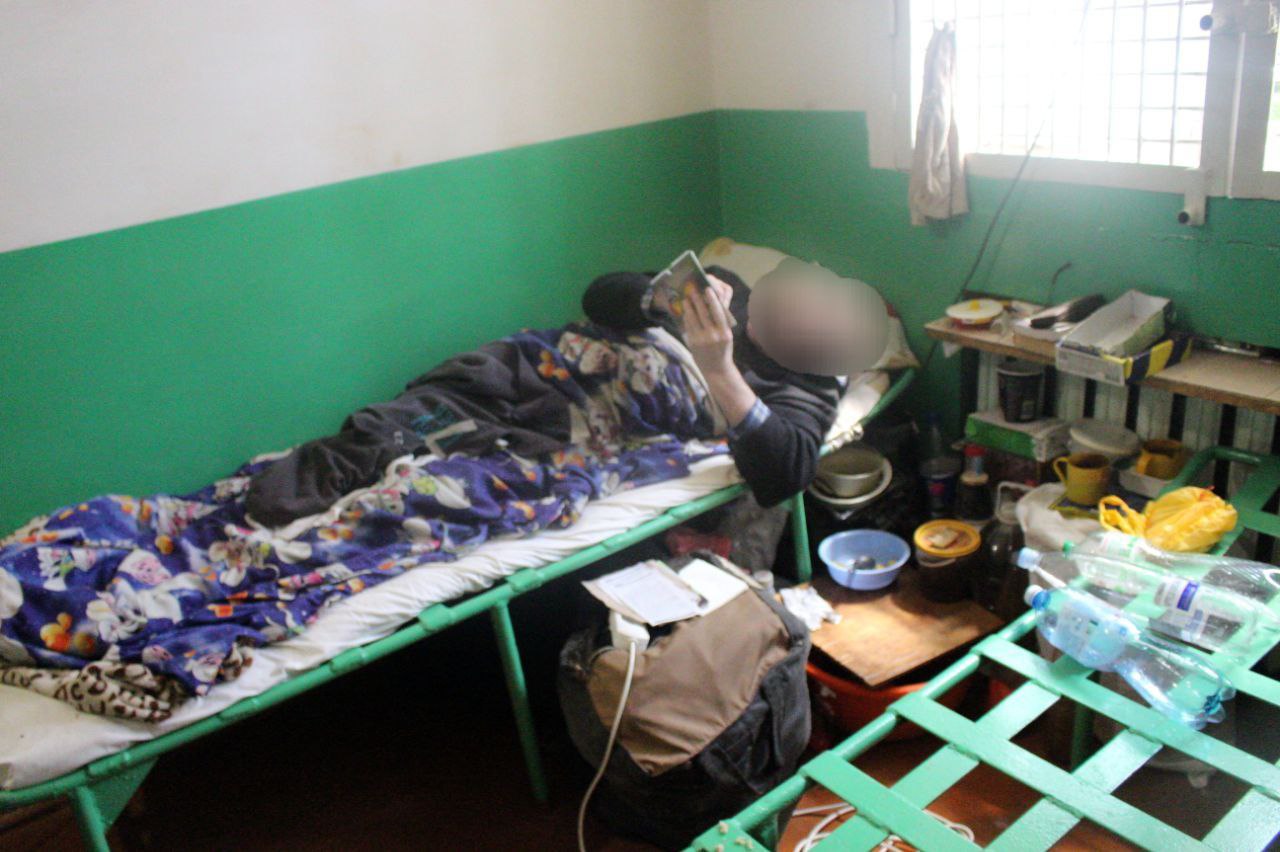
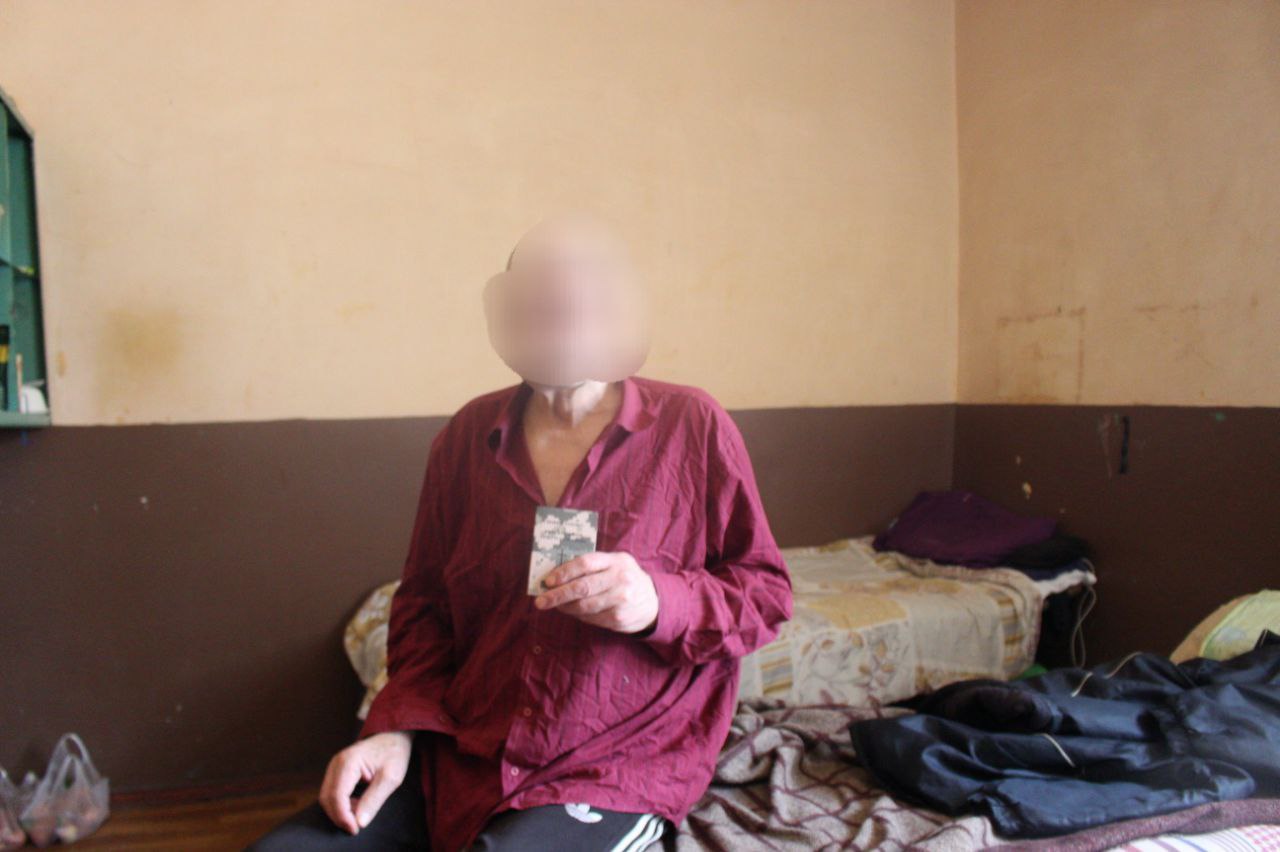
For instance, convict Y., who suffers from motor and speech impairments and is being treated in a ward for persons sentenced to life imprisonment, reported that over the past six months, despite repeated requests to the administration, he has not once been taken out for a walk.
This violates paragraph 2 of Section II of the Internal Regulations of Penal Institutions, approved by Order of the Ministry of Justice of Ukraine dated 28 August 2018, No. 2823/5 (hereinafter — Internal Regulations), Rule 23 of the UN Standard Minimum Rules for the Treatment of Prisoners (the Mandela Rules), and Rule 27.1 of the European Prison Rules.
Furthermore, the convict was not provided with weekly bathing, which contradicts paragraph 3.1 of the Regulation on the organisation of bathhouse and laundry services for persons held in penal institutions and pre-trial detention centres, approved by Order of the Ministry of Justice of Ukraine dated 8 June 2012, No. 849/5, as well as Rule 19.4 of the European Prison Rules and Rule 16 of the UN Standard Minimum Rules for the Treatment of Prisoners (the Mandela Rules).
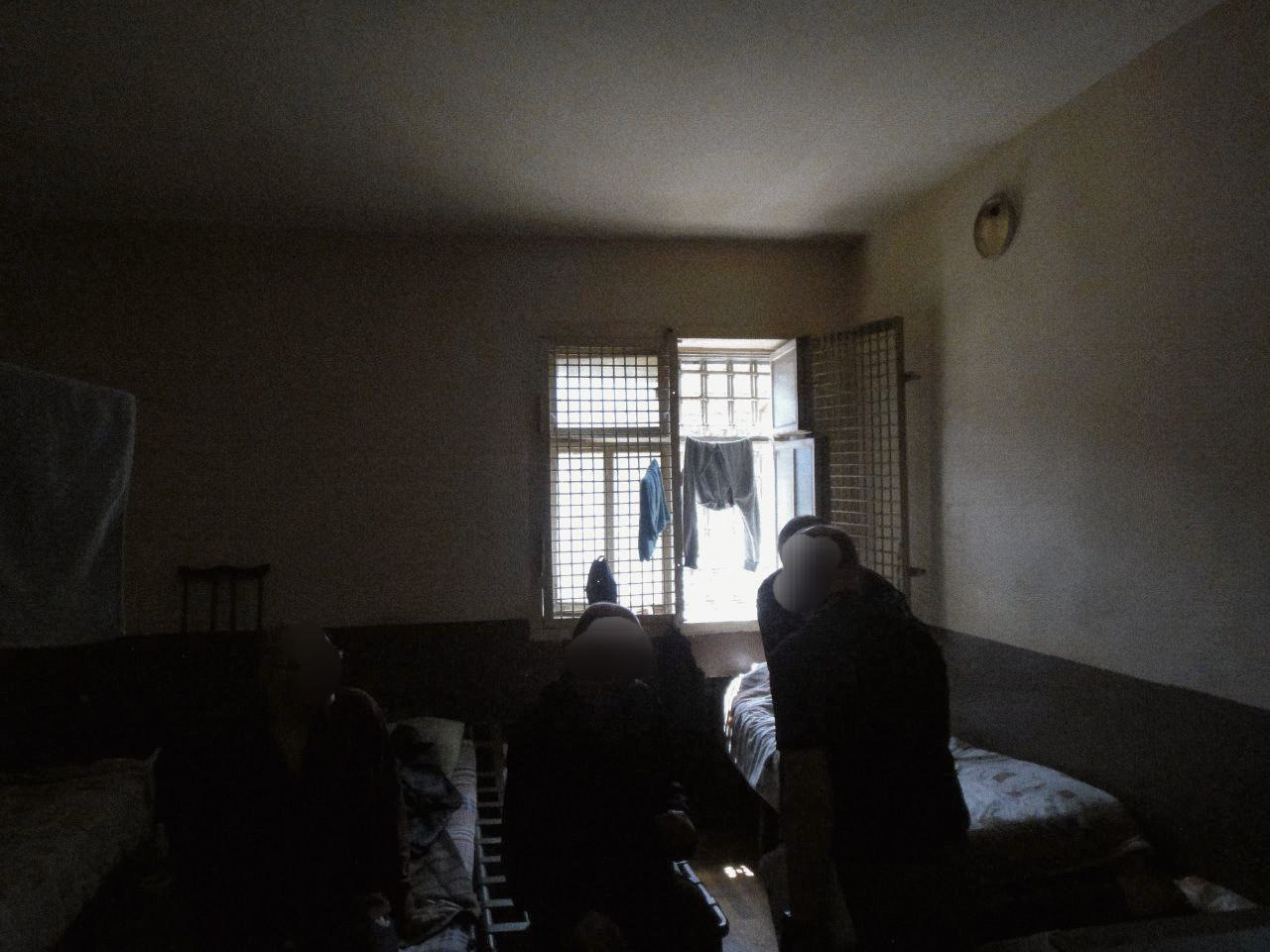
During the inspection of the ward where the convict was held, the monitoring group noted an insufficient level of natural light. According to Annex Zh “Standard indicators for lighting in residential buildings” of the State Building Standards (DBN) V.2.5-28:2018 “Natural and Artificial Lighting,” approved by Order of the Ministry of Regional Development, Construction, and Housing and Communal Services of Ukraine dated 3 October 2018, No. 264, the illumination of working surfaces in bedrooms and living quarters must be 150 LUX.
In contrast, the ward was recorded at only 60 LUX, which is significantly lower than the established standards. Contrary to the requirements of Rule 22.5 of the European Prison Rules, the ward is not equipped with a drinking water container. Bedding, pillows, and mattresses require replacement.
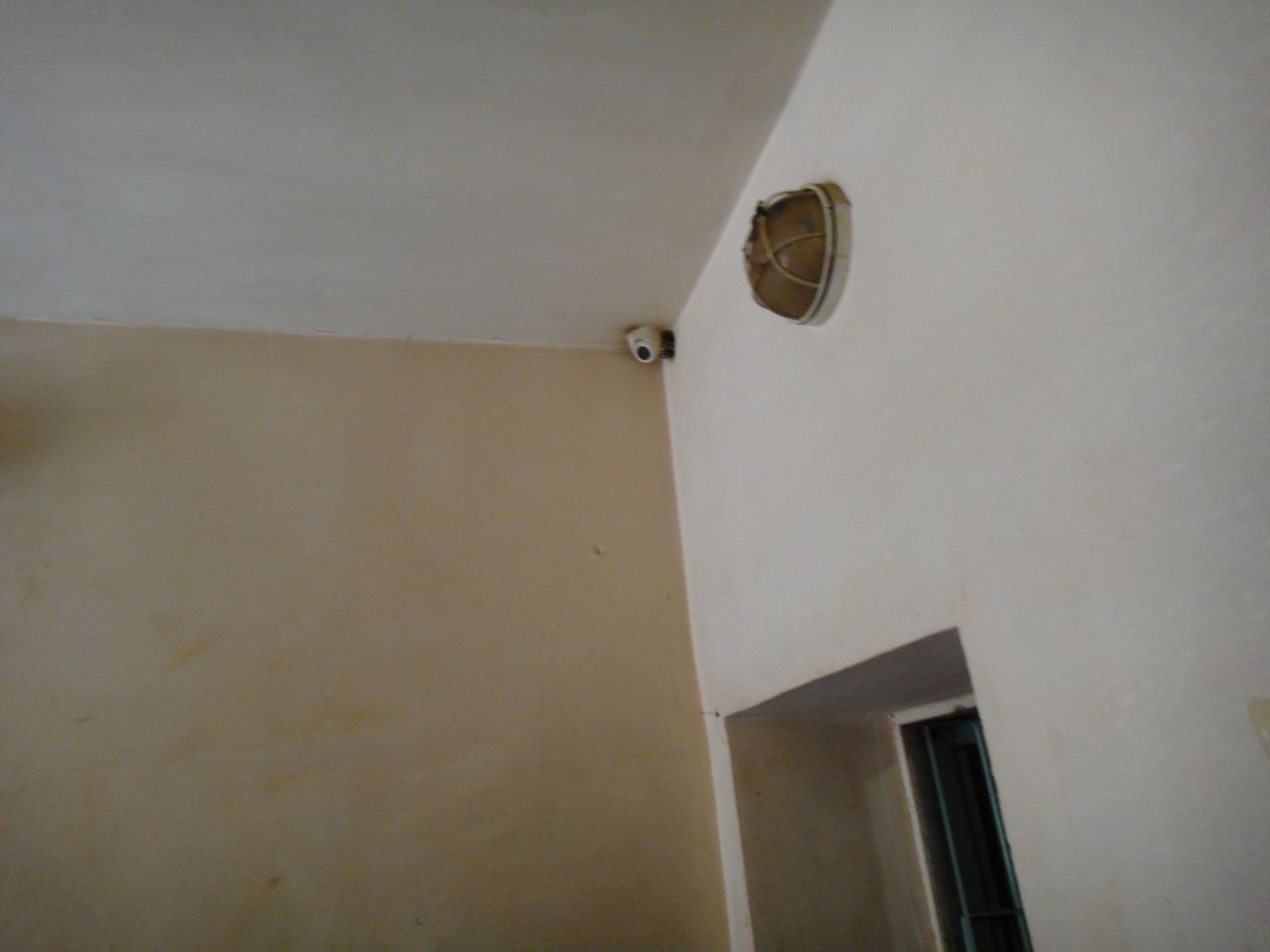
2. In wards No. 1, 2, and 3 for the treatment of persons sentenced to life imprisonment, the monitors recorded the presence of video surveillance cameras. However, according to paragraph 8 of Section VII of the Procedure for using technical surveillance and control devices in correctional and educational colonies of the State Penitentiary Service of Ukraine, approved by Order of the Ministry of Justice of Ukraine dated 26 June 2018, No. 2025/5 (registered with the Ministry of Justice of Ukraine on 02 July 2018 under No. 766/32218), the use of video cameras and portable body-worn cameras is prohibited in medical unit wards (hospital facilities).
This fact indicates that facility staff may be obtaining confidential information regarding the health status of convicted persons during medical examinations, manipulations, or procedures. This violates the requirements of Article 39-1 of the Law of Ukraine “Fundamentals of Ukrainian Legislation on Healthcare” regarding the right to medical confidentiality and paragraph 9 of Section I of the “Procedure for organising the provision of medical care to persons sentenced to imprisonment,” approved by the joint order of the Ministry of Justice of Ukraine and the Ministry of Health of Ukraine dated 15.08.2014, No. 1348/5/572 (hereinafter — the Procedure).
3. During the visit to the institution, the monitoring group received information regarding a convict who allegedly inflicted self-harm (mutilation). During a confidential conversation with this convict, the latter refused to either confirm or deny the information.
Members of the monitoring group reported the information received to the medical staff of the hospital’s outpatient department. In response, they stated that the recording of bodily injuries is carried out exclusively on the condition of a personal request by the convict to the medical unit. Thus, information or reports regarding the presence of bodily injuries in a convict, obtained from other sources, remain unaddressed by the medical staff until the individual applies for care themselves.
Such inaction by medical staff may facilitate the concealment of cases of ill-treatment and indicates the ineffectiveness of the measures for the prevention of suicide among convicts in the institution.
It should be noted that during the previous monitoring visit, a similar violation by medical staff was identified, which indicates the systemic nature of the problem and a lack of proper response from the hospital management.
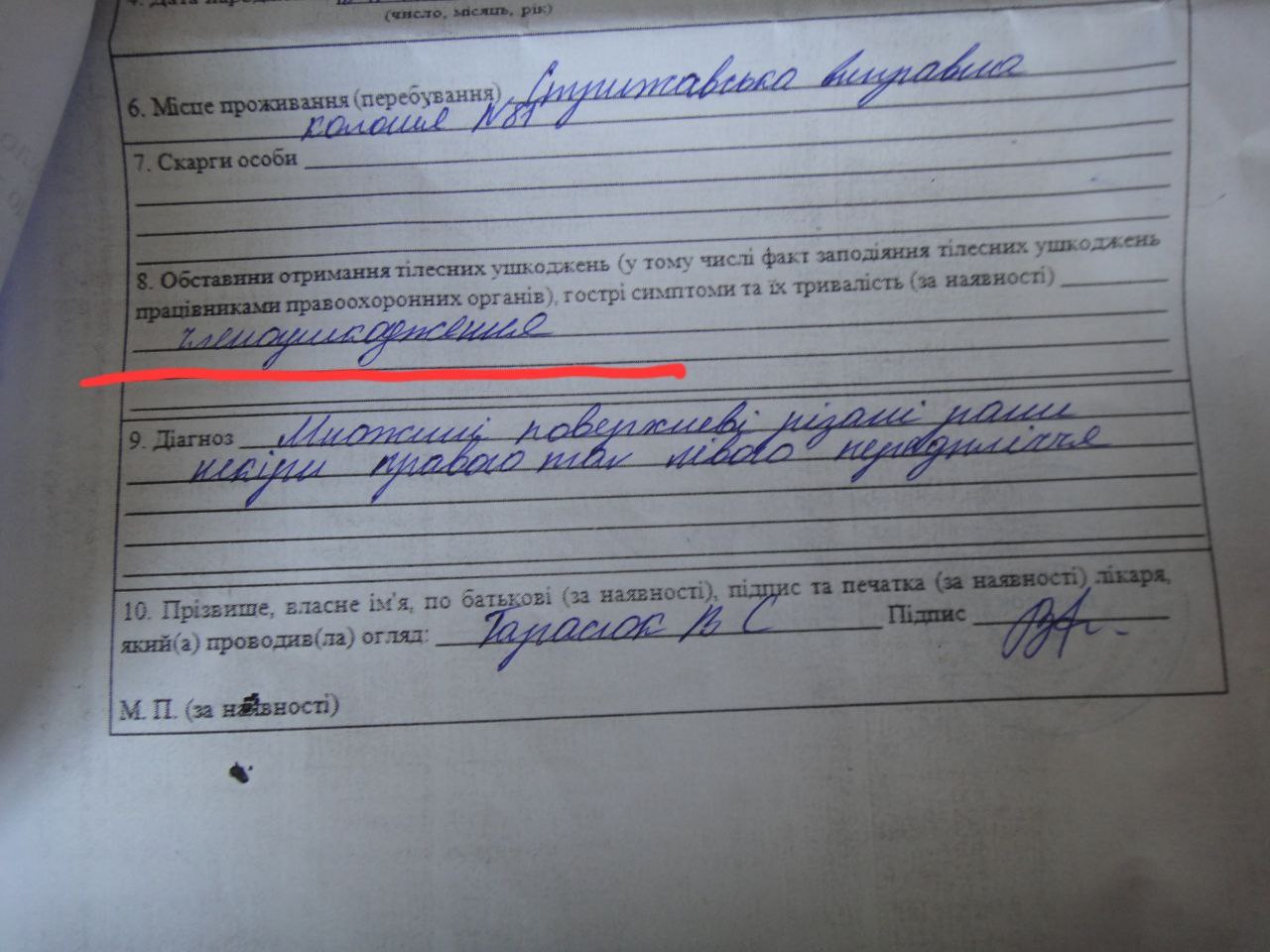
4. In violation of the requirements of paragraph 3, Chapter 1, Section II of the Procedure and the Instruction on filling out the primary accounting documentation form No. 511/o “Certificate of recording bodily injuries,” medical staff do not complete these certificates properly.
In particular, in most cases, paragraph 8 of the form, which provides for specifying the circumstances under which the bodily injuries were sustained, is filled out formally and without detail, making it impossible to identify the factual circumstances of the event.
The lack of comprehensive documentation of the circumstances of injury and improper recording of bodily injuries do not comply with paragraph 60 of the Committee's recommendations (CPT/Inf(93)12-part), which states that medical services in places of detention can contribute to the prevention of violence against persons held in custody through the systematic recording of bodily injuries, as well as, if necessary, by informing the relevant authorities.
5. In violation of the requirements of the Standards for Provision of Furniture, Equipment, and Household Items for a Medium-Security Correctional Colony, approved by Order of the Ministry of Justice of Ukraine dated 27.07.2012, No. 1118/5 (hereinafter — Provision Standards), there is no room in the disciplinary cell (DIZO) for the admission of convicts by the administration and medical staff. As a result, medical examinations of convicts are conducted in the cells or in the duty shift room, which may indicate that facility staff and other convicts could gain access to confidential information regarding the health status of convicted persons during medical examinations, manipulations, or procedures.
This violates the requirements of Article 39-1 of the Law of Ukraine “Fundamentals of Ukrainian Legislation on Healthcare” regarding the right to medical confidentiality and paragraph 9 of Section I of the Procedure for organising the provision of medical care to persons sentenced to imprisonment.
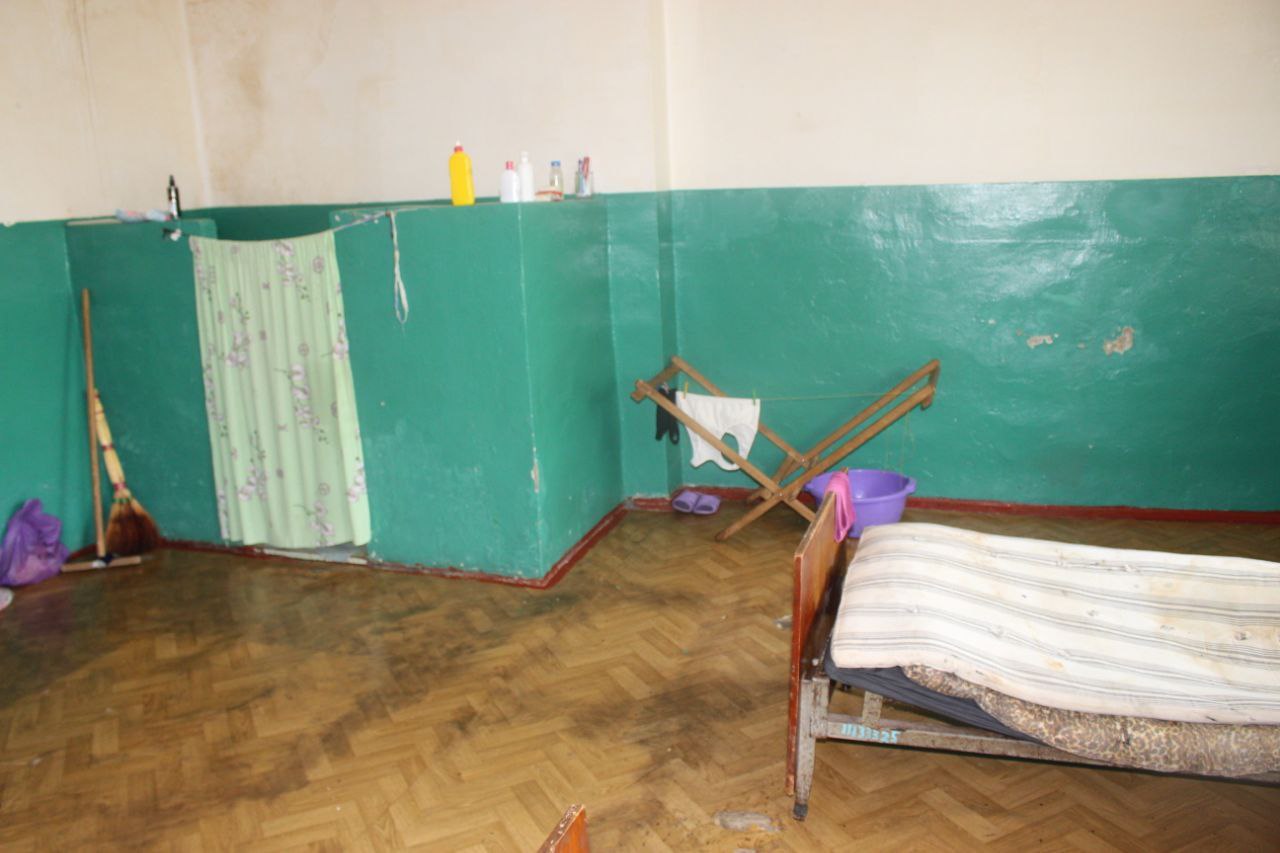
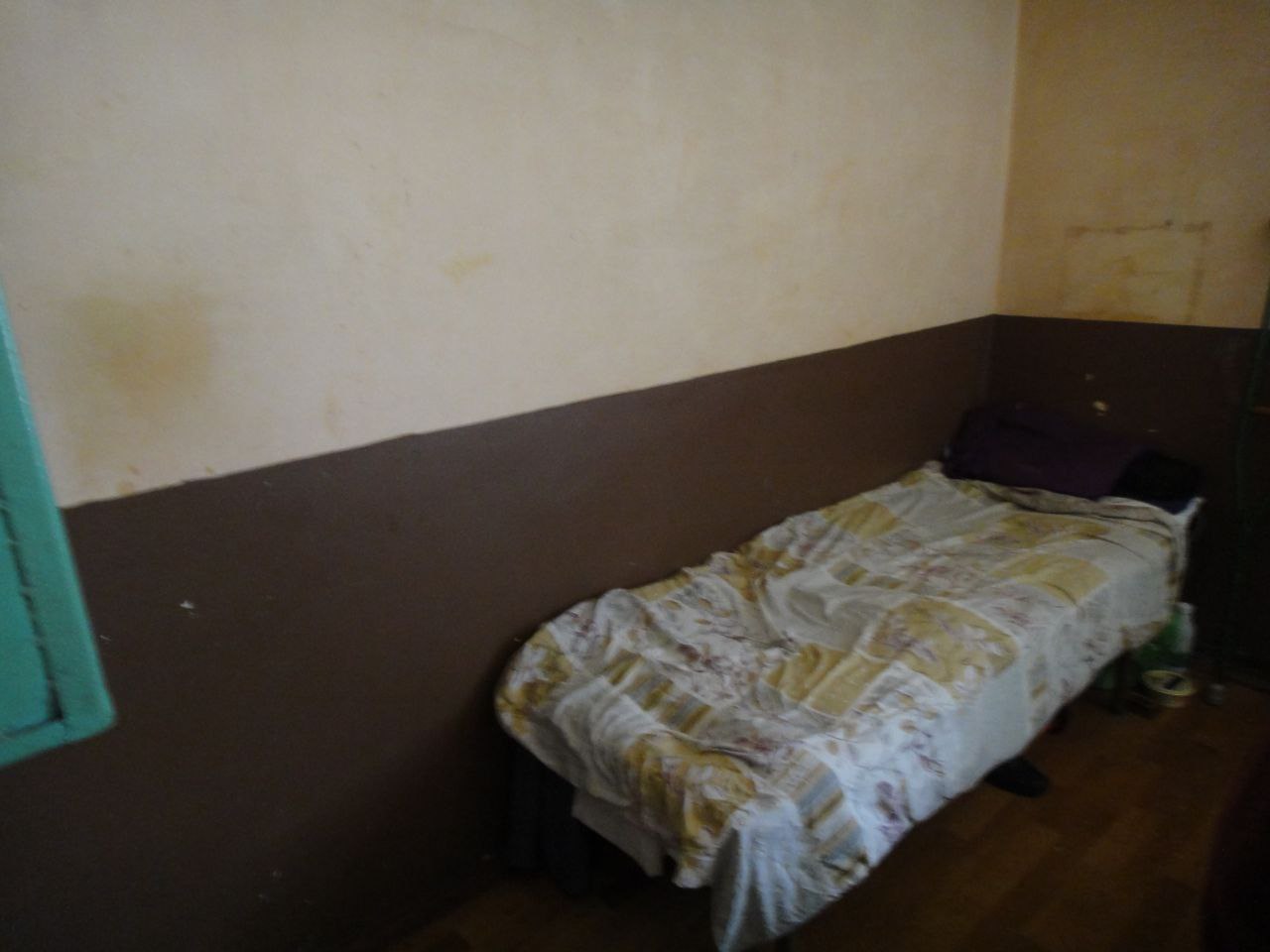
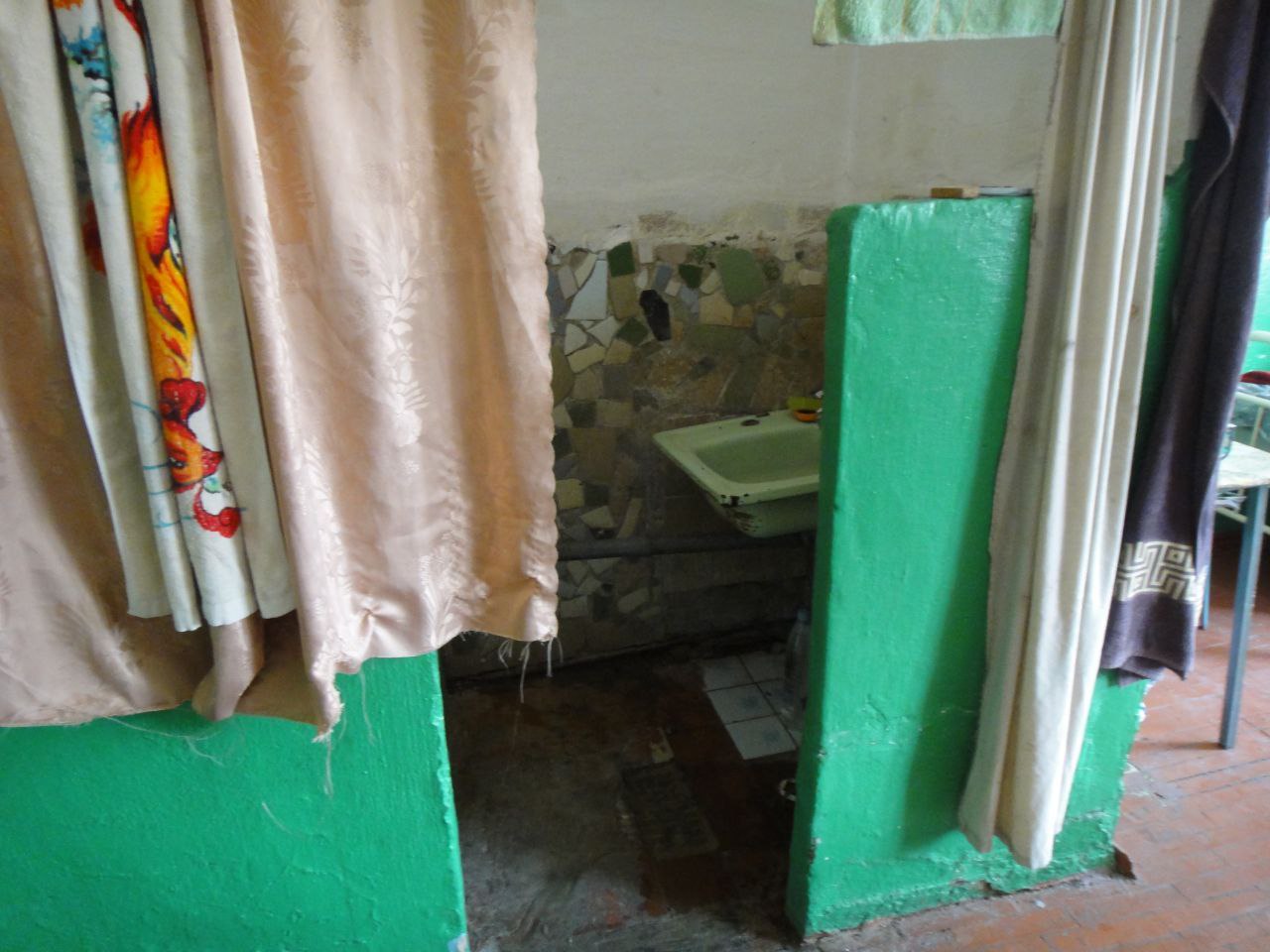
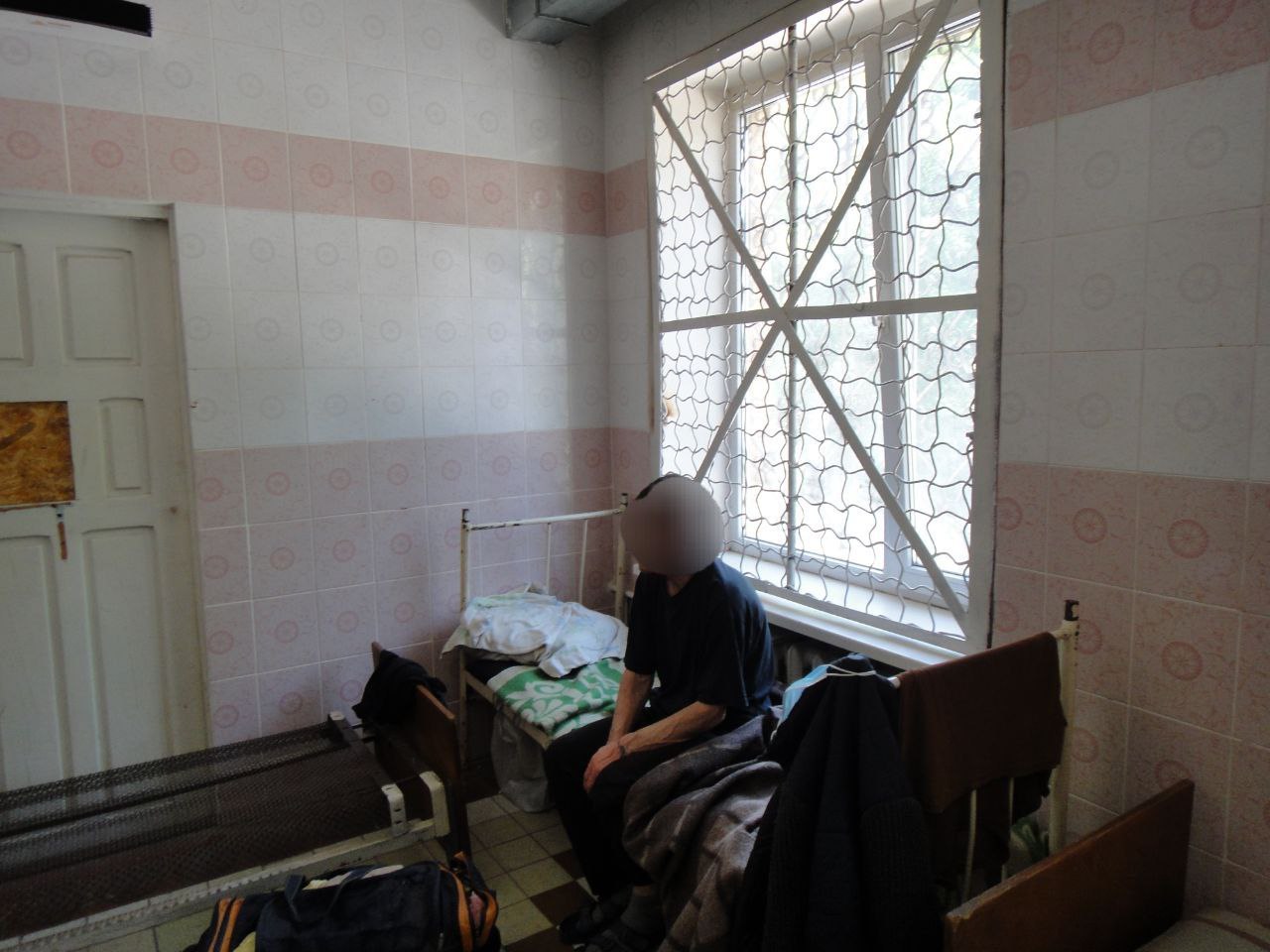
6. In some wards, toilets are not equipped with bowls and lack doors to ensure privacy, which is a violation of Rule 19.3 of the European Prison Rules. In violation of Rule 22.5 of the European Prison Rules, the wards are not provided with drinking water containers. Beds are positioned directly next to each other, which does not ensure personal space for convicts and contradicts the requirements of the State Building Standards of Ukraine V.2.2-10:2022 “Health Facilities” and violates Rule 18.1 of the European Prison Rules.
There is an unpleasant odour, unsanitary conditions, and the premises require repair; the walls, floors, and toilets are dirty, and the bedding and mattresses need to be replaced. This does not comply with the first and second parts of Article 115 of the Penitentiary Code of Ukraine and paragraph 53 of the Committee's recommendations (CPT/Inf(93)12-part).
7. In violation of the requirements of paragraph 7, Chapter 2, Section III of the Procedure, sick convicts are placed in wards/cells not on the basis of a confirmed diagnosis and a decision by medical personnel to refer them to a specialised hospital department, but by the decision of the facility staff.
8. In violation of the requirements of the Standards of entitlement to bedding, special clothing, and special footwear (inventory property) for convicts undergoing treatment in medical-preventive facilities, facilities with hospital status, and medical units at penal institutions and pre-trial detention centres, approved by Order of the Ministry of Justice of Ukraine dated 20.02.2012, No. 280/5, convicted persons do not receive hospital property (hospital suit, dressing gown, and slippers). Convicts remain in the inpatient facility wearing their everyday clothing, sometimes using their own bed linen.
9. Disinfestation measures taken by the medical staff are insufficient; in some wards, monitors recorded the presence of cockroaches.
10. In violation of the requirements of the State Building Standards of Ukraine V.2.2-17:2006 “Buildings and structures. Accessibility of buildings and structures for low-mobility groups of the population,” no conditions for the accommodation of persons with disabilities have been created in the hospital.
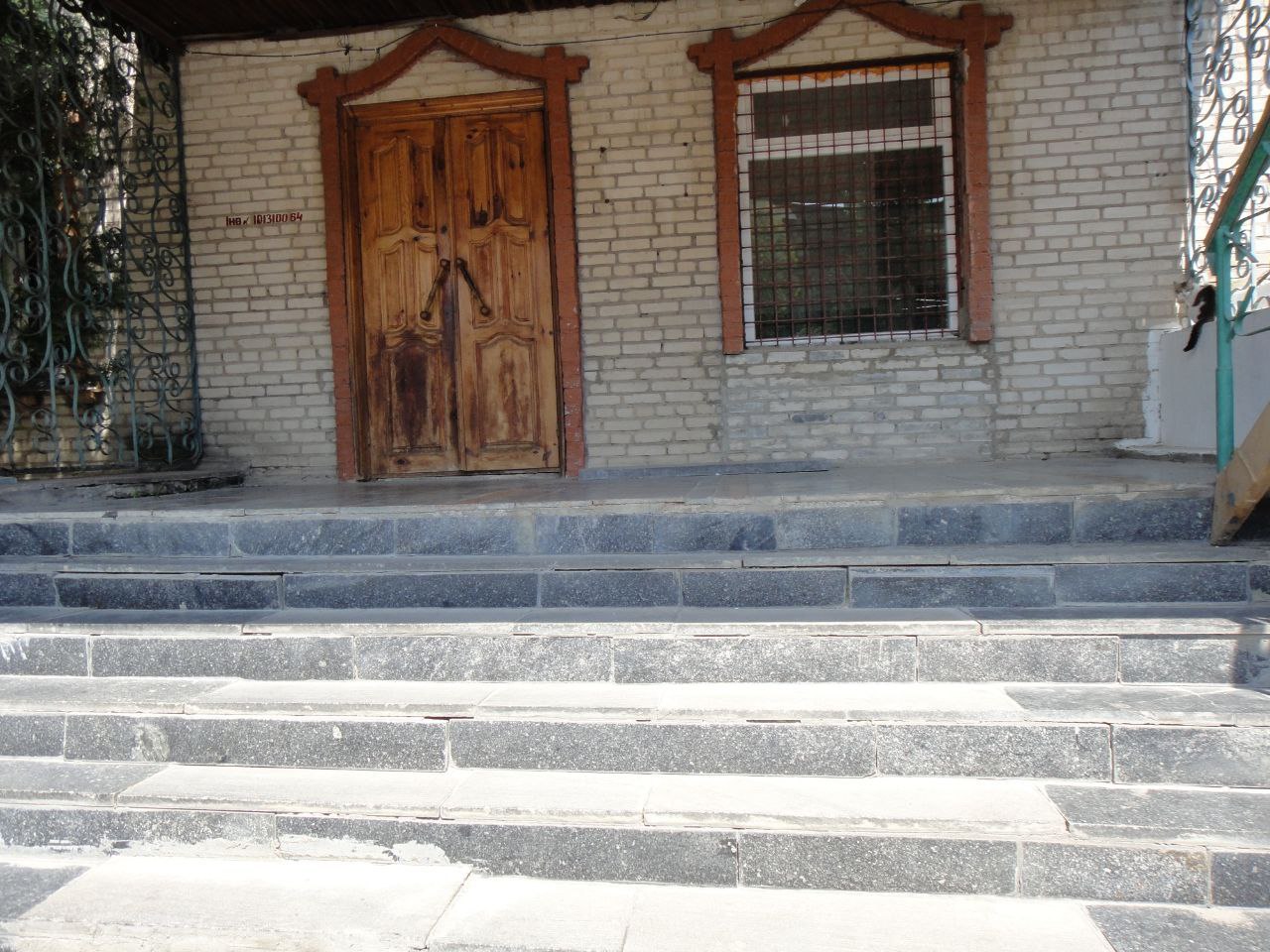
11. In violation of paragraph 37 of the Resolution of the Cabinet of Ministers of Ukraine No. 285 dated 2 March 2016 “On approval of Licensing conditions for carrying out economic activities in medical practice,” the hospital lacks a conclusion confirming free access to the buildings and premises of the medical facility for low-mobility groups, which is a mandatory requirement.
12. In violation of the Procedure for organising the provision of medical care at the primary, secondary (specialised), and tertiary (highly specialised) levels using telemedicine, approved by Order of the Ministry of Health of Ukraine dated 19.10.2015, No. 681, hospital staff are unable to make requests for telemedicine consultation or receive consultations for providing medical care to convicted persons due to technical reasons.
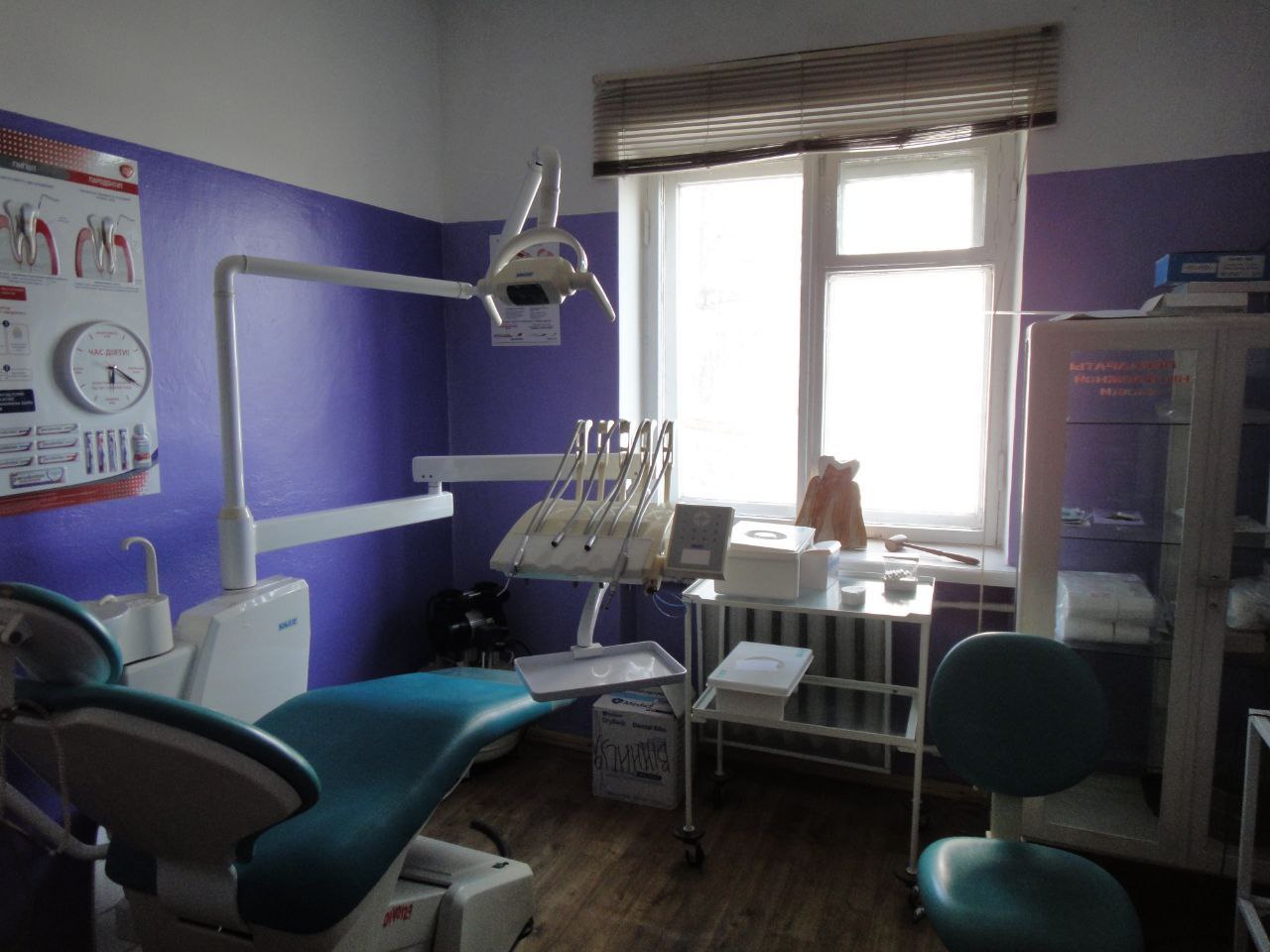
13. In violation of the requirements of the Equipment Supply List for a dentist's and dental technician's workplace, approved by Order of the Ministry of Health of Ukraine dated 11.04.2005, No. 158, the hospital lacks a dental X-ray machine, which makes it impossible to conduct in-depth dental examinations of convicts and does not ensure the timely provision of proper dental care.
Furthermore, the monitoring group established that among the types of dental care, only tooth extraction is practised, which limits the patients' right to receive appropriate dental care.
14. In violation of the requirements of the Standards of medical care for HCV in adults, approved by Order of the Ministry of Health of Ukraine dated 15.01.2021, No. 51, not all persons (19 individuals as of 06.06.2025) suspected of having viral hepatitis C undergo PCR testing. Consequently, they do not receive the necessary treatment, which may lead to the deterioration of health and the spread of the aforementioned infectious disease among convicts and detained persons.
15. The monitoring group established that the condition of isolation wards for persons with infectious diseases does not meet sanitary-hygienic standards and the requirements of the State Building Standards V.2.2-10:2022 “Health Facilities. General Provisions.” Specifically, wards intended for such patients are not equipped with shower cabins, which forces infectious patients to use communal sanitary facilities shared with other detained persons who are receiving inpatient treatment.
The lack of proper conditions makes effective isolation impossible, facilitates the spread of infectious diseases, and creates a threat to the health of both convicts and hospital staff.
16. According to paragraph 3.19.1 of Section III of the Regulation on the organisation of bathhouse and laundry services for persons held in penal institutions and pre-trial detention centres, approved by Order of the Ministry of Justice of Ukraine dated 08.06.2021, No. 849/5 (hereinafter — Regulation), sanitary treatment includes washing in a bathhouse using soap and a sponge, the mandatory replacement of underwear and bed linen, and the conducting of disinfection (destruction of pathogenic microorganisms) and disinfestation (destruction of insects and mites — vectors of infectious diseases) of personal clothing and bedding (pillows, mattresses, blankets) in a disinfection chamber.
However, the monitoring visit revealed that the disinfection chamber in the institution has not been functional since approximately January 2025, which is confirmed by the relevant entry in the log of disinfection/disinfestation of bedding and clothing dated 20.01.2025.
This indicates an improper implementation of sanitary treatment, which creates risks of spreading infectious diseases among convicts and staff and contradicts current sanitary-epidemiological standards.
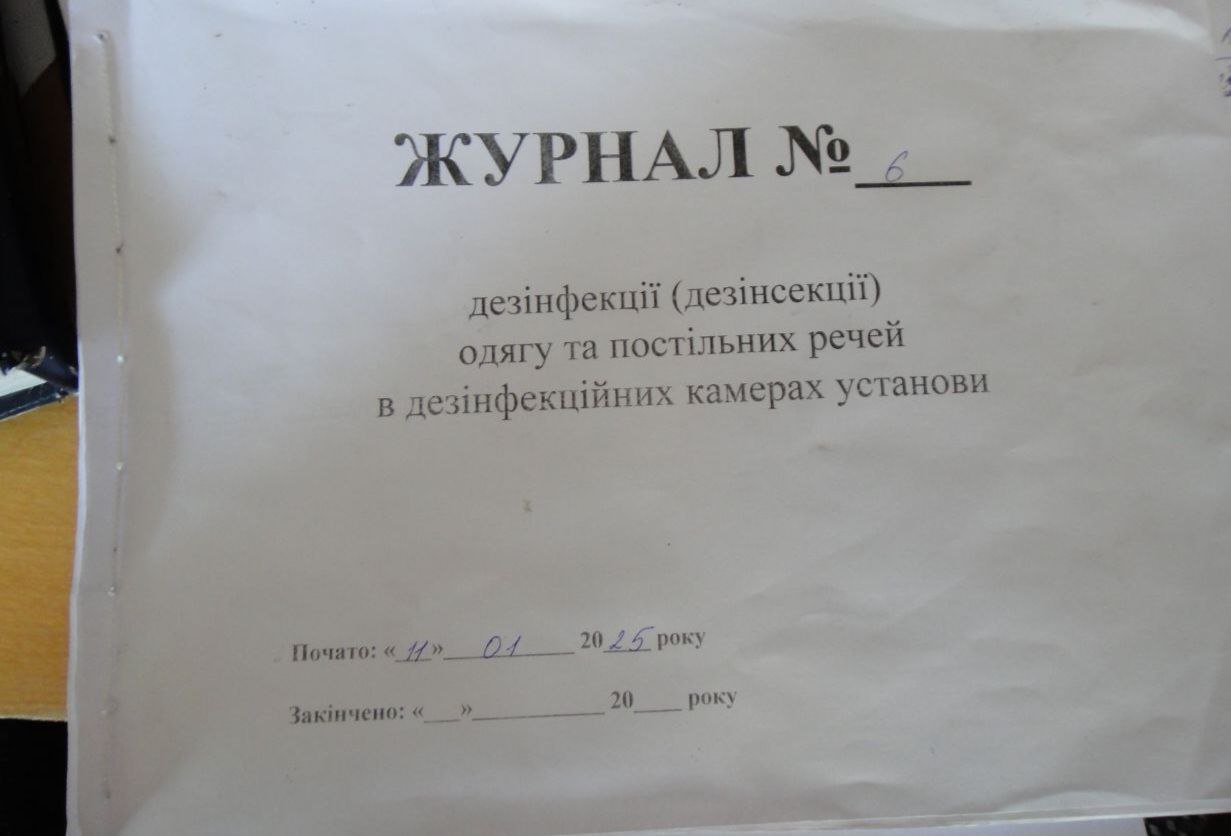
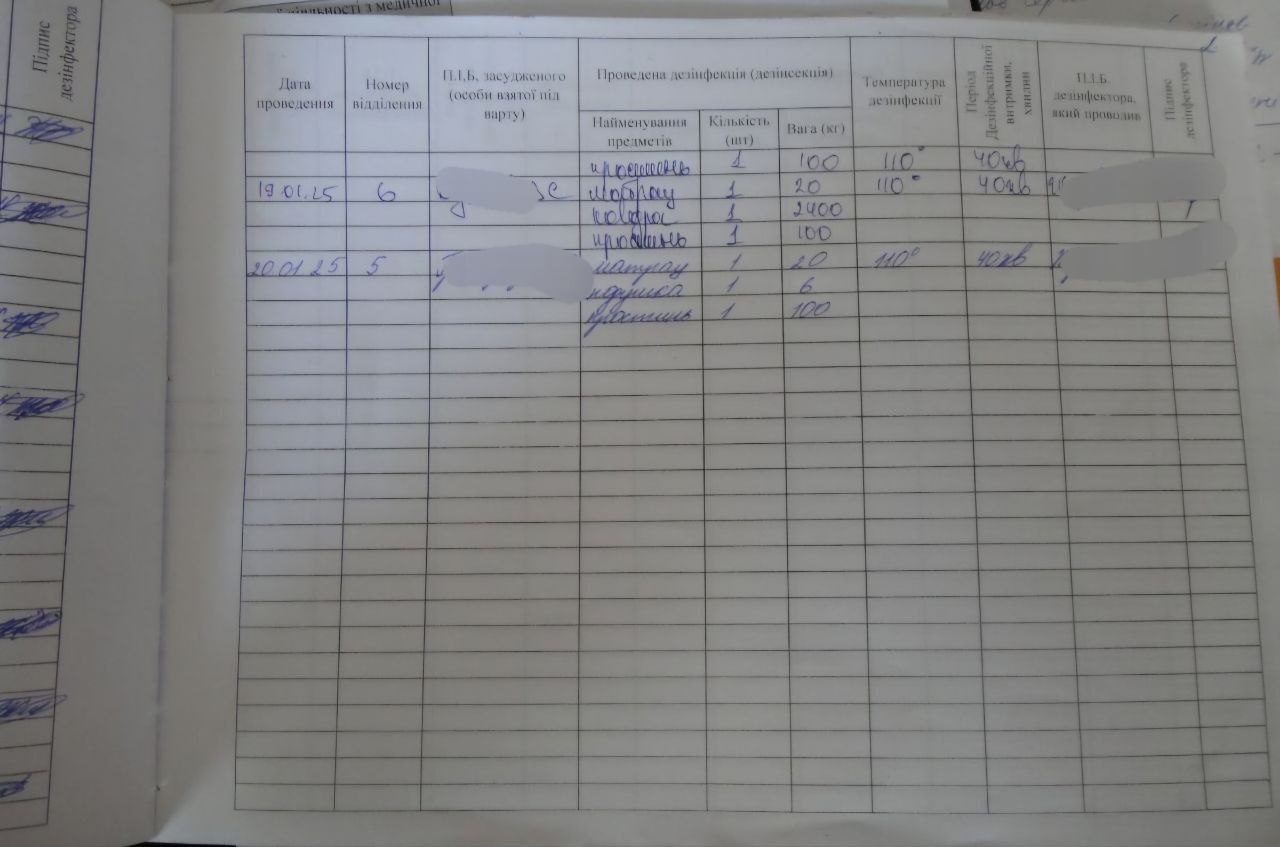
17. In violation of paragraph 4.1 of Section IV of the Regulation and paragraph 7, Chapter III, Section II of the Procedure for organising the provision of medical care to persons sentenced to imprisonment, the monitoring group recorded the absence of a personal medical record for a medical-preventive facility worker acting as a hairdresser, as well as the absence of examination results in the medical documentation conducted by specialist doctors (including laboratory, clinical, and other tests) which are necessary for admission to work in bathhouse and laundry facilities.
18. In violation of the Fire Safety Rules in Ukraine, approved by the Ministry of Internal Affairs of Ukraine dated 30.12.2014, No. 1417 (hereinafter — Rules), the hospital premises are not equipped with fire extinguishing and fire alarm systems.
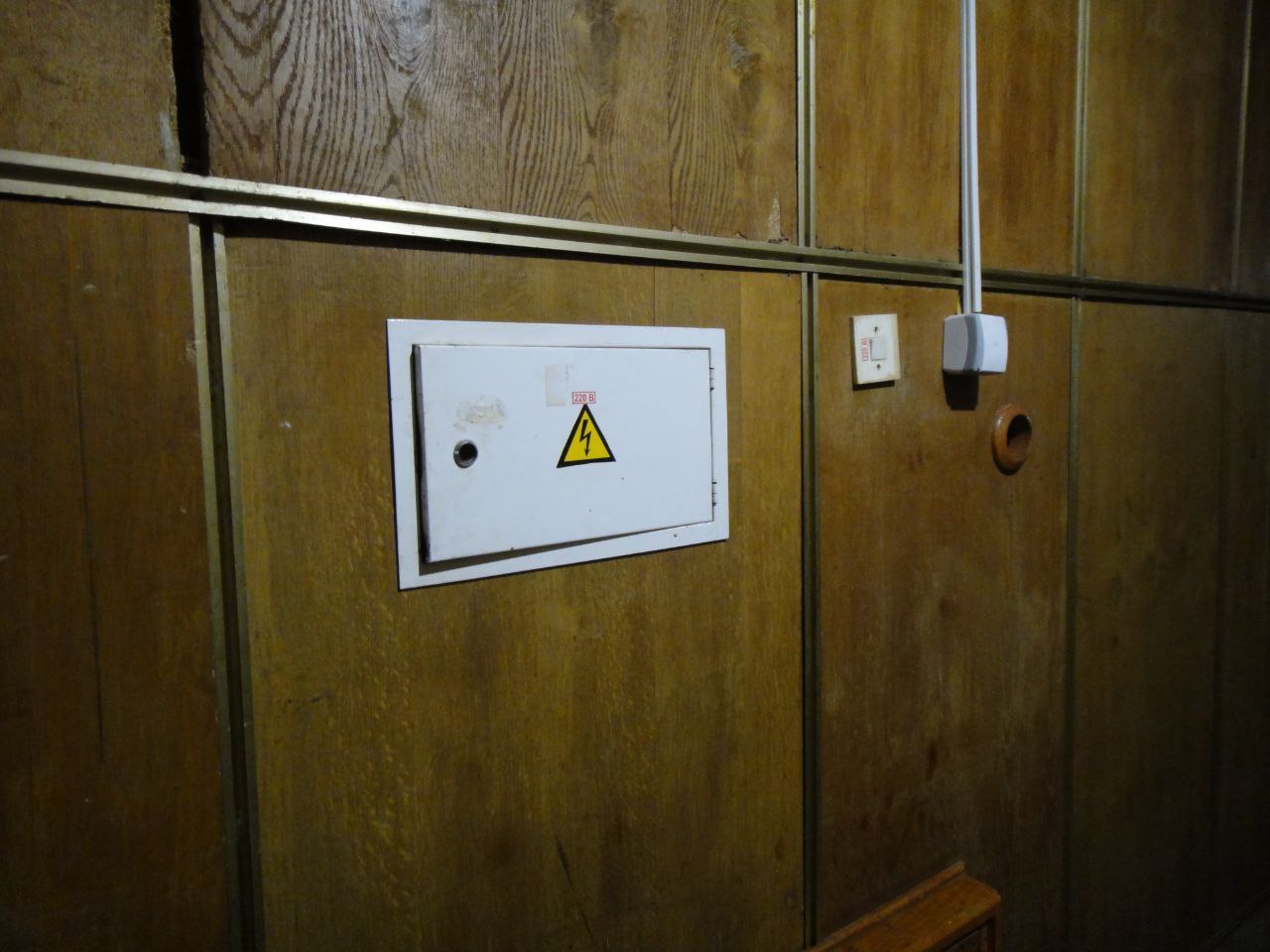
19. In violation of the requirements of subparagraph 2.12, paragraph 2, Section III of the Rules, the doors to the electrical switchboard room in the hospital lobby were left unlocked.
20. The doctors’ offices and X-ray room are not equipped with fire extinguishers, which is a violation of paragraph 3.6, Chapter 3, Section V of the Rules and a violation of paragraph 10.18, Chapter 10 of the State Sanitary Rules and Norms “Hygienic requirements for the setup and operation of X-ray rooms and the conducting of radiological procedures,” approved by Order of the Ministry of Health of Ukraine dated 04.06.2007, No. 294, registered with the Ministry of Justice of Ukraine on 07 November 2007 under No. 1256/14523.
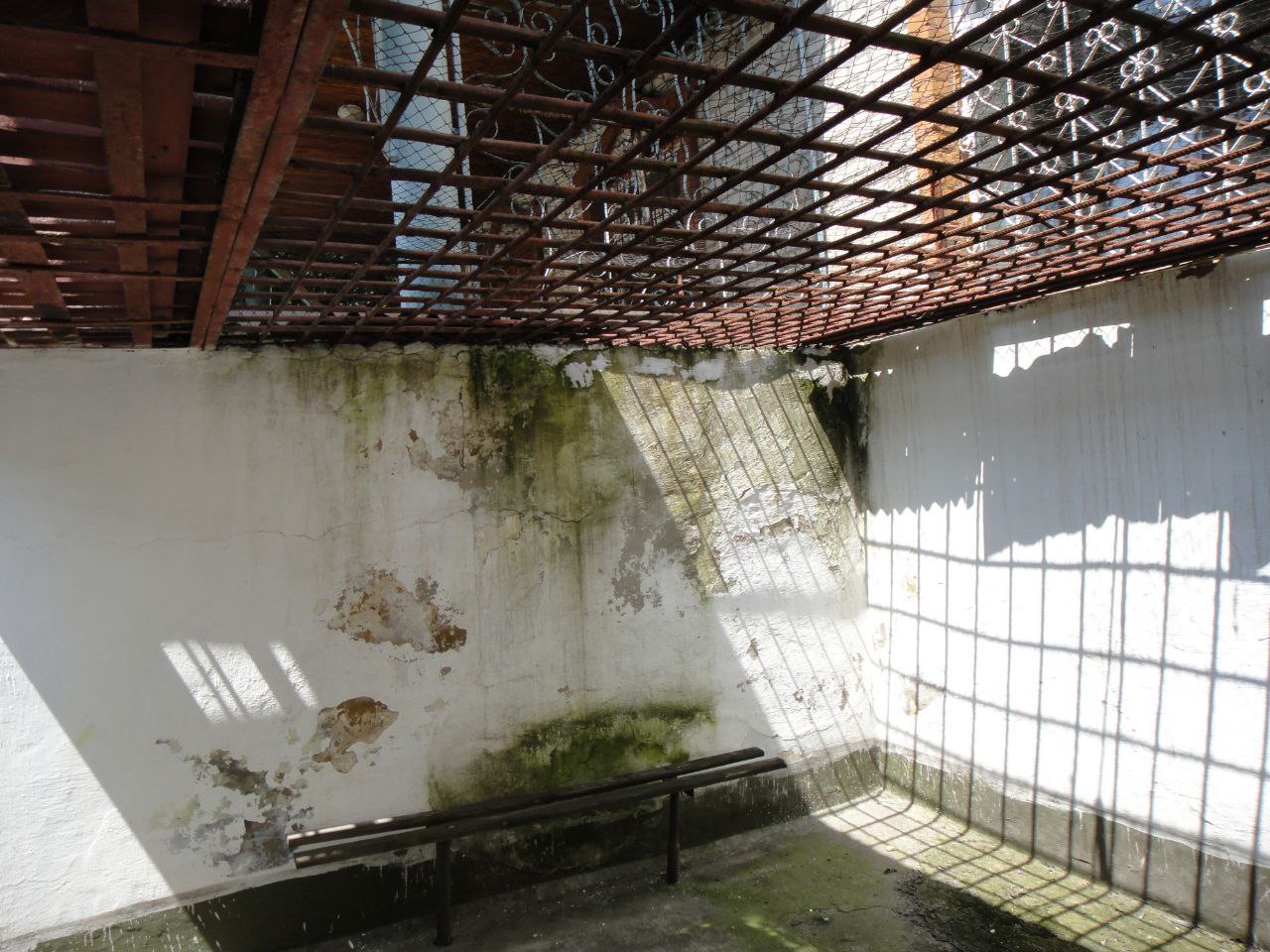
21. The exercise courtyards of the hospital facility are not equipped with proper shelters to protect against weather conditions and require repair work.
Among the primary defects are: damage to the flooring (cracks, potholes, unevenness), which creates a risk of injury, as well as insufficient equipment for sports and other physical activity. In this context, the Committee has repeatedly recommended reviewing the design and size of exercise courtyards, “from which at best one has a view of the sky” (paragraph 122, paragraph 127 (CPT/Inf (2014) 15)).
22. In violation of Part 5 of Article 110 of the Penitentiary Code of Ukraine, convicts are not provided with the right to use the global Internet network while staying in the inpatient hospital. The lack of access to the Internet limits their ability to receive information, exercise the right to education, self-education, and maintain social ties, which contradicts paragraph 63 of the Committee's recommendations (CPT/Inf(93)12-part).
Recommendations:
- Take measures aimed at eliminating identified human rights violations and preventing torture, other cruel, inhuman, or degrading treatment or punishment at the Strizhavska Multidisciplinary Hospital No. 81 of the Public Health Centre of the State Penitentiary Service of Ukraine in the Vinnytsia region.
- Ensure the hospital is staffed with specialist doctors according to requirements.
- Ensure the further referral of palliative patients to municipal health facilities that have the appropriate organisational, personnel, and technological conditions for the proper care of such patients.
- Ensure the provision of proper medical care, the organisation of walks, compliance with hygiene standards, proper lighting, access to drinking water, and the material support of convicted persons undergoing inpatient treatment in accordance with the requirements.
- Ensure the timely and proper recording of bodily injuries in convicts.
- Ensure proper medical care for persons suffering from viral hepatitis C.
- Ensure the accessibility of the institution’s buildings in accordance with the State Building Standards of Ukraine V.2.2-17:2006 “Buildings and structures. Accessibility of buildings and structures for low-mobility groups of the population.”
- Fulfil the requirements of paragraph 37 of the Resolution of the Cabinet of Ministers of Ukraine No. 285 dated 2 March 2016 “On approval of Licensing conditions for carrying out economic activities in medical practice.”
- Ensure the proper operation of the telemedicine complex for doctors to submit requests for telemedicine consultation.
- Equip the medical unit with the necessary diagnostic equipment, including a dental X-ray machine.
- Equip the isolation ward for infectious patients in accordance with the requirements.
- Provide the hospital with hospital property (suits, dressing gowns, and hospital slippers).
- Ensure the operation of the disinfection chamber.
- Ensure the provision of a room for the admission of convicts by the administration and medical staff in the DIZO.
- Ensure proper medical examination of individuals working in the bathhouse-laundry complex and the issuance of personal medical records.
- Dismantle video surveillance cameras from the wards.
- Provide a fire extinguisher for the X-ray room premises.
- Eliminate violations of the Fire Safety Rules.