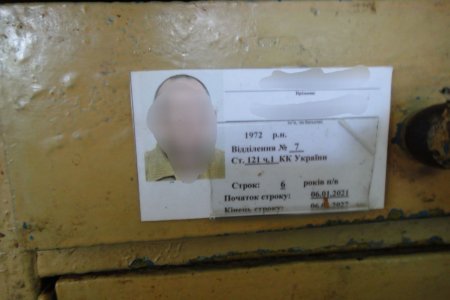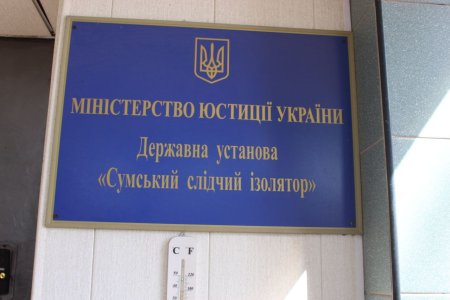
Report on the results of a monitoring visit to the Sumy Pre-trial Detention Centre
Violations of labour and social rights have been documented. Of particular concern are instances involving the absence of copies of disciplinary decisions, restricted access to open visits, the overt carrying of special equipment by staff, and personnel shortages.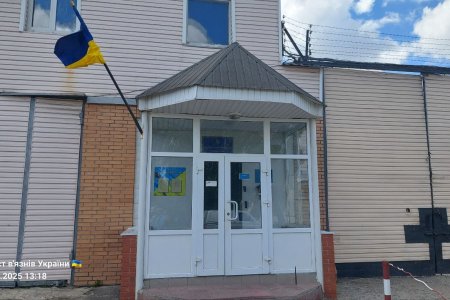
Report on the Results of the Monitoring Visit to Sumy Correctional Colony No. 116
The condition of the basement premises, which the administration identifies as shelters, is of particular concern: one is used as a workshop, while the other lacks a secondary exit, ventilation, and a handover certificate. Violations have been identified in the organisation of catering, laundry services, and medical care.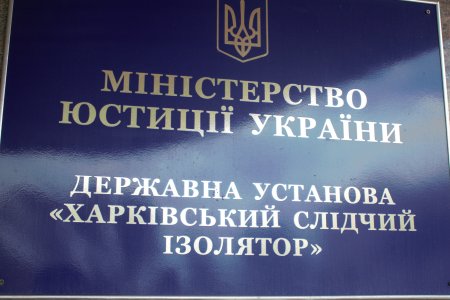
Report on the Results of the Monitoring Visit to the Kharkiv Pre-trial Detention Centre
Overcrowding in cells, inadequate living conditions, and the labour exploitation of inmates and prisoners in the galley and bakery have been uncovered. In the medical unit, breaches of confidentiality, improper documentation of bodily injuries, and other violations were identified.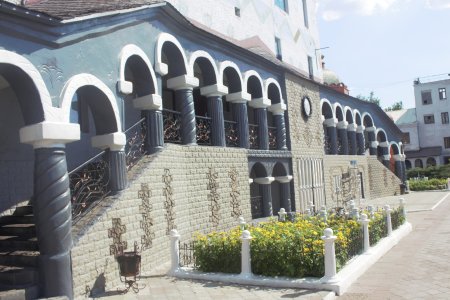
Report on the Results of the Monitoring Visit to Alekseevskaya Correctional Colony No. 25
Numerous systemic human rights violations have been identified, creating risks to the life, health, and dignity of the convicts. Convicts reported incidents of physical and psychological violence, the delegation of authority to ‘duty inmates’, and an atmosphere of fear that renders complaints ineffective.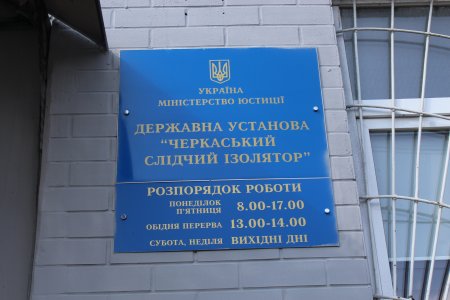
Report on the findings of a monitoring visit to the Cherkasy Pre-trial Detention Centre
The monitoring visit documented systemic violations: overcrowding of cells, violations of the principle of separate detention, a lack of adequate living and medical conditions, as well as understaffing.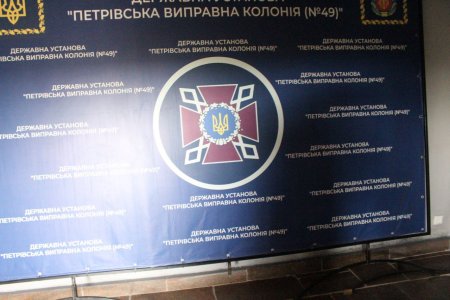
Report on the results of the monitoring visit to Petrivska Correctional Colony No. 49
Unsanitary conditions were recorded in the Quarantine, Diagnostics, and Distribution (QDD) and Disciplinary Isolation Ward (DIW) departments. The medical unit is operating under conditions of staff shortages. The organisation of convict labour in a number of cases shows signs of forced labour.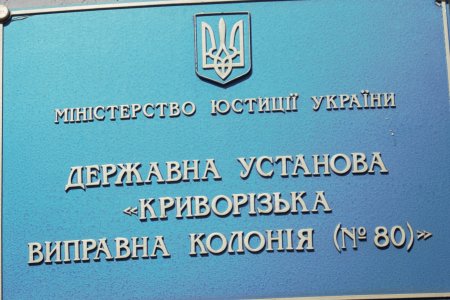
Report on the Results of the Monitoring Visit to Kryvyi Rih Correctional Colony No. 80
Overcrowding in residential quarters, inadequate material and living conditions, the engagement of convicts in labour without employment contracts or remuneration, the use of ‘duty orderlies’ in the Quarantine, Diagnostics and Distribution (QDD) unit, and other violations have been recorded.
‘The detention of the Oleksiyivska Penal Colony leadership is nothing short of a miracle’
Ed.: Lawyer Hennadii Tokarev has been battling everyone for over five years: the administration of OVK-25, the prosecutor’s office, the State Bureau of Investigation, and judges. All to punish those guilty of the brutal torture of convicts. Recently, the case has seemingly moved forward just a little. But what are its prospects?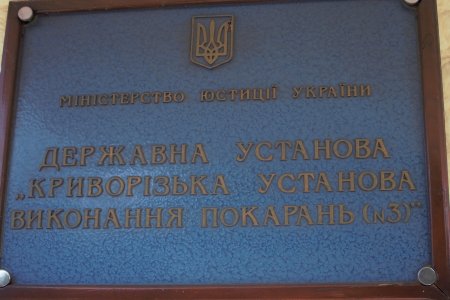
Report on the results of a monitoring visit to the Kryvyi Rih Penal Institution No. 3
Detention of individuals in cells and punishment cells, the floor area of which does not meet the minimum requirements, was recorded. A practice of applying video surveillance without individual risk assessment was identified. A significant staff shortage creates security risks.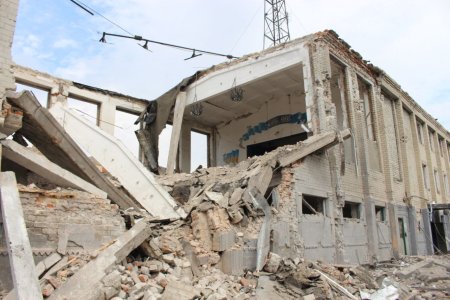
A trap behind bars
How the state neglects its citizens. The Bilenke tragedy.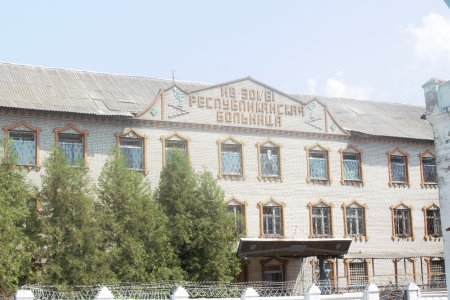
Report on the Monitoring Visit to Strizhavska Multidisciplinary Hospital No. 81 in the Vinnytsia Region
The primary issues identified include the lack of a dedicated palliative care unit, inadequate conditions of detention, unsanitary environments, and violations of the rights to daily exercise and weekly bathing. Furthermore, video surveillance cameras have been installed in wards for inmates sentenced to life imprisonment, which violates the right to medical confidentiality.