Report on the Results of the Monitoring Visit to Naderzhynshchynska Corrective Colony No. 65
The monitoring visit revealed systemic violations: the Quarantine, Diagnosis, and Distribution (QDD) unit is overcrowded, forbidden video surveillance and recording of strip searches are being carried out, and employment relationships are not properly formalised. In the healthcare sector, violations were recorded regarding the maintenance of medical records and the unavailability of certain types of treatment.
Report on the results of the monitoring visit to the Bozhkivska Correctional Colony No. 16
Both certain positive steps taken by the administration and systemic violations of national legislation and international standards were recorded. Illegal involvement of convicts in the duties of ‘attendants’ in the QDD unit and improper living conditions were established. Significant shortcomings were found in the organisation of disciplinary practice, as well as in the sphere of convicts’ labour.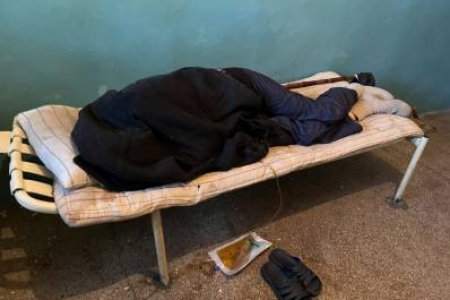
Release of Seriously Ill Prisoners: Ukrainian Courts Apply Soviet Legislation Rather than ECtHR Case Law
In virtually no case involving medical release is the case law of the European Court of Human Rights taken into account – unlike the recommendations of the Plenary Court, which has long ceased to exist.
Report on the results of the monitoring visit to Bila Tserkva Correctional Colony No. 35
The labour and healthcare sectors are characterised by systemic violations. In production areas and in facility maintenance, convicts work in harmful and hazardous conditions. The “Preparation for Release” programmes are not being fully implemented.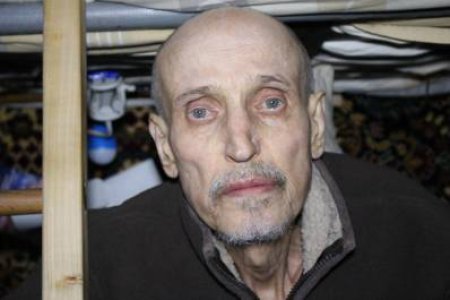
Appellate Court releases Viktor Sleptsov: a decision that should have been taken immediately
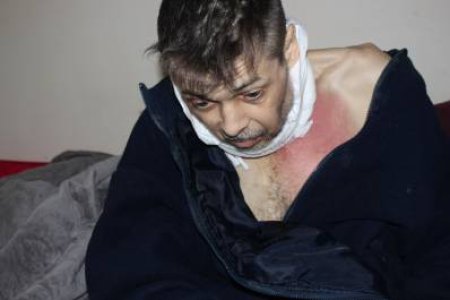
Today, 18 November, the Vinnytsia Region Court of Appeal, presided over by Judge Serhii Medvetskyi, ruled to release Viktor Sleptsov — a 68-year-old terminally ill prisoner serving a life sentence with stage IV cancer.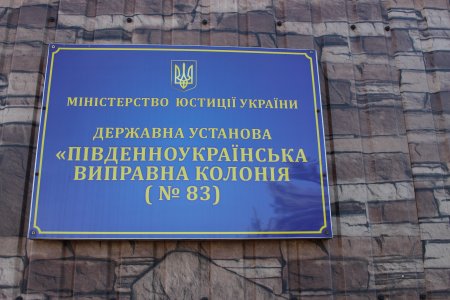
Report on the Results of a Monitoring Visit to Pivdennoukrainska Correctional Colony No. 83
The institution is taking steps to improve the material and living conditions of convicted persons: a Quarantine, Diagnostic and Distribution Unit (QDD Unit) has been established and repair works have been carried out. At the same time, the conditions of accommodation and the programme of the QDD Unit require attention, as does the improvement of the organisation of labour for convicted persons and the provision of sanitary and hygienic conditions.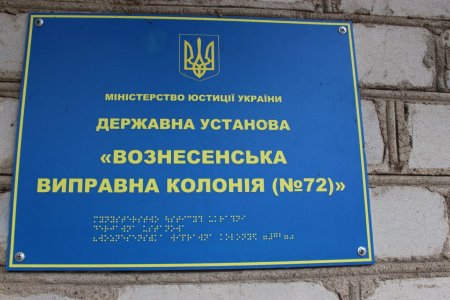
Report on the Results of a Monitoring Visit to the Voznesensk Correctional Colony No. 72
The administration of VKK-72 has implemented a series of improvements, including major repairs in some premises. At the same time, systemic violations of national and international standards have been recorded: sanitary facilities without proper partitions, the display of cards with details on crimes, the use of ‘dnuvalni’ (orderlies), the open carrying of special equipment, and understaffing.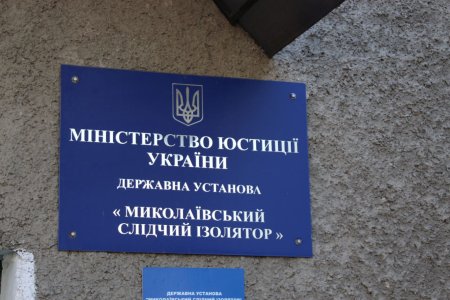
Report on the Results of a Monitoring Visit to the Mykolaiv Remand Prison
The monitoring team identified a number of systemic problems regarding overcrowding of cells and unsanitary conditions. Significant violations were recorded in the area of medical care.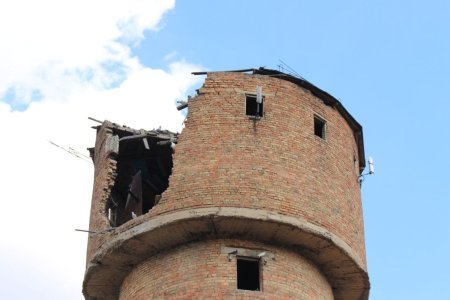
Report on the results of the monitoring visit to Snihurivka Correctional Colony No. 5
Proper isolation of patients with tuberculosis and non-tuberculous infections has not been organised, and there is no treatment for hepatitis C. The right to work is implemented formally. The shelter on the colony premises does not meet civil protection requirements.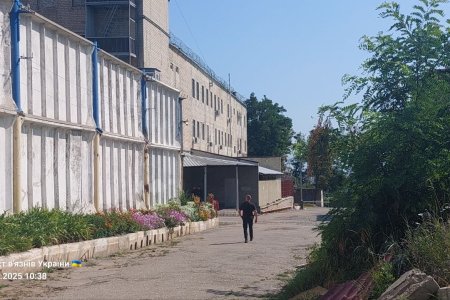
Report on the Results of the Monitoring Visit to the Khondnohirska Correctional Colony No. 18
Two shelters are unsuitable for actual use. Practices of informal hierarchy and ‘duty inmates’, as well as the segregation of those ‘rejected by the collective’, were discovered. In the disciplinary isolation unit/chamber-type unit, there are inadequate cell sizes and a shortage of light and ventilation. Additionally, labour abuses were recorded.
When pain is a sentence: the story of Viktor Sleptsov, who is dying in a Vinnytsia prison without the right to relief
For years, Ukraine has faced a profound yet largely unnoticed problem: the state’s inability to release terminally ill convicts even when medicine is powerless. Formally, the law allows for this. But in reality?